Mercedes-Benz has taken a bold step toward integrating work and mobility. In a recent demonstration, the automaker unveiled new functionality that allows drivers to join Microsoft Teams video meetings using their vehicle’s built-in selfie camera—even while driving. This is part of Mercedes-Benz’s long-term strategy to turn its cars into a “third workspace,” following the traditional office and the increasingly common home office setup.
The feature was revealed during a collaborative presentation between Mercedes-Benz Group CEO Ola Källenius and Microsoft CEO Satya Nadella. It was demonstrated on the new CLA electric sedan, equipped with Mercedes’ latest infotainment platform, MB.OS (Mercedes-Benz Operating System). This partnership aims to reshape the in-car experience for professionals who need to stay connected while on the move.
How the In-Car Video Conferencing Works
Mercedes-Benz vehicles fitted with MB.OS will come equipped with a selfie camera embedded in the dashboard. This camera allows drivers to log into Microsoft Teams video calls directly from the car’s infotainment screen.
When the vehicle is stationary, drivers can see the full video feed of the meeting, including other participants, shared content, and presentations. However, once the car starts moving, the system automatically disables incoming video on the driver’s screen to reduce distractions. The driver’s own video feed continues broadcasting to other participants in the meeting, unless manually switched off for an audio-only call.
This system is designed to meet local traffic and safety regulations across different countries. Mercedes-Benz emphasized that the system was developed in accordance with road safety laws and has received approvals where required.
The Role of MB.OS and Microsoft Integration
The integration of Microsoft Teams into MB.OS is not limited to video conferencing. It is part of a broader collaboration between Mercedes-Benz and Microsoft to provide seamless digital productivity in vehicles.
One major component of this integration is Microsoft Intune, which helps ensure that work data and personal data remain securely separated. This is especially important for fleet vehicles or professionals using a company car. IT departments can manage and configure access to workplace tools while maintaining high levels of cybersecurity.
The second major element is Microsoft 365 Copilot, the AI assistant powered by OpenAI’s technology and integrated with Microsoft Office products. This feature allows drivers to manage emails, receive meeting summaries, schedule appointments, and handle basic work tasks using natural voice commands—all while keeping their hands on the wheel and eyes on the road. This AI integration helps drivers stay productive during commutes or long drives, without sacrificing safety.
Expanding the Idea of Productivity on the Move
Mercedes-Benz describes this technological step as transforming its vehicles into a legitimate extension of the workplace. This move reflects changing work culture trends in a post-pandemic world, where remote work, hybrid schedules, and digital connectivity have become the norm for millions of professionals.
By embedding video conferencing and office tools directly into the car, Mercedes is targeting busy executives, remote workers, and mobile teams who spend substantial time commuting or traveling. These users may benefit from the ability to attend a quick check-in call or review project updates during idle moments—such as waiting in traffic or before entering a client meeting.
To use the system, customers will need the appropriate software package, which includes the Entertainment Package Plus and a data subscription plan for internet connectivity.
Vehicles Expected to Launch with the Feature
The new functionality was first shown in the Mercedes-Benz CLA Concept, an all-electric sedan featuring the MB.OS platform. This car is expected to debut in production form in 2026. However, other upcoming vehicles with MB.OS—including future E-Class models and electric SUVs—will also support the integrated Microsoft ecosystem.
The collaboration between Mercedes-Benz and Microsoft is part of a long-term vision for digitizing mobility. Both companies are exploring further innovations such as over-the-air updates, AI-enhanced route planning, and personalized workspace environments tailored to driver profiles.
Reactions from the Public and Experts
While some tech enthusiasts and business professionals welcome the feature as a convenient and forward-thinking solution, others have raised concerns. Safety advocates caution against normalizing in-car meetings, fearing it could blur the line between driving and working.
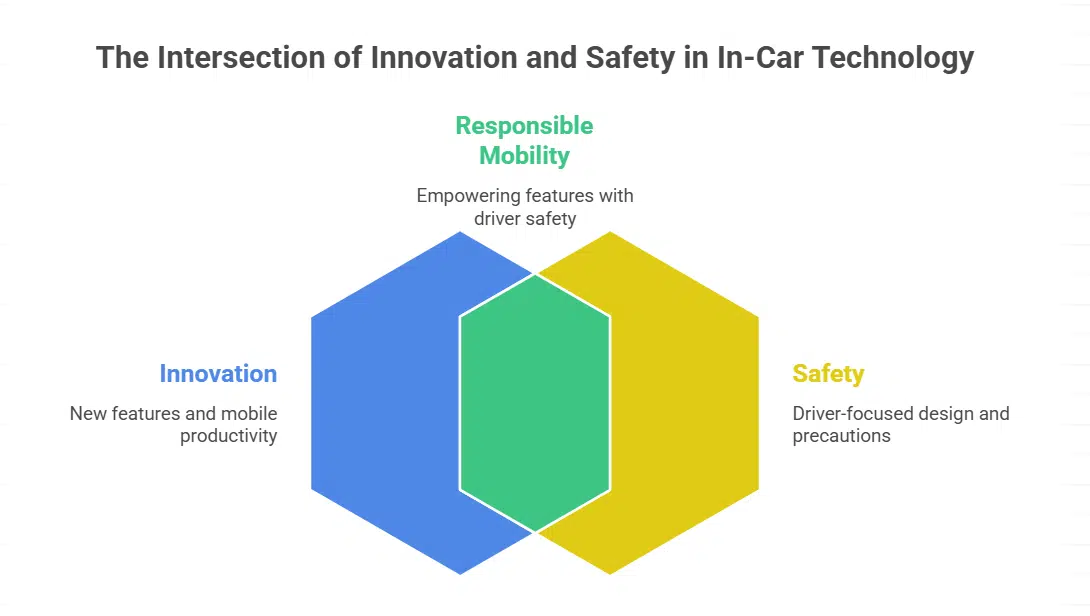
Mercedes-Benz addressed these concerns by ensuring that all interactive features are designed with safety as the top priority. The driver interface restricts screen access while in motion, and voice-controlled AI helps minimize physical interaction with the system.
Still, the debate continues among industry observers, with some praising the innovation for empowering mobile productivity and others questioning whether cars should remain a sanctuary from the pressures of the workplace.
More Than Just Video Calls: A Full Productivity Suite
The Microsoft partnership goes beyond Teams meetings. With Copilot AI, drivers can receive real-time summaries of inboxes, flag important messages, draft quick replies, and even get reminders about upcoming meetings. The AI assistant is capable of handling tasks similar to a virtual secretary—all triggered by voice prompts. For example, a driver could ask the system to prepare a summary of the day’s agenda or reply to a specific contact—all without touching the screen.
Additionally, Microsoft Intune’s integration ensures enterprise-grade security and device management. IT teams in organizations that operate vehicle fleets can deploy configurations, enforce data policies, and manage access to work-related tools remotely—just as they would for a laptop or smartphone.
The Future of Work on the Road
Mercedes-Benz is positioning itself as a leader in the fusion of mobility and workplace productivity. As digital connectivity becomes more embedded in everyday life, the idea of a car as an isolated environment is changing. Automakers are investing in technologies that allow drivers to use their time more efficiently without compromising safety.
By combining camera hardware, AI, cloud computing, and secure workplace apps, Mercedes-Benz is building a new category of digital vehicle experiences. Whether this will become a standard in luxury and executive vehicles or remain a niche feature depends on adoption rates and driver feedback.
The feature’s success may also influence how other automakers integrate AI-powered tools into infotainment systems, especially as work-from-anywhere models become more widespread.
The decision by Mercedes-Benz to allow in-car Microsoft Teams video conferencing marks a significant moment in the evolution of digital mobility. By leveraging AI and productivity software, the brand is turning its luxury vehicles into smart work environments.
With systems like MB.OS, Microsoft Intune, and Copilot now integrated into its fleet, Mercedes is expanding what it means to work remotely. While concerns about driver distraction remain valid, the company’s safety-first approach and limited in-motion functionality demonstrate a conscious effort to balance innovation with responsibility.
As work continues to evolve beyond traditional settings, Mercedes-Benz is betting that the car will play a central role in the future of flexible productivity.