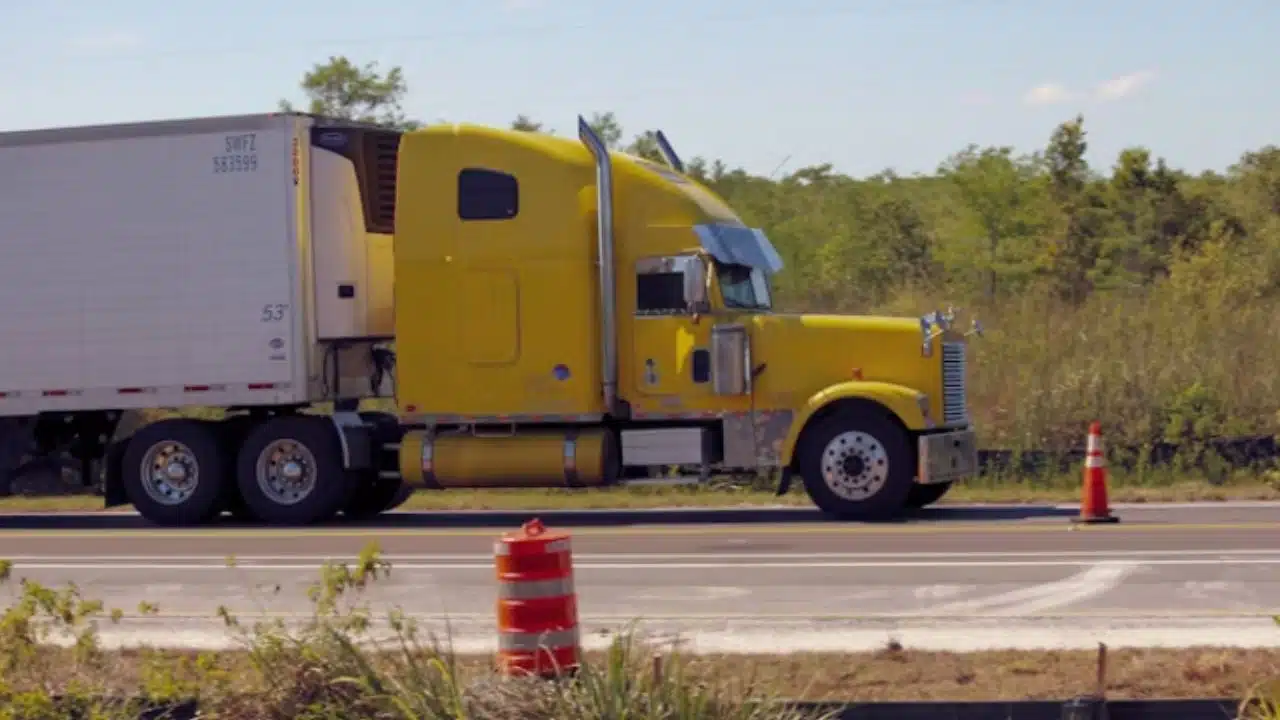
Borrowed trailers keep trucks loaded and schedules full, yet they also create a hidden financial risk. If that non-owned unit is damaged, stolen, or destroyed while in your care, the loss can end up on your balance sheet. Trailer interchange coverage fills this gap by paying for repairs or replacement when a signed interchange agreement shifts responsibility to the carrier. Without it, one dented roof can wipe out weeks of revenue.
Why Conventional Policies Miss the Mark
Commercial Auto liability coverage responds to bodily injury and property damage, not the trailer itself. A non-owned trailer endorsement helps, but only when the trailer is physically attached to the tractor. Most interchange agreements transfer responsibility the moment paperwork is signed, even if the unit is still parked in a drop yard. Damage during that window is uninsured unless trailer interchange coverage is in place at the stated value of the trailer.
How Trailer Interchange Coverage Works
An interchange endorsement acts like physical damage insurance for a borrowed trailer. Covered causes include collision, fire, theft, vandalism, overturn, and often flood. Limits must match the trailer’s true replacement value, not a depreciated book figure from five years ago. Underwriters rate the risk on factors such as operating radius, loss history, and average time the trailer stays in the carrier’s possession. Accurate data keeps premiums realistic while providing full protection.
Where Claims Get Denied
Underwriters may deny interchange claims for two common reasons. First, if a carrier listed an incorrect trailer value. Turning in a claim for eighty thousand dollars on a forty thousand limit leaves the fleet to pay the difference. Second, if a trailer was damaged while detached from the tractor in a lot without proper coverage. Carriers relying on non-owned trailer endorsements learn too late that the endorsement only applies if the trailer was physically connected at the time of loss.
To avoid those setbacks, many fleet owners partner with GIA Group LLC insurance agents as they help tailor limits to current market pricing and explain how interchange differs from simple non-owned forms. Certificate updates happen in minutes, so shipment brokers can see correct limits before releasing a load. Fast paperwork prevents dispatch delays and keeps everyone confident that the risk is managed.
Questions Every Fleet Should Ask Before Signing an Interchange Contract
A quick, structured review prevents surprises later. Make sure to discuss the points below with your insurance agent, operations team, and the trailer owner.
- Is the trailer’s stated value on your policy high enough to cover total replacement?
- When does your legal responsibility begin and end during the interchange cycle?
- Does your policy protect the trailer while it is detached in a drop yard?
- How fast can you issue a certificate naming the trailer owner as additional insured?
- Are drivers trained to document the unit’s condition at pickup and after delivery?
- Can you raise limits or add locations online during seasonal volume spikes?
Clear answers early prevent delays during claims and help position the fleet as a low-risk partner for better freight access.
How to Get the Right Coverage
List all agreements where you use borrowed trailers, including rail, pool, and seasonal freight. Find current replacement costs for commonly used trailers like reefers and flatbeds. Share this with your insurer and request limits based on the highest-value unit, not the average.
Next, verify that coverage applies when the trailer is detached. If the policy language is unclear, request written confirmation or an endorsement revision. Then test the certificate workflow. Your team should be able to add the trailer owner as additional insured and adjust limits without waiting for office hours or manual approvals.
Finally, train drivers to photograph the trailer’s exterior and interior at pickup and drop-off. Clear images establish the condition of the unit and can shorten claim investigations.
The Real Cost of Ignoring Interchange Coverage
A refrigerated trailer lost to fire can cost over $90,000 to replace, depending on the model and specs. A dry van that hits a low bridge may require twenty thousand in repairs once structural work, doors, and decals are considered. If the trailer owner hires legal counsel, defense costs compound the bill. Since interchange premiums are low compared to the risk, proper coverage clearly outweighs the gamble.
Unpaid trailer losses also damage a carrier’s reputation. Shippers and brokers exchange information quickly, and a history of disputed claims can limit access to profitable loads long after the trailer is repaired.
Wrap-Up
Trailer interchange coverage is not an optional extra. It is a financial safeguard that turns borrowed equipment from a risk into a revenue source. By understanding where standard policies fall short, valuing trailers accurately, and confirming that coverage applies even when a unit is detached, fleet owners protect their cash flow and their customer relationships.
Approach interchange protection with the same discipline you apply to cargo insurance. Keep limits current, update certificates instantly, and train drivers on documentation protocols. With these steps in place, you can haul non-owned trailers confidently, knowing liability is controlled no matter whose name is on the title.