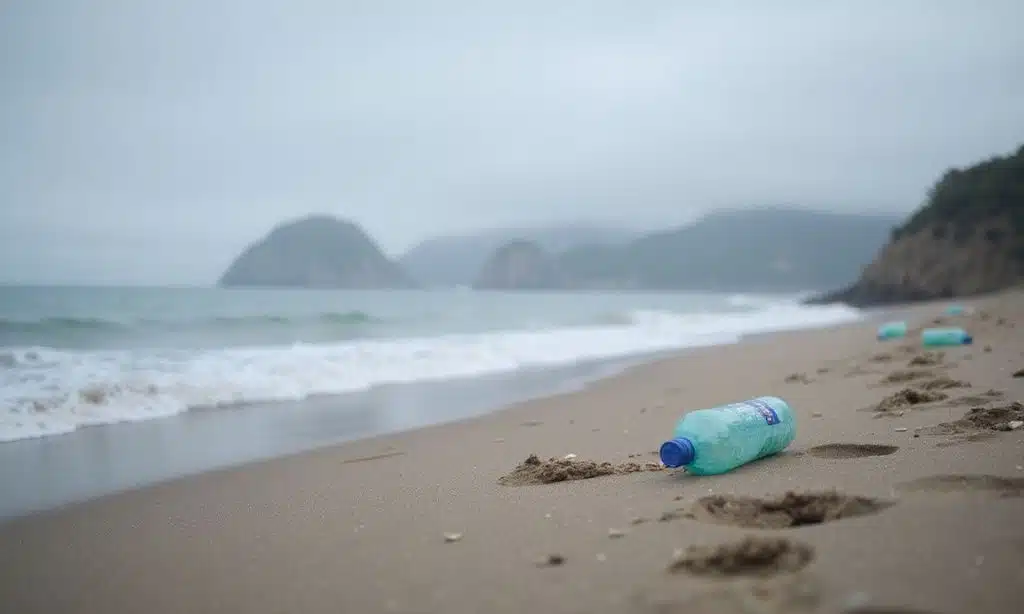
Plastic bottles pile up in our oceans. Single-use bags choke wildlife. Microplastics sneak into our food and water. These problems feel too big to solve, but millions of people around the world are ready to fight back.
World Environment Day 2025 brings hope to this global crisis.
The Republic of Korea will host this year’s celebration on today, June 5, 2025. This country leads the world in plastic waste management and has made huge improvements in air and water quality.
The theme focuses on ending plastic pollution through the #BeatPlasticPollution campaign. This guide shows you simple ways to join the movement, find local events, and make a real difference in your community.
Ready to beat plastic pollution?
Key Takeaways
- World Environment Day 2025 focuses on ending plastic pollution through the #BeatPlasticPollution campaign hosted by South Korea on June 5th.
- Plastic pollution costs the world $300-600 billion yearly, with 11 million tonnes entering water systems annually across the globe.
- South Korea leads with smart solutions including Jeju Province’s plan to eliminate plastic pollution by 2040 through recycling centers.
- Global treaty talks continue in Geneva from August 5-14, 2025, building on Korea’s November 2024 plastic pollution negotiations.
- Companies worldwide adopt circular economy practices using bamboo straws, paper bags, and metal bottles to replace harmful plastic products.
World Environment Day 2025 Theme: Ending Plastic Pollution

World Environment Day 2025 puts a spotlight on ending plastic pollution, with South Korea stepping up as the host country. This year’s theme tackles the crisis head-on, as plastic pollution permeates every corner of our planet, from bustling cities to remote ocean depths.
Focus on #BeatPlasticPollution
The #BeatPlasticPollution campaign takes center stage as this year’s rallying cry. This powerful movement connects the dots between plastic waste and our planet’s biggest challenges.
Plastic pollution exacerbates climate change, biodiversity loss, and pollution crises that threaten life on earth. The campaign aligns perfectly with Sustainable Development Goals for climate action, sustainable production and consumption, ocean protection, and ecosystem repair.
Citizens worldwide can join this global platform for environmental action through simple yet impactful steps. The United Nations Environment Programme provides practical tips and campaign materials to help everyone participate.
Video messages from United Nations officials spread awareness about reducing plastic pollution by 2040. People can sign up for updates, news, and tips through the UNEP newsletter to stay connected with the movement.
This collective action creates the foundation for exploring sustainable alternatives that can replace harmful plastics.
Promoting sustainable alternatives to plastics
Businesses worldwide are creating smart alternatives to plastic products. Bamboo straws replace plastic ones at coffee shops. Paper bags take the place of plastic shopping bags. Glass containers store food instead of plastic boxes.
Metal water bottles last longer than plastic versions. Companies make plates from fallen leaves. These options help reduce plastic pollution in our oceans and land.
South Korea leads the way with creative solutions. Jeju Province plans to be free of plastic pollution by 2040. The region requires people to separate household waste at special recycling centers.
This system improves recycling rates and helps repurpose materials. Jeju was the first province in South Korea to start a disposable cup deposit system. People get money back when they return cups.
Korea’s life-cycle plastic strategy covers production, design, consumption, reuse, and recycling. Government, businesses, and consumers work together on this plan. The Republic of Korea shows strong leadership in plastic waste management and building a circular economy.
Global Participation and Actions
Countries across the globe join hands to tackle plastic pollution through World Environment Day celebrations. The Republic of Korea steps up as the official host, bringing nations together on this largest global platform for environmental action.
Events hosted by the Republic of Korea
Korea will host world environment day 2025 in Jeju Province, marking a significant milestone for environmental action. This beautiful island location serves as the perfect backdrop for global discussions about ending plastic pollution.
The Republic of Korea brings impressive credentials to this role, having already hosted the fifth session of negotiations for a global plastic pollution treaty in November 2024. Their commitment runs deep, showing the world that action to tackle plastic pollution requires dedicated leadership.
Jeju Province transforms into a hub for environmental champions, activists, and policymakers from around the globe. The korea to host world environment day celebration creates a powerful platform for raising awareness about our triple planetary crisis.
Notable supporters like Kim Tae-Yeon and Sumi Jo lend their voices to amplify the message of sustainability. A compelling story emerges from this Korean province’s own efforts to eliminate plastic pollution, proving that local action can inspire worldwide change.
These events set the stage for the second part of treaty negotiations scheduled for August 5 to 14, 2025, in Geneva, Switzerland.
Collective efforts for conservation and sustainability
World Environment Day 2025 brings together people from every corner of the globe to fight plastic pollution. This united front creates powerful change that no single person or country could achieve alone.
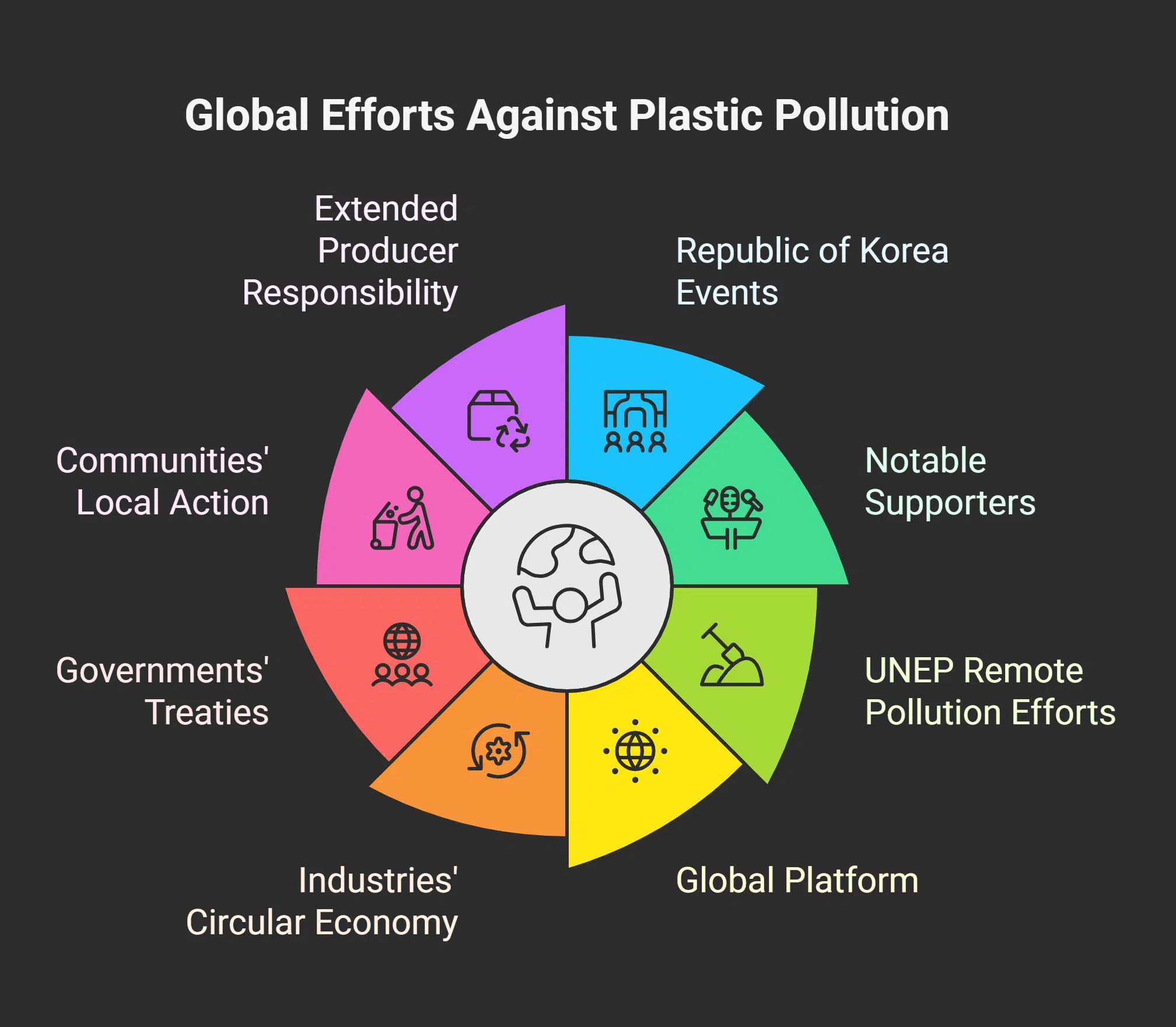
- Republic of Korea hosts major events – The 2025 theme and host country leads global celebrations with conferences and workshops. Citizens, businesses, and government officials work together to showcase innovative solutions for ending plastic pollution globally.
- Notable supporters amplify the message – Kim Tae-Yeon and Sumi Jo champion the cause, reaching millions of fans worldwide. Their influence helps spread awareness and action across different communities and age groups.
- UNEP tackles remote pollution – The UN Environment Programme addresses plastic pollution in Kazakhstan’s mountains, proving no location is too remote. Teams work in harsh conditions to clean up waste and protect fragile ecosystems.
- Global platform connects participants – Environment Day is a global platform where individuals share their cleanup events and conservation projects. Social media campaigns like #BeatPlasticPollution unite millions of voices calling for change.
- Industries adopt circular economy practices – Companies transition to a circular economy model, designing products that last longer and create less waste. Manufacturing processes now focus on reducing, reusing, and recycling materials at every step.
- Governments negotiate binding treaties – World leaders continue negotiating a global treaty to end plastic pollution, setting strict rules for all nations. The United Nations General Assembly pushes for stronger environmental protection laws and enforcement mechanisms.
- Communities organize local action – Neighborhoods host beach cleanups, recycling drives, and educational workshops on 5 June each year. Schools teach children about greenhouse gas reduction and protection of seas and oceans through hands-on activities.
- Extended producer responsibility grows – Companies now take full responsibility for their products’ entire life cycle, from creation to disposal. This approach forces businesses to design better packaging and support recycling programs in their communities.
Innovative Solutions for a Sustainable Future
Companies across the globe are racing to create game-changing solutions that tackle our plastic crisis head-on. These breakthrough approaches focus on building circular systems where waste becomes valuable resources, while new international agreements strengthen our collective power to beat plastic pollution once and for all.
Transition to a circular economy
A circular economy changes how we think about waste. South Korea leads this shift with smart plastic strategies. The Republic of Korea covers the full life-cycle plastic strategy from start to finish.
This includes production, design, consumption, reuse, and recycling. Government, businesses, and consumers work together to make it happen.
Jeju Province shows how circular systems work in real life. Households separate waste at special recycling centers. This boosts recycling rates and helps repurpose materials. Jeju was the first province to start a disposable cup deposit system.
The province plans to be free of plastic pollution by 2040. These efforts to reduce plastic pollution create jobs and protect nature at the same time.
Strengthening global treaties on plastic pollution
Moving beyond economic models, the world needs stronger legal agreements to tackle plastic waste. The Republic of Korea hosted the fifth session of negotiations for a global plastic pollution treaty in November 2024.
This marks a major step in the fight against environmental damage. Countries came together to address plastic pollution through binding international rules.
The second part of the negotiation session is scheduled for August 5 to 14, 2025, in Geneva, Switzerland. This event reinforces the global commitment made in 2022 to eradicate plastic pollution through a treaty.
The stakes are high, with plastic pollution costing the world USD 300 billion to USD 600 billion annually. Each year, approximately 11 million tonnes of plastic waste enter aquatic ecosystems globally.
These treaties create a global platform for public action and hold nations accountable for their environmental promises.
Takeaways
World Environment Day 2025 brings hope for our planet’s future. Each person can make a real difference by choosing sustainable practices and joining the fight against plastic pollution.
Korea leads by example, showing us that nations can tackle environmental challenges head-on. Small actions today create big changes tomorrow, and together we can beat plastic pollution for good.
Join the movement on June 5th and help protect our one Earth for future generations.
FAQs on World Environment Day 2025
1. When is World Environment Day celebrated annually?
World Environment Day is celebrated annually on 5 June. This international day was established in 1972 by the United Nations following the Stockholm Conference on the Human Environment.
2. What is the theme for World Environment Day 2025?
Day 2025 with a focus on ending plastic pollution, especially including in the marine environment. This year’s World Environment Day aims to tackle one of our biggest environmental challenges.
3. How does World Environment Day aims to inspire action for the protection of our planet?
Environment Day aims to inspire worldwide awareness and action to protect our Natural environment. It encourages people to adopt sustainable practices and take action for the protection of oceans and repairing ecosystems.
4. What environmental issues does World Environment Day address?
The official World Environment Day tackles Air pollution, Climate change mitigation, and Municipal solid waste. It also focuses on protecting regions like the Arctic and Antarctica while promoting Net zero emissions.
5. How can people participate in World Environment Day activities?
Participating in World Environment Day can be as simple as cleaning up your neighborhood or planting trees. You can also join local events, reduce plastic use, or spread awareness about environmental challenges on social media.
6. Why was the conference on the human environment important for creating this day?
The 1972 Stockholm conference on the human environment was a game changer for global environmental protection. It brought countries together, including the United States, to discuss how we can better care for our one earth and address environmental issues worldwide.