

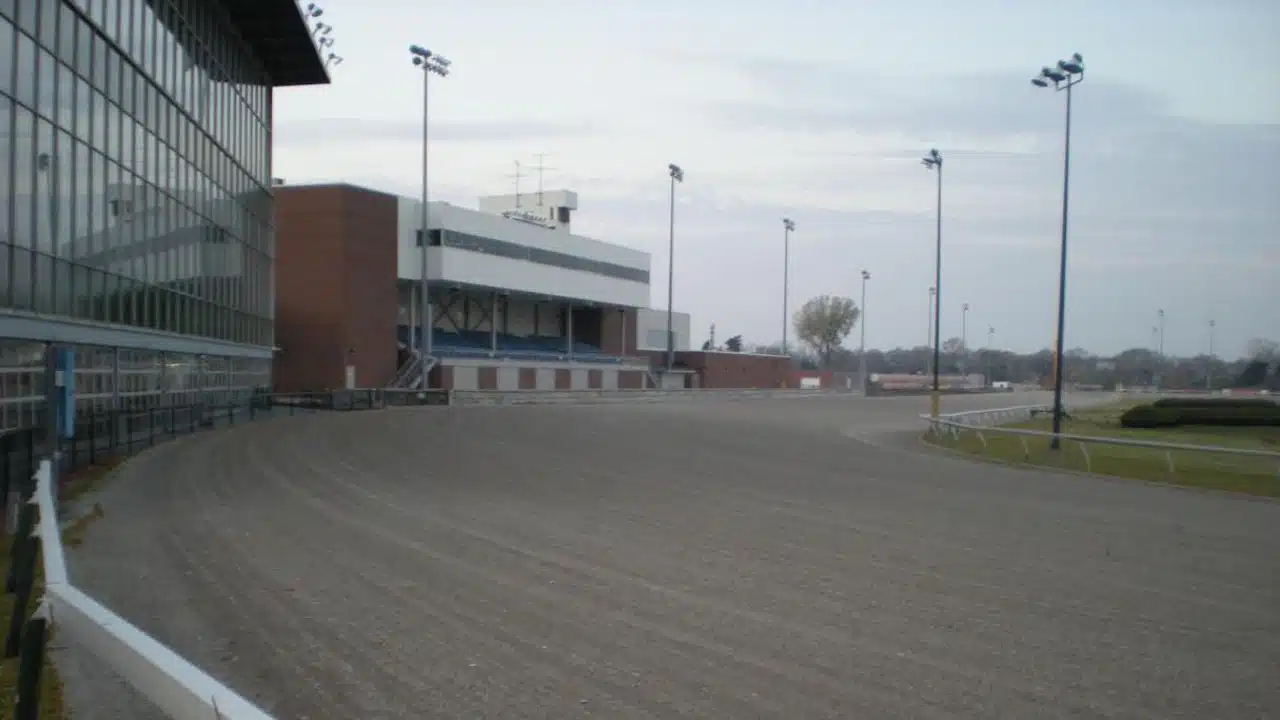
Only football ranks higher than horse racing in terms of a spectator sport in the United Kingdom. Racing is at the forefront of some of the biggest events on the sporting schedule within the country, with the history of racing in the UK dating back generations.
The sport also gives back to the government, with racing generating a staggering £3.39 billion annually. Major racing events such as the Cheltenham Festival and Royal Ascot gain international attention, and have become major tourist attractions in their own right.
But, how has horse racing changed in England throughout its history?
Early History
Horses have been a visible point in English history throughout generations, and they can be dated back to the Roman era and Middle Ages. Equines were used as beasts or burden in pre-Roman times, and it is believed that the first horse races were staged in the United Kingdom in York in around 200 AD.
But, it is still argued whether it was Romans that actually invented the sport. The saddling of horses dates back to the year 631, with the earliest mention of running horses noted during the reign of King Athelstan in the 9th and 10th century.
It was during this period that a ban was placed on the exporting of English horses, but Spanish stallions were introduced to the country by William the Conqueror and the 1st Earl of Shrewsbury.
Now you can even get free horse racing picks from top handicappers just by opening your phone. Imagine how much the sport changed.
First Recorded Races
Records of horse racing became more substantial during the reign of Henry VIII after he passed a number of laws revolving around the breeding of horses. Formal meetings were also held more regularly during this period, with a first trophy reportedly handed out at an event in Chester.
This track remains to this day, making it the oldest surviving racecourse in England. Despite records fading during Elizabeth’s reign, it would change again when James I was at the helm.
The king would have a pro-horse racing stance, and that was only encouraged following a trip to the village of Newmarket. He would spend a lot of time at the area, racing horses, leading it to become the home of horse racing in England. The first race at the track in Newmarket was recorded in 1622, before the racecourse was officially founded in 1636.
Outlawed & Emergence of Top Races
Horse racing looked to be gaining in popularity during the reign of Charles I, with meeting at Newmarket, Epsom, and Stamford all being well attended.
However, this would change in 1654 when the sport was banned by Oliver Cromwell. Many horses were requisitioned by the state, but ironically, Cromwell kept a stud of his own. Charles II’s restoration led to a growth in the sport, before this was accelerated over the following year up until the 18th century.
The 18th century led to the birth of many of the biggest events that remain on the British calendar to this day. Royal Ascot was founded by Queen Anne, with a race named in her honour kicking off the five-day meeting annually. The Jockey Club was founded in 1750, with the organisation tasked with upholding the rules of the sport.
The success enjoyed by the St Leger in the north led to the formation of Classics at Epsom, with the Derby and Oaks established, before the Guineas were established in the 19th century. By this time, all five Classics were officially on the racing schedule.
Later History & Prolonged Success
Interest in the sport reached new heights during the 18th and 19th centuries, with the action being regarded as the ‘Sport of Kings’. One of the key reasons for the acceleration in popularity of racing was due to the dwindling popularities of traditional rural sports such as shooting, hare hunting, and hawking.
Handicap races were introduced during the 19th century, where horses were assigned a weight to carry determined by their ability. The first handicap was actually run at Ascot back in 1791, but the Chester Cup, Cesarewitch, and Ebor were later standout events added to the schedule.
Jumps racing is the most popular form of the sport in the UK these days, and that was officially founded at St Albans in the 1830s. This led to the Grand National being born at the end of the decade by William Lynn. The passion of fans for the sport later saw it become the second-most attended across the country.
Evening racing was first held at Hamilton in 1947, with Wolverhampton now hosting over 50 nights of racing annually. The sport continues to be one of the most-watched in this modern day, and there are 60 licensed racecourses across Great Britain, with two further tracks located in Northern Ireland. Nods to the past are evident across the country, with the only courses opened later than 1927 coming in the forms of Ffos Las and Chelmsford City.





















