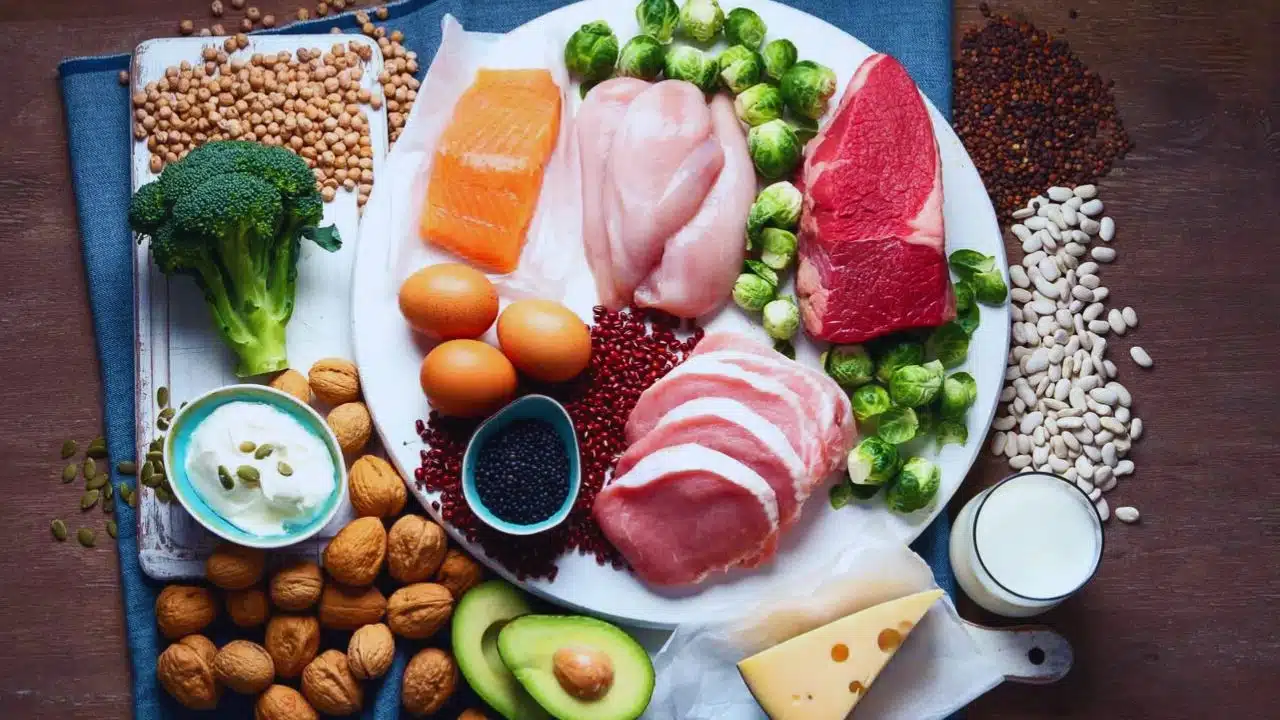
Protein is currently a hot topic, with influencers and nutrition experts alike sharing the best sources and tips to boost intake. This essential macronutrient plays multiple crucial roles in our bodies, from building muscles, skin, and bones to aiding in countless biochemical processes such as hormone regulation.
Ensuring adequate protein intake is particularly important as we age to maintain muscle mass and bone density.
Here are 15 high-protein foods recommended by nutritionists to enhance your meals and support your health:
1. Salmon
Salmon is renowned for its nutritional benefits. It is a great source of lean protein and omega-3 fatty acids, which help reduce inflammation. Most Americans don’t meet their weekly seafood intake recommendations, so adding salmon to your diet can help maximize your protein and omega-3 intake.
Protein content: 17g protein per 3oz wild-caught Alaskan salmon.
2. Chicken
Chicken breast is a staple in many diets due to its high protein content and versatility. It contains more protein by weight compared to thighs and supports immunity with higher amounts of zinc and selenium.
Protein content: 23g protein per 100g.
3. Lentils
Lentils are a powerhouse of plant-based protein, fibre, and essential vitamins and minerals like iron and potassium. They help preserve muscle mass and support strength, bone health, and tissue repair.
Protein content: 18g protein per cooked cup.
4. Greek Yogurt
Greek yoghurt is rich in protein, calcium, and gut-friendly probiotics. Ensure the yogurt you choose lists live and active cultures to benefit from its probiotic content.
Protein content: 9g protein per ½ cup.
5. Chickpeas
Chickpeas are an excellent source of plant-based protein and fibre, supporting heart health, blood sugar regulation, and healthy weight management.
Protein content: 15g protein per cooked cup.
6. Quinoa
Quinoa is a whole grain that contains all nine essential amino acids. It is a versatile ingredient that can be used in place of rice, added to salads, or mixed with eggs for a nutritious meal.
Protein content: 8g protein per cooked cup.
7. Eggs
Eggs are often referred to as the “perfect food” due to their high protein content and nutrients like choline that support brain health. They can be used in various dishes beyond breakfast.
Protein content: 6g protein per one large egg.
8. Cottage Cheese
Cottage cheese is higher in protein than Greek yoghurt and can be paired with sweet or savoury toppings. It’s an excellent way to diversify your protein sources.
Protein content: 12g protein per ½ cup.
9. Edamame
Edamame, or young soybeans, are a complete protein source. They are great as a snack or added to salads and rice dishes.
Protein content: 17g protein per cooked cup.
10. Hemp Seeds
Hemp seeds are an easy way to add protein to smoothies, yoghurt, oatmeal, and more. They are also a good source of heart-healthy omega-3s.
Protein content: 10g protein per 3 tbsp serving.
11. Pistachios
Pistachios provide a good amount of protein along with fibre and healthy fats, making them a great snack for sustained energy.
Protein content: 6g protein per ounce.
12. Tempeh
Tempeh is a fermented soy product rich in probiotics and plant-based protein. It can be used in various cooking methods, from sautéing to roasting.
Protein content: 18-21g protein per 4oz serving.
13. Peas
Peas are a nutritional powerhouse with decent amounts of protein and fibre. They can be found in various forms, like pasta and rice.
Protein content: 8g protein per cup.
14. Oats
Oats provide protein along with fibre for smooth digestion and nutrients that support serotonin production for a steady mood.
Protein content: 5g protein per cup.
15. Mozzarella
Mozzarella cheese is a high-protein dairy option that can be enjoyed as a snack or in meals like pizza and salads.
Protein content: 10g protein per ½ cup.
How Much Protein Do You Need Daily?
The amount of protein needed varies based on factors like exercise levels, weight, and sex.
According to Harvard Health Publishing, adults need about 0.36 grams of protein per pound of body weight. To find your ideal number, multiply your weight by 0.36.
Vegetarian Protein Foods
In addition to the recommendations above, here are some vegetarian options:
- Sweet Potato: 4 grams of protein per cup cooked.
- Mushroom: 3 grams of protein per cup cooked.
- Artichoke: 5 grams of protein per cup cooked.
Incorporating high-protein foods into your diet can help you stay full and energized while supporting muscle growth and overall health. Remember, a balanced diet with a variety of nutrient-dense foods is key to meeting your protein needs sustainably.