In a major development in the long-running battle between Donald Trump and Silicon Valley tech companies, YouTube has agreed to pay $24.5 million to settle a lawsuit that Trump and several other plaintiffs filed after his account was suspended in January 2021. The settlement, filed in federal court in Washington, D.C., marks the end of one of the last major disputes over Trump’s post-Capitol riot social media bans.
The agreement makes YouTube, which is owned by Google’s parent company Alphabet, the latest big tech platform to reach a financial settlement with Trump. It follows similar settlements reached earlier this year with Meta (Facebook and Instagram) and X (formerly Twitter).
Where the Money Will Go
According to the court filing, the $24.5 million settlement will be distributed in two parts:
- $22 million will be directed toward the Trust for the National Mall, a tax-exempt entity. The funds are earmarked to support the construction of a new White House State Ballroom, a project strongly backed by Trump. This ballroom is envisioned as a grand ceremonial space intended to host official events and state functions, and the contribution forms a substantial part of an estimated $200 million project budget.
- $2.5 million will be divided among the other plaintiffs in the lawsuit. This group includes the American Conservative Union, as well as individual plaintiffs such as Naomi Wolf, Kelly Victory, Andrew Baggiani, Austen Fletcher, Maryse Veronica Jean-Louis, and Frank Valentine. These plaintiffs had argued that YouTube’s suspension policies silenced conservative voices more broadly, not just Trump’s.
The settlement notice carefully emphasizes that the agreement does not represent an admission of liability or wrongdoing by YouTube, Google, or their employees. Instead, it is described as a compromise to avoid the financial costs, risks, and uncertainties of a lengthy trial.
Why Trump Sued YouTube
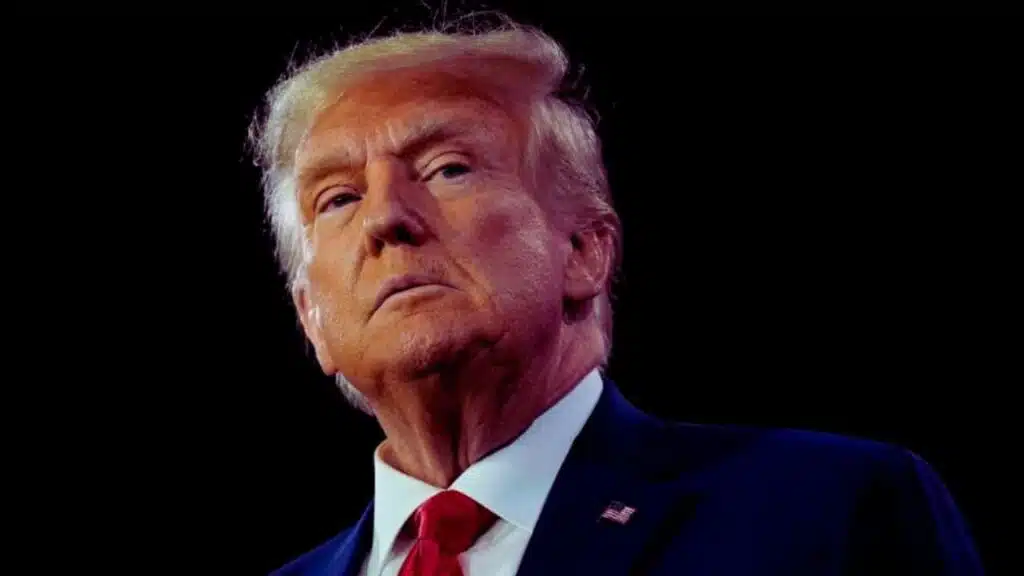
Trump’s YouTube channel, which had more than 2.7 million subscribers, was suspended on January 12, 2021, just days after the attack on the U.S. Capitol. YouTube said the suspension was due to violations of its policies on incitement to violence, citing videos Trump posted after the riot.
The suspension was initially meant to be temporary but became an indefinite ban. For more than two years, Trump was unable to upload videos or interact with his audience through the platform. His team argued that this ban interfered with his political communication, especially as he prepared for future election campaigns.
In the lawsuit, Trump’s legal team claimed that YouTube’s actions amounted to “censorship” and infringed upon his First Amendment rights. Although the First Amendment typically restricts government actions, not private companies, Trump’s lawyers argued that platforms like YouTube have become so central to political discourse that their decisions effectively act as restrictions on free speech.
Previous Settlements With Other Tech Giants
This YouTube settlement follows a series of financial agreements between Trump and other social media platforms that suspended him after January 6:
- Meta Settlement (January 2025): Meta agreed to contribute $22 million toward Trump’s planned presidential library and pay an additional $3 million in legal fees. In return, Trump dropped his lawsuit against Facebook and Instagram.
- X Settlement (February 2025): X (formerly Twitter) reached an agreement to pay about $10 million to Trump, according to reporting from The Wall Street Journal.
With YouTube now settling, all three of the major platforms that suspended Trump in 2021 have reached financial agreements with him.
YouTube’s Position
Google, the parent company of YouTube, has not commented beyond referring reporters to the official court filing. In the filing, YouTube reiterated that the settlement should not be viewed as an admission of guilt. Instead, it stressed that the agreement was made to “avoid prolonged litigation” and to resolve disputes with multiple plaintiffs at once.
It’s worth noting that YouTube reinstated Trump’s account in March 2023, citing the importance of allowing voters to “hear equally from major national candidates in the run-up to an election.” This restoration meant Trump could once again upload campaign ads and speeches on the platform.
Legal and Political Implications
The settlement raises larger questions about:
- Big Tech’s power over speech: The cases highlighted the immense influence companies like Google, Meta, and X have in shaping political discourse. Trump’s team argued that being banned from these platforms amounted to silencing a presidential candidate.
- Future content regulation: By avoiding trials, tech companies sidestepped judicial rulings that might have clarified the limits of their authority to suspend accounts. Critics argue that the lack of precedent leaves similar disputes unresolved.
- Trump’s fundraising and image: By channeling settlement funds toward projects like the White House State Ballroom and his presidential library, Trump has been able to tie these legal victories to his long-term political and legacy goals.
What Comes Next
The court hearing scheduled for October 6, 2025, which was meant to examine the case in more detail, is now expected to be canceled following this settlement.
For Trump, this marks the conclusion of a multi-year legal battle against the tech giants that banned him. For YouTube, Meta, and X, it closes a contentious chapter while preserving their authority to enforce content moderation policies without conceding legal liability.
The Information is Collected from ABC News and CNBC.