Investing is a big deal. These days, this is truer than ever. Trying to decide what investments to make and what we should add to our portfolios can feel almost impossible. At best, it’s overwhelming to think about.
Whether you’re interested in something like real estate, stocks, or precious metals, it’s important to understand what you’re getting into. Today, we’ll be focusing mostly on precious metals. After all, there’s a lot to cover on that front.
For most of us, we might only be aware of gold. That’s the one that gets the most coverage, of course. With that said, there are other types of precious metals that can be worth investing in.
As you may have guessed from the title, we’ll be taking a look at Palladium today.
Otherwise, make sure to stay tuned! Let’s take a look at what it is, how it works, and whether it’s worth adding to a portfolio.
What is Palladium?
As we’ve already established, palladium is a precious metal. It’s number forty-seven on the periodic table. Its symbol is “Pd.”
Something else to note is that it’s considered to be part of the platinum group of metals, also referred to as “PGMs.” You might see it called that while adding it to your portfolio.
For the most part, palladium is known for a few things. It’s got a silvery-white appearance, for one thing. Additionally, it’s resistive to corrosion and has catalytic properties. That’s part of what makes it so popular.
Primary Uses
When we think about it in terms of an investment, we also must think about the things that make palladium valuable. Let’s explore some of the main uses of it. That can give us an idea of why it has value.
It being catalytic makes it widely used in automotive catalytic converters to reduce harmful emissions. This means that it appeals to an international market as well as a domestic one, no matter where you live.
Another use it has is in electronics. It’s used in the manufacturing of electronic components and connectors. Again, you can really see how useful it is all over the world.
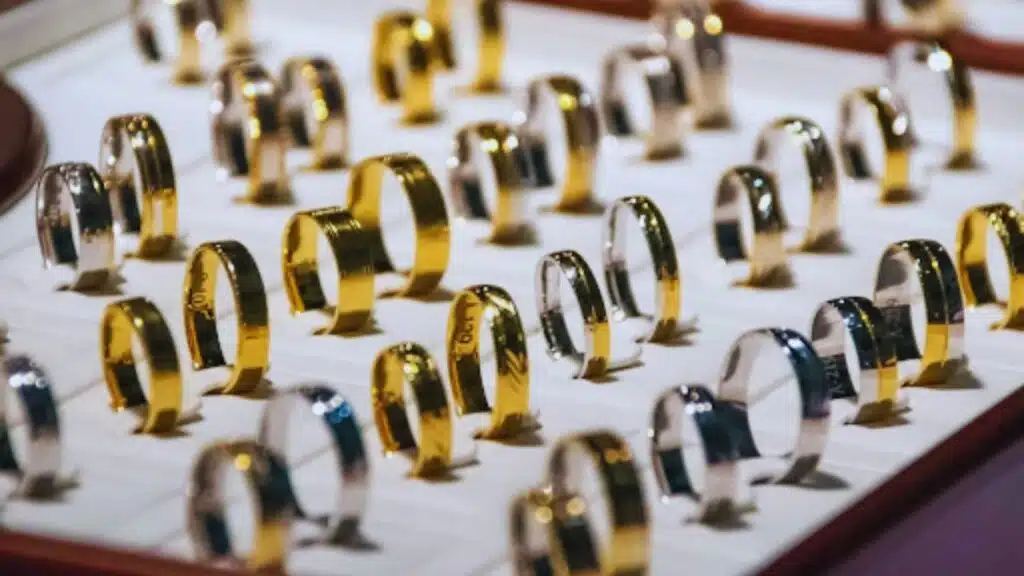
A less practical, but no less important use is in jewelry. Palladium is valued for its attractive appearance and hypoallergenic properties. When you compare palladium vs gold, the hypoallergenic properties make it quite useful in jewelry.
Dentistry is another place where this metal shines (pun intended). You see, that’s because it’s used in dental alloys.
Finally, it can serve as an investment in bullion form. That means it’s traded as a precious metal in financial markets, similar to gold and platinum. Is that worth doing? Let’s discuss.
Investing in Palladium
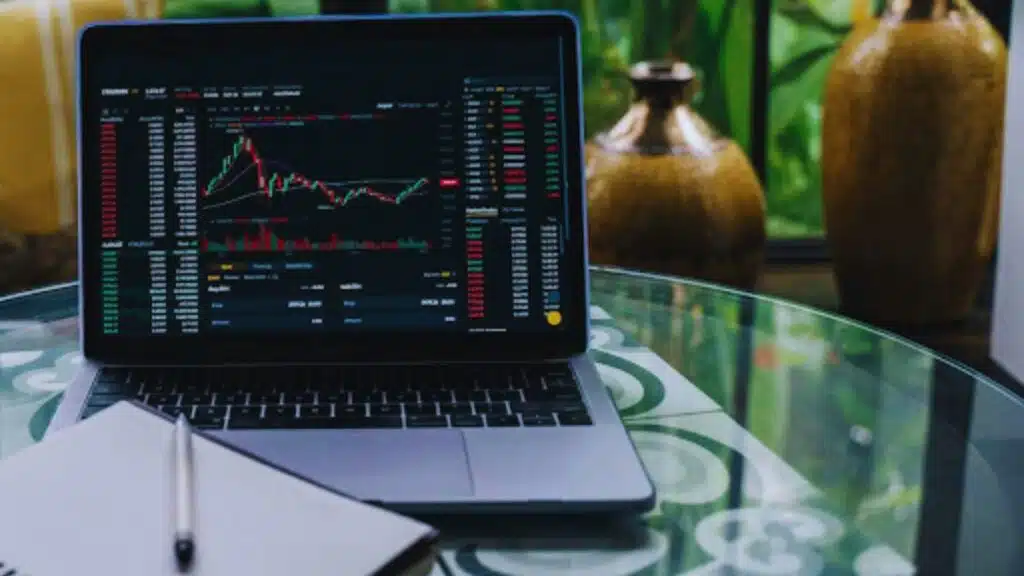
Investing in palladium involves purchasing the metal itself or financial instruments linked to its value. Don’t worry if that sounds overly technical at first. We’ll explain what we mean. Just know that the goal is generally to create returns based on changes in its price.
Physical Palladium
When people talk about getting a bullion of a precious metal, we usually assume they mean gold. That’s not wrong, of course. A lot of people start out with something less intimidating like that.
However, if you’re an experienced investor, or simply know what you want, palladium is also an option. Buying actual bars or coins made of palladium can be done. This requires secure storage and insurance.
The latter part is what scares off some people. However, it doesn’t need to be too daunting. It’s manageable. There are even companies that help investors with that sort of thing. You can also talk to a financial advisor about it.
A less popular option for physical palladium is to get jewelry. It’s less common and mainly for enthusiasts or collectors. Still, if that’s what you’re interested in, it might be worth considering. You can read more about it in this article.
Palladium ETFs (Exchange-Traded Funds)
These are investment funds traded on stock exchanges that hold palladium or palladium-related assets. In that sense, it’s not hard to see that they’re a bit more complicated than just buying bullion. However, they can be worth it in some cases.
Examples include ETFs that track palladium prices. This provides exposure to the asset without requiring physical storage. After all, it’s that need for storage that trips up a lot of investors.
With ETFs, you can add precious metal to your portfolio without all that hassle. It’s definitely a viable option for some folks.
Futures Contracts
These are agreements to buy or sell palladium at a predetermined price on a future date. Most precious metals have this as an option. For the most part, this is suitable for experienced traders.
Why is that? Well, the main reason is that they involve leverage and higher risk. If that isn’t something you’re interested in, that’s okay. Futures contracts are probably not for everyone.
What to Consider When Investing in Palladium

Just as with any asset, there are some things to think about when you decide to make an investment like this. One of the first things to consider is market demand.
How much palladium is needed right now? Is the supply higher than demand, or vice versa? Keep in mind that with this precious metal, it’s mostly driven by the automative industry. After all, as we mentioned, this metal is good for making catalytic converters.
Next is supply risks. Limited mining sources and geopolitical factors can affect availability. Usually, lower availability means it’s worth more. However, that isn’t always the case.
If you’re ever uncertain, you can speak to a trusted advisor. There are also organizations that are dedicated to watching palladium and other precious metal prices. This can also help guide you in the direction you want.
Investing in palladium can be a way to diversify a portfolio. It’s also nice when you think about capitalizing on industrial demand. However, it won’t be for everyone.
It’s considered a higher risk than gold. For some investors, the promise of a higher return is enough to make it appealing!