
Construction sites, by their very nature, are environments fraught with hazards. Despite stringent safety regulations and constant advancements in protective gear, the inherent risks associated with such work remain significant. These risks often manifest in various ways, leading to a spectrum of potential injuries:
| Hazard Category | Examples of Risks and Potential Injuries |
| Falls | Falls from heights, scaffolding, ladders, through openings (fractures, head trauma) |
| Struck-By Incidents | Falling objects, moving vehicles, swinging loads (crushing injuries, blunt force trauma) |
| Caught-In/Between | Trench collapses, machinery pinch points, equipment roll-overs (amputations, suffocation) |
| Electrocution | Contact with power lines, faulty wiring, or energized equipment (burns, cardiac arrest) |
| Overexertion/Repetitive Strain | Heavy lifting, sustained awkward postures (sprains, strains, musculoskeletal disorders) |
What often goes unnoticed, however, is the alarming number of injuries, ranging from seemingly minor sprains to severe fractures and head trauma, that occur on these sites but are never officially recorded. This pervasive underreporting creates a dangerous illusion of safety, masking the true extent of workplace dangers and preventing accurate data collection that could lead to crucial safety improvements.
Fear of Retaliation and Job Loss: A Major Barrier to Reporting
One of the most potent deterrents to reporting a construction site injury is the pervasive fear of retaliation and job loss. In a demanding industry where work can be precarious, many workers operate under the constant apprehension that speaking up will jeopardize their livelihood. This fear isn’t always unfounded; some employers, driven by concerns over increased insurance premiums, potential fines, or a blemished safety record, may subtly or overtly pressure workers to keep quiet.
An injured worker might hesitate to consult an abogado de accidentes de construccion if English isn’t their primary language, even when facing substantial medical bills and lost wages, precisely because they fear being branded a troublemaker and subsequently dismissed or denied future work opportunities.
The unspoken threat of being blacklisted within the industry can be incredibly powerful, leading individuals to endure pain and financial hardship rather than risk their employment. This culture of intimidation stifles transparency and forces workers to make an agonizing choice between their well-being and their ability to provide for their families.
Lack of Awareness and Misunderstanding of Rights
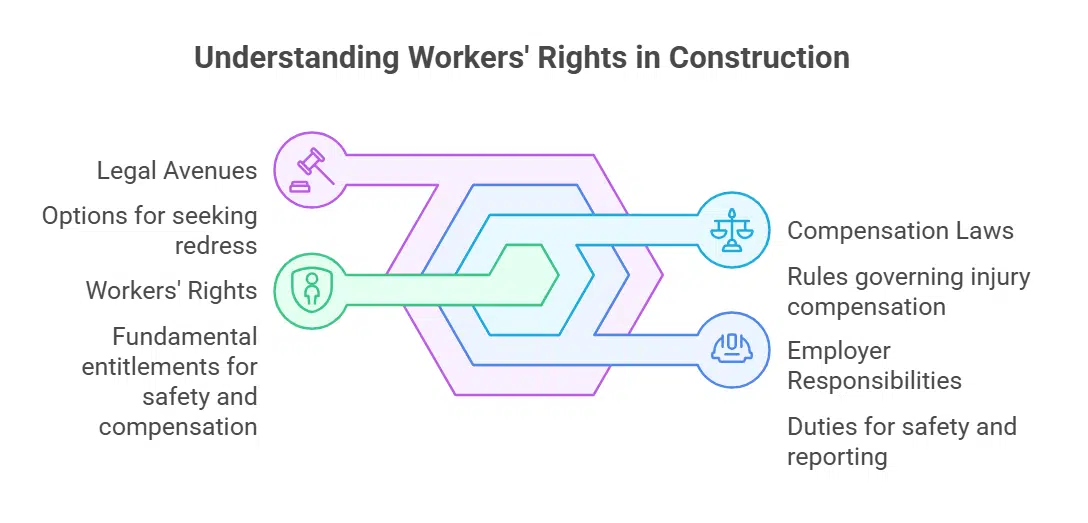
Beyond the fear of direct reprisal, a significant number of construction site injuries go unreported due to a fundamental lack of awareness regarding workers’ rights and the complexities of the legal landscape. Many workers, particularly those from diverse backgrounds or who are new to the construction industry, may not fully comprehend several critical aspects:
- The intricate web of workers’ compensation laws
- Specific employer responsibilities concerning workplace safety and injury reporting
- The legal avenues available for seeking compensation or protection
Language barriers can significantly exacerbate this issue, making it exceedingly difficult for many to access and understand crucial information about reporting procedures and entitlements. Furthermore, employers, whether intentionally or unintentionally, might fail to adequately inform their workforce about the proper channels for injury reporting or even misrepresent the consequences of doing so. This informational void leaves injured individuals feeling isolated and uncertain of how to proceed, often leading them to believe they have no recourse.
Pressure to Maintain Productivity and “Tough It Out”
The relentless pace of construction projects often fosters an environment where productivity is paramount, inadvertently leading workers to suppress injury reports. Schedules are tight, deadlines are unforgiving, and there’s a constant pressure to keep work moving forward. This intense demand can cultivate a “tough it out” mentality, where workers feel compelled to minimize or ignore minor injuries to avoid being seen as slowing down the team or jeopardizing project completion. The financial implications for workers also play a significant role; many fear losing pay for time off due to reporting an injury, especially if they are paid by the hour or if their employment status is less formal. Supervisors, too, may subtly or overtly discourage reporting, driven by the need to meet project milestones and avoid the administrative burden and potential delays that an official injury report might entail. For an injured worker in the Bronx, this pressure to continue working, even in pain, can have severe long-term health consequences. Intervening with a knowledgeable personal injury lawyer in Bronx, NY, is crucial not only to secure immediate medical attention and compensation but also to protect their future earning capacity and overall well-being.
Conclusion
The issue of unreported construction site injuries is a silent crisis with profound implications for workers and the industry as a whole. The confluence of fear, lack of awareness, intense productivity demands, and direct employer discouragement creates an environment where legitimate injuries are often hidden, jeopardizing the health and financial security of those who build our infrastructure. This underreporting not only harms individuals but also distorts accident statistics, hindering efforts to identify systemic safety deficiencies and implement meaningful improvements. Recognizing the critical role abogados de accidentes de construccion at Oresky & Associates PLLC play in this landscape is paramount. By empowering injured workers to speak up and pursue their rights, lawyers help dismantle the culture of silence that pervades many construction sites.