We feel uneasy when someone we admire fights a fierce health battle. You may ask, “what kind of cancer did lizzy musi have?” That question shows how fear grips us when cancer hits close.
Her Cancer Diagnosis was stage 4 triple-negative breast cancer that spread to lymph nodes and liver. This aggressive type limits treatment choices. We will track her medical journey and note early detection tips.
We will share key lessons from her oncology care and her fight for life. Read on.
Key Takeaways
- In April 2023, doctors diagnosed Lizzy Musi with stage 4 triple-negative breast cancer. A biopsy and PET scan showed it had spread to her lymph nodes and liver. This aggressive form makes up 10 to 15 percent of all breast cancers. (Source: article)
- By June 2023, Lizzy began chemotherapy at Medias Klinikum Burghausen. She shared a shaved-head photo, then started regular PET, ultrasound, CT, and MRI scans. In September 2023, scans showed changes in tumor size.
- Lizzy’s dad, Pat Musi, and her partner cared for her at every step. Fans, Sean “Farmtruck” Whitley, and Jeff “AZN” Bennett raised funds and sent care packages. Lizzy passed away on October 28, 2023, at home with family.
- In April 2024, Lizzy posted a Facebook video on warning signs and self-checks for triple-negative breast cancer. She spoke on TODAY.com with Gina Vivinetto, urged early screening, and called for more research into stronger treatments.
Who is Lizzy Musi?
Lizzy Musi rose to fame on the show Street Outlaws, No Prep Kings. She gained national recognition for her fierce competition. She broke gender barriers in drag racing. In 2014 she became the first woman to win a Pro Nitrous title at a national drag racing event.
Fans flock to her Instagram feed for updates.
She won her first event on Street Outlaws in 2023. That victory grew her fan following. Racing community hailed her competitive spirit. Media outlets tracked her rise.
Lizzy Musi’s Cancer Diagnosis
Doctors used a biopsy and PET scan to confirm her stage 4 triple-negative breast cancer. The cancer had metastasized to lymph nodes and liver, so her oncology team began chemotherapy.
Stage 4 Triple-Negative Breast Cancer
Stage 4 triple-negative breast cancer hit Lizzy Musi in April 2023. It acts fast. This form of breast cancer makes up about 10 to 15 percent of all cases. Oncology teams face a tough battle since tumors lack hormone receptors.
Teams use chemotherapy and radiation, but treatment options stay limited.
Symptoms can include swelling, skin changes, nipple discharge, breast or nipple pain, and swollen lymph nodes. Cancer can spread through the lymphatic system to organs like the liver.
Prognosis often runs poorer than with other breast cancer subtypes. Research in oncology labs now hunts new drugs for tougher tumors.
Metastasis to Lymph Nodes and Liver
Cancer cells metastasized to Lizzy’s lymph nodes and liver. Doctors used scans and blood analysis to confirm the spread. Her oncology team called it stage 4 carcinoma. The tumor growth showed serious malignancy that needed urgent chemotherapy.
She felt swelling under her arm and fatigue daily. Medical updates, shared on her social feeds, showed each new liver lesion. She and her partner spoke openly about tests, prognosis, and palliative care.
Fans saw her post videos of treatment sessions, care tips, and honest updates.
Insights into Lizzy Musi’s Medical Journey
A biopsy revealed stage 4 triple negative breast cancer, and she braced for a barrage of interventions. Chemo, radiotherapy and PET scans stacked up fast, and she joked her hospital bracelet matched every drip line.
Timeline of Her Diagnosis and Treatments
Fans first heard her news in April 2023. The diagnosis came as stage 4 triple-negative breast cancer, metastasizing in her lymph nodes and liver.
- April 2023: Lizzy shared her diagnosis on social media, alerting followers to her battle with aggressive cancer.
- May 2023: She underwent PET scan, ultrasound, and magnetic resonance imaging at Medias Klinikum Burghausen to map tumor spread.
- June 2023: Lizzy posted a photo of her shaved head, showing hair loss from chemotherapy, and she made a joke to lighten the mood.
- July 2023: Chemotherapy rounds began, bringing fatigue and nausea, and she updated fans on her emotional journey, seeking support.
- September 2023: Follow-up CT scan results showed shifts in tumor size, prompting hope, tears, and frank posts about her health roller coaster.
- Late 2023: Her final Instagram update from Medias Klinikum Burghausen brought good lab news, sparking cheers and solidarity across her community.
Challenges of Fighting an Aggressive Cancer
Doctors call triple negative breast cancer, stage 4, in her early 30s, an immediate threat. It spread from her breast to lymph nodes and liver. Oncologists watch rapid progression with an imaging scanner and blood test.
Treatment options remain scarce, so they use aggressive chemotherapy. Each session triggers side effects, like nausea, fatigue, and hair loss. The tumor growth demands swift action.
She tracked changes via a tissue sampling device.
Hair loss from chemo shook her self image. She felt mixed emotions about each strand that fell. The psychological impact ran deep, stirring anxiety and sorrow. She joined counseling for emotional health support.
Peer groups offered real talk and coping tips. She logged progress in therapy apps. Her fight showed how aggressive disease tests mind and body.
The Role of Support in Lizzy Musi’s Battle
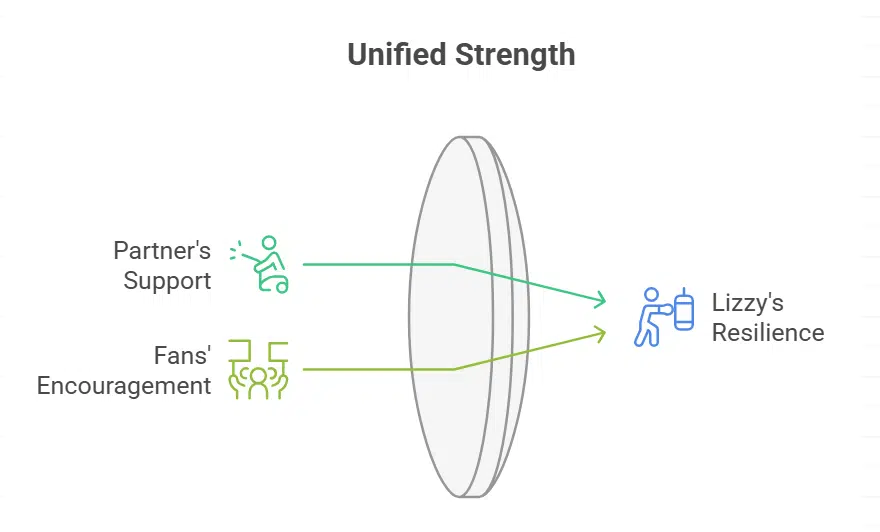
Her partner booked telehealth checkups, handled the infusion pump settings, and kept her spirits high, like a coach on the sideline.
Fans rallied on a crowdfunding platform, flooding her inbox with hope, proof that no boxer fights alone in this ring.
Family and Partner’s Support
Pat Musi, Lizzy’s dad, stood by her side in every battle. He carried messages for her fans, spoke to doctors, and confirmed her passing on October 28, 2023. Lizzy took her last breath at her house, with family close by, lending strength and love.
A partner offered calm talks and gentle smiles even on bleak mornings. He fussed over blankets, brewed warm tea, and cracked jokes to spark a laugh. Their bond formed a shield of care, unity, and comfort against deep grief.
Community and Fan Contributions
Racing community and fans rallied around her illness. They sent cards, care packages and virtual hugs on social media. Sean “Farmtruck” Whitley and Jeff “AZN” Bennett released a joint statement.
They mourned her loss with warm words and praised her fierce spirit. Contributions flowed into a fundraiser page and helped ease her medical bills.
Her updates inspired a wave of posts in public forums. Friends and colleagues shared personal tributes and even cracked racing jokes to lift spirits. Partners, families and crew joined a virtual meet and spread the word on Triple-Negative Breast Cancer.
This outpouring of support turned her journey into a rallying cry across the racing world.
Awareness and Advocacy Inspired by Lizzy Musi
Lizzy’s awareness campaign shines a light on triple-negative breast cancer. It rallies fans, oncology groups, and support networks to spark real change.
Importance of Early Detection and Education
Her public battle shone a spotlight on the critical role of breast exams and breast X-ray tests. A Facebook video in April 2024 let her share warning signs and symptoms of triple-negative breast cancer.
Aggressive tumors can spread to lymph nodes and liver before a doctor sees them. Early checks, like self-checks and breast scans, can catch small lumps. Advocacy groups can boost screening rates, and awareness and education can spark faster diagnoses.
Her story acts as a teaching moment for readers and clinics. Workshops on symptom checks and tool use can boost early detection. Health centers can share aggressive disease signs through checklists and videos.
More education can lead to faster treatment and stronger support.
Raising Awareness for Triple-Negative Breast Cancer
She drew focus to raising awareness for triple-negative breast cancer. Her story hit home on TODAY.com with Gina Vivinetto. That cancer type impacts 10 percent to 15 percent of breast cancer patients.
It spreads fast and offers few treatment options. Her case sparked calls for more research.
Lizzy called on doctors, fans, and community for patient support. She rallied charities and sent out health education posts. That push drove media coverage and boosted visibility. It helped spark advocacy for faster, smarter treatment research.
Takeaways
Lizzy faced stage 4 breast cancer with fierce will. Cells spread fast to lymph nodes and liver. She shared updates on a social platform as chemo, immune therapy, and scans guided her steps.
Fans and family stood by in the medical facility and online. This fight shines light on the need for early screening and stronger tools in oncology. That journey carries hope for patients and caregivers everywhere.
To learn more about the remarkable journey and triumphs of Lizzy Musi, visit Who is Lizzy Musi?.
FAQs
1. What type of cancer did Lizzy Musi have?
She had bone cancer. It hit her knee, but she never lost her fight.
2. How did Lizzy Musi learn about her cancer?
She felt sharp pain, saw a doctor, then got scans. The news hit her like a ton of bricks. Scans showed bone cancer.
3. How did Lizzy Musi handle her battle?
She fought like a champ. She leaned on friends and used humor to keep going.
4. What insights can we gain from Lizzy Musi’s journey?
Her story shows us to listen to our bodies and lean on our crew. It tells us to keep hope alive.