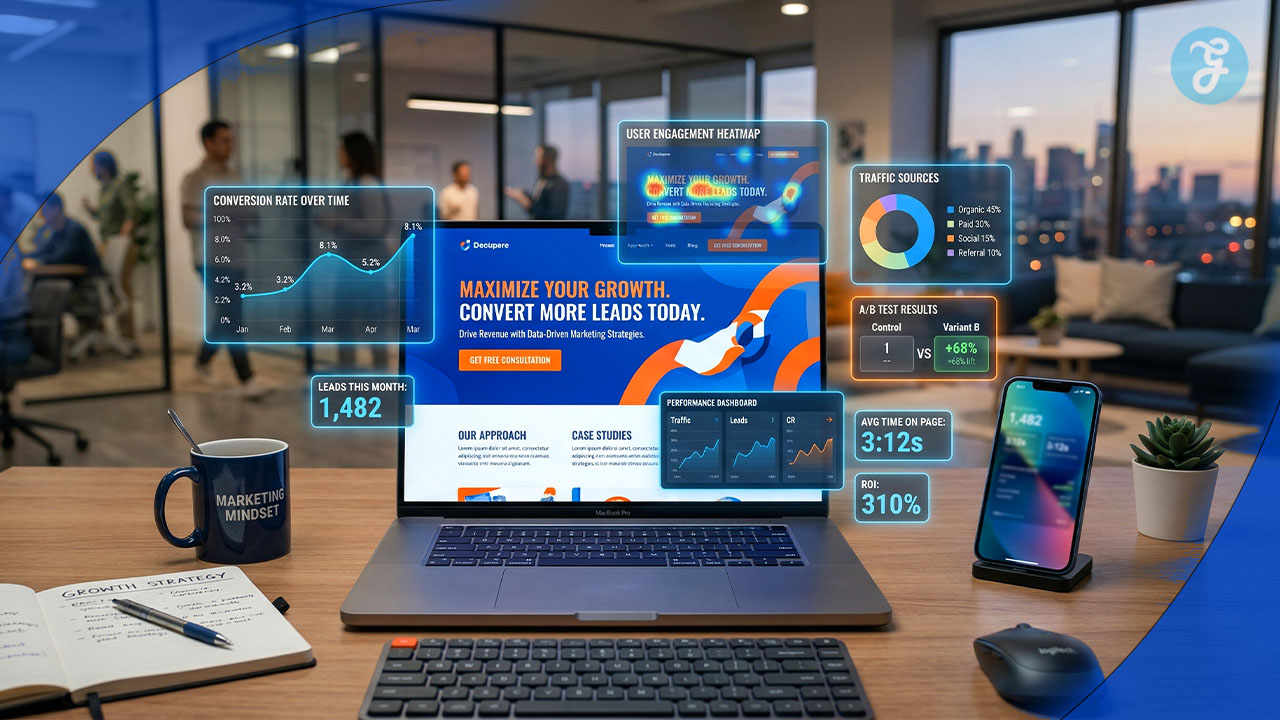
User-centric design, sometimes referred to as user-centered design, is an approach to design that places users at the center of its efforts. For instance, user-centric design applies input and feedback from users to make informed design decision. This concept also focuses on understanding the needs of users, their environment, and their respective tasks. Additionally, user-centric design continually assesses user feedback, data, and input while iteratively improving processes over time. The principles of user-centric design can be applied in various business processes and design principles. Companies like Helloivy.co apply user-centric design in project planning.
Application of User-Centric Design in Project Planning
User-centric design is important in making decisions for project planning. It is usually based on components like discoverability and understanding. In user-centric project planning, it all starts with the user. A project planner or manager has to start by understanding the needs of users, why a project should exist, and how users will benefit from it. Firstly, it focuses on the significance of users understanding a project, why it exists, and how it works. To achieve this, a concrete checklist of the project design is laid out and users are at the center of it all. This post will focus on the application of user-centric design in project planning.
The process of user-centric design
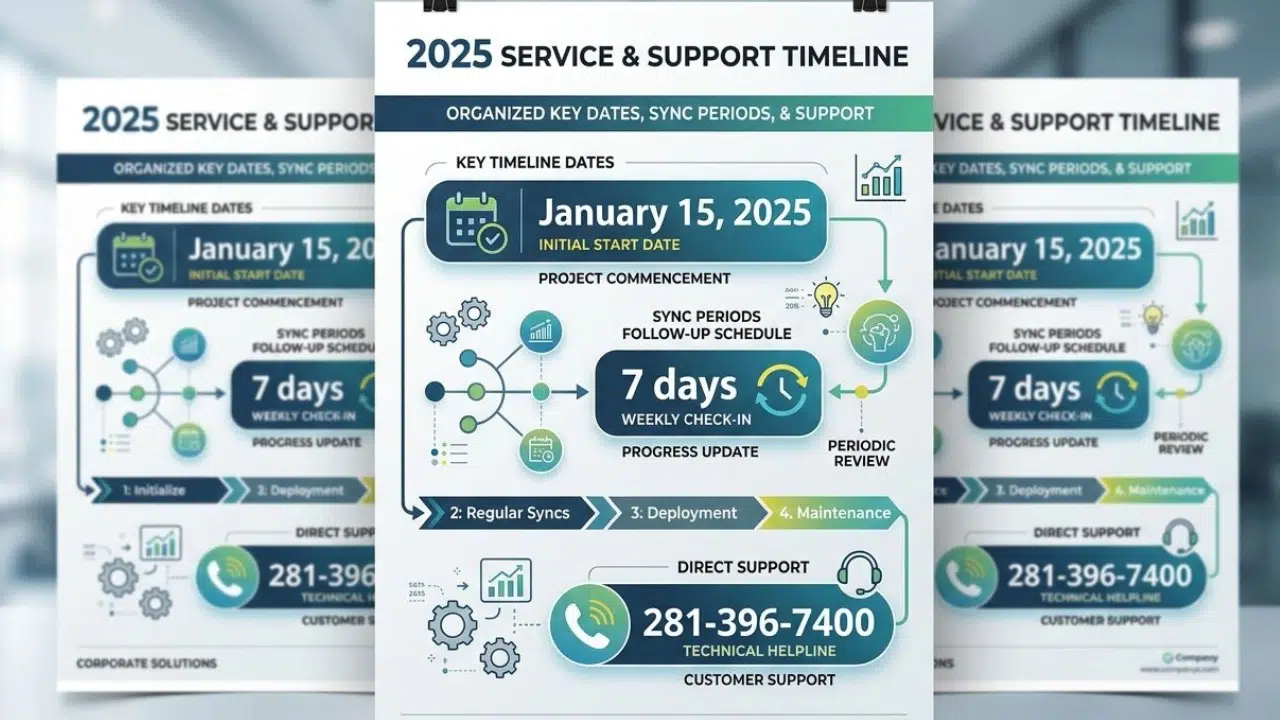
User-centric design usually begins with planning. This is where you create a direction, come up with a team, and set up a strategy for the process. The next step is usually the analysis. This involves understanding the existing product or process. It also involves understanding users and setting goals for the process. Next, there is the design process where the information gathered in the analysis step is incorporated into creating a new version of a product or process. Finally, there is the testing stage. It involves usability testing and implementation. It also involves refinement of the product or process where it is necessary.
The process of user-centric project planning includes the following phases:
- Specifying the use context – this phase involves specifying the needs of the users and how they would benefit from the project
- Specifying business requirements – this is where the business or persons behind the project have to specify their requirements for the project
- Building design solutions – this is where the planning happens. It starts from a rough conception of an idea to coming up with a complete plan for accomplishing the idea. This is the core of the process.
- Evaluating the design – this is where tests are done to make sure that the design is usab,e or the plans for the project are accomplishable.
- Implementation – this is where all the plans for the projects are implemented. Some changes may have to be made to make the process smoother where necessary and depending on the challenges met in the process.
- Deployment – this phase involves the deployment of the final product as the needs of the users and the parties involved change.
The benefits of user-centric project planning
This approach to project planning offers several benefits. Let us discuss some of the benefits below:
It helps avoid common mistakes
Employing user-centric design helps you avoid common mistakes in project planning. The process of planning a project is usually hectic and how the process is handled will affect its success. So, any mistakes made during project planning can lead to significant issues in the accomplishment of the project. So, user-centric project planning can help mitigate these issues. Some of the common mistakes that user-centric project planning can avoid are:
- Setting unrealistic goals for projects
- Making inaccurate estimates of the resources needed when completing a project
- Defining system requirements for a project badly
- Incorrect and poor reporting of the status of a project
- Poor communication among the participants in the project, like customers, developers, and all users
- Inability to handle the complexity of a project
- Poor development practices and project management
- Failure to mitigate or manage the risks in the process of completing a project
- Commercial and political pressures
Improved project performance
By eliminating the issues associated with project planning and common mistakes, user-centric design can improve the performance of a project. It reduces number of user errors, improved ease of learning, and better project planning decisions.
Improved credibility
User-centric project planning improves the credibility of a project by increasing user satisfaction. It also increases trust in the system and the overall satisfaction in the project.
Reduced resource burden
User-centric project planning helps reduce development costs, time, maintenance costs, and the training needed for accomplishing a project. It also reduces redesign, support, and documentation costs.