
Surviving a car crash is an immediate, visceral experience, often marked by the overwhelming rush of adrenaline, the jarring impact, and the sudden quiet that follows the chaos. Yet, the physical wreckage is only the visible manifestation of a deeper, more profound disruption. For victims, the journey truly begins after the collision, extending into weeks, months, and sometimes years of physical recovery, emotional healing, and navigating complex bureaucratic systems. In this vulnerable period, the need for steadfast support becomes paramount. This article explores the vital assistance and specific qualities that car accident victims have identified as most crucial from their legal representatives, revealing that their needs extend far beyond mere legal technicalities to encompass clear communication, genuine empathy, and unwavering advocacy.
Clarity Amidst Chaos: The Need for Clear Communication
In the disorienting aftermath of a car accident, victims often find themselves plunged into a world of unfamiliar terms, complex procedures, and conflicting advice. This is a time when clarity becomes a lifeline. What crash victims consistently emphasize is the profound importance of their lawyer’s ability to explain the legal process in straightforward, accessible language, free of jargon.
Victims consistently need their lawyer to provide:
- Clear explanations of the legal process
- Regular updates on their case’s progress
- Accessibility for their questions and concerns
- Simple, easy-to-understand language
- Reassurance that their case is moving forward
Transparent communication acts as a powerful antidote to anxiety, fostering a sense of control and reducing the feeling of being adrift. When attorneys demystify the legal journey and maintain open lines of dialogue, they build invaluable trust, transforming a bewildering experience into a manageable, albeit challenging, path forward.
Empathy and Understanding: Beyond the Case File
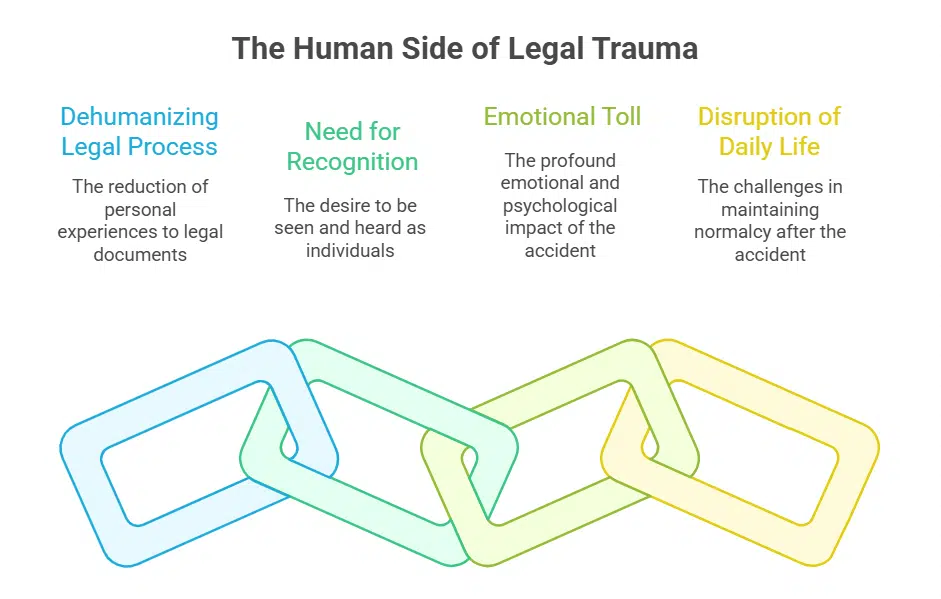
For individuals reeling from the trauma of a car accident, the legal process can feel dehumanizing, reducing their profound personal experience to a mere collection of documents and medical codes. Victims consistently express a deep need to be seen and heard as individuals, not simply as another case file. They seek a lawyer who genuinely acknowledges the immense emotional and psychological toll the accident has taken—the sleepless nights, the lingering anxieties, the disruption of daily life.
| Victim Needs | Lawyer Qualities | Benefits to the Victim |
| To feel seen and heard | Genuine acknowledgment of suffering | Reduced isolation, validated experience |
| Acknowledgment of emotional toll | Compassionate approach | Builds trust, fosters open communication |
| Understanding of the psychological impact | Holistic perspective | Focus on well-being, not just legal outcome |
A truly compassionate approach from legal counsel extends beyond professional courtesy; it validates their suffering and builds a foundation of trust that is vital when discussing sensitive details. When attorneys demonstrate empathy, it mitigates feelings of isolation and reassures victims that their lawyer is not just fighting for a favorable outcome, but genuinely cares about their holistic well-being and recovery.
Beyond emotional support and clear communication, crash victims profoundly value a lawyer’s expert ability to navigate the intricate legal and bureaucratic maze that follows an accident. This means relying on their counsel’s deep understanding of personal injury law, their familiarity with local court procedures, and their adeptness at confronting the often-aggressive tactics of insurance companies. Victims need a legal professional who can confidently manage medical billing complexities, negotiate liens, and address liability disputes with precision. Whether it involves identifying all responsible parties, understanding obscure traffic laws, or interpreting complex medical prognoses, the expertise to handle these multifaceted challenges is crucial. Many victims express immense relief when they realize that lawyers in Indiana demonstrate this essential skill, competently guiding them through every unforeseen twist and turn of the legal process, effectively alleviating a significant portion of their burden.
Strategic Guidance: Planning for the Long Term
Beyond securing an immediate settlement, crash victims often look to their legal counsel for strategic guidance that considers their long-term well-being. This involves understanding the broader implications of various legal outcomes and how a settlement or judgment might impact their future medical needs, financial stability, and overall quality of life.
Planning for the Long Term: A Guide
- Managing Lump-Sum Payments: Learn how to responsibly invest or allocate a large sum of money to cover ongoing and future expenses without depleting it too quickly.
- Understanding Structured Settlements: Explore the benefits and drawbacks of receiving payments over time, which can provide long-term financial security and tax advantages.
- Navigating Tax Implications: Get advice on potential tax liabilities associated with your settlement and strategies to minimize them.
- Government Benefit Interactions: Understand how a settlement might affect eligibility for government benefits like Social Security Disability or Medicare/Medicaid.
- Future Medical Needs: Work with your attorney to estimate and plan for the costs of long-term care, therapies, medications, and potential surgeries.
A holistic approach from their attorney, such as a car accident lawyer in Indianapolis, ensures that the compensation received truly serves their ongoing needs rather than just addressing immediate expenses. This forward-thinking counsel can include connecting clients with financial planners or outlining pathways for continued medical care, offering a crucial layer of support that extends well beyond the courtroom and into their new normal.
Conclusion
The path following a car crash is undeniably challenging, marked by physical pain, emotional distress, and financial uncertainty. Victims consistently share that amidst this upheaval, a lawyer’s role extends far beyond merely navigating legal technicalities. What truly makes a difference is a partnership built on clarity, empathy, expertise, and tenacious advocacy. The right legal representation becomes an indispensable ally, transforming a period of vulnerability into one of supported recovery and determined pursuit of justice. By choosing a legal professional who embodies these vital qualities, crash victims can secure the necessary resources for healing and rebuild their lives with confidence, knowing they have a steadfast champion by their side.