Collins Dictionary, a leading authority on the English language, has announced “vibe coding” as its Word of the Year for 2025, spotlighting the rapid integration of artificial intelligence into everyday creative processes. This two-word term encapsulates a transformative approach to software development, where users leverage AI to convert casual, natural language descriptions into functional computer code, often without needing deep technical expertise. The selection draws from the Collins Corpus, a massive 24-billion-word database compiled by lexicographers in Glasgow and London, which tracks language usage across diverse sources like newspapers, social media, books, broadcasts, and online conversations. This corpus helps identify words that not only gain popularity but also mirror broader societal shifts, ensuring the choice reflects authentic linguistic evolution rather than fleeting trends.
The process behind Collins’ Word of the Year is meticulous and collaborative, involving a team of lexicographers, editors, marketers, and publicists who analyze frequency, context, and cultural resonance. Unlike some dictionaries that rely heavily on public votes, Collins emphasizes data-driven insights from their proprietary corpus, which has grown to include billions of real-world examples since the tradition began in 2013. For 2025, “vibe coding” stood out due to its explosive growth—usage spiked dramatically after its introduction in February, appearing in tech forums, media reports, and developer discussions worldwide. This marks a continuation of Collins’ focus on technology’s influence on language, building on previous years’ selections that highlighted digital innovation and global challenges.
Understanding Vibe Coding: A Breakdown of the Concept
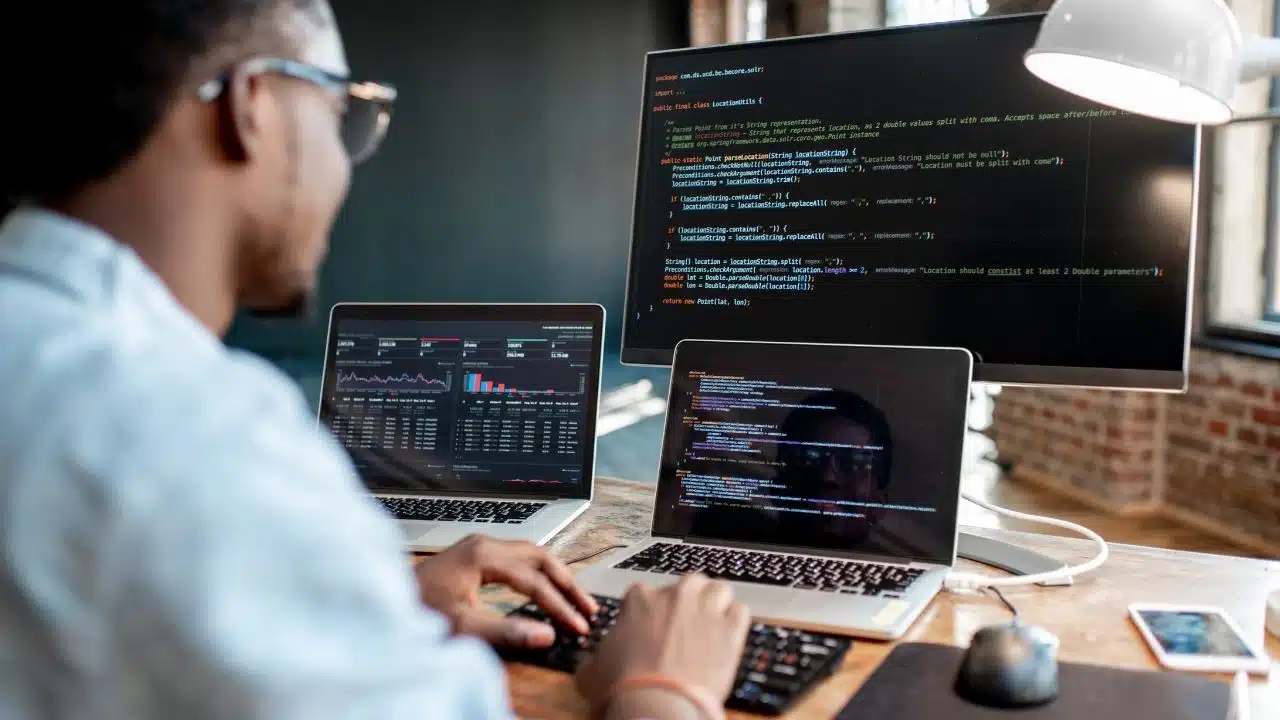
At its core, vibe coding represents a relaxed, intuitive method of programming where AI acts as a collaborative partner, interpreting vague or “vibey” prompts to generate code. Imagine describing an app idea in everyday terms—like “create a simple recipe recommender that suggests meals based on fridge ingredients”—and having AI tools such as ChatGPT, Cursor, or GitHub Copilot produce the working script, complete with debugging and refinements. This eliminates the need for syntax mastery or boilerplate code, allowing creators to prioritize vision over mechanics. Collins officially defines it as “the use of artificial intelligence prompted by natural language to assist with the writing of computer code,” emphasizing how it democratizes development for artists, writers, entrepreneurs, and hobbyists who might otherwise avoid coding altogether.
The term was popularized by Andrej Karpathy, a renowned AI pioneer whose career spans groundbreaking roles: he served as Tesla’s senior director of AI and computer vision from 2017 to 2022, contributing to Autopilot advancements, and earlier as a founding member of OpenAI, where he helped develop early large language models. In a February 2025 Twitter thread (now X), Karpathy described vibe coding as “fully giving in to the vibes” during a weekend project, where he used AI to build MenuGen, an app that generates restaurant menus via voice prompts and iterative feedback. He explained how this flow state lets users forget “that the code even exists,” focusing instead on high-level guidance while AI handles implementation details like error correction and optimization. This approach echoes Karpathy’s 2023 TED talk, where he predicted that “English is the new programming language,” a foresight now materializing through accessible AI interfaces.
Practically, vibe coding thrives in low-stakes environments like prototyping or personal tools. For instance, non-coders have used it to whip up custom websites, data visualizers, or even games by chaining prompts—starting broad and narrowing via follow-ups like “add user login” or “make it mobile-friendly.” Tools supporting this include Replit’s AI features or Anthropic’s Claude, which allow real-time code execution and explanation. However, it’s not without caveats the AI-generated code can introduce subtle bugs, inefficiencies, or vulnerabilities if not reviewed, particularly in production-scale applications. Security experts warn that over-reliance might expose sensitive data, as seen in early 2025 reports of vibe-coded prototypes leaking API keys due to hasty iterations. Despite these risks, proponents argue it fosters innovation by lowering entry barriers, with surveys from platforms like Stack Overflow showing a 40% uptick in AI-assisted projects among beginners since mid-2024.
The Significance of ‘Vibe Coding’ in 2025’s Linguistic Landscape
Choosing “vibe coding” as Word of the Year underscores 2025’s theme of AI-human symbiosis, where technology amplifies creativity rather than replacing it. Collins Managing Director Alex Beecroft highlighted this in the announcement, stating, “The selection of ‘vibe coding’ as Collins’ Word of the Year perfectly captures how language is evolving alongside technology. It signals a major shift in software development, where AI is making coding more accessible.” He further elaborated that this seamless blend of human intuition and machine precision is redefining computer interactions, turning rigid programming into a conversational art form. Beecroft’s comments align with industry reports from MIT Technology Review, which noted vibe coding’s role in accelerating indie app development amid a post-2024 AI boom, fueled by models like GPT-5 and open-source alternatives.
This evolution ties into broader 2025 trends: AI adoption surged in creative industries, with tools enabling non-technical teams to build MVPs (minimum viable products) in hours rather than weeks. Educational platforms like freeCodeCamp have incorporated vibe coding tutorials, reporting doubled enrollment as learners experiment with prompts to solve real-world problems, from budgeting apps to environmental trackers. Yet, it also sparks debates on skill dilution—traditional coders worry it undervalues foundational knowledge, while ethicists question AI’s opaque decision-making in code generation. Collins’ corpus data reveals “vibe coding” not just in tech silos but in lifestyle media, where it’s praised for empowering solopreneurs and side-hustlers in a gig economy strained by automation. Overall, the word symbolizes optimism: a year where language bridges the gap between idea and execution, making digital creation as natural as chatting.
The 2025 Shortlist: Words Reflecting the Year’s Pulse
Collins’ shortlist of 10 words was curated to capture 2025’s multifaceted mood—from tech enthusiasm and wellness pursuits to social ironies and environmental adaptations. Drawn from corpus analysis, these terms show overlaps with other dictionaries like Dictionary.com, indicating global linguistic convergence. Each was evaluated for usage spikes, semantic shifts, and cultural impact, revealing a society grappling with AI’s promise and pitfalls alongside personal reinvention.
- Aura farming: Intentionally crafting an online or personal brand to exude charisma and uniqueness, often through curated social media aesthetics or storytelling. This practice gained traction in influencer culture, helping individuals differentiate in oversaturated digital spaces.
- Biohacking: Experimenting with biology via supplements, wearables, or gene editing to enhance physical and mental performance, like optimizing sleep with nootropics or tracking biomarkers for longevity. Popularized in wellness communities, it blends science with self-experimentation but raises safety concerns from unregulated methods.
- Broligarchy: A portmanteau of “bro” and “oligarchy,” denoting a network of affluent, often tech-savvy men wielding outsized influence in policy and business. Coined amid 2025 antitrust probes into Silicon Valley giants, it critiques informal power structures in venture capital and lobbying.
- Clanker: Derogatory slang for malfunctioning or intrusive AI devices and robots, borrowed from Star Wars lore where it mocks battle droids. Its 2025 rise coincides with consumer frustrations over glitchy smart home tech and autonomous vehicles.
- Coolcation: Travel to temperate destinations to escape rising global temperatures, such as retreats to Nordic fjords or mountain lodges. Driven by climate awareness, bookings for these escapes jumped 25% per travel data, prioritizing sustainability over sun-soaked beaches.
- Glaze: Excessive, unearned compliments aimed at manipulation or social climbing, like hyping a colleague’s idea to gain favor. This term exploded in workplace discourse, highlighting performative positivity in hybrid office cultures.
- HENRY: Acronym for “High Earner, Not Rich Yet,” describing professionals with six-figure salaries but limited net worth due to urban living costs and debt. Financial advisors in 2025 used it to target advice on wealth-building amid inflation pressures.
- Micro-retirement: Brief sabbaticals from work—weeks or months—to pursue passions like volunteering or skill-building, without quitting entirely. This flexible model appeals to burnout-weary millennials, supported by policies in forward-thinking companies like remote-first startups.
- Taskmasking: Faking busyness at work through superficial activities, such as endless email refreshes, to evade scrutiny. It critiques remote work’s visibility challenges, with HR studies linking it to declining productivity in post-pandemic offices.
These entries paint a nuanced portrait of 2025 innovative yet cautious, personal yet interconnected, with AI threads weaving through many.
A Historical Journey Through Collins’ Words of the Year
Since launching the Word of the Year in 2013, Collins has chronicled language as a barometer of change, with selections evolving from economic woes to digital revolutions. The process starts with corpus mining for candidates, followed by team debates on relevance, often incorporating public feedback via social channels. This archival role provides a timeline of collective experiences, from resilience in crises to excitement in breakthroughs.
- 2024: Brat – Reclaimed by British singer Charli XCX’s album, it evolved from a negative label to embody unapologetic confidence, hedonism, and independence. Usage soared in fashion and music scenes, symbolizing youthful rebellion against polished perfection.
- 2023: AI – The shorthand for artificial intelligence, chosen after a fourfold usage increase, reflecting its permeation into ethics debates, job markets, and daily apps. Collins noted over 600 million corpus mentions, underscoring AI’s role in reshaping industries.
- 2022: Permacrisis – Coined for prolonged uncertainty, like supply chain disruptions and geopolitical tensions, it captured a sense of endless instability. The term’s debut in political speeches highlighted fatigue from back-to-back global events.
- 2021: NFT – Non-Fungible Tokens, blockchain-based digital collectibles, exploded in art and gaming, with sales hitting billions. It represented the metaverse’s rise and questions over virtual ownership’s value.
- 2020: Lockdown – Defined as severe restrictions on movement during COVID-19, it entered lexicon amid quarantines worldwide, evoking isolation’s shared hardship and adaptation to virtual life.
“Vibe coding” extends this legacy, bridging 2023’s AI foundation with 2025’s practical applications, affirming language’s adaptability to progress.