The UK high street comeback brands story isn’t about shoppers suddenly “going back to how it was.” It’s about retailers rebuilding smarter, opening the right stores, in the right places, with the right reasons to visit. Even as overall footfall remains pressured, a growing group of names are proving that physical retail can still win when it’s experience-led, omnichannel-ready, and tightly focused on what customers actually do in town centres.
What follows is a practical, reader-friendly look at the brands pushing against the trend, plus what their return tells us about the next chapter of UK high street recovery heading into 2026.
Key Takeaways
-
The success of UK high street comeback brands shows that physical retail is evolving, not disappearing.
-
Falling footfall has reshaped shopping behaviour, pushing demand toward prime locations and experience-led destinations.
-
Comeback brands prioritise fewer, better-positioned stores rather than large national rollouts.
-
Experience, service, and community engagement are now essential drivers of in-store visits.
-
Strong omnichannel integration allows physical stores to support online growth instead of competing with it.
-
Brand trust, familiarity, and emotional connection play a major role in attracting cautious consumers.
-
The future of the UK high street depends on strategic reinvestment and sustainable retail models, not a return to pre-digital norms.
Why the Footfall Slump Hasn’t Killed the High Street, and What a “Comeback Brand” Looks Like Now
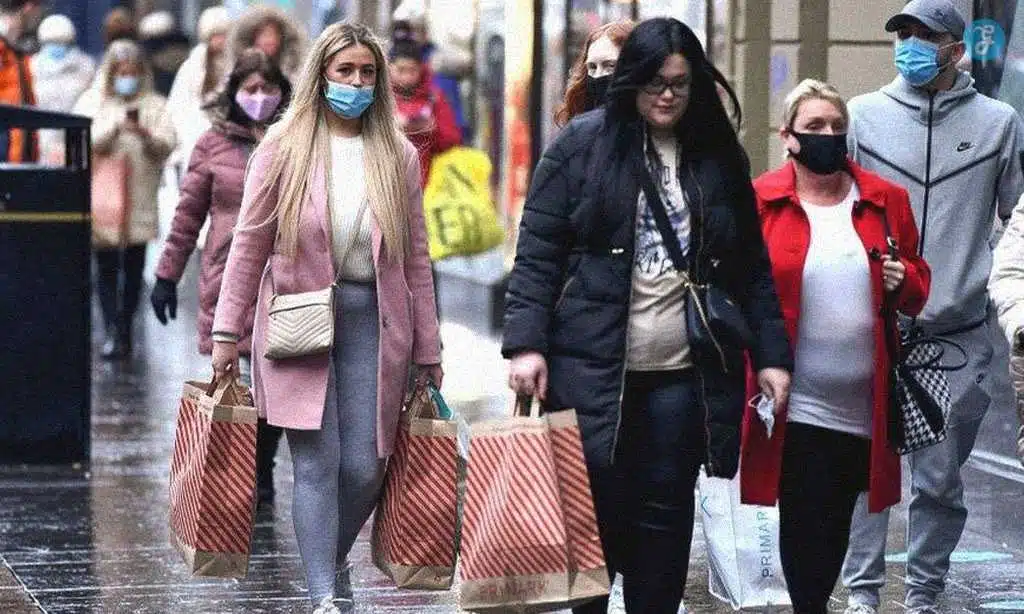
Despite repeated headlines predicting the end of physical retail, the reality on the ground tells a more nuanced story. The UK high street comeback brands gaining traction today are not defying footfall decline by accident—they are responding to a structural shift in how, why, and where people shop.
Footfall has fallen in many secondary locations, largely due to remote work patterns, rising living costs, and the long-term convenience of e-commerce. However, lower overall footfall does not automatically translate into lower demand. Instead, demand has been redistributed.
This redistribution explains why the high street hasn’t been killed—it has been compressed and refined. Prime streets, flagship locations, and mixed-use centres are outperforming weaker areas, while experiential, value-led, and service-oriented retail continues to pull consistent visitors.
Crucially, physical stores now play a broader role than pure sales. They function as brand showcases, fulfilment hubs, return points, discovery spaces, and social destinations. For many retailers, a well-placed store improves online conversion and customer loyalty rather than competing with digital channels. This is why, even during a footfall slump, the smartest operators are choosing to reinvest in bricks-and-mortar rather than abandon it.
The New Anatomy of a High Street Comeback Brand
A modern comeback brand looks very different from the expansion-heavy chains of the past. The UK high street comeback brands succeeding today share a clear set of strategic traits that align with today’s consumer behaviour and economic reality.
1. Comeback brands prioritise quality of location over quantity of stores. Instead of reopening dozens of sites, they focus on a small number of high-impact locations—flagship high streets, dominant shopping centres, or retail hubs with proven footfall resilience. This approach reduces risk while maximising visibility and brand reinforcement.
2. Stores are designed with a clear reason to visit. Experience is no longer optional. Successful comeback brands build spaces around discovery, community, expertise, and convenience. Whether it’s beauty consultations, vinyl browsing, curated fashion edits, dining experiences, or in-store events, the store must offer something that can’t be replicated online.
3. Comeback brands operate with a true omnichannel mindset. Physical stores are tightly integrated with digital platforms through click-and-collect, local stock visibility, easy returns, in-store ordering, and rapid fulfilment. The store supports online growth rather than competing with it, turning footfall into a multiplier rather than a single metric.
4. Brand equity matters more than ever. Many comeback brands succeed because they carry trust, familiarity, or emotional resonance—from nostalgia and heritage to cultural relevance or strong community identity. In a cautious spending environment, shoppers gravitate toward brands they already recognise and believe in.
5. Financial discipline underpins every successful return. Post-administration or post-restructuring brands reopen with leaner cost bases, shorter leases, flexible formats, and data-led decision-making. The goal is sustainable presence, not rapid saturation.
12 High Street Comebacks Defying the UK Retail Slump
Below are twelve of the most visible UK high street comeback brands and what makes their momentum different.
1) IKEA: Big-city flagship retail, reimagined
IKEA’s high-street play isn’t about replicating the out-of-town warehouse. It’s about convenience, inspiration, and services—room sets, planning, curated ranges, and easy fulfilment. This kind of store becomes a destination rather than just a place to pick up furniture.
Why it’s beating the slump: urban relevance + showroom theatre + omnichannel fulfilment.
2) Wilko: A familiar name returning in new form
Wilko’s return is a reminder that value retail still pulls crowds—especially when it’s anchored around household essentials. The comeback narrative is powered by brand memory, practical pricing, and a format that can flex between high street and larger footprints.
Why it’s beating the slump: nostalgia + utility + strong “needs-based” product mix.
3) HMV: Physical retail built for fandom and discovery
HMV’s comeback is a masterclass in experience-led retail. Vinyl, collectibles, exclusives, signings, and community energy transform stores into cultural spaces. That’s a strong antidote to footfall decline, because it creates reasons to go in-person.
Why it’s beating the slump: community + exclusives + “you can’t stream this vibe.”
4) The Body Shop: Turnaround energy and a tighter footprint
The Body Shop’s story shows how a legacy brand can regain stability when it refocuses. The high street still works for beauty when it delivers: discovery, gifting, refills, staff expertise, and fast access to trusted staples.
Why it’s beating the slump: trust + gifting + repeat purchase behaviour.
5) Topshop: High street return without the old risks
Topshop’s modern comeback leans into partnerships and curated physical presence rather than rebuilding hundreds of standalone stores. This approach captures attention, tests demand, and uses established retail environments to scale faster.
Why it’s beating the slump: brand heat + controlled rollout + built-in footfall via partners (with 2026 expansion signalling confidence).
6) Ted Baker: A planned return with a cleaner slate
Ted Baker’s comeback talk points to a common post-administration strategy: reset the brand, re-enter with fewer stores, and aim for premium locations that reinforce identity. The point isn’t mass expansion—it’s the right storefront statement.
Why it’s beating the slump: “new chapter” positioning + selective physical presence (targeted into 2026).
7) Jamie’s Italian: Restaurants returning as high-street anchors
Food-led destinations are one of the strongest footfall drivers. The planned Jamie’s Italian return taps into a proven high-street reality: people still travel for experiences, celebrations, and social time—especially when brands feel familiar.
Why it’s beating the slump: dining is footfall fuel + strong brand recognition (relaunch expected in 2026).
8) Matches: Luxury reboot and the return of curated retail
The luxury sector has faced turbulence, but a relaunch can work when it’s based on curation, trust, and a distinct point of view. If executed well, a premium comeback can pull attention far beyond its store count.
Why it’s beating the slump: scarcity + editorial curation + fresh investment narrative (relaunch planned for 2026).
9) Tapi: Turning empty big boxes into reopened retail
When a major chain collapses, the “comeback” isn’t always the same brand—it can be the space coming back to life under a healthier operator. Tapi’s conversions are a practical form of high-street recovery: lights back on, jobs retained, units reactivated.
Why it’s beating the slump: clear category demand + rapid unit conversion + fewer “dead frontages.”
10) Pull&Bear: A flagship strategy built for browsing again
Pull&Bear’s newer store investments reflect a broader trend: fashion can still win physically when the store itself is the content. Think interactive zones, stronger layout logic, and a shopping flow that feels designed for exploration.
Why it’s beating the slump: immersive format + prime placement + experience-first merchandising.
11) Bershka: Regional flagships that behave like destinations
Bershka’s UK-facing momentum underlines a reality: it’s not “high street vs online,” it’s dominant retail hubs vs everywhere else. Large, high-impact stores in strong centres can outperform because the destination itself keeps pulling footfall.
Why it’s beating the slump: high-impact space + youth demand + destination retail.
12) Stradivarius: Expanding physical presence through strategic debuts
Stradivarius shows how a carefully chosen first/flagship in a region can be a comeback-style growth move—especially when it arrives with a strong fashion identity and sits inside an already high-footfall retail ecosystem.
Why it’s beating the slump: novelty + regional demand + strong centre selection.
Snapshot of The 12 Comebacks at a Glance
| Brand | Comeback Type | What Changed | Why It Works on Today’s High Street |
|---|---|---|---|
| IKEA | Urban flagship | City-centre, service-led format | Destination browsing + fulfilment |
| Wilko | Relaunch | New ownership + refreshed rollout | Utility + value-led demand |
| HMV | Expansion + refits | “Fandom retail” concept | Community + exclusives |
| The Body Shop | Turnaround | Leaner model + renewed focus | Repeat purchase + gifting |
| Topshop | Physical return via partners | Pop-ups / shop-in-shop + scaling | Hype + reduced risk |
| Ted Baker | Planned return | Re-entry with selective stores | Premium positioning |
| Jamie’s Italian | Relaunch | New operating model | Dining drives footfall |
| Matches | Relaunch | New ownership + brand rebuild | Curated luxury proposition |
| Tapi | Conversions | Ex-chain sites reopened | Reactivates empty units |
| Pull&Bear | Flagship upgrade | Store concept refresh | Experience-first fashion |
| Bershka | Regional flagship | Bigger statement stores | Destination hubs outperform |
| Stradivarius | Regional debut | Strategic new footprint | Novelty + strong locations |