Imagine you’re running a business, and suddenly your old tracking tools feel like they’re stuck in the mud. You lose sight of shipments, miss key data points, and watch competitors zoom ahead with smarter tech.
It’s frustrating, right? Like trying to catch a bus that’s already left the station. Many folks face this headache every day, wondering how to keep up in a fast world of software changes.
Did you know? McKinsey reports that artificial intelligence drives big shifts in tech trends, opening doors across industries by 2025. This blog post breaks down 10 key trends in tracking software, from AI boosts to cloud power, to help you pick the right tools and stay competitive.
Get ready for insights that put you in the driver’s seat. Let’s jump in.
Key Takeaways
- AI changes tracking software. McKinsey says it drives big shifts by 2025. Stanford reports AI patents up 34% each year since 2000. Gartner predicts 90% of engineers use AI tools by 2028, up from 14% in 2024.
- Blockchain boosts data security. Statista projects market hits $39.7 billion by 2025. It cuts fraud losses by 30% in supply chains.
- IoT tracking gives real-time visibility. Grand View Research notes edge computing market at $3.5 billion in 2019, with 37.4% growth rate from 2020 to 2027. Gartner says 50% of supply chain groups invest in it by 2025.
- Real-time analytics aid decisions. Gartner predicts half of supply chain groups use it by 2025. It cuts factory downtime by 20% and fuel costs by 15%.
- Machine learning automates workflows. It cuts loan processing by 50% and saves 20 hours per week on reports. In inventory, it trims costs by 15%.
How is Artificial Intelligence changing tracking software?
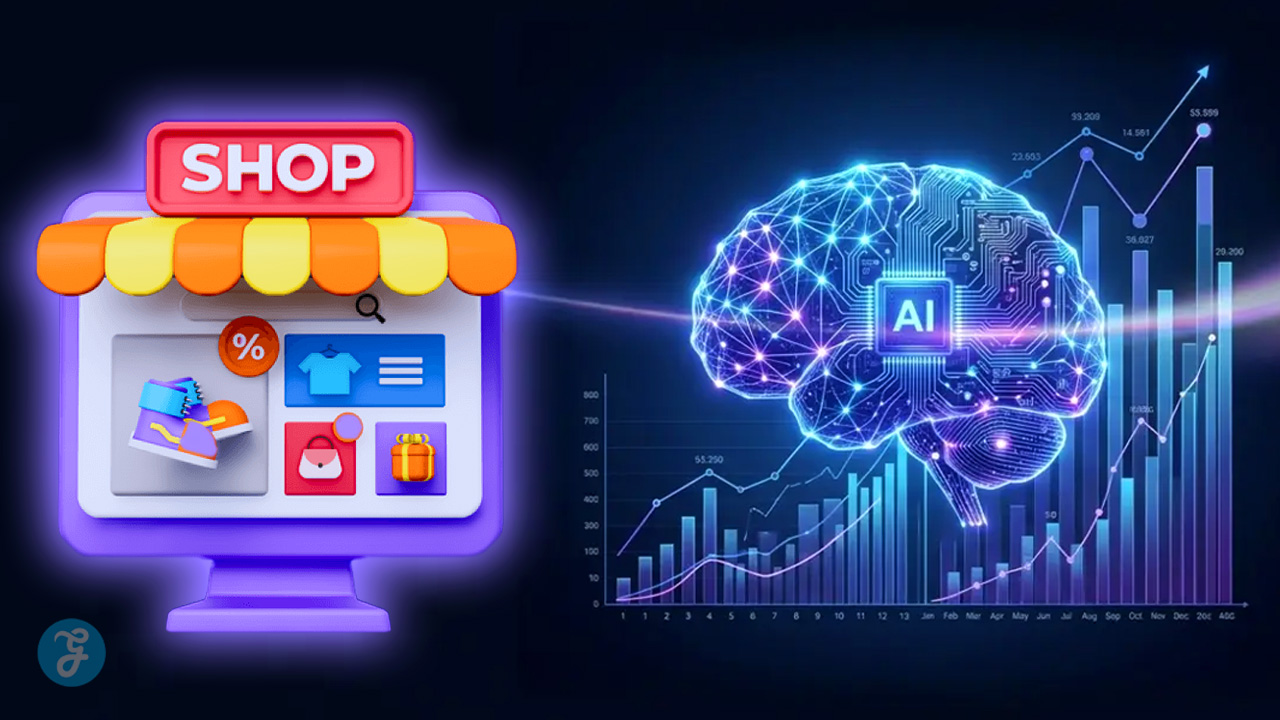
Artificial intelligence drives big changes in tracking software, folks. It acts as a powerhouse, boosting other trends and opening fresh doors. Think about how it advances robot training, sparks bioengineering finds, and fine-tunes energy systems.
A Stanford report shows AI patenting jumped 34 percent each year since 2000. That surge fuels machine learning and automation in software development. Intelligent systems now use predictive modeling and neural networks to handle data analytics with ease.
Digital transformation happens fast, thanks to natural language processing and cloud computing. Imagine: AI code assistants help enterprise engineers cut fintech app time-to-market by 30 percent.
They slash chatbot coding time by 40 percent, like a speedy sidekick in a tough race.
Gartner predicts that by 2028, 90 percent of those engineers will rely on AI tools, up from less than 14 percent in 2024. This rise spikes demand for application-specific semiconductors, with patent filings climbing high.
We need ongoing AI innovation to tackle computing demands, trim costs, and strengthen infrastructure. It’s all tied together in a collective market view, making tracking smarter and more efficient.
You see, AI integrates deeply, turning basic tracking into proactive wonders.
How does blockchain improve data security in tracking?
Blockchain boosts data security in tracking through decentralization, and that means no single point of failure. Think of it like a chain of locked boxes, each one linked to the next, so hackers can’t mess with just one spot.
Statista projects the blockchain market to hit $39.7 billion by 2025, showing its rapid growth. This technology offers immutable records, so once data goes in, no one can alter it without everyone noticing.
Companies use it for verification in supply chain management, building trust among partners. Blockchain platforms cut fraud losses by 30%, a big win for businesses facing sneaky threats.
Imagine a world where your tracking data stays pure, like a vault that seals itself shut. Adoption rises in fields needing auditable data trails, such as logistics. It enables tamper-proof data storage for tracking solutions, keeping everything safe and sound.
Blockchain ERP systems improve compliance and supplier trust, making sure rules get followed without hassle.
Transparency shines in blockchain, letting users see every step in the tracking process. This builds accountability, much like a public ledger that anyone can check but no one can fake.
The tech supports regulatory compliance and trust in supply chains, vital for smooth operations. Organizations meet transparency standards with ease, dodging costly mistakes. Picture your data as a fortress, guarded by unbreakable codes.
Blockchain fits into the future energy and sustainability technologies trend, mixing with electrification, renewables, and climate tech for greener tracking. Security gets a major upgrade through auditing features, spotting issues before they blow up.
Fraud prevention becomes second nature, protecting assets on the move. Industries embrace this for verified trails, turning chaos into order.
What are IoT-enabled tracking solutions and their benefits?
IoT-enabled tracking solutions connect devices, like smart sensors, to the internet for real-time data collection. These tools give you real-time visibility and monitoring of assets, no matter where they sit.
Imagine a truck driver hauling goods across states; his boss tracks the load’s location and condition without a single phone call. Companies use IoT devices for sensor-enabled asset tracking and even immersive training sessions.
Integration with AI and edge computing boosts data processing speeds, making everything run smoother. Grand View Research notes the edge computing market hit $3.5 billion in 2019, with a projected 37.4% CAGR from 2020 to 2027, which supports IoT scalability in a big way.
Gartner predicts that by 2025, 50% of supply chain organizations will pour money into real-time visibility platforms. This shift drives digital transformation and supply chain optimization through connectivity solutions and remote monitoring.
Picture your warehouse as a bustling hive, where IoT acts like worker bees gathering info on every package. These solutions support predictive maintenance, cutting downtime and saving cash, much like fixing a car before it breaks down on the highway.
They bridge the gap between physical assets and digital management systems with automation technology and edge analytics. You get proactive insights that feel like having a crystal ball for your operations.
Asset management becomes a breeze, turning chaos into smooth sailing.
Why use real-time analytics for better decision-making?

Real-time analytics transform how businesses handle decisions, like a quick-thinking coach calling plays during a game. They process data on the spot, boosting operational efficiency in supply chains and manufacturing.
Gartner predicts that by 2025, half of supply chain groups will grab these platforms for instantaneous data processing. Factories cut downtime by 20 percent with real-time analytics and edge computing, keeping production smooth.
In logistics, real-time visibility slashes fuel costs by 15 percent, saving money where it counts. Imagine spotting issues before they snowball; that’s proactive risk management in action, enabling smarter moves in fast-paced settings.
Hyperautomation with real-time analytics speeds up loan processing by 50 percent, making tasks fly. Compliance reporting automation frees up 20 hours each week, giving teams breathing room.
These tools support decision support systems and business intelligence, enhancing user experiences through realtime monitoring. Predictive analytics steps in to forecast trends, automating workflows for supply chain optimization.
Risk assessment becomes a breeze, turning data into actionable insights. You gain an edge with automation technology, handling dynamic business environments like a pro.
How does edge computing speed up data processing?
Edge computing puts data processing right at the source, like a smart shortcut in a busy city. It cuts down latency by handling info locally, instead of sending everything to far-off servers.
Think of it as a quick pit stop for your data, no long trips needed. Grand View Research pegs the edge computing market at $3.5 billion in 2019, with a whopping 37.4% compound annual growth rate from 2020 to 2027.
This growth ties into distributed computing, which boosts scalability for big tasks. Edge AI steps in here, letting factories slash downtime by 20%, all through real-time analytics on site.
Logistics firms love it too; they trim fuel costs by 15% with these speedy setups. IoT devices play a key role, feeding data straight into edge systems for instant action. Data locality keeps things private and fast, processing sensitive stuff without cloud hops.
Machine learning thrives in this setup, automating workflows amid digital transformation.
Distributed computing in edge systems handles the surge from generative AI and robotics, meeting that huge demand for computing power. Edge-integrated devices support scaling and specialization, growing hand in hand with tech needs.
Cloud-native approaches, paired with distributed cloud, cut downtime and amp up scalability, making operations smoother than ever. Factories and logistics outfits see real wins, like those downtime drops and fuel savings I mentioned.
Automation kicks in strong, turning data into quick decisions at the edge. Data privacy gets a boost too, as local processing shields info from prying eyes. Picture a robot in a warehouse, crunching numbers on the spot to dodge delays; that’s edge magic in action.
IoT Internet of Things fuels this, linking gadgets for seamless, low-latency work. Latency reduction means faster responses, essential for today’s fast-paced world.
What new privacy features address evolving regulations?
Companies face pressure for transparency, fairness, and accountability in tracking technologies. This makes responsible innovation critical. Think of data as a vault; you want strong locks to build trust.
Ethics and trust challenges now impact investment and scalability in technology sectors. Data privacy compliance grows as a major concern, like with the DPDP Act from 2023. Organizations address regulatory changes and ecosystem readiness for adoption of new tracking tools.
They integrate privacy-by-design features into enterprise tracking software. These steps help meet local and global regulatory standards.
Privacy features include data minimization, anonymization, and granular user controls. Enhanced consent management responds to evolving privacy laws. Envision users holding the reins, deciding what data flows where.
This boosts user consent and anonymity. It fosters ethics, regulation compliance, and general trust in tracking systems. Data protection becomes a shield against breaches. Accountability shines through clear practices.
Readers, you see how these tools turn compliance into a strength, right?
How is augmented reality used in location and asset tracking?
Augmented reality overlays digital info on the real world, making location and asset tracking a breeze. Imagine workers in manufacturing plants using AR glasses to see location-based instructions right in front of them, like a helpful ghost whispering tips for maintenance.
This immersive technology boosts operational efficiency by visualizing asset locations during field service operations. Statista forecasts the AR/VR market to hit $72.8 billion by 2024, and no wonder, with sensor-enabled devices enabling interactive asset tracking.
Human-machine collaboration feels more natural now, thanks to intuitive interfaces and multimodal inputs that cut training time for new employees. Visualize a technician spotting realtime data on geolocation through mixed reality, turning complex tasks into simple steps.
Spatial computing takes it further in asset management, offering visual analytics that enhance safety by overlaying hazard information in realtime. Teams rely on remote support for troubleshooting, all through interactive interfaces that make everything click.
AR supports immersive training too, reducing downtime and errors like a safety net for your operations. Factories love how it streamlines workflows, with devices providing that extra layer of insight.
You know, it’s like having superpowers for everyday jobs, where every asset pops up with details at a glance. This approach speeds up decisions and builds confidence in handling gear across sites.
Why are low-code/no-code platforms popular for custom tracking?
Low-code/no-code platforms make custom tracking easy for everyone. Gartner says LCNC development grew by 23% in 2021, and that growth keeps going into 2025. These tools democratize development, so you don’t need fancy coding skills.
Take Appian, for example, folks build manufacturing dashboards in days, and slash costs by 50%. Rapid development shines here, letting you create custom solutions fast. Imagine you’re a business owner, juggling a million tasks, and boom, you whip up a tracking app without hiring a tech wizard.
User-friendly interfaces guide you along, like a friendly map through a busy city. Workflow automation kicks in, handling repetitive stuff so you focus on what matters. Plus, prototyping tools let you test ideas quick, like sketching a rough draft before the final masterpiece.
Cost efficiency jumps out too, saving you big bucks on building tracking apps.
These platforms boost business agility, so companies adapt to changes on the fly. Cross-functional collaboration thrives, as business users and IT teams work side by side. Scalability fits right in, growing with your needs without a hitch.
Agile methodology drives this, allowing quick tweaks to tracking workflows. Organizations cut development costs and speed up time-to-market for their apps. Picture a team responding to new tracking demands, like kids swapping toys at recess, easy and fun.
They enable broad access, opening doors for more people to join the fun.
How does machine learning automate workflow in tracking?
Machine learning takes the reins in tracking software, slashing manual work like a sharp knife through butter. It powers automation that streamlines workflows, making processes hum with efficiency.
Think of hyperautomation as the turbo boost here; this trend integrates ML to cut loan processing times by a whopping 50%. Companies use it for workflow optimization, turning data analysis into a breeze.
In inventory management, ML tweaks ERP systems and trims costs by 15%. You see, it enables predictive maintenance and alerting, keeping things running smooth. Automation ramps up scalability in busy tracking setups, handling high volumes without breaking a sweat.
Imagine: ML digs into multimodal data sources, boosting tracking accuracy like a detective piecing together clues. It drives predictive analytics for proactive insights, spotting issues before they blow up.
Compliance gets a lift too, with automated reporting saving teams 20 hours each week. Process improvement shines through, as ML automates tasks and frees up folks for bigger ideas.
Efficiency soars, and hey, who doesn’t love ditching the grunt work? In essence, machine learning turns tracking into a smart, self-running machine.
Why focus on sustainability and energy efficiency in tracking tools?
Technology trends push for future energy and sustainability technologies, blending electrification, renewables, and climate tech. Green technology in tracking software lets tech firms slash emissions by 10%, like trimming fat from a bloated budget.
SaaS solutions cut server energy costs by 15%, saving you money while you sip your coffee. Imagine your tracking tools as a lean machine, running on renewable energy and boosting emission reduction.
Energy management becomes a breeze with modular design from microservices architecture, a market hitting $33 billion by 2023 at a 17% CAGR. This setup supports software efficiency and environmental sustainability, helping you align with ESG goals, you know, those environmental, social, and governance targets that keep regulators happy.
Sustainable tracking tools face growing demand from customers and regulators, much like everyone craving that eco-friendly vibe these days. Energy-efficient tracking shrinks operational cost savings for large-scale deployments, turning big headaches into smooth rides.
Companies grab a competitive edge in eco-conscious markets by adopting this software, fueling climate action and compliance standards. Picture it as planting seeds for a greener tomorrow, where your tools don’t just track assets but also tread lightly on the planet.
What is predictive analytics and how does it provide proactive insights?
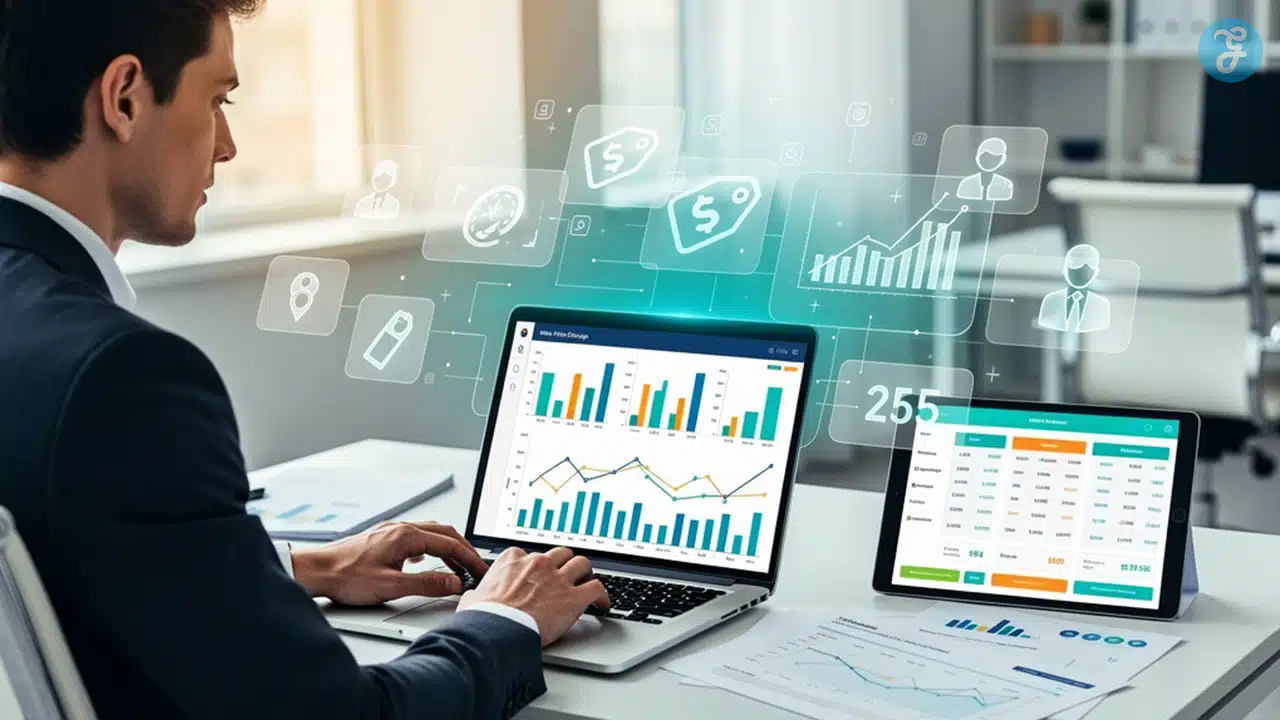
Predictive analytics uses data analysis to forecast future events, like a weather app that warns you about rain before it starts. It spots patterns in past data to predict what’s next, helping businesses stay one step ahead, you know? Companies apply this in supply chains for risk management, catching problems early.
Gartner says that by 2025, half of supply chain groups will pour money into real-time visibility and predictive platforms. These tools blend with AI and machine learning to boost accuracy, making forecasts sharper than ever.
Imagine slashing inventory costs by 15% in ERP systems; that’s real savings. Platforms forecast demand and optimize resource allocation, turning guesswork into smart plans. They improve business agility by spotting trends and disruptions ahead of time.
Predictive insights guide decisions, lifting operational outcomes to new heights. Folks in logistics use this for supply chain visibility, dodging delays like a pro driver avoids traffic jams.
This approach supports proactive maintenance, cutting equipment downtime before it hurts your day. Think of it as a mechanic who fixes your car before it breaks down on the road. You get better operational efficiency through maintenance scheduling that keeps things running smooth.
In business intelligence, it aids demand prediction and resource management, like knowing exactly how much stock to order for the holidays. Optimization comes easy when you anticipate needs, saving time and cash.
Proactive risk management in logistics means fewer surprises, more control. These solutions foster business agility, letting you pivot fast when markets shift. Integration with AI and ML refines every prediction, delivering spot-on results.
Supply chain organizations see the value, investing big by 2025 as Gartner notes. Demand prediction helps avoid overstock headaches, while resource management streamlines your whole operation.
How do cloud-based tracking solutions enhance scalability?
Cloud computing adoption speeds up fast, boosting business scalability and flexibility. Imagine your tracking system as a rubber band, stretching to meet demands without breaking. Gartner projects public cloud service spending to grow by 18.4% in 2021.
That growth powers tools like cloud-native setups and distributed cloud options. These cut downtime and lift scalability. Logistics companies slash infrastructure costs by 20% with them.
Cloud innovations build big data centers and link edge devices for smooth tracking. You get seamless updates and remote access, no sweat.
Cloud platforms offer elastic scaling to tackle changing workloads in tracking. Think of it like a team that grows or shrinks on the fly, keeping things efficient. This setup drives collaboration across global teams.
Digital transformation fuels rising cloud adoption. Systems integrate data easily, adding flexibility. Remote access means you check in from anywhere, anytime. Infrastructure stays light, avoiding heavy costs.
All this ties into better downtime control and smart scaling for your needs.
Why integrate multimodal data sources for comprehensive tracking?
Multimodal data sources mix inputs from sensors, cameras, and other devices to boost comprehensive tracking. Picture a busy warehouse where assets move like kids in a playground; sensor fusion pulls in multisensory input for sharp accuracy.
Data integration ties these streams together, making asset management a breeze with real-time monitoring. Human-computer interaction gets smoother too, as intuitive interfaces handle gesture, voice, and visual data input.
You see, combining diverse data streams ramps up the precision of asset location tracking, like adding extra eyes to spot every detail.
This approach sparks richer analytics and context-aware tracking, turning basic systems into smart powerhouses. Immersive technology steps in, enabling immersive training that feels lifelike and hands-on.
Adaptive interfaces flex with needs, supporting next-generation software development in tracking systems. Contextual analytics digs deep, offering insights that adapt on the fly. Folks, these integrations amp up flexibility and adaptability, making tracking tools feel like a trusted sidekick in your daily grind.
How can cybersecurity protect tracking systems from threats?
Cybersecurity acts as a strong shield for tracking systems, guarding against sneaky threats that lurk online. Experts project the cybersecurity market to hit $240.27 billion by 2025, and then climb to $345.4 billion by 2026.
This growth shows how vital data protection and information security have become. Companies face pressure for responsible innovation, with a big push on transparency, fairness, and accountability.
Equity investments in cybersecurity jumped in 2024, bouncing back from a dip in 2023. Think of it like a watchful guard dog that spots intruders before they cause harm. AI-powered security boosts real-time protection, spotting risks fast and keeping threats at bay.
Organizations tackle data privacy compliance, such as the DPDP Act of 2023, to stay on the right side of rules. Cyber defense strategies include threat mitigation and risk management, which help dodge costly breaches.
Network security locks down connections, while system integrity checks ensure nothing slips through cracks.
Sophisticated cyber threats target tracking infrastructure, so enhanced security protocols step up to fight back. Vulnerability assessment scans for weak spots, like a mechanic checking a car before a long trip.
Incident response teams jump in quick when trouble hits, fixing issues on the spot. Privacy compliance keeps user info safe, building trust in a world full of digital spies. Imagine your tracking data as a treasure chest; cybersecurity seals it tight against pirates.
Tools like firewalls and encryption serve as key defenses, blocking unauthorized access. Leaders in the field push for strong measures to protect sensitive tracking data from breaches.
This focus on cyber defense makes systems more reliable, letting you track assets without constant worry.
What is the Internet of Behavior and how does it personalize tracking?
The Internet of Behavior, or IoB, tracks how people act in daily life. Gartner says that by 2023, it followed 40% of folks around the world. This tech pulls together data from phones, wearables, and social media for sharp behavioral analytics.
Companies use it to craft personalization that feels just right, like a custom-fit glove. Imagine getting tips on your favorite coffee spot before you even think about it, all from your past habits.
IoB blends data integration with predictive analytics to spot patterns and guess what you might do next. That boosts customer engagement and keeps users coming back for more.
IoB takes personalization up a notch with hyper-personalization, which Deloitte notes can deliver an 8x return on investment in marketing. Firms in retail, healthcare, and logistics adopt it fast to improve user experience and customer retention.
They analyze IoB data to create insight generation that drives conversion rates and builds loyalty. Picture a store that knows you love deals on weekends and sends them your way, making shopping a breeze.
This approach enables proactive customer service, fixing issues before they pop up. It all leads to stronger bonds between brands and people.
Why choose mobile-first tracking apps for on-the-go access?
Mobile applications let you grab tracking data anywhere, anytime. Statista predicts mobile ad spending will top $240 billion by 2022. That shows how big mobile is getting. Picture your team scattered across cities, needing quick updates.
Mobile-first tracking apps make that easy with real-time tracking and push notifications. They boost user engagement and adoption rates. Plus, these productivity tools fit right into workforce management for distributed teams.
You get location-based services that integrate with GPS and device sensors for spot-on accuracy.
Mobile platforms deliver real-time alerts that keep everyone in the loop. They improve workforce productivity in the field, no doubt about it. Think of a delivery driver dodging traffic with instant data accessibility.
These apps come with intuitive touch interfaces for fast updates. They enhance on-the-go access, perfect for busy pros. Mobile-first design shines for industries with on-the-go teams, like sales crews or repair squads.
It all leads to smoother operations and higher efficiency.
How do enhanced user interfaces simplify tracking experiences?
Enhanced user interfaces make tracking software easier to use every day. Developers rely on JavaScript as the most common language, per Stack Overflow’s 2021 survey. TypeScript gains ground fast.
Rust earned the title of most loved language in GitHub’s 2020 report, and it shapes modern interface design. These tools create intuitive navigation that feels like second nature. Picture a dashboard that shows real-time data visualization, like a clear map guiding you home.
Modern tracking UIs add multimodal inputs, such as voice, gesture, and touch, for smooth interaction design. You interact with the system as if chatting with a friend. User-centric design boosts user adoption and satisfaction with tracking tools, making everyone happier at work.
Enhanced interfaces cut training time for new users, so you jump in without hassle. Simplified dashboards help managers and operators make quick decisions, like spotting a shortcut in traffic.
Customizable UIs let users tailor tracking views to fit their exact needs, almost like picking your favorite outfit. Accessibility improvements open the software to diverse teams, breaking down barriers for all.
Think about usability in action; it turns complex tasks into a walk in the park. Workflow optimization flows from these designs, saving time and frustration. Data visualization pops on screen, clear as day, helping you see patterns at a glance.
Navigation becomes a breeze, guiding you through features without getting lost. Customization options let you tweak the setup, fitting it like a glove to your daily routine. Interaction design focuses on how you click, swipe, or speak, making every move count.
User experience, or UX, sits at the heart of it all, putting people first. These changes spark joy in tracking work, like finding an extra fry in your order.
Takeaways
These trends promise to reshape tracking software in exciting ways. Picture AI and blockchain teaming up, they guard your data like a vault while IoT devices track assets in real time.
Businesses adapt fast with cloud solutions and machine learning, turning insights into quick wins. Stay ahead, folks, embrace these shifts to boost efficiency and spark innovation in 2025.
FAQs on Tracking Software Trends
1. Hey, what big trends should I watch for in tracking software come 2025?
Picture this, like a detective spotting clues in a mystery novel, tracking software will lean hard into AI integration for smarter predictions. Real-time data analytics will pop up everywhere, making decisions quicker than a snap. And don’t forget enhanced privacy features, they’ll guard user info like a vault in a bank heist movie.
2. Will AI really shake up tracking tools next year?
You bet, AI will automate insights in tracking software, turning raw data into gold. It predicts patterns, like a weather forecast for business moves.
3. How does data privacy fit into 2025 tracking trends?
Oh man, with folks getting touchy about their info, trends point to ironclad encryption in tracking apps. This keeps everything safe, builds trust, and dodges those pesky legal headaches, you know?
4. What about mobile tracking, is that trending big in 2025?
Mobile-first designs in tracking software will explode, letting you monitor on the go like checking your phone for directions.