Timber flooring has stood the test of time as a classic and elegant choice for residential and commercial spaces. With its natural warmth, durability, and timeless appeal, timber flooring is a popular option for homeowners and designers alike. In this comprehensive guide, we’ll explore the various aspects of timber flooring, from its benefits and drawbacks to its suitability for different rooms and households, as well as tips for cleaning and maintenance.
Why Timber Flooring?
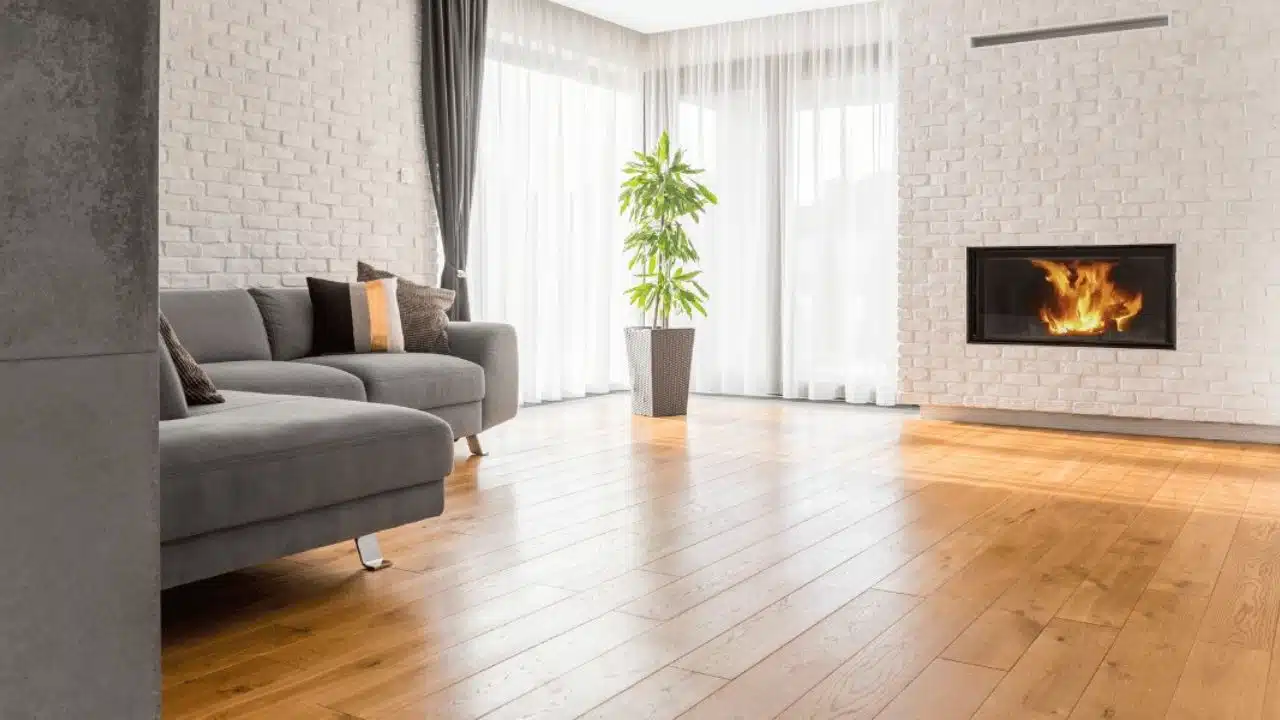
Timber flooring offers a range of benefits that make it an attractive choice for homeowners. One of the most significant advantages of timber flooring is its natural beauty and warmth. Unlike synthetic flooring materials, timber exudes a sense of authenticity and character, with each plank showcasing unique grain patterns and hues. This natural variation adds depth and visual interest to any space, creating a warm and inviting atmosphere.
In addition to its aesthetic appeal, timber flooring is prized for its durability and longevity. When properly maintained, timber floors can last for decades, making them a sound investment for homeowners looking for a flooring option that will stand the test of time. Unlike carpet or laminate flooring, timber floors can be sanded and refinished multiple times, restoring them to their original beauty even after years of wear and tear.
Another advantage of timber flooring is its versatility in design and style. With a wide range of timber species available, homeowners can choose the perfect flooring option to complement their interior decor and personal taste. Whether you prefer the rich tones of oak, the warm hues of walnut, or the exotic appeal of bamboo, there’s a timber flooring option to suit every style and budget.
Pros and Cons of Timber Flooring:
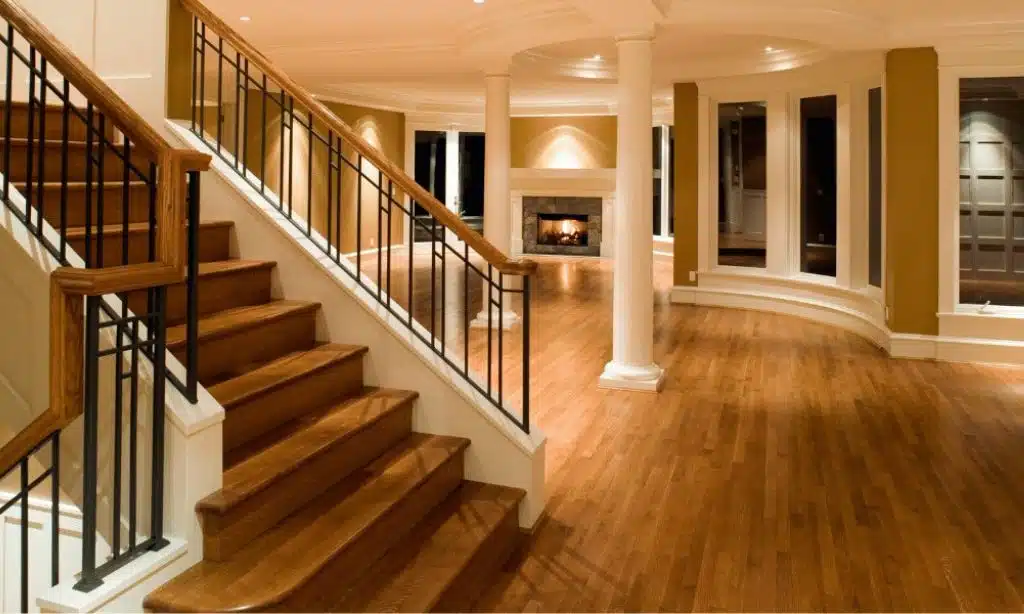
Like any flooring material, timber flooring has pros and cons that homeowners should consider before deciding. One of the primary advantages of timber flooring is its timeless appeal. Unlike trendy flooring options that may fall out of fashion, timber flooring never goes out of style, making it a wise long-term investment for homeowners.
Additionally, timber flooring is incredibly durable and can withstand heavy foot traffic, making it ideal for high-traffic areas such as living rooms, hallways, and kitchens. With proper care and maintenance, timber floors can last for generations, making them a sustainable and environmentally friendly choice for homeowners concerned about their ecological footprint.
However, timber flooring also has some drawbacks that homeowners should be aware of. One of the main disadvantages of timber flooring is its susceptibility to moisture damage. Unlike synthetic flooring materials such as vinyl or laminate, timber flooring can warp, cup, or rot if exposed to excessive moisture. As a result, timber flooring may not be suitable for areas with high humidity levels or frequent exposure to water, such as bathrooms or basements.
Another potential drawback of timber flooring is its cost. Timber flooring tends to be more expensive than other flooring options, such as carpet or laminate, making it a significant upfront investment for homeowners. Additionally, timber flooring requires regular maintenance to keep it looking its best, including sanding, refinishing, and sealing, which can add to the overall cost of ownership.
Despite these drawbacks, many homeowners find that the benefits of timber flooring far outweigh the potential drawbacks, making it a popular choice for new construction and renovation projects.
Rooms and Households That Suit Timber Flooring:
While timber flooring is a versatile option that can be used in virtually any room of the house, there are certain rooms and households where it may be particularly well-suited. One of the most common areas for timber flooring is the living room, where its natural warmth and beauty can create a cosy and inviting atmosphere for family and guests.
In addition to living rooms, timber flooring is also a popular choice for bedrooms, home offices, and dining rooms, where its durability and longevity make it a practical and stylish flooring option. With proper care and maintenance, timber flooring can withstand the rigours of daily life, including spills, scratches, and stains, making it an excellent choice for busy households with children and pets.
However, some rooms and households also have timber flooring, which may not be the best choice. For example, rooms with high moisture levels, such as bathrooms, kitchens, and laundry rooms, may not be suitable for timber flooring due to the risk of water damage. Likewise, households with elderly or mobility-impaired individuals may want to consider alternatives to timber flooring, as its hard surface can pose a slip-and-fall hazard.
Ultimately, the decision to install timber flooring will depend on various factors, including the homeowner’s lifestyle, budget, and aesthetic preferences. By carefully considering these factors and consulting with a flooring professional, homeowners can choose the perfect flooring option to suit their needs and enhance the beauty and value of their home.
Engineered Timber vs Solid Timber/Hardwood:
When it comes to timber flooring, homeowners have two main options: engineered timber flooring (ETF) and solid timber/hardwood flooring. Each option has its own unique characteri important for homeowners to understand the differences between them before making a decision.
Engineered timber flooring is a modern innovation that consists of multiple layers Engineered timber flooring is made of wood veneer bonded together to form a single, stable plank. The top layer, known as the wear layer, is made of high-quality hardwood and sits on top of multiple high-density fibreboard or plywood layers. This construction makes engineered timber flooring more resistant to moisture, temperature fluctuations, and warping than solid timber flooring.
On the other hand, solid timber flooring is made from a single piece of timber and is known for its traditional and timeless appearance. While solid timber flooring offers the authentic look and feel of natural wood, but it may be more susceptible to moisture damage and temperature fluctuations than engineered timber flooring.
When choosing between engineered timber and solid timber flooring, homeowners should consider factors such as the room’s location, the level of foot traffic, and the desired aesthetic. Engineered timber flooring may be a better choice for areas with high moisture levels, such as bathrooms and basements, while solid timber flooring may be more suitable for living rooms, bedrooms, and home offices.
Cleaning and Maintenance of Timber Floors:
Proper cleaning and maintenance are essential for preserving the beauty and longevity of timber floors. By following a few simple steps, homeowners can keep their timber floors looking their best for years to come.
- Regular Cleaning: Sweep or vacuum timber floors regularly to remove dirt, dust, and debris that can scratch the surface. Use a soft-bristle broom or vacuum with a hardwood floor attachment to avoid scratching the finish.
- Avoid Excess Water: Timber flooring is susceptible to water damage, so avoid using excessive water or soaking the floor during cleaning. Instead, use a damp mop or cloth with a mild cleaning solution specifically formulated for hardwood floors.
- Promptly Clean Spills: Accidental spills should be cleaned promptly to prevent staining or water damage. Blot up spills immediately with a soft, absorbent cloth, and then clean the area with a damp cloth.
- Use Protective Mats or Rugs: Place mats or rugs at entryways and high-traffic areas to trap dirt and prevent shoe scratches. Avoid rubber-backed or non-ventilated mats, as they can trap moisture and damage the floor.
- Protect from Furniture: Use furniture pads or felt protectors on the legs of furniture to prevent scratches and dents when moving or rearranging items. Avoid dragging heavy furniture across the floor to prevent damage.
- Periodic Maintenance: Depending on the wear and tear, timber flooring may require periodic maintenance, such as refinishing, resanding, restaining, or resealing. Consult with a professional to determine the appropriate timing and method for maintenance based on the condition of your floors.
- Avoid Harsh Chemicals: Avoid using harsh cleaning products, ammonia-based cleaners, or wax-based polishes on timber flooring, as they can damage the finish or leave a residue. Instead, opt for pH-neutral cleaners specifically designed for hardwood floors.
Conclusion:
Timber flooring continues to be a popular choice for homeowners looking to add warmth, beauty, and value to their homes. With its timeless appeal, durability, and sustainability, timber flooring offers a range of benefits that make it an attractive option for both new construction and renovation projects. By understanding the pros and cons of timber flooring, considering its suitability for different rooms and households, and following proper cleaning and maintenance techniques, homeowners can enjoy the beauty and longevity of timber flooring for years to come. For further guidance on timber flooring options and maintenance tips, consult with the experts at Floorworld.