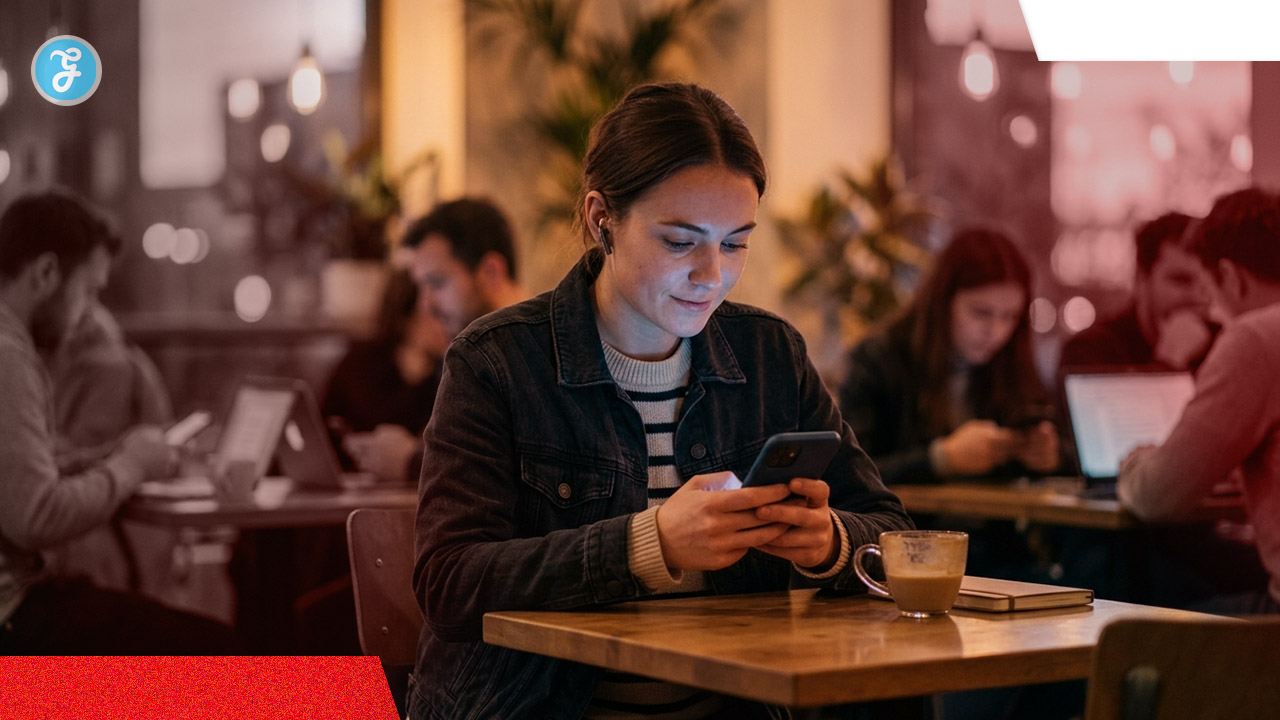
One of the most profound shifts in modern commerce is the evolution of the “For You” page into a digital storefront that drives real-world foot traffic. If you are developing a TikTok retail marketing strategy for the coming year, understanding how to bridge the gap between a 15-second video and a physical store visit is no longer optional—it is the difference between viral noise and verifiable revenue.
As we look toward 2026, the brands winning the war for attention are not just getting views; they are engineering “phygital” (physical + digital) behaviors that compel users to leave their homes and hunt for products in person.
Key Takeaways
-
Scarcity Sells: The most powerful driver of footfall is the fear that the product will be gone tomorrow (Crumbl, FIX).
-
Experience Over Inventory: In the UK and Dubai, stores are becoming places to do things (classes, filming, tasting) rather than just buy things.
-
Data-Backed Hunting: Use data to direct customers to specific locations where stock is available (Little Moons).
-
The 2026 Shift: Expect a move toward AI-enhanced in-store experiences and hyper-local live streaming to drive immediate traffic.
The Shift to “Phygital”: Why TikTok is the New Storefront Window
To understand why these campaigns work, we must first recognize a fundamental shift in consumer behavior. In the past, social media was primarily for brand awareness—a digital billboard. However, the emerging TikTok retail marketing strategy for 2026 treats the platform as a search engine and a direct funnel for physical traffic. This is the era of “Phygital” retail, where the line between the digital feed and the physical aisle has completely dissolved.
Unlike Instagram, which relies on a “social graph” (who you follow), TikTok operates on an “interest graph” (what you like). This distinction is critical for brick-and-mortar retailers. It means a local bakery or a boutique in a specific neighborhood can go viral globally, but more importantly, it can dominate local discovery feeds. Current data suggests that nearly 40% of Gen Z consumers use TikTok and Instagram for search instead of Google Maps or Search, specifically when looking for places to eat or shop. If your storefront isn’t optimized for this vertical video discovery, it is effectively invisible to a massive segment of modern shoppers.
The Mechanics of Movement: How Content Converts to Footfall
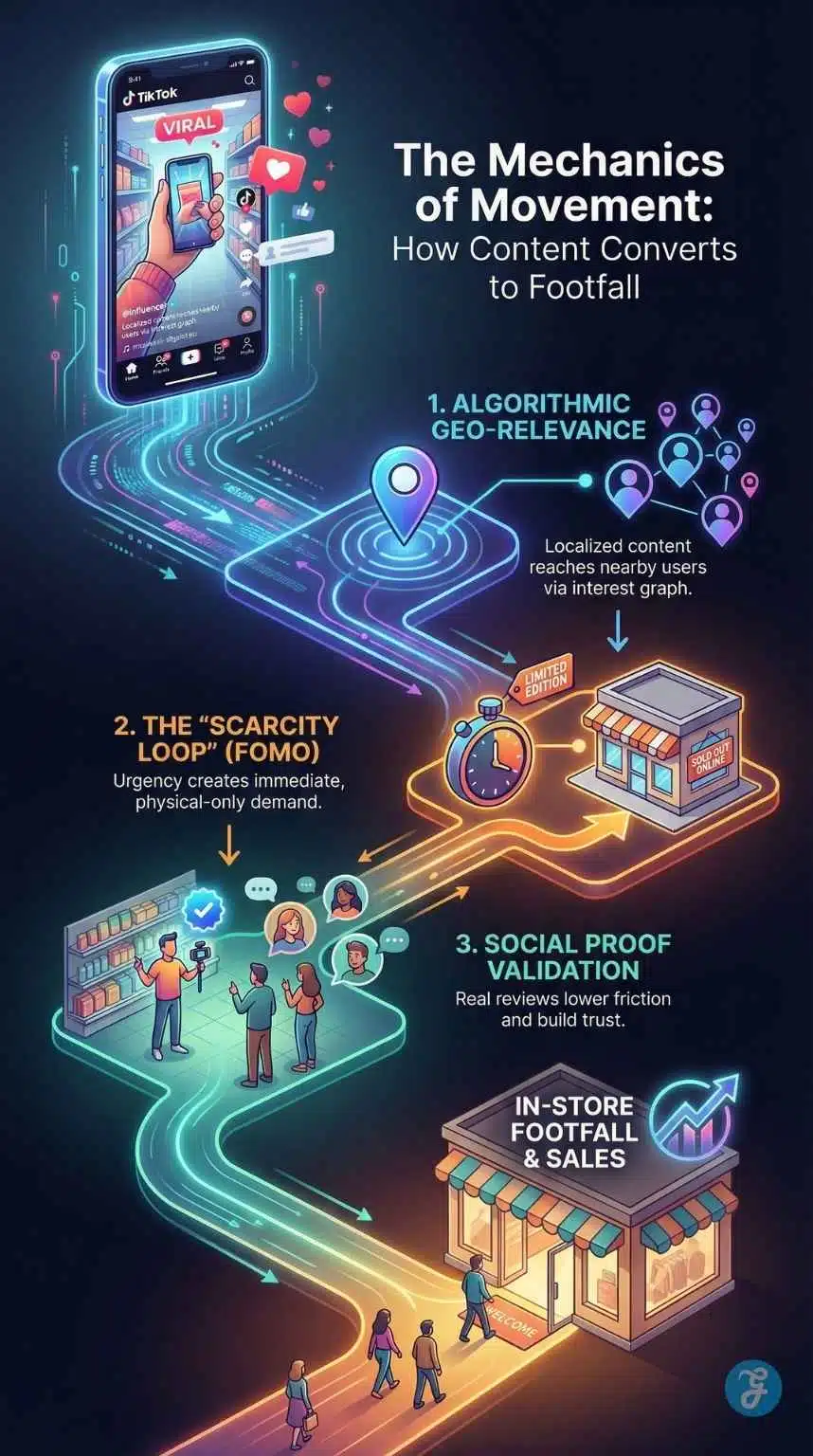
Successful campaigns are not random; they leverage specific psychological and algorithmic triggers to move people off the couch and into the car. A robust TikTok retail marketing strategy relies on three specific mechanisms to drive this “Online-to-Offline” (O2O) conversion:
-
Algorithmic Geo-Relevance: TikTok’s algorithm has become increasingly sophisticated at detecting user location. When a user interacts with content tagged with local hashtags (e.g., #NYCFinds or #DubaiHiddenGems), the platform serves them more retail content within that geographic radius. This creates a “hyper-local echo chamber” where your store becomes unavoidable to nearby customers.
-
The “Scarcity Loop” (FOMO): The most powerful driver of physical visits is the fear of missing out. As seen in the case studies below, brands that limit products to physical locations only (and not online) create urgency. The video serves as the “announcement,” and the store visit becomes the only way to “win” the product.
-
Social Proof Validation: Shoppers today trust “real people” over polished ads. When a customer sees a creator they trust physically walking into a store, holding a product, and reviewing it, it lowers the barrier to entry. It answers the subconscious questions: “Is it crowded?”, “What is the vibe?” “Is it worth the drive?” By answering these visually, the video removes friction and accelerates the decision to visit.
Below is a comprehensive deep dive into 15 campaigns from the USA, UK, and Dubai that have successfully cracked this code, along with a forward-looking playbook for 2026.
Region 1: USA – The “Viral Drop” & Scarcity Model
In the highly competitive US market, the most effective TikTok retail marketing strategy relies on “appointment shopping.” Brands here have mastered the art of using TikTok to create a sense of urgency that can only be satisfied by visiting a physical location immediately.
1. Crumbl Cookies: The Weekly Ritual
Crumbl has effectively gamified its menu. By changing their cookie flavors every week and announcing them via TikTok on Sunday nights, they create a Pavlovian response in their audience.
-
The Strategy: They partner with diverse creators (lifestyle, gaming, family) to review the weekly drop. The “scarcity” (the flavor is gone in 6 days) forces immediate action.
-
The Result: The “Gift of Crumbl” campaign generated 71.4 million impressions, proving that a digital menu reveal can create physical queues on Monday mornings.
2. Walmart: “Deals for You Days”
To compete with digital giants like Amazon, Walmart brought the “treasure hunt” back to physical aisles.
-
The Strategy: They launched an omnichannel event where specific deals were hidden in stores. Creators filmed “shop with me” style content, hunting for these specific items.
-
The Result: This bridged the gap between online hype and offline fulfillment, driving Gen Z shoppers into supercenters to find exclusive markdowns not available on the website.
3. Target: #TikTokMadeMeBuyIt End-Caps
Target was one of the first to physically manifest the TikTok algorithm in their aisles.
-
The Strategy: They created dedicated “As Seen on TikTok” sections in-store. In 2026, we expect this to evolve into dynamic digital displays that update in real-time based on local trending hashtags.
-
The Result: By grouping viral items (like the Stanley Cup or specific skincare brands) together, they reduce friction for the shopper who comes in looking for “that thing I saw on my FYP.”
4. Chipotle: The “Burrito Vault”
Chipotle uses a “watch-to-eat” funnel that legitimizes menu hacks.
-
The Strategy: When a creator’s custom order goes viral (e.g., the Philly Cheesesteak hack), Chipotle officially adds it to their digital system but often requires in-store pickup. They also launched the “Burrito Vault,” a game requiring users to guess codes on social media to unlock free entrees redeemable only in-store.
-
The Result: Immediate traffic surges and high-margin upsells once customers are inside.
5. Dunkin’: “The DunKings”
Dunkin’ leaned into meme culture and celebrity partnerships (Ben Affleck) to create merchandise that transcended coffee.
-
The Strategy: They dropped limited-edition tracksuits and menu items that were heavily promoted on TikTok with behind-the-scenes chaos.
-
The Result: Stores were flooded not just with coffee drinkers, but with fans looking to buy the “merch,” effectively turning coffee shops into fashion boutiques for a week.
USA Campaign Mechanics:
| Brand | Core Trigger | In-Store Action | Key Metric |
| Crumbl | Weekly Scarcity | Purchase limited flavors | 71M+ Impressions |
| Walmart | Exclusive Deals | Hunt for hidden items | High Omnichannel Traffic |
| Target | Curation | Browse specific aisles | High “Basket Size” Increase |
| Chipotle | Gamification | Redeem digital codes | App Download + Visit |
| Dunkin’ | Celebrity/Meme | Buy limited merch | Viral Social Shares |
Region 2: UK – Community Hubs & “The Hunt”
In the UK, the approach is more community-centric. The successful TikTok retail marketing strategy here often involves turning the store into a content studio or a community hub where the sale is secondary to the experience.
6. Superdrug: The #SuperShow
Superdrug revolutionized beauty retail by bringing the content creation process inside the shop.
-
The Strategy: They installed “Creator Booths” in key stores and hosted a talent search for the next big TikTok beauty star. Entrants had to film their submissions in-store using Superdrug products.
-
The Result: Over 37 million views. The store became a destination for content creation, attracting a younger demographic who viewed the shop as a “playground” rather than just a retailer.
7. Little Moons: The “Big Tesco” Effect
This is the gold standard of organic virality supported by data.
-
The Strategy: After an organic viral wave, Little Moons used TikTok’s “Media Mix Modelling” to identify that their ads were driving people specifically to “Big Tesco” locations. They leaned into this, encouraging the “hunt” for the often sold-out snack.
-
The Result: Sales in Tesco surged 1,300%. It proved that “hard-to-find” viral products can force consumers to actively scour physical freezer aisles.
8. Gymshark: Regent Street “Lift” Events
Gymshark moved from a pure e-commerce player to a physical retailer by selling “belonging.”
-
The Strategy: Their flagship store isn’t just rows of leggings; it’s a gym and event space. They use TikTok to promote free classes, “Lift” events, and influencer meet-and-greets.
-
The Result: The store effectively functions as a clubhouse. The “FOMO” generated by TikTok event recaps ensures a constant stream of visitors hoping to spot their fitness idols.
9. Marks & Spencer: The Viral Bag
M&S shed its “older” image by embracing viral product trends, specifically with their £35 shoulder bag.
-
The Strategy: They utilized TikTok Shop affiliates and influencers to highlight the bag as a high-quality “dupe” for a designer brand. The key was the stock updates—users would post which stores still had the bag.
-
The Result: The #MarksAndSpencer hashtag exploded with younger shoppers filming their “hauls,” revitalizing the brand’s fashion credentials.
10. Boots: “Love Island” Beach Huts
As the official partner of Love Island, Boots bridges the screen-to-store gap perfectly.
-
The Strategy: They set up “Beach Hut” zones in stores featuring the exact products used by Islanders. As episodes aired and products were spotted, Boots updated these in-store displays.
-
The Result: Viewers would watch the show, search the product on TikTok, and head to Boots to test it at the “Beach Hut,” creating a direct attribution loop.
UK Engagement Metrics:
| Brand | Content Angle | In-Store Feature | Goal |
| Superdrug | Talent Search | Creator Booths | UGC Creation |
| Little Moons | “The Hunt” | Freezer Aisle | Stock Clearance |
| Gymshark | Lifestyle/Fitness | Gym & Event Space | Community Building |
| M&S | “Dupe” Culture | Fashion Displays | Demographics Shift |
| Boots | TV Partnership | Themed Zones | Screen-to-Store Sales |
Region 3: Dubai & UAE – Luxury, Experience & Tourism
In the Middle East, the strategy pivots towards luxury, exclusivity, and “destination retail.” Here, a TikTok retail marketing strategy must appeal to the desire for premium experiences and “Instagrammable” (or TikTok-able) moments.
11. FIX Dessert Chocolatier: The “Dubai Chocolate” Craze
The viral “Can’t Get Knafeh of It” bar is the defining case study of 2024/25.
-
The Strategy: Scarcity and sensory storytelling. The ASMR of the chocolate snap and the gooey pistachio filling was tailor-made for TikTok. They limited drops to specific times on delivery apps and maintained a single exclusive physical touchpoint (often pop-ups or the airport).
-
The Result: “Chocolate Tourism.” Visitors now fly to Dubai specifically to hunt for this bar, proving a single product can drive destination footfall.
DSS gamified the mall experience using high stakes.
-
The Strategy: Partnering with the “SHARE” app, they used influencers to promote a “spend-to-win” mechanic. Spending AED 300 in malls entered shoppers into a draw to win one million points.
-
The Result: The content focused on “What I bought to win a million,” encouraging high-value basket sizes in Mall of the Emirates and City Centre locations.
13. Global Village: “Hidden Gems”
This massive venue relies on visual discovery.
-
The Strategy: They encouraged creators to film “Hidden Gems” within the country pavilions—specific foods or crafts that are hard to find.
-
The Result: Visitors arrived with saved TikTok videos, using them as a map to navigate the venue, driving traffic to specific, smaller vendors who might otherwise be overlooked.
14. Sephora Middle East: Ramadan Creator Incubators
Sephora localized its approach by empowering local voices.
-
The Strategy: They launched a “Creator Incubator” program, training local beauty enthusiasts. These creators then hosted in-store masterclasses during Ramadan.
-
The Result: This drove evening footfall (post-Iftar). Fans visited to connect with the creators they had followed, transforming the store into a social salon.
15. Al Baik: The Silence & Storm
The Saudi fried chicken legend uses pure brand equity and UGC.
-
The Strategy: They do very little official advertising. Instead, they rely on the community to “leak” news of a new store opening or a mobile food truck location.
-
The Result: The “challenge” to be the first to try the new branch creates kilometers-long queues, purely fueled by users wanting to document the “pilgrimage” on TikTok.
Dubai Experience Factors:
| Brand | Experience Type | Key Driver | Audience |
| FIX | Sensory/Taste | Global Virality | Tourists & Locals |
| DSS | Gamification | High-Value Prizes | Mall Shoppers |
| Global Village | Discovery | “Hidden Gems” | Families/Foodies |
| Sephora | Cultural | Creator Meetups | Gen Z Beauty |
| Al Baik | Hype/Cult | New Openings | Mass Market |
The 2026 Playbook: Future-Proofing Your Strategy
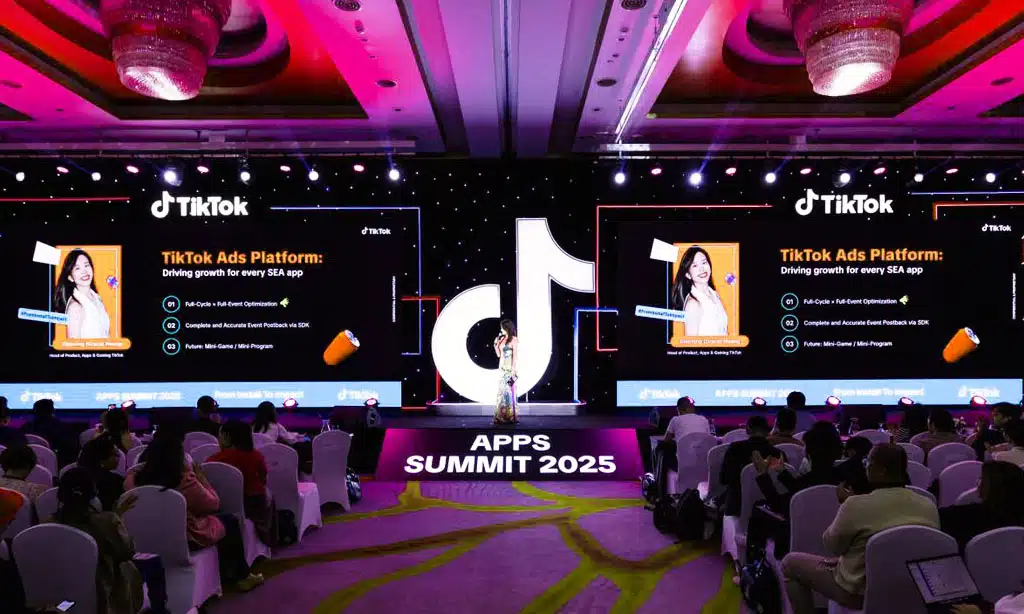
As we look toward 2026, a static TikTok retail marketing strategy will fail. The platform is moving towards high interactivity and AI integration. Here is how to adapt:
1. Hyper-Local Geo-Targeting
Stop marketing to the whole country if you only have stores in one city.
-
Action: Use TikTok Ads Manager to target users within a 5-mile radius of your store. Run “Dark Posts” (ads that don’t appear on your main feed) that specifically say, “Hey [City Name], we are open!”
2. The Rise of “Live Hosts”
By 2026, “Live Shopping” will be mainstream. However, it won’t just be about buying online.
-
Action: Train your in-store staff to be “Live Hosts.” Go live from the shop floor. Show customers the physical stock. Offer a discount code that is only valid if they walk into the store within the next 24 hours and show the screen.
3. AI-Driven “For You” Aisles
Retailers will begin to integrate digital screens in-store that mimic the TikTok feed.
-
Action: Create “Trending Now” zones in your store. Use digital signage that displays your most-viewed TikTok videos of the week next to the products featured in them.
4. Incentivize “In-Store User Generated Content (UGC)”
Don’t just wait for customers to film; pay them to do it.
-
Action: Create a “Selfie Station” with perfect ring-lighting. Offer a 5% instant discount at the register if they post a video with your store’s hashtag while they are in line.
Frequently Asked Questions (FAQs)
1. How do I measure the ROI of a TikTok campaign for physical stores?
You can use “Offline Conversions” in TikTok Ads Manager. By uploading your in-store transaction data (hashed for privacy) and matching it with users who saw your ads, TikTok can report how many viewers actually bought something. Additionally, simple methods like “show this TikTok at the register for 10% off” provide immediate, trackable data.
2. Do I need a massive budget to drive footfall?
No. Al Baik and Little Moons proved that organic virality often outperforms paid ads. The key is creativity and understanding your niche. However, putting a small budget behind “Spark Ads” (boosting organic posts) targeted to your local city is a cost-effective way to guarantee eyeballs.
Every product has a story. Superdrug made deodorant and shampoo exciting by focusing on the talent of the creators, not just the product. If your product is boring, focus on the utility or the satisfaction of using it (ASMR, cleaning hacks, organization tips).
4. How often should I post to drive store visits?
Consistency is key. Crumbl posts daily, but their “main event” is the weekly drop. For a retail store, aim for 3-5 times a week, ensuring at least one post specifically highlights the in-store experience (e.g., “Come shop with us,” “Meet the team,” “New stock arrival”).
5. What is the biggest mistake retailers make on TikTok?
Treating TikTok like a TV commercial. Highly polished, corporate videos often flop. The content that drives footfall usually looks like it was filmed by a friend on an iPhone—shaky, authentic, and enthusiastic. Consumers trust people, not logos.
Final Thought: Turning Scrolls into Strolls
The era of separating “online traffic” from “foot traffic” is officially over. As we move toward 2026, the winning TikTok retail marketing strategy will be one that views the platform not merely as a billboard, but as a digital extension of the physical aisle.
Whether you are a luxury chocolatier in Dubai or a community hub in the UK, the goal remains the same: to turn passive scrolling into active shopping. The tools are in your hands, and your customers are waiting for their next excuse to visit. Don’t just chase views—chase visitors. The future of retail belongs to those who successfully bridge the gap between the screen and the store.