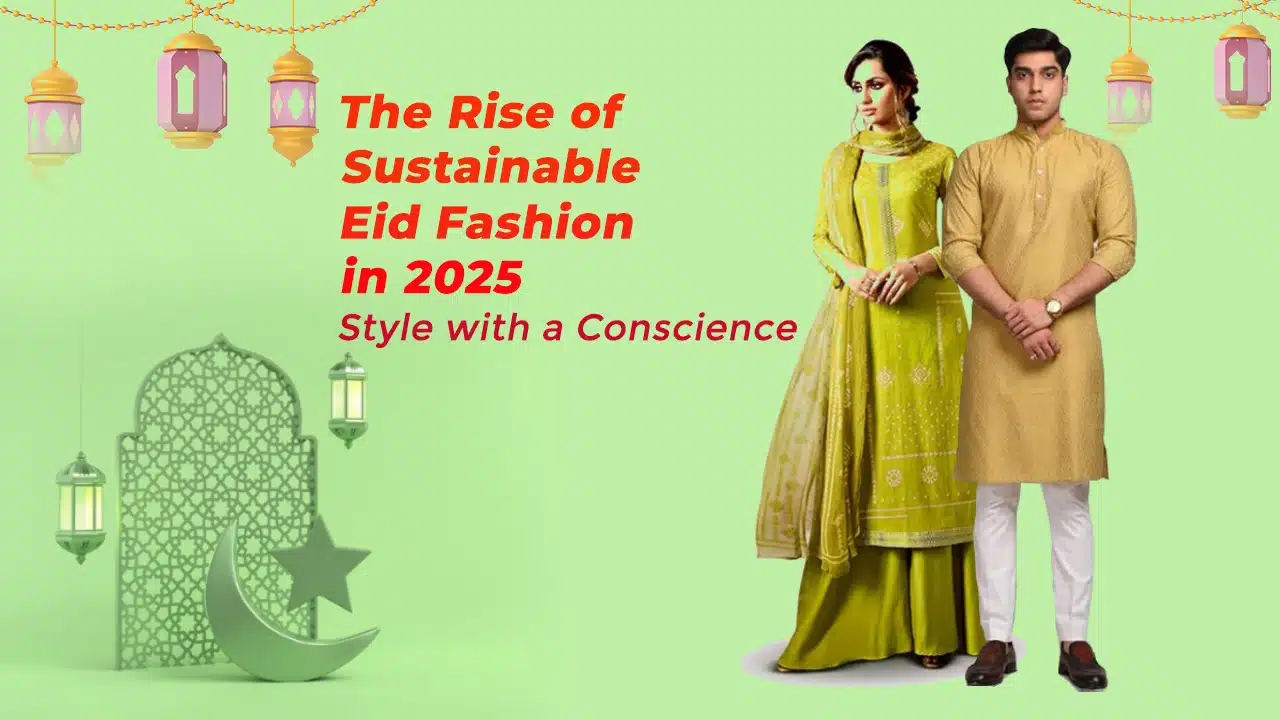
The world of fashion is undergoing a significant transformation in 2025, with sustainability taking center stage. Once reserved for niche audiences or environmental enthusiasts, sustainable fashion has become a mainstream movement, especially during major cultural celebrations like Eid.
In 2025, Eid fashion is not only about looking good but also about doing good. The shift toward sustainable fashion is not a fleeting trend but rather a response to growing environmental concerns and the ethical implications of fast fashion.
The rise of sustainable Eid fashion in 2025 represents a convergence of changing consumer preferences, technological advancements, and greater environmental awareness. Eid, a festival known for its opulent celebrations and vibrant fashion choices, is now increasingly becoming a platform for promoting eco-friendly and ethical fashion.
The shift in how we celebrate through fashion speaks volumes about our changing values, with more individuals eager to reduce their carbon footprint and make ethical choices when it comes to clothing.
This article delves into the rise of sustainable Eid fashion, highlighting key trends, practical tips, and examples that demonstrate how style and conscience can harmoniously coexist.
What is Sustainable Fashion?
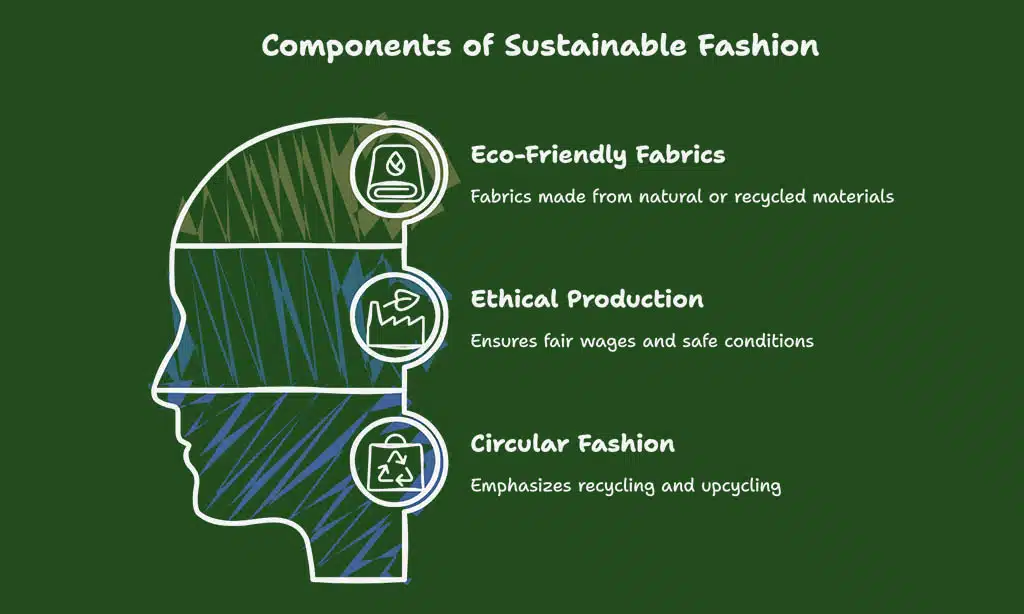
Sustainable fashion encompasses a broad range of practices aimed at reducing the negative impact of the fashion industry on the environment and improving working conditions for garment workers. At its core, sustainable fashion seeks to create a system where clothing is produced in a way that ensures longevity, minimizes waste, and supports the use of renewable resources.
Sustainable fashion includes the use of eco-friendly fabrics, ethical production processes, and fair labor practices. This movement goes beyond just making environmentally conscious choices; it also focuses on the social impact of fashion. In 2025, sustainable fashion has expanded to include innovative technologies, such as zero-waste patterns and biodegradable materials, offering even more options for consumers to make sustainable choices.
Here are some key aspects of sustainable fashion:
- Eco-Friendly Fabrics: Fabrics made from natural or recycled materials that are grown or produced in ways that have less environmental impact.
- Ethical Production: Clothing produced in a manner that ensures fair wages, safe working conditions, and respect for workers’ rights.
- Circular Fashion: A business model that emphasizes recycling, reusing, and upcycling materials to create new garments, reducing waste.
In the context of Eid fashion, sustainability is increasingly becoming a desirable feature, with many consumers looking for ways to celebrate the occasion without contributing to environmental harm. This includes choosing clothing made from organic materials, reusing festive garments, or purchasing from brands that focus on ethical practices.
The Growing Demand for Sustainable Eid Fashion
The demand for sustainable Eid fashion in 2025 is not just a result of environmental concerns; it is also driven by shifting cultural values and increased awareness about the social impacts of clothing production.
As more people become aware of the environmental and ethical issues surrounding traditional fast fashion, they are making more informed and thoughtful purchasing decisions, especially during significant cultural events like Eid.
The following factors are contributing to the rise of sustainable Eid fashion:
- Environmental Consciousness: As global awareness about the climate crisis grows, people are looking for ways to make environmentally friendly choices in all aspects of their lives, including their fashion.
- Transparency and Accountability: With the rise of social media and digital platforms, consumers are now able to track the production practices of their favorite brands. Many people now demand greater transparency about how and where their clothes are made, leading to an increase in the number of ethical brands.
- Evolving Fashion Norms: Millennials and Gen Z, in particular, are increasingly demanding that their fashion choices align with their ethical values. This shift in consumer behavior is driving brands to offer more sustainable and ethically produced clothing.
- Cultural Shifts Toward Minimalism: As people seek to live more consciously and embrace minimalist lifestyles, the desire for reusable and versatile clothing is on the rise. This trend is particularly visible in Eid fashion, where people are more likely to buy pieces that can be worn on multiple occasions.
Key Factors Driving the Rise of Sustainable Eid Fashion
| Factor | Explanation |
| Environmental Consciousness | Growing concern about the fashion industry’s environmental impact, particularly its carbon footprint. |
| Transparency and Accountability | Consumer demand for transparency in how products are made, including labor practices and material sourcing. |
| Evolving Fashion Norms | Millennials and Gen Z’s preference for ethical, sustainable fashion that aligns with their values. |
| Cultural Shifts Toward Minimalism | A preference for timeless, high-quality pieces over disposable, one-time-use fashion. |
Why Sustainable Eid Fashion Matters in 2025
As celebrations become more elaborate, so does the demand for new clothing, making Eid a significant contributor to fast fashion’s environmental footprint. Choosing sustainable Eid fashion in 2025 isn’t just a matter of style; it’s an ethical statement that prioritizes the well-being of our planet and future generations. By opting for sustainable attire, consumers actively support fair labor, eco-friendly materials, and reduced waste.
Let’s explore how traditional fashion practices affect our environment, reinforcing the importance of embracing sustainable alternatives.
Environmental Impact of Traditional Fashion
The fashion industry, especially fast fashion, is a major contributor to environmental degradation. From the massive amounts of water used in cotton farming to the chemicals involved in dyeing textiles, the traditional fashion industry is responsible for significant pollution.
During Eid, a festival that often involves buying new outfits, the environmental burden increases, as many garments are worn only once before being discarded.
Recent studies have shown that the fashion industry contributes to around 10% of global carbon emissions and is a leading cause of microplastic pollution. In fact, it is estimated that the production of one cotton t-shirt uses 2,700 liters of water, roughly the amount a person drinks in two and a half years.
The Benefits of Sustainable Eid Fashion
Switching to sustainable Eid fashion offers several benefits beyond reducing environmental impact. It also supports a more ethical and responsible fashion industry:
- Lower Environmental Impact: Sustainable fabrics such as organic cotton, hemp, and bamboo require fewer chemicals and less water to produce compared to traditional materials.
- Support for Local Artisans: By purchasing from small, local businesses and artisan cooperatives, consumers contribute to fair wages and help preserve traditional craft practices.
- Empowerment of Consumers: As more consumers make sustainable choices, they help shift the fashion industry toward more ethical and eco-friendly production methods.
Key Trends in Sustainable Eid Fashion for 2025
The sustainable fashion landscape is evolving rapidly, especially around Eid festivities. Consumers and designers alike are shifting toward mindful, eco-conscious choices, creating new trends that beautifully blend ethics with aesthetics. From choosing garments crafted from innovative eco-friendly textiles to supporting brands with transparent, ethical practices, Eid fashion in 2025 is characterized by purposeful style.
Let’s dive deeper into one of the most prominent trends shaping sustainable Eid fashion this year—eco-friendly fabrics and materials.
Eco-Friendly Fabrics and Materials
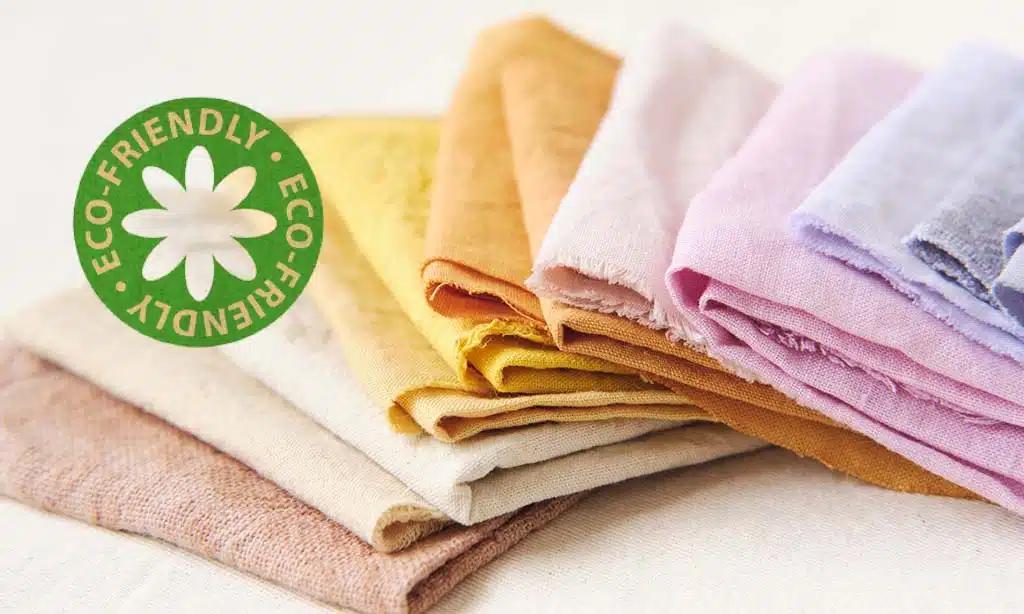
In 2025, the fashion industry is witnessing a shift toward using more eco-friendly materials that not only reduce environmental harm but also offer durability and comfort. Below are some of the most popular eco-friendly fabrics used in sustainable Eid fashion:
| Fabric | Description | Benefits |
| Organic Cotton | Cotton grown without synthetic fertilizers or pesticides | Uses less water, reduces chemical pollution |
| Hemp | Durable and biodegradable plant-based fabric | Grows without pesticides, uses minimal water |
| Bamboo | Sustainable and fast-growing grass used to make fabric | Naturally resistant to bacteria, uses little water |
| Recycled Polyester | Made from recycled plastic bottles | Reduces plastic waste, less water usage in production |
These fabrics are revolutionizing the way we approach clothing production, making it possible to look stylish without contributing to the environmental degradation typically associated with traditional fabric production.
Upcycled and Recycled Fashion
Upcycling and recycling in fashion have gained significant traction in recent years. Upcycled clothing involves taking old garments and creatively transforming them into new, unique pieces. Recycled fashion, on the other hand, focuses on using materials from previously worn clothing or discarded textiles to create new garments.
| Technique | Description | Example |
| Upcycling | Repurposing old garments into new designs | A designer turning an old sari into a stylish jacket |
| Recycled Fabrics | Reusing fibers from old clothes to create new textiles | Recycled denim jackets made from old jeans |
| Repurposed Accessories | Taking older accessories and turning them into new statement pieces | A necklace made from re-purposed beads or buttons |
Case Study: Levi’s
Levi’s has been at the forefront of upcycled fashion, introducing a line of jeans made from recycled plastic bottles and old denim. This approach not only reduces waste but also gives garments a second life.
Modular and Versatile Eid Fashion
2025 sees a rise in modular fashion, which emphasizes versatility and the ability to wear an item in multiple ways. Eid fashion is embracing this trend by incorporating pieces that can be easily adjusted or re-styled, reducing the need to buy new garments for each celebration.
Examples of modular pieces include:
- Reversible Outfits: Dresses or suits that can be flipped inside out for different looks.
- Multi-Purpose Garments: Jackets or skirts that can be styled in several different ways, offering variety without the need for multiple items.
- Convertible Dresses: Dresses that can be worn as tunics or skirts, with detachable elements.
This approach not only allows for more sustainable consumption but also encourages consumers to invest in pieces that are practical and long-lasting.
Technological Innovations in Sustainable Fashion
Technology is helping reshape the future of sustainable fashion by reducing waste and improving efficiency. Innovations like 3D printing and zero-waste patterns are at the forefront of these changes. 3D printing enables designers to create garments with no fabric waste, while zero-waste pattern design maximizes the use of fabric by eliminating leftover scraps.
Example: Adidas x Parley
Adidas has collaborated with Parley for the Oceans to create athletic wear made from recycled ocean plastic, utilizing advanced technology to transform waste into valuable materials. These types of innovations are setting new standards for sustainable fashion, and the use of recycled ocean plastic could even become a popular trend in sustainable Eid fashion in the near future.
How to Embrace Sustainable Eid Fashion in 2025
Shopping for Sustainable Eid Fashion
When shopping for sustainable Eid fashion, keep the following tips in mind to ensure you make ethical and eco-friendly choices:
- Do Your Research: Look for brands that are transparent about their production practices, sourcing, and labor conditions.
- Prioritize Timeless Styles: Choose clothing that can be worn year-round, not just for one occasion.
- Buy from Ethical Brands: Seek out brands that adhere to fair trade and ethical labor practices, ensuring that workers are paid fairly and treated well.
Reusing, Recycling, and Repurposing Your Eid Wardrobe
Instead of buying new clothes every Eid, consider reusing or repurposing what you already have:
- Alter Old Pieces: Take last year’s Eid dress and give it a new twist by adding modern embellishments or adjusting the fit.
- Swap or Borrow: If you want something new without buying it, consider swapping outfits with friends or borrowing something from a clothing rental service.
Supporting Ethical Brands and Local Artisans
Look for sustainable Eid fashion brands and local artisans who prioritize eco-friendly materials and ethical production methods. Supporting these businesses ensures that your fashion choices contribute to positive change in the industry.
The Future of Sustainable Eid Fashion Beyond 2025
The future of sustainable Eid fashion looks promising, with ongoing innovations in materials, production techniques, and consumer behavior. As awareness of environmental and ethical issues continues to grow, it is expected that the demand for sustainable fashion will only increase. The role of technology, such as 3D printing and sustainable textiles, will continue to evolve, providing more sustainable options for consumers.
Takeaways
The rise of sustainable Eid fashion in 2025 represents a significant cultural shift, where style and conscience go hand in hand. By choosing sustainable fabrics, supporting ethical brands, and repurposing our wardrobes, we can celebrate Eid while making a positive impact on the environment and society.
As the industry continues to innovate and consumers become more conscious of their choices, sustainable fashion will undoubtedly continue to grow, shaping the future of Eid and beyond.
This Eid, let’s choose fashion that not only makes us look good but also makes the world a better place.