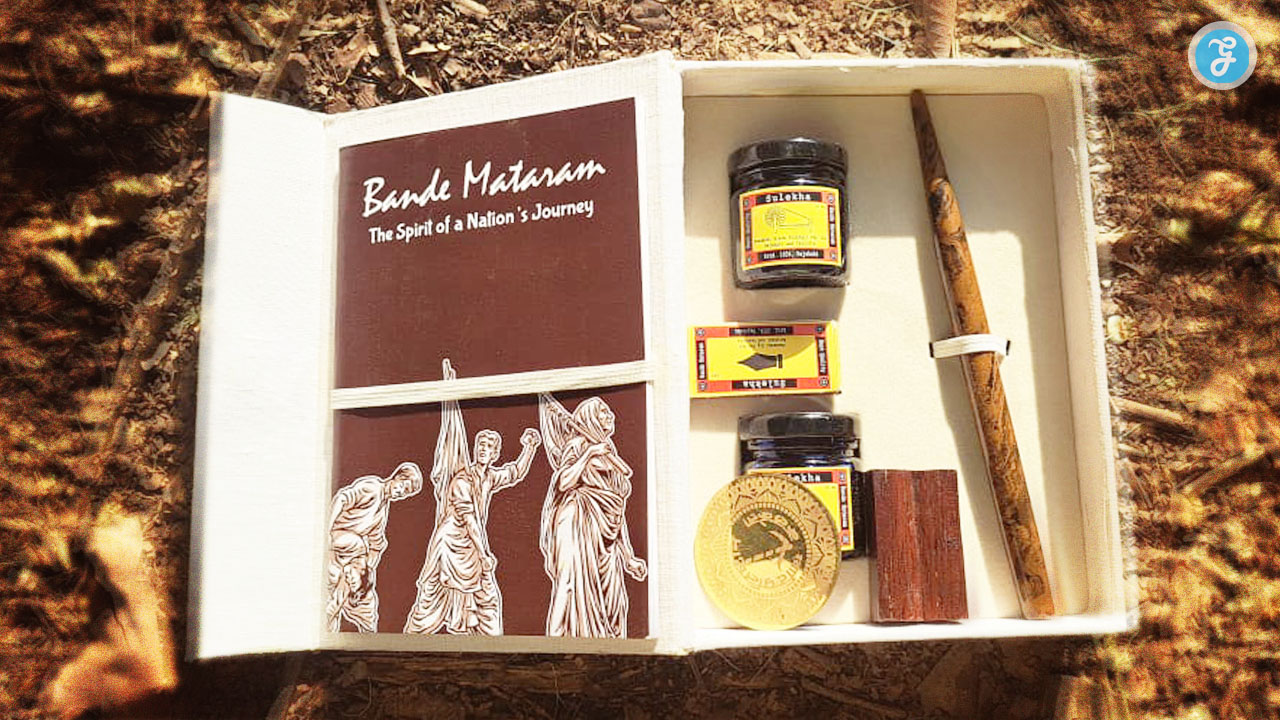
Sulekha Ink is not just a brand. It is a time capsule. For those who seek a tangible connection to India’s struggle for independence, sulekhaink.co.in serves as a modern portal to a revolutionary past. The website is the digital home for a legacy that once flowed from the pens of Mahatma Gandhi and Rabindranath Tagore. Today it brings that history to life through the Sulekha Ink Bande Mataram collector’s pack. This limited edition set is more than a writing kit. It is a silent witness to a century of defiance.
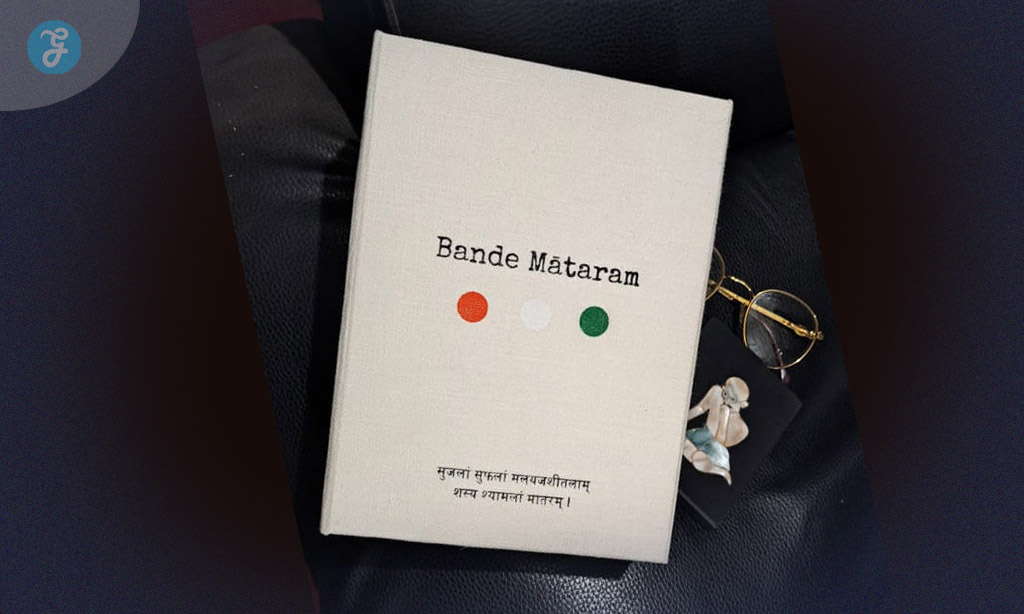
The Sulekha Ink Bande Mataram pack arrived to mark the 150th year of the song that defined a nation’s soul. It is a stunning piece of craftsmanship.

The box is coiffured in authentic Khadi cloth. This choice of fabric is deliberate. It honors the Khadi movement that stood as the backbone of Indian self-reliance. This flagship tribute serves as a bridge. It connects a revolutionary past with a modern pursuit of sustainability. Through this set Sulekha proves that true heritage does not just sit in a museum. It lives in the hands of those who still value the weight of a written word.
The Genesis: From a Mahatma’s Discomfort to a National Solution
The story of Sulekha begins with a paradox. In the early 1930s, Mahatma Gandhi was busy drafting the manifesto of Indian defiance. He called for a total boycott of foreign goods. Yet he noticed a jarring irony. He was writing these very calls for freedom with imported British ink. Gandhi realized that even his pen was tethered to the empire. He needed a solution that was entirely Indian.
The Chemist and the Brothers
Gandhi turned to Satish Chandra Dasgupta for help. Dasgupta was a brilliant chemist at Bengal Chemicals and a veteran freedom fighter. He had already experimented with a formula he called Krishnadhara. While it was a start, the product needed to be commercially viable and globally competitive.
Dasgupta found his entrepreneurs in two brothers from Rajshahi, Nanigopal and Sankaracharya Maitra. Nanigopal was a science graduate with a keen mind for chemical stability. Sankaracharya had the indomitable spirit of a salesman. Dasgupta handed over his formula and urged them to start a factory. He challenged them to create an ink that would surpass the quality of any foreign brand.
A Family Staked on Freedom
Starting a business in 1934 was an act of rebellion. It required capital that the brothers did not have. Their father, Ambika Charan Maitra, stepped forward first. He handed over his entire life savings to fund the mission. Their mother, Satyabati Devi, did not hesitate either. She gave up her gold jewelry to ensure the brothers could buy the necessary raw materials.
The first batches of Sulekha were a true family affair. The women of the household manufactured the ink in small pots. Nanigopal monitored the chemical balance to ensure it would not clog the fine nibs of the era. Once the ink was bottled, Sankaracharya loaded them onto his bicycle. He peddled through the streets of Rajshahi, selling “freedom in a bottle” to local shops and schools. This was not just a business. It was a grassroots movement. By 1936, the demand was so great that the brothers moved operations to a small rented room in Bowbazar, Calcutta. They were no longer just making ink. They were writing the first chapters of a national success story.
The MD’s Perspective: More Than Just Ink
Kaushik Maitra does not talk like a typical corporate executive. He speaks like a man guarding a legacy. For him, the return of Sulekha is a chance to fix a broken relationship between people and their tools. He views the act of writing as a moral choice.
Sustainability as the New Swadeshi
Maitra often speaks about the dangers of digital fatigue. He believes that constant screens and disposable plastic pens have disconnected us from our own thoughts. In his view, the modern version of the Swadeshi movement is environmental sustainability.
Every year, billions of plastic ballpoint pens end up in landfills. They do not biodegrade. They remain as a permanent scar on the planet. By promoting fountain pens and high-quality glass bottled ink, Maitra is reviving the Gandhian ideal of self-reliance. He argues that using a tool you can refill for a lifetime is the ultimate act of rebellion against a wasteful world.
The Bande Mataram Pack: A Symbolic Duty
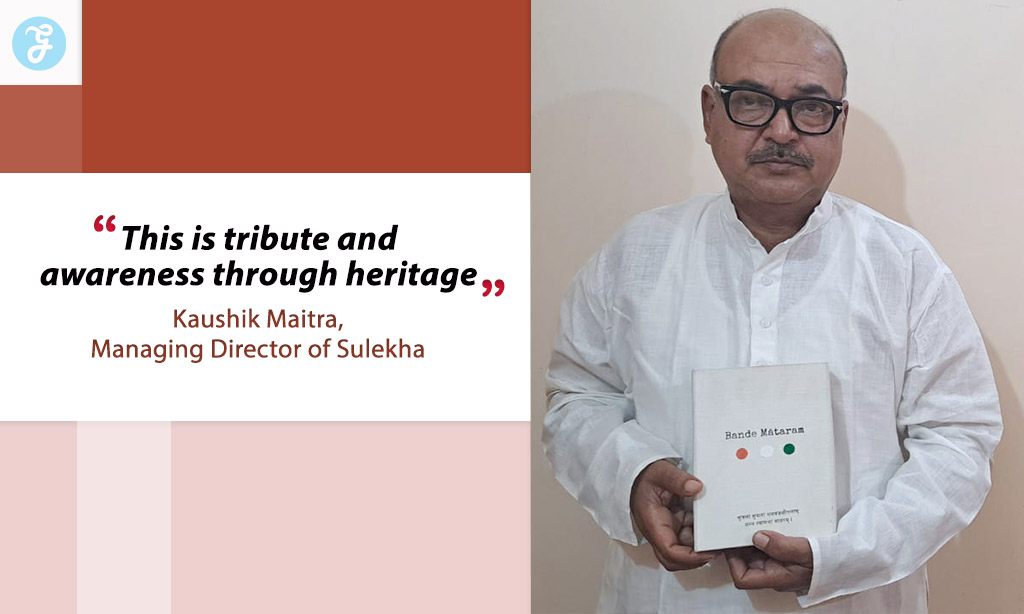
For the Managing Director, the Sulekha Ink Bande Mataram pack is far more than a luxury product. He sees it as a duty. When the 150th anniversary of the national song approached, he felt a Swadeshi entity had a unique responsibility. He wanted to create something that would serve as a living monument to Bankim Chandra Chattopadhyay. Maitra personally oversaw the sourcing of every historical element in the box. He insists that this pack exists to educate as much as to perform.
“We were pained by the lack of awareness about Bande Mataram among our youngsters and have therefore created this commemorative pack, not only as our humble tribute, but also in an effort to spread awareness about the lives of the principal protagonists and the times. The illustrated book that accompanies the pack is a part of this effort to reach out to our youngsters.” ~ Kaushik Maitra, Managing Director of Sulekha.
A Legacy Beyond the Bottle
This direct insight reveals the heart of the project. It is an educational tool masquerading as a luxury collectible. By focusing on these central figures, the pack moves beyond the lyrics of the song. It brings into focus the diverse group of thinkers and artists who shaped the Indian identity. For Maitra, if a young writer picks up a Sulekha pen and feels a momentary spark of curiosity about their roots, the mission is a success. This is how Sulekha transitions from a heritage brand to a living bridge between generations. It ensures that the story of Indian defiance is not just read in textbooks but felt through the flow of ink on a page. To him, the pack is a celebration of a century of Indian identity that refuses to be forgotten.
Heritage in Every Stroke: The Bande Mataram Pack
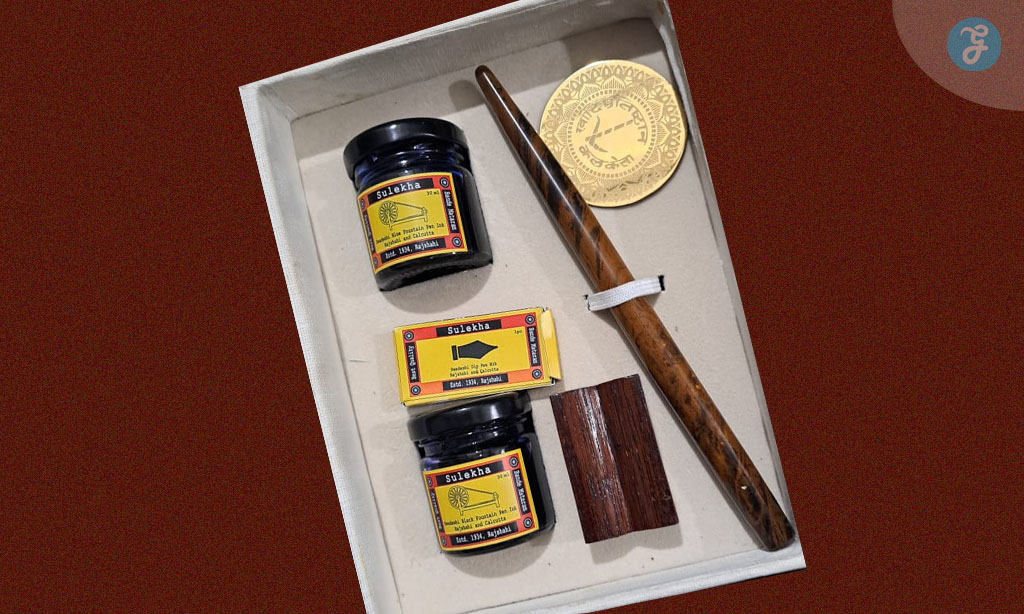
The Bande Mataram collector’s pack is not merely a product for sale. It is a carefully curated museum in a box. Priced at INR 20,000, and occasionally available at a celebratory price of INR 15,000, this set targets the true connoisseur. Its value lies in the rarity of its contents. Every item inside serves as a tactile history lesson, reconnecting the owner with the era of ink and revolution.
The Century Old Nibs of F.N. Gooptu
The crown jewel of this collection is a genuine vintage nib from the F.N. Gooptu company. They were sourced from a rare, forgotten cache of pre-independence stock. Fanindra Nath Gooptu was a pioneer who established one of India’s first indigenous pen and pencil factories. Finding these nibs today is nearly impossible. Managing Director Kaushik Maitra spent over a year tracking down a small quantity for this limited release. Writing with one is like touching the very desk of a 1930s visionary.
Ebonite, Wood, and the Sodepur Legacy
The writing instrument itself is a dip pen made of ebonite. This material was the standard for high quality pens during the freedom struggle. It feels warm and substantial in the hand, unlike modern plastic. The pen rests on a handcrafted wooden stand that evokes the simple, focused life of a satyagrahi. Also included is a brass logo of Khadi Pratisthan, Sodepur. This institution was founded by Satish Chandra Dasgupta and blessed by Mahatma Gandhi himself. Its inclusion highlights Sulekha’s unbreakable bond with the roots of the Khadi movement.
The Soul of the Song in Two Bottles
The pack features two specialized bottles of Sulekha ink. These are not just colors; they represent the first two stanzas of the national song. They complete a “circle of devotion” for the user. To guide the owner through this journey, the box contains an illustrated booklet. This guide details the song’s fascinating history. It covers Bankim Chandra Chattopadhyay’s lyrics and the original music by Jadu Bhatta. It also notes Rabindranath Tagore’s first public rendition in 1896. This booklet ensures that the collector understands the deep cultural weight of the anthem that once served as a rallying cry for a billion people.
The Visionary Behind the Tribute: Suvobrata Ganguly
The Sulekha Ink Bande Mataram project found its soul through the expertise of Suvobrata Ganguly. As a dedicated fountain pen evangelist and a respected collector, Ganguly provided the essential concept and creative inputs for this commemorative effort. His deep knowledge of writing instruments and Indian history allowed the project to move beyond being a simple product. He was instrumental in sourcing the rare artifacts that define the pack.
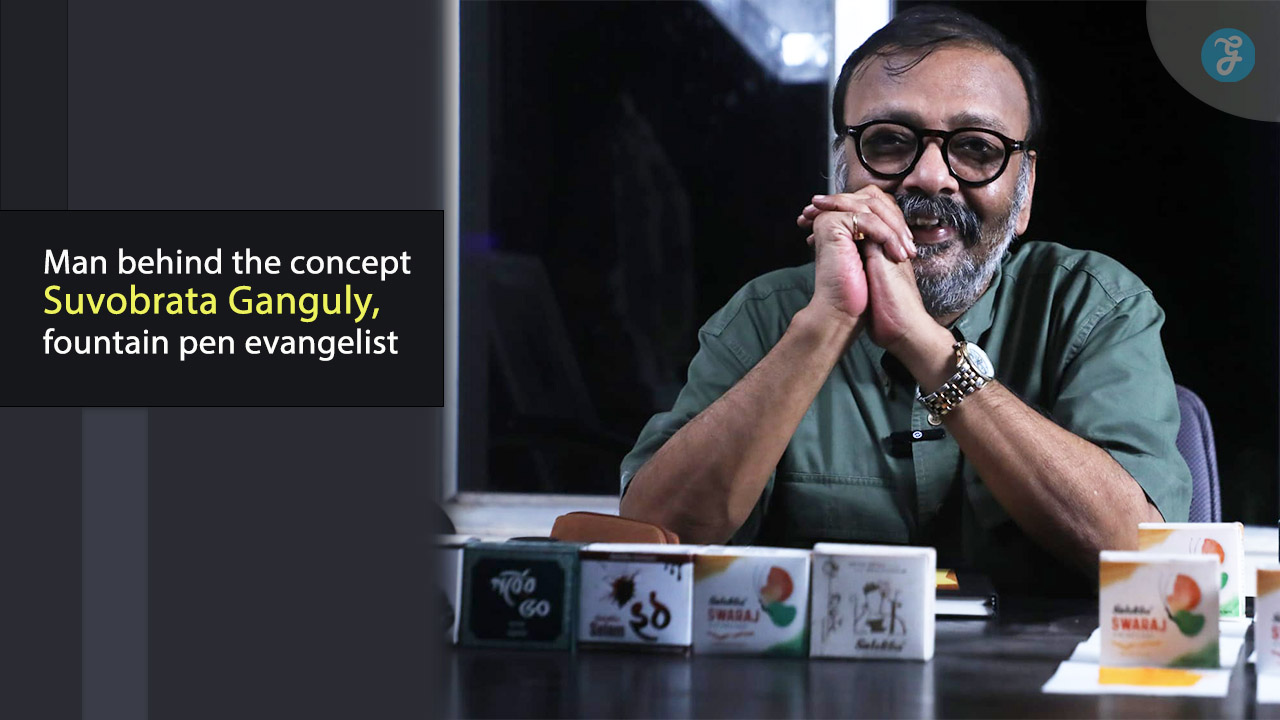
Ganguly ensured that every element, from the vintage Gooptu nibs to the specific ebonite material, remained historically accurate. His involvement bridged the gap between a manufacturer’s vision and a historian’s precision. For years, he has championed the “slow writing” movement, urging a return to the tactile beauty of ink and paper. Through this collaboration with Sulekha, Ganguly helped transform a national anthem into a physical experience. His contribution ensures that the Sulekha Ink Bande Mataram pack serves as both a functional tool and a profound archive of the Indian spirit.
The Corporate Journey: Growth, Silence, and Rebirth
Sulekha is a rare example of a brand that has lived three distinct lives. It transformed from a kitchen operation into an industrial giant before falling into a decades long silence. Today it stands revived as a boutique heritage label. This journey reflects the changing face of Indian industry and the enduring power of a good story.
The Golden Era and the Jadavpur Landmark
By the 1940s Sulekha moved its headquarters to a sprawling facility in Jadavpur, South Calcutta. This location became so central to the city’s identity that the intersection is still officially called Sulekha More. During this peak the company controlled nearly 90 percent of the domestic market in Eastern India. It was the preferred ink for everyone from primary school students to the highest levels of government. The brand even expanded globally, exporting its bottles to Africa and Southeast Asia. It was a period of absolute dominance when the word Sulekha was synonymous with the act of writing itself.
The Dark Years and the Rise of Plastic
The late 1980s brought a series of unfortunate shifts. Intense labor unrest in West Bengal crippled production lines. Simultaneously the global market moved away from the elegance of fountain pens toward the convenience of cheap plastic ballpoint pens. This “use and throw” culture made a handcrafted product like Sulekha seem like a relic. The factory gates at Jadavpur finally closed in 1988. For nearly thirty years the brand existed only in the memories of those who grew up using it. The liquidation process in 1991 seemed to be the final chapter for the Maitra family’s dream.
The 2020 Resurrection and the Slow Writing Movement
The revival of Sulekha was an organic phenomenon fueled by the 2020 global pandemic. People locked in their homes began seeking tactile, offline hobbies to escape digital fatigue. A passionate community of fountain pen enthusiasts on social media reached out to the third generation of the family. Managing Director Kaushik Maitra saw an opportunity to bring the brand back with a focus on heritage and sustainability. He restarted small scale production with a new vision. Instead of competing with mass market plastic pens, Sulekha now positions itself as a champion of “slow writing.” This comeback proves that in an age of fleeting digital pixels, people still crave the permanence of ink on paper.
Unfolding the Legacy: 5 Fast Facts
- Gandhi’s Secret Formula: The ink was born from a chemical recipe called Krishnadhara created by Satish Chandra Dasgupta specifically to answer the Mahatma’s plea for a Swadeshi writing fluid.
- The Royal Name: Legend holds that Rabindranath Tagore himself named the brand Sulekha which translates to the art of good writing in Bengali.
- Centenary Nibs: Each Bande Mataram set contains rare F.N. Gooptu nibs that were manufactured over 100 years ago and discovered in a forgotten pre-independence stock.
- Fabric of Revolution: The collector box is wrapped in Khadi cloth sourced from the Sodepur Khadi Pratisthan which was known as Gandhi’s second home and the heart of village industries.
- A Musical Layout: The two ink bottles in the set are not random but represent the first two stanzas of the national song making the act of writing a rhythmic tribute to Bankim Chandra Chattopadhyay.
A Modern Catalog of Heritage
Sulekha’s expansion into lifestyle goods bridges utility with sentiment. These items are functional archives. The leather accessories and jute products utilize natural materials that mirror the durability of the brand’s flagship inks. Through the Salil Chowdhury and Mahanayak series, stationery is transformed into cultural milestones. Collectors value these editions as symbols of Indian excellence.
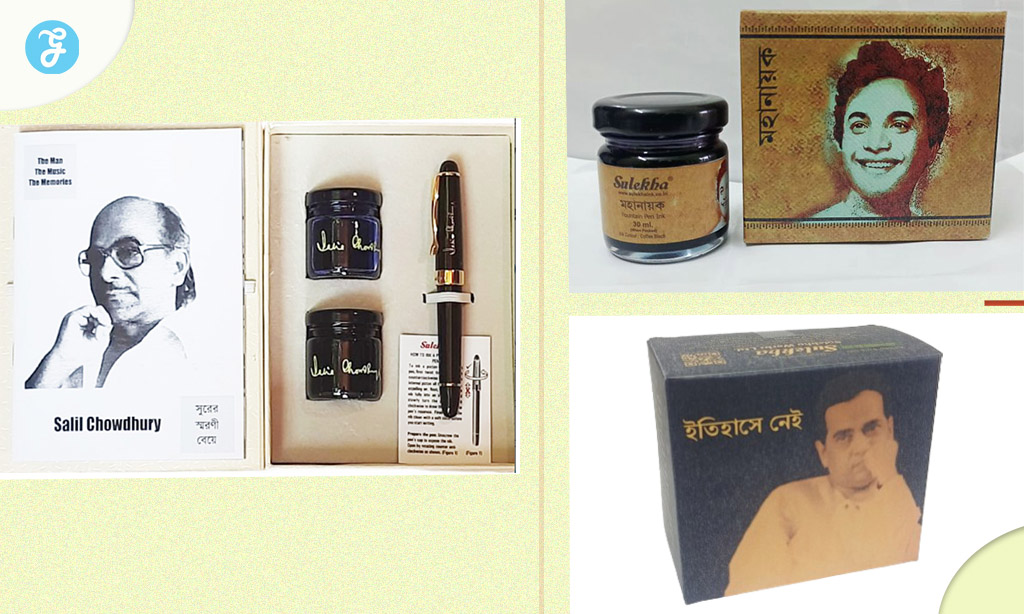
This diversification ensures relevance in a market that prioritizes storytelling. Every item serves as a portable conversation piece carrying a century of history. Artisanal notebooks offer a physical sanctuary for thoughts that deserve more than a digital screen. By making history accessible across categories, Sulekha provides the depth sought by modern professionals who demand objects that reflect their identity. Heritage now flows seamlessly from the pen into every lifestyle.
Writing the Future
The Sulekha Ink Bande Mataram pack stands as a rare intersection of luxury and legacy. For the modern collector, it represents immense historical value. This is not because of the price tag but because of the intent behind it. In an age of disposable culture, owning this set is a commitment to memory. It is an acknowledgment that some things are worth preserving. The narrative woven into the Khadi cloth and the vintage nibs turns a simple desk accessory into a profound statement of identity.
As we move through 2026, Sulekha continues to write its own future. The spirit of 1934 has not faded. It has simply found a new rhythm in the digital age. By refusing to compromise on its Swadeshi roots, the company ensures that the act of writing remains a deliberate and powerful gesture. The brand now focuses on carbon neutral production by utilizing solar energy at its manufacturing sites. This commitment to the planet aligns with the original Gandhian philosophy of harming no one while serving everyone.
The revival of these specialized inks has sparked a new interest among professional calligraphers and historians alike. They value the high surface tension and rich pigmentation that only handmade processes can achieve. By maintaining these artisanal standards, Sulekha provides a tactile alternative to the fleeting nature of digital communication. The ink of freedom still flows. It connects the hands of our ancestors to the ambitions of the next generation. Sulekha remains a living tribute, proving that as long as there are stories to tell, the world will always need a better way to write them.