

You’re walking through the streets of San Juan, and your stomach starts growling at every corner. Puerto Rican street food creates a symphony of flavors that dance on your taste buds like nowhere else in the Caribbean.
This guide will take you through nine incredible street foods that showcase the best of puerto rican cuisine, from crispy tostones to sweet piraguas. Get ready to discover flavors that will haunt your dreams.
Key Takeaways
- Puerto Rico’s street food features nine signature dishes including empanadillas, alcapurrias, bacalaitos, pinchos, sorullitos, tripletas, tostones, piraguas, and quesitos.
- Most Puerto Rican street foods belong to “frituras,” which are fried snacks served at kiosks, bars, restaurants, and beach vendors across the island.
- Alcapurrias use yuca as their base and get filled with meats like beef, crab, chicken, or octopus before deep-frying into torpedo shapes.
- Tripletas are Puerto Rico’s famous sandwich with three meats (pork, chicken, beef) plus fries, lettuce, tomatoes, mayonnaise, and ketchup on soft rolls.
- Piraguas are shaved ice treats with sweet syrups like tamarind, coconut, and cherry, perfect for cooling down during hot weather and festivals.
What are Empanadillas and why are they popular in Puerto Rico?
Empanadillas are larger versions of pastelillos that make your mouth water with every bite. These golden fried turnovers come stuffed with chicken, beef, fish, cheese, and sometimes raisins or eggs.
Puerto Rican cooks make them with flour-based dough that creates the perfect crispy shell. Some adventurous food lovers even try the pizza version filled with cheese and sauce. DPaellas in San Juan serves some of the best empanadillas on the island.
Puerto Ricans love these fried snacks because they work as perfect finger foods. Kiosks, bars, and restaurants across Puerto Rico serve empanadillas as staple appetizers. They belong to the famous group of puerto rican foods called frituras, which includes various stuffed and fried treats.
The savory or slightly sweet fillings make each bite a delicious surprise. Street food vendors know that hungry customers always come back for more of these crispy puerto rican dishes.
How are Alcapurrias made and what makes them unique?
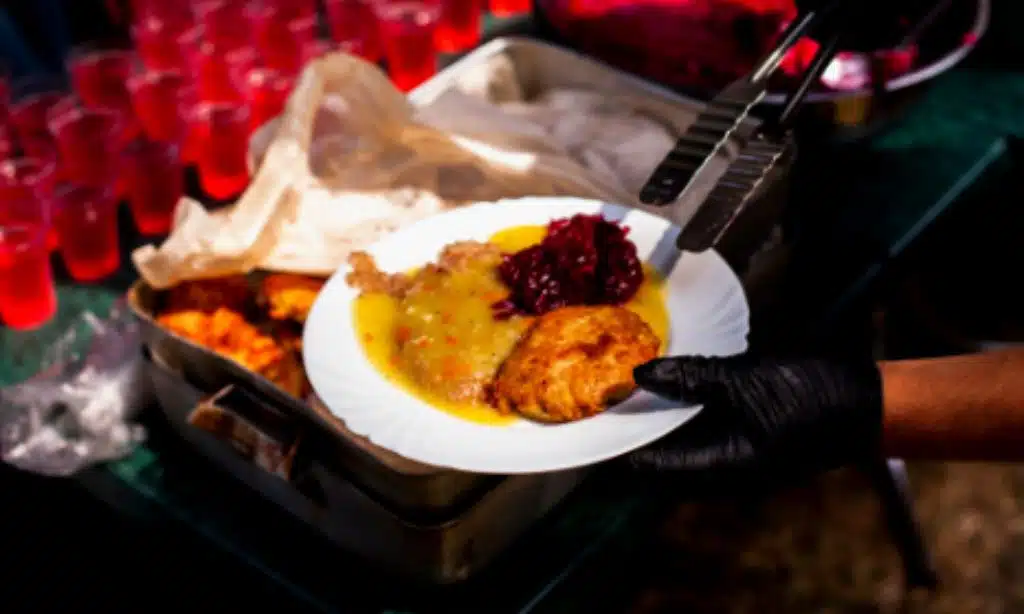
Alcapurrias are torpedo-shaped fritters that showcase the best of Puerto Rican cuisine. These crispy treats use yuca as their base, setting them apart from other Caribbean snacks.
- Cooks shred fresh yuca (cassava) and mix it with salt to create the outer shell that gives alcapurrias their distinctive torpedo shape
- Chefs fill the yuca mixture with seasoned meats like beef, crab, chicken, fish, octopus, or conch for rich, savory flavors
- The filled fritters get deep-fried in hot oil until they turn golden brown and crispy on the outside while staying tender inside
- Beach vendors originally created this street food, making alcapurrias a traditional Puerto Rican fritura with deep cultural roots
- Yuca serves as the main ingredient instead of plantains or other bases, which makes these fritters stand out from similar foods
- Food lovers can find alcapurrias at kiosks, bars, and restaurants across Puerto Rico, especially near beaches and popular tourist spots
- The variety of meat fillings lets people try different flavors, from seafood options like octopus to classic ground beef preparations
- Many Puerto Rican food tours feature alcapurrias as a must-try item because they represent authentic island cooking traditions
What is a Bacalaito and where can you find the best ones?
Bacalaitos are codfish fritters that make your taste buds dance with joy. These crispy treats combine salted cod with a simple flour and water batter, then get deep-fried to golden perfection.
They taste salty and savory, like a bite of the ocean wrapped in a crunchy shell. Puerto Rican street food culture wouldn’t be complete without these flat, crispy snacks. Beach vendors and kiosks have sold bacalaitos for generations, making them part of the island’s extensive lineup of frituras.
You can find the best bacalaitos at Santaella in San Juan, where chefs prepare them with care. Many restaurants now serve these codfish fritters alongside traditional beach vendors.
People love eating bacalaitos as appetizers before their main meals. The crispy texture and bold flavor make them perfect for sharing with friends. Puerto Rican cuisine celebrates these simple yet delicious snacks that bring families together around food trucks and seaside stands.
Pinchos: What are they and how are they typically served?
Pinchos bring the sizzle and spice to Puerto Rico’s street food scene. These grilled meat skewers pack chicken or pork onto wooden sticks, then get seasoned with local spice mixes like adobo and sazón.
Food vendors fire up their grills at festivals, roadside stands, and busy street corners. The aroma alone will stop you in your tracks.
Street vendors serve pinchos hot off the grill with a slice of bread stuck right on the end of each skewer. This bread soaks up all those delicious juices and spices while you eat.
Pinchos make the perfect grab-and-go meal for outdoor gatherings and casual dining. Puerto Rican street food doesn’t get much better than these flavorful, quick bites that satisfy your hunger on the spot.
Sorullitos de Maíz: What ingredients make this snack special?
Sorullitos de Maíz pack a simple punch with just a few key ingredients. Cornmeal forms the base of these golden sticks, creating a crispy shell that snaps between your teeth. Cheese gets mixed right into the dough, making each bite rich and creamy.
Salt brings out all the flavors, while water binds everything together into a smooth mixture.
Deep-frying transforms this cornmeal dough into crispy perfection. Local eateries shape the mixture into small logs before dropping them into hot oil. Golden brown sorullitos emerge from the fryer, ready to steal the show as appetizers or snacks.
Food stands across Puerto Rico serve these treats with mayo-ketchup sauce for dipping. Puerto Rican cuisine celebrates cornmeal in many forms, and sorullitos prove that simple ingredients can create magic on your plate.
Tripleta: What is in this famous Puerto Rican sandwich?
Tripleta stands as Puerto Rico’s most famous sandwich creation. This hearty meal features three types of meat: pork, chicken, and beef. Food trucks and street vendors across the island serve this popular dish daily.
The sandwich gets its name from the Spanish word for “triplet,” referring to the three-meat combination.
Soft rolls or baguettes hold all the ingredients together perfectly. Vendors pile on crispy fries, fresh lettuce, ripe tomatoes, creamy mayonnaise, and tangy ketchup. This combination creates bold flavors that satisfy hungry customers.
Late-night festival-goers and street food lovers enjoy tripletas for their filling portions. Puerto Rican comfort food traditions shine through in every bite of this beloved sandwich.
How are Tostones prepared and what dishes do they accompany?
Tostones come from green plantains that get a special twice-fried treatment. This crispy Puerto Rican side dish pairs perfectly with almost any main course you can imagine.
- Start by cutting green plantains into thick wheels, about one inch wide, then soak them in garlic water for extra flavor.
- Deep-fry the plantain wheels in hot oil for the first round, cooking them just until they start to soften.
- Remove the pieces and smash them flat using a tostonera or the bottom of a plate, creating wider, thinner discs.
- Fry the flattened pieces again until they turn golden brown and crispy on both sides.
- Serve tostones as a side dish with rice and beans, arroz con gandules, or any Puerto Rican comfort food.
- Pair them with grilled meats like lechón asado, skirt steak, or chillo frito for a complete meal.
- Use tostones as an appetizer with dipping sauces, or stack them with ground beef for a creative twist.
- Try the best ones at Vaca Brava in Old San Juan, where they serve them crispy and hot.
- Enjoy them with seafood dishes, especially red snapper or other Caribbean cuisine favorites that need a crunchy side.
What is a Piragua and when should you try one?
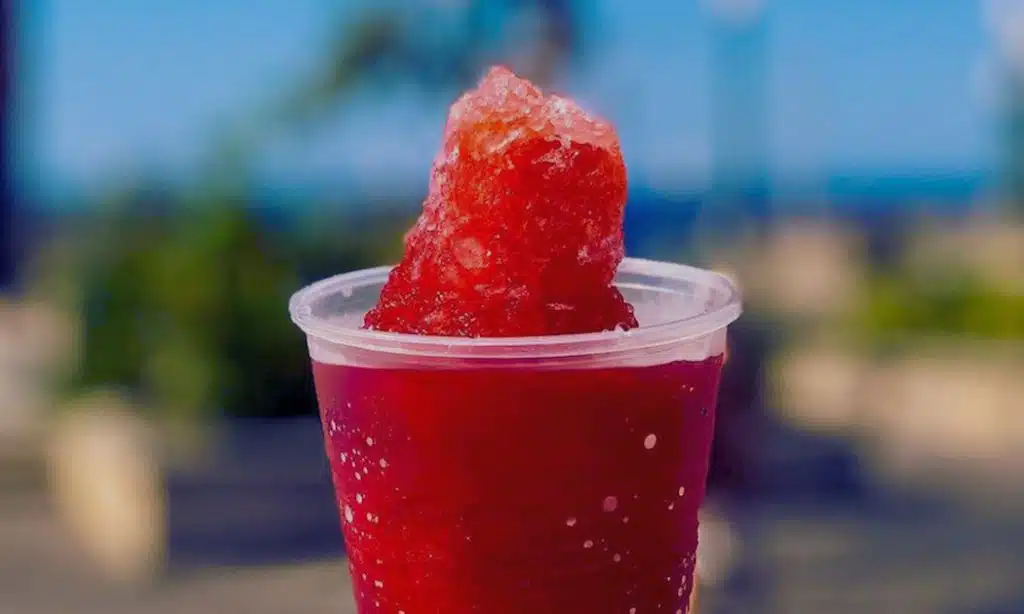
Piraguas are Puerto Rico’s answer to beating the heat. These traditional shaved ice treats come from colorful street vendor carts that dot the island’s outdoor markets and public plazas.
Street vendors pile fluffy shaved ice into cone-shaped cups, then drizzle sweet syrups on top. Tamarind, coconut, and cherry rank as the most popular flavors. Each piragua delivers a burst of tropical taste that cools you down instantly.
Hot weather makes piraguas taste even better. Festivals and outdoor markets offer the perfect time to grab one of these icy treats. Both locals and tourists line up at vendor carts during the warmest parts of the day.
The combination of puerto rican cuisine and refreshing relief makes piraguas an iconic part of the island’s street food scene. Smart visitors try them while exploring busy plazas or after eating spicy puerto rican food.
What are Quesitos and why are they a beloved dessert?
Quesitos are flaky pastries filled with sweetened cream cheese that make Puerto Ricans smile every time. These golden treats get glazed with sugar or honey for a shiny, sweet finish that catches your eye in bakery windows.
The combination of creamy filling and crisp pastry makes them a local favorite across the island.
You can find these puerto rican desserts in bakeries and cafes throughout Puerto Rico. People enjoy them as a breakfast treat or dessert, often paired with puerto rican coffee for a perfect snack.
Quesitos highlight Puerto Rico’s love for sweet, indulgent pastries that bring comfort to any day.
Takeaways
Puerto Rico’s street food scene will leave you craving more long after your trip ends. Each bite tells a story of the island’s rich culinary traditions, from crispy alcapurrias by the beach to sweet quesitos fresh from the bakery.
Pack your appetite and prepare for a food adventure that captures the true spirit of puerto rican cuisine. Your taste buds will thank you, and these flavors will haunt your dreams in the best possible way.
FAQs on Street Foods in Puerto Rico
1. What makes Puerto Rican street food so special?
Puerto Rican cuisine blends Caribbean flavors with West African and Latin American influences. The island’s culinary traditions create comfort food that hits different, using ingredients like sazón, plantains, and pigeon peas. You’ll taste history in every bite.
2. Where can I find the best roasted pork in Puerto Rico?
La Ruta del Lechón, also called the Pork Highway, runs through Bayamón’s mountains. This stretch serves the island’s most famous lechón asado, where whole pigs get roasted over open flames. The crispy pork crackling alone will make your mouth water.
3. What are the most popular fried foods on Puerto Rican streets?
Chicharrón and rellenos de papa top the list for good reason. These crispy pork rinds and stuffed potato fritters pack serious flavor. You’ll also find fried plantains everywhere, both green plantains and sweet plantains.
4. Are there any unique Puerto Rican desserts I should try?
Arroz con dulce tastes like Christmas in a bowl, made with rice, coconut milk, and warm spices. Bread pudding gets a tropical twist here too. Don’t miss the fresh paletas, Puerto Rico’s answer to popsicles.
5. What drinks pair best with Puerto Rican street food?
Puerto Rican coffee kicks harder than mainland brews and cuts through rich foods perfectly. For something cold, try a piña colada or virgin colada. The island invented this creamy coconut drink, so you know it’s the real deal.
6. Can I find fresh seafood at Puerto Rican street vendors?
Chillo frito, or fried red snapper, shows up at beachside stands across the island. Vendors near Río Grande serve amazing ceviches with citrusy marinades. The fish comes straight from Caribbean waters, so it tastes incredibly fresh.






























