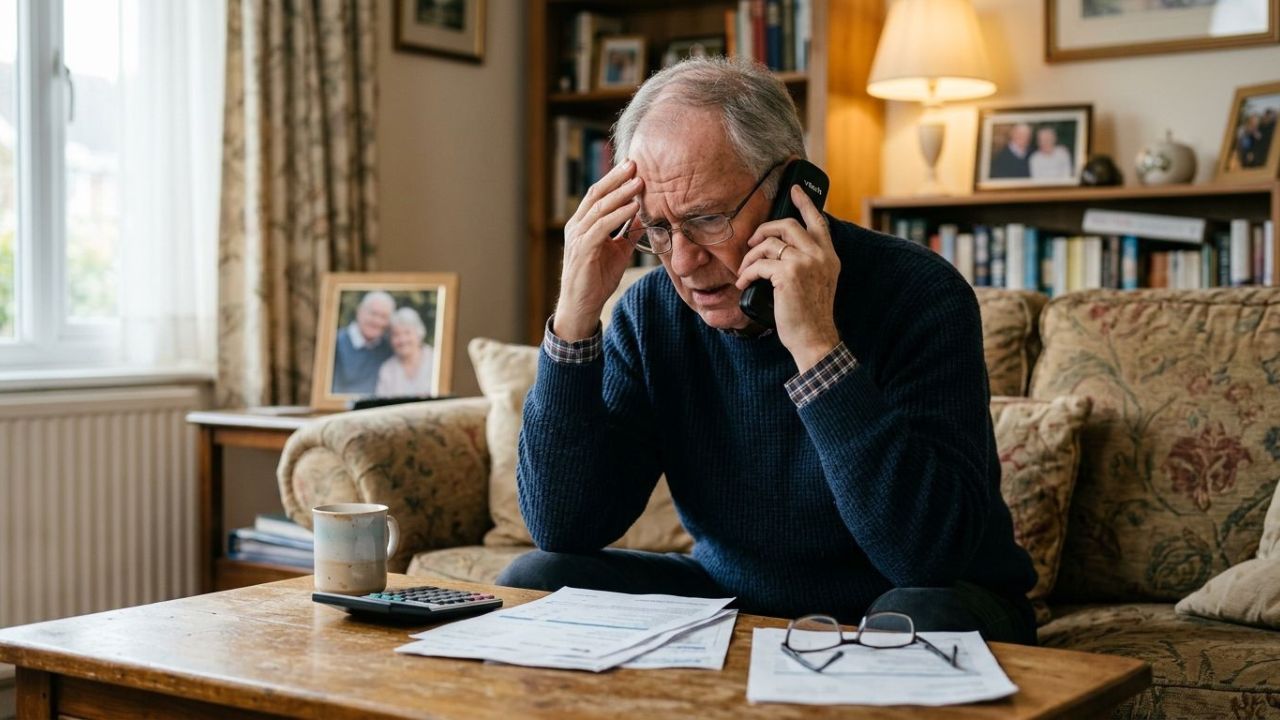
Has your phone ever rung with a caller claiming to be from the Social Security Administration? They say your benefits are in danger. Your heart races. This happens to thousands of retirees every single day. Do you know how to stay safe from social security warning retirees scams?
Scammers pretend to be government officials to trick people out of money and personal information. The calls feel real and the threats sound official, but none of it is. These criminals use fear as a weapon, and retirees become their targets because they often have retirement savings and steady income.
In February 2026, the Social Security Administration and its Office of the Inspector General issued a major alert. They warned the public about a significant increase in government imposter scam emails. These fake messages falsely claim to provide access to Social Security statements.
The Federal Trade Commission received over 330,000 complaints about government impersonation scams in 2025, a jump of 25% from the year before. These social security scams cost Americans hundreds of millions of dollars every year.
The problem is growing. Scammers are getting smarter, using artificial intelligence to make their tricks harder to detect.
This article breaks down exactly what scammers do. You will learn the common tactics they use, the warning signs that reveal a scam, and practical steps to protect your money and personal information. I’ll walk you through all of it, step by step, so you can keep your retirement secure.
Common Tactics Used in Social Security Scams
Scammers use many tricks to steal your money and personal information. They call, text, email, and even send physical mail with fake stories that sound completely real. Here are the main methods they use.
Impersonation of SSA Officials
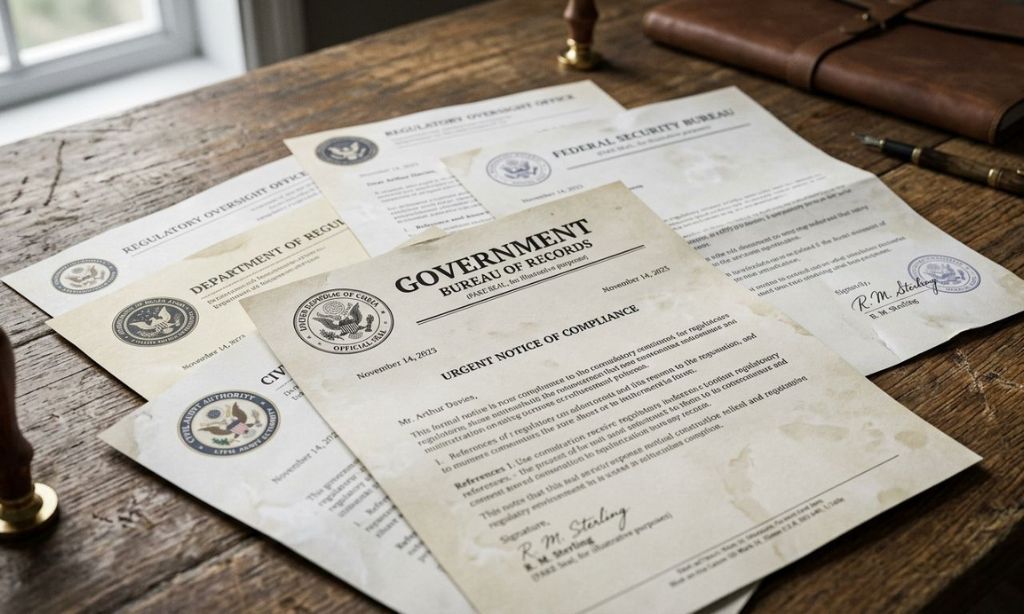
Criminals pose as Social Security Administration officials through phone calls, emails, texts, letters, and social media messages. These imposter scams copy real names and photographs of actual government employees to look legitimate.
The scammers spoof real government phone numbers, making caller ID show official SSA contact information. They may claim to transfer your call to law enforcement or another government official to gain your trust.
Some send email attachments or text messages with images of fake badges or official-looking documents. Reproducing federal credentials is illegal, yet scammers do it anyway. They want you to feel like they have real authority.
Social media accounts that mimic SSA branding are another serious threat to retirees. These fraudulent accounts use fake SSA or OIG handles and copy the language of real government agencies. They threaten arrest or legal action if you don’t make immediate payment.
- They demand cash, gift cards, wire transfers, cryptocurrency, or prepaid debit cards.
- They spoof official phone numbers so caller ID looks legitimate.
- They use fake badges, photos, and official language to build false trust.
- They create fraudulent social media profiles to target retirees directly.
The Office of Inspector General warns that SSA impersonation scams keep growing. Staying skeptical about any unsolicited contact is your first line of defense. Federal employees will never demand payment through any of these methods.
Threats of Suspended Benefits or Arrest
Scammers love to scare retirees with fake threats. They call or send letters claiming your Social Security number is suspended. They demand immediate payment or personal information right away.
The SSA Office of Inspector General warns that these imposter scams are on the rise. Criminals threaten to seize your bank accounts and pressure you to move money to so-called “protected accounts” fast. Some even claim they will arrest you if you don’t pay up.
According to an October 2025 alert from the SSA Office of the Inspector General, a new physical mail scam has emerged. Criminals send letters on fake U.S. Supreme Court letterheads, complete with forged signatures from Chief Justice John Roberts and Justice Sonia Sotomayor. These letters falsely warn that your bank accounts will be frozen unless you comply immediately.
This tactic shows how far scammers will go. They know people are increasingly ignoring digital texts and emails, so they switched to authoritative-looking physical mail. Don’t be fooled by official-looking letterheads or forged signatures, no matter how real they appear.
Scammers also threaten to deactivate your Social Security card or cut off your retirement income. Some request in-person meetings to collect valuables from your home. They tell victims to keep all communications secret so no one else finds out.
- Real SSA staff will never ask you to move cash to special accounts.
- They will not threaten to seize your bank accounts.
- They will not request in-person meetings to collect money or valuables.
- Any demand for secrecy is a major warning sign.
Real SSA officials never threaten arrest. They never demand immediate payment. The administration does not suspend Social Security numbers or accounts. If someone calls threatening arrest or benefit suspension, end contact right away and file a complaint with the Federal Trade Commission and the Better Business Bureau.
Phishing Emails, Texts, and Fake Links
Phishing emails and text messages arrive in your inbox looking official, but they’re traps. Scammers send unsolicited emails with attachments or links that appear to come from the Social Security Administration. These messages often include images of badges or official documents to look real.
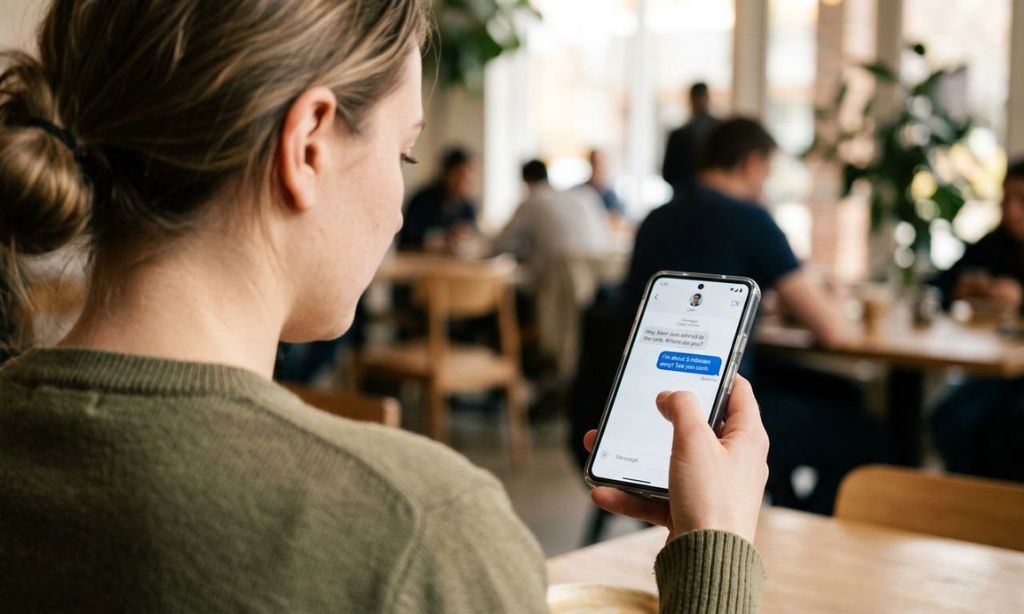
The links take you to fake websites that don’t end in .gov. Criminals ask you to click on links and enter your personal information. Some phishing emails claim you can access your Social Security statement or check your benefits right away.
These fake messages spread across email spam, text messaging, and even WhatsApp. Scammers also direct message victims on social media, offering to help with benefits or replacement Social Security cards. They charge fees for documents the government already provides for free.
Your phone buzzes with an urgent text saying your Social Security benefits are suspended. The message includes a link to “fix” the problem fast. You click it, and your personal details are stolen. This is one of the most common scam email tactics in use today.
Artificial intelligence makes these scams harder to spot. Criminals use AI to write more convincing messages and create believable fake accounts. The Senate Special Committee on Aging warns about these emerging AI-powered threats.
Real SSA officials never request sensitive information through email, text, or social media. If you’re unsure about any message, contact the SSA directly using the official website or a phone number you find yourself, not one from the message.
Warning Signs to Recognize a Scam
Scammers follow predictable patterns. Once you know what to look for, you can spot these social security scams before they hurt you. The warning signs fall into two groups: how they contact you and what they demand from you.
Red Flags in How They Reach Out
Pay attention to how the contact starts. These details often give a scammer away before they even finish their opening line.
- They impersonate SSA officials. Scammers use fake badge numbers or fraudulent letterhead to look real. They sound official, but they are not.
- They make false claims. Criminals claim your Social Security number has a problem or offer you a prize you never won. These lies create panic so you react without thinking.
- They use fake social media pages. Fraudulent pages have low follower counts, misspellings in the name, and links that don’t end in .gov. Some even charge money for free forms the SSA already provides.
- They send phishing emails and texts. These messages look like they come from the government. The fake links steal your details the moment you click them.
Red Flags in What They Ask You to Do
Once they have your attention, scammers move quickly to their real goal: getting your money or your data. These demands are clear signs of a scam.
- They pressure you to act fast. Urgency is their weapon. Scammers push hard to make you act without thinking, leaving no time to question them.
- They demand untraceable payment. Criminals ask for gift cards, cryptocurrency, wire transfers, precious metals, prepaid debit cards, or cash. According to recent data from the Federal Trade Commission, gift card fraud alone cost consumers over $212 million in 2024, with Apple and Target cards among the most commonly demanded brands. These payment methods are untraceable and unrecoverable once sent.
- They demand secrecy. Asking you to keep the conversation secret from family or friends is a telling sign. Scammers do this to avoid getting caught before they can take your money.
- They trigger strong emotions. If a call or message makes you feel sudden fear or excitement, pause. Talk to someone you trust before you do anything else.
Your gut feeling matters. Real government agencies don’t create panic or demand you act within minutes. If something feels off, it probably is.
Steps Retirees Can Take to Stay Safe
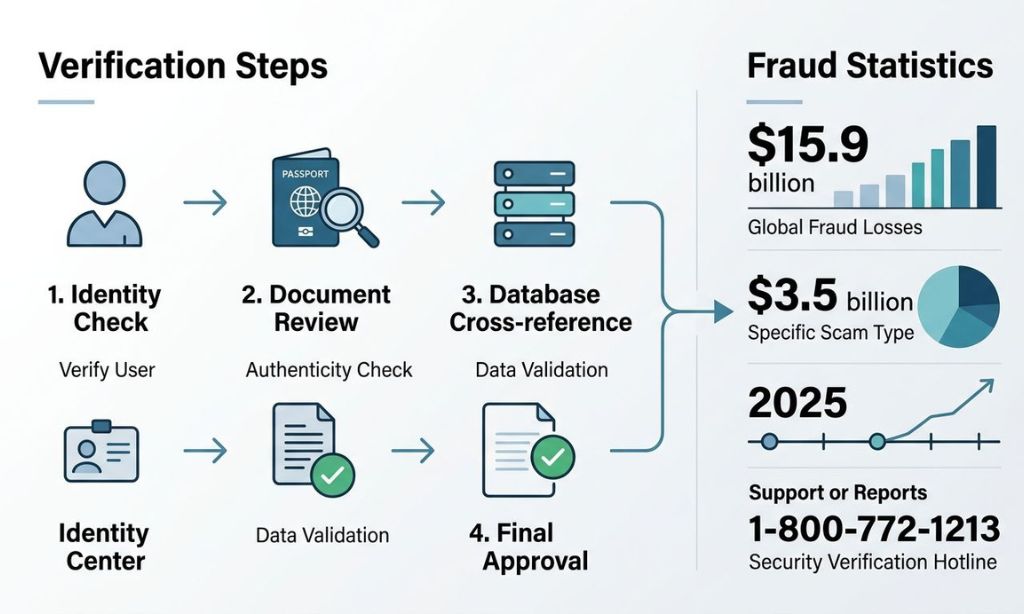
You can protect yourself by taking action right away when something feels off. These steps show you exactly how to guard your Social Security benefits from scammers who are trying to steal what you’ve worked hard to earn.
Verify Communications Directly with SSA
The single best thing you can do is verify before you respond. Here’s how to do that quickly and with confidence.
- Call the SSA’s official phone line at 1-800-772-1213 to verify any suspicious communication before sharing any information or responding.
- Visit your local Social Security Administration office in person if you get threatening letters or calls about suspended benefits or arrest.
- Check www.ssa.gov/socialmedia to find verified Social Security social media accounts. Scammers often copy official pages to steal personal details.
- Create a my Social Security account at ssa.gov/myaccount to monitor your record and receive alerts for unauthorized changes that could signal fraud.
- Know that the SSA generally communicates problems via official mail, not phone calls, emails, or social media posts about your key income source.
- Report imposter scams immediately through the SSA’s dedicated portal at ssa.gov/scam. According to a 2026 report by the Federal Trade Commission, Americans lost a record $15.9 billion to fraud in 2025, with imposter scams alone responsible for over $3.5 billion. Reporting quickly helps investigators stop criminals before more people get hurt.
Keep this in mind: legitimate SSA calls only happen after you file an application or make an inquiry. Real agents never demand payment or threaten legal action. If you receive an unsolicited call doing either, it’s a scam.
Avoid Sharing Personal Information or Making Payments
Scammers want your money and your personal details. You need to protect both.
- Never give your Social Security number to anyone who calls, texts, or emails you first. The Social Security Administration never asks for this information unsolicited.
- Hang up immediately if someone claims to be from the SSA and requests payment via gift cards, cash, or cryptocurrency. Federal law enforcement in the United States is clear: these payment methods signal a scam every time.
- Do not click links in phishing emails or texts claiming to be from the Social Security Administration. These fake links steal your login credentials and personal data.
- Contact Equifax, Experian, and TransUnion to place a fraud alert on your credit report if your personal information was compromised. U.S. federal law guarantees your right to freeze your credit for free at all three major bureaus. This step stops criminals from opening accounts in your name.
- Visit identitytheft.gov to report identity theft and get a recovery plan specific to your situation. This tool helps you take back control step by step.
- Refer to the FTC’s guide “What To Do if You Were Scammed” for more recovery steps specific to your case. The guide walks you through each action clearly.
If money was stolen from you, report the incident to your local police department right away. Taking action quickly gives you the best chance of recovery. Create a new, strong password for your Social Security account if your login credentials were exposed, and store it somewhere secure.
Final Words
Your Social Security benefits matter. Protect them by staying alert and questioning anything that feels off. The Social Security Administration and its Office of Inspector General issue regular public warnings about social security scams, so pay attention to those alerts.
Act fast if you spot a scam. Contact the Federal Trade Commission at (877) 382-4357 or report it at ssa.gov. You’ve worked hard for your retirement. Don’t let criminals take what’s yours.
FAQs on Social Security Warning Retirees Scams
The Social Security Administration warns that scammers impersonate SSA officials to steal your personal information and money. In 2023, the Federal Trade Commission reported that Americans lost over $48 million to Social Security-related scams. Never share personal details with anyone claiming to be from Social Security who contacts you unexpectedly.
The four warning signs include threats of arrest or legal action, demands for immediate payment, requests for unusual payment methods like gift cards, and phishing emails with suspicious links. Real Social Security officials will never threaten you or pressure you for instant payment.
3. Why is the SSA warning the public about these scams?
The SSA is warning the public because scammers specifically target Social Security recipients, especially older adults. The Office of Inspector General works to protect Social Security programs and operations from fraud.
4. How can seniors stay safe from these tricks?
Never share your Social Security number or financial information with unexpected callers or emails. If you’re unsure about a contact, hang up and call the official SSA number at 1-800-772-1213 to verify.
5. Does the Office of Inspector General encrypt sensitive data to protect recipients?
Yes, the Office of Inspector General uses encryption to protect sensitive recipient data from scammers. This security measure keeps your personal information safe in their systems.