
Tossing and turning all night? You are not alone. Many people wake up tired, wondering if they even slept at all. Tracking your sleep stages, like REM sleep and deep sleep, can help you spot patterns in your rest—and find ways to fix them.
Did you know that a fitness tracker or smart ring can tell if you are snoring or stressed while asleep? These devices check heart rate, blood oxygen levels, and more without needing wires everywhere.
In this guide, experts rank the top 10 sleep-tracking gadgets for 2025. See which wearable trackers boost your sleep quality and what makes each one shine—curious yet? Keep reading to get real answers for better nights!
Key Takeaways
- Most sleep trackers, like the Oura Ring Gen 4 and Whoop 5.0, check heart rate, REM sleep, deep sleep, and light sleep each night. For example, the Fitbit Charge 2 can spot when you fall asleep with about 96% accuracy but is less precise for deep sleep (49%).
- Devices such as Apple Watch Series 10 and Samsung Galaxy Ring add extra features like snore detection or blood oxygen levels tracking. Some also track stress or menstrual cycles for better personal health insights.
- Battery life varies a lot. Withings Scan Watch 2 lasts up to 30 days on one charge while Apple Watch Series 10 needs daily charging (18 hours). Longer battery means more nights tracked without breaks.
- Many trackers need a monthly fee for full features—Oura Ring costs $6 per month after one free month; Whoop charges $30 every month with yearly sign-up required.
- Non-wearable options like the Eight Sleep Pod 3 cover slip under your sheets and offer basic data but may not track all body signals as closely as rings or watches do.
How to Choose the Right Sleep-Tracking Device
Picking a sleep tracker isn’t just about fancy screens or buzzwords—think about what matters most to you. Fitbit bracelets, smartwatches, and even ring trackers like the Oura Ring 4 all offer their own spin on tracking your nightly rest.
Accuracy of data
No sleep tracker can match a lab test with EEG sensors. But wearables do a decent job for daily use. For example, Fitbit Charge 2 has about 96% accuracy for knowing when you fall asleep, but it drops to 49% for tracking deep sleep and only covers REM stages at about 74%.
Whoop gets almost perfect heart rate tracking during sleep—99.7%, according to Central Queensland University. It also hits about 99% accuracy measuring HRV (heart rate variability) while you rest.
Oura Ring and Apple Watch collect data on your breathing, readiness score, resting heart rate, and even blood oxygen levels. These devices miss things like brain waves or some complex events that in-office studies catch, but most people still find the insights helpful for spotting trends or fixing their sleep habits.
Wearable vs. non-wearable options
Wearable devices like the Oura Ring Gen 4 and Whoop 5.0 sit on your finger or wrist. These trackers keep tabs on sleep cycles, REM sleep, light sleep, heart rate variability, and activity tracking all night.
They move with you as you roll in bed or get up for water. Wearables grab more accurate data and suit most people who want health metrics beyond just shut-eye hours.
Non-wearable options such as the Withings Sleep Tracking Mat and Eight Sleep Pod 3 Cover slip under your mattress sheet or need a power outlet close by. No bands or rings needed—just plug them in once, then go to bed normally.
Still, they skip some body signals like skin temperature and often miss quick movements that change sleep readings. For those dodging gadgets touching their skin but craving basic sleep data about snoring detection or simple sleep scores? A mat may be enough—but don’t expect the same level of detail as something like an Oura ring or Samsung Galaxy Ring offers right from your hand.
Battery life considerations
Long battery life helps you track sleep without many breaks or charges. Oura Ring Gen 4 keeps ticking for 5–6 days, some say even up to 7. Garmin Forerunner 165 hangs on for about 8 days, though it claims a whopping 11.
Whoop Band lets you swap out the battery pack and keep going, but there’s no fixed number listed. Withings Scan Watch 2 blows others away with a full month—30 days—of use before needing juice.
Short battery life means more time plugged in and less time tracking your sleep score or collecting heart rate data at night. Smarter choices make things easy: pick longer-lasting devices if you dislike charging often or want steady health metrics like readiness scores and activity tracking all week long.
Sleep trackers with strong batteries pull their weight, so your sleep habits get tracked each night without stopping halfway through REM sleep or deep sleep phases.
Subscription fees and costs
Oura Ring Gen 4 charges $6 each month for its sleep tracking features. Whoop 5.0 hits your wallet harder at $30 per month, and you must sign up for at least a year. Eight Sleep costs between $17 to $25 per month if you want all the fancy sleep metrics on their Pod 3 Cover.
Fitbit Inspire 3 lets you choose—a subscription is optional, pay either $10 per month or get a deal for $80 yearly. Many sleep trackers use subscriptions to unlock deeper health data—like heart rate variability, REM sleep stages, and even guided meditations right through your device or phone app.
Some fitness trackers give basic info free but ask for payment if you want advanced reports on your sleeping habits or more accurate snoring detection insights. Keep an eye out because these fees add up fast over time!
Additional health metrics tracked
Many sleep trackers measure health data beyond just your sleep habits. You see heart rate, HRV, respiratory rate, skin temperature, and blood oxygen levels right on your wrist or finger.
Some devices go a step further. For example, Eight Sleep Pod 3 Cover offers body temperature control while you rest.
Oura Ring Gen 4 includes menstrual cycle tracking and stress monitoring for deeper fitness insights. Withings Scan Watch 2 looks for AFib events and breathing issues during the night.
These extra features help spot possible sleep disorders or changes in wellness early, making activity trackers smarter with every update.
Oura Ring Gen 4
Slip on the Oura Ring Gen 4, and it quietly tracks your sleep stages, temperature, and heart rate as you dream. Curious how this tiny titanium circle stacks up for health data fans? Keep reading to find out if it’s the champion of your next slumber party.
Features & Description (Oura Ring Gen 4)
Oura Ring Gen 4 fits like a simple band, but it packs high-tech sleep tracking. It checks your heart rate, HRV, respiratory rate, and blood oxygen levels every night. The ring helps spot deep sleep and REM phases, tracking your light sleep too.
Each morning, you get a Sleep Score with advice to boost your rest.
It keeps tabs on stress and body temperature shifts as well. Menstrual cycle tracking is built in for women’s health needs. You’ll see activity numbers and even get hints if you need more recovery time or movement during the day.
Charge it once every 5–6 days; Oura claims up to 7 days of battery life per charge. Priced at $349 plus a $6 monthly fee after one month free—the app offers detailed insights on both iPhone and Android devices.
Pros & Cons (Oura Ring Gen 4)
Oura Ring Gen 4 works like a silent sleep coach on your finger. Sleep quality, activity tracking, and heart rate monitoring are all part of its game.
- The sleek ring design feels comfortable and light, so you forget it’s there.
- Battery life lasts up to 7 days, which means less time charging and more time wearing.
- Personalizes health data for each user, showing a daily readiness score to guide your choices.
- Tracks heart rate variability (HRV), resting heart rate, skin temperature, respiratory rate, and blood oxygen levels.
- Offers detailed sleep metrics like REM sleep, deep sleep, light sleep stages, total sleep duration, and a clear sleep score.
- Reports are delivered without loud buzzes or bright screens that can wake you up at night.
- App provides easy-to-read graphs about your nightly routine and recovery score.
- Measures activity throughout the day in sync with fitness tracking tools from Apple Health and Google Fit.
- No snoring detection features included—other devices might catch noisy nights better.
- Menstrual cycle tracking is built into the app for extra wellness support.
- Prone to scratches if you hit it on hard surfaces or wear other chunky jewelry next to it.
- Does not need a monthly subscription for basic tracking; premium extras require payment.
- Lacks some features found in big smartwatches such as direct messaging or answering calls.
Whoop 5. 0
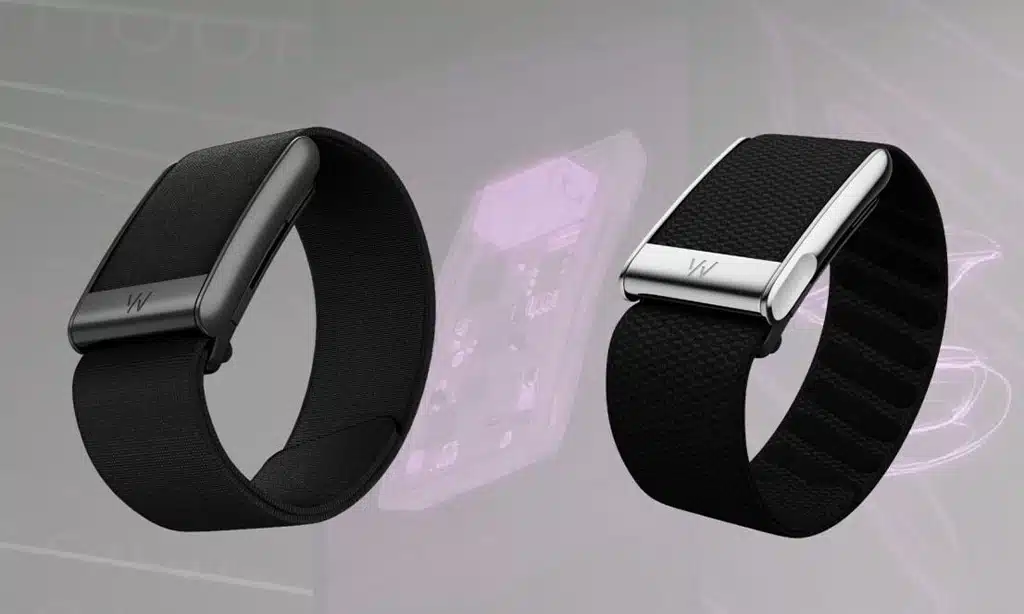
Whoop 5.0 is a wristband that tracks sleep, fitness, and recovery with no screen to distract you at night. Its app gives you detailed sleep analytics, so your mornings start with insights instead of guesswork.
Features & Description (Whoop 5.0)
Whoop 5.0 helps athletes improve sleep, recovery, and training results. It tracks heart rate variability (HRV), resting heart rate, blood oxygen levels, skin temperature, respiratory rate, and body strain.
This device monitors all your sleep stages—light sleep, deep sleep, and REM sleep—to show how well you rest each night. Sleep tracking accuracy is high.
You get a readiness score every morning based on your health data from the night before. Battery life runs up to 14 days on one charge—no need to take it off often for charging. Subscription plans start at $239 upfront for a year or $399 for two years; family options cost $199 per person yearly.
Whoop 5.0 does not have a screen but syncs with apps so you check reports right from your phone or tablet. Many pro sports teams use this tracker to boost fitness tracking and spot early signs of possible problems like overtraining or poor recovery habits.
Pros & Cons (Whoop 5.0)
The Whoop 5.0 stands out in sleep tracking and activity tracking. It gives sharp health data and smart suggestions.
- Tracks REM sleep, deep sleep, and light sleep every night.
- Delivers a daily recovery score using heart rate variability (HRV) and resting heart rate.
- Offers strain score for fitness tracking that shows how hard you push your body each day.
- Monitors blood oxygen levels, skin temperature, respiratory rate, and stress monitoring.
- Personalized recommendations help you improve your sleep habits, exercise routines, and readiness score.
- Lacks a display screen to cut down on distractions during rest or workouts.
- Removable battery pack means you do not have to take it off for charging.
- Rings up high with subscription fees which can add up each year.
- No chunky design makes it comfortable but easy to forget on the wrist.
- App keeps all your health metrics together for quick access and better sleep insights.
Apple Watch Series 10
The Apple Watch Series 10 packs strong sleep tracking, fitness monitoring, and health data all in one wrist gadget. With apps like Sleep++ and heart rate sensors, it’s got a game plan for your nightly rest—no more counting sheep with crossed fingers.
Features & Description (Apple Watch Series 10)
Packed with sleep tracking tools, Apple Watch Series 10 covers all the big health metrics. For $249, you get heart rate monitoring, blood oxygen levels, body temperature checks, and detailed sleep cycle data.
It tracks REM sleep and deep sleep without fuss or extra fees.
Battery life runs for 18 hours—enough to work day and night but may need charging before bed if your routine is long. You can see respiratory rate during the night and keep tabs on your readiness score in the morning.
No subscription required—just wear it like a regular fitness tracker and check your stats through Apple Health.
Pros & Cons (Apple Watch Series 10)
Apple Watch Series 10 helps track sleep and other health data right on your wrist. It links up with the Vitals app, giving you a full look at your sleep stages and wellness.
- Tracks sleep stages like REM, light, and deep sleep for better sleep quality checks.
- Monitors heart rate variability (HRV), resting heart rate, and blood oxygen levels each night.
- Offers activity tracking, guided meditations, and even menstrual cycle tracking for an all-in-one approach.
- Gives you a sleep score every morning to help spot patterns in your sleep habits or problems.
- Connects with the Vitals app for easy health data viewing and simple charts.
- Fits well into Apple’s Health ecosystem; pairs smoothly with iPhone devices.
- Supports snoring detection and can send reminders to improve bedtime routines.
- Runs quick but reliable battery life—usually needs daily charging, which can feel short if you need to track sleep at night too.
- Only works with iOS devices; users of other phones are out of luck.
- Some features may require paid subscriptions—think about costs before buying.
Samsung Galaxy Ring
Samsung enters the ring with a small device that tracks your sleep stages and heart rate, right on your finger. Curious how it compares to Oura Ring Gen 4 or Apple Watch Series 10? Keep reading, because this one sparks plenty of chatter among sleep tracker fans.
Features & Description (Samsung Galaxy Ring)
The Galaxy Ring offers sleep tracking with heart rate, energy, and snoring detection. It also checks blood oxygen, stress, skin temperature, and tracks your menstrual cycle. You get activity and sleep performance data each night.
The device gives you a trial for 15 days and includes a one-year warranty.
This ring works best with Android phones but needs a Galaxy phone for all features. Priced at $400, it fits right into the wearable technology trend. Use Samsung Health to review your sleep score or check REM and deep sleep numbers every morning.
This tracker helps you spot sleep problems before they grow into big headaches—just like mom’s warning about not sleeping enough!
Pros & Cons (Samsung Galaxy Ring)
Samsung brings a new spin to sleep tracking. This ring sits light on your finger and follows your every move at night.
- Lightweight design makes it easy to forget you are wearing it, even during sleep.
- Tracks deep sleep, light sleep, and rapid eye movement (REM) sleep stages for better sleep analytics.
- Offers snore detection which helps people spot possible sleep disorders.
- Long battery life keeps you tracking for days without charging often.
- No subscription needed to use main sleep tracking features or get health data.
- Only works with Android devices, so iPhone users cannot use it.
- Does not support heart rate variability (HRV) monitoring, which is important for many fitness fans.
- Missing features such as menstrual cycle tracking and blood oxygen levels monitoring, so some important health metrics are not available.
- Sleep score and readiness score tools help improve your sleep performance but may seem basic for those who want more detailed data.
- Activity tracking works well but does not serve as a complete replacement for a dedicated fitness tracker like a Garmin Forerunner or Fitbit Inspire 3.
Ultrahuman Ring AIR
Ultrahuman Ring AIR sits snug on your finger, eyeing each wink and toss with silent curiosity. If you want sleep data without a screen strapped to your wrist, this ring might just whisper sweet science into your morning routine.
Features & Description (Ultrahuman Ring AIR)
This ring costs $349 and comes with a lifetime subscription, so you skip monthly fees. It fits on your finger but tracks sleep data like sleep efficiency, REM, deep sleep, and restorative rest.
Heart rate drop and skin temperature get tracked each night for richer health metrics. Shipping takes about 4–6 weeks after purchase.
The smart ring checks your body temperature to spot changes in your wellness or sleep habits. It helps track heart rate variability (HRV), movement during the night, and even levels of restful light sleep.
A readiness score shows if you’re good to go or need more recovery after a tough day. This wearable device keeps things easy—no plugs or big screens at bedtime—just simple activity tracking right there on your hand.
Pros & Cons (Ultrahuman Ring AIR)
Ultrahuman Ring AIR tracks your sleep and activity with a light ring. It measures sleep stages, deep sleep, REM sleep, and recovery data.
- Easy to wear during sleep for all-night tracking.
- Gives you a detailed readiness score based on heart rate variability (HRV), resting heart rate, and respiratory rate.
- Tracks skin temperature to show changes in your body or possible sickness.
- Provides insights so you can improve your sleep habits and see trends over time.
- Battery lasts up to 6 days, making it handy for busy weeks or trips.
- No bulky screens or bright lights—sleeping feels natural with the ring on your finger.
- Tracks deep sleep, light sleep, and awake phases so you can spot patterns fast.
- Counts steps and daily activity for fitness tracking along with health metrics.
- Syncs easily with Ultrahuman’s app for clear reports on your health data.
- Some users find the ring gets warm during use, though most get used to it fast.
- Not everyone likes wearing a ring at night; comfort depends on hand size and shape.
- Heart rate tracking can be spotty at times compared to smartwatches like Apple Watch Series 10 or Fitbit Inspire 3.
- Costs more than fitness trackers without a subscription fee, but no extra monthly costs after buying it.
Garmin Forerunner 165
Garmin Forerunner 165 tracks your sleep stages, heart rate variability, and daily activity. This fitness watch sits snug on your wrist, working hard while you dream away at night.
Features & Description (Garmin Forerunner 165)
Priced at $200, this sleep tracker packs many features for its size. It tracks heart rate variability (HRV), resting heart rate, stress, respiratory rate, and even naps. The device checks on your body’s energy with “body battery,” logs activity tracking like running or walking, and gives details about menstrual cycles.
Enjoy insights into your sleep performance by seeing light sleep, deep sleep, and REM stages night after night.
Worried about charging all the time? Its battery lasts up to 11 days but usually holds out around eight in real life. No subscription fees bite your wallet each month. A 30-day trial lets you test it out before committing.
One-year warranty covers issues if anything goes sideways. Track restless movement while asleep—handy for those who toss and turn!
Pros & Cons (Garmin Forerunner 165)
Garmin Forerunner 165 brings strong sleep tracking and fitness features. It is a top pick for runners who want to watch their sleep data.
- Tracks light, deep, and REM sleep phases with fair accuracy, using actigraphy for sleep data.
- Gives users a daily readiness score and helpful sleep metrics straight to the wrist.
- Offers heart rate monitoring, stress tracking, and resting heart rate data with long battery life of up to 10 days.
- Includes guided meditations for sleep optimization and supports fitness tracking during workouts or daily walks.
- Sleep Coach recommends better sleep habits, acting like a friendly coach on your wrist.
- Easy-to-use color screen displays health data in large numbers; helpful for people of all ages.
- Detects snoring but does not check for sleep apnea; may not please those looking for full medical support.
- Lacks gender-specific insights, so menstrual cycle tracking is missing—a drawback for women seeking that feature.
- Some functions need an active subscription, which adds extra cost after buying the device.
- Not as slim as a ring or earpiece; some may find it bulky for night use.
Soundcore Sleep A10 Earbuds
Tiny, wireless earpieces from Soundcore help track sleep metrics and muffle noise. Some folks say they’re comfy even for side sleepers, so you can catch some Z’s without counting sheep.
Features & Description (Soundcore Sleep A10 Earbuds)
Soundcore Sleep A10 Earbuds work as a top in-ear sleep tracker. They use a 4-Point Noise Masking System to block outside sounds and help you fall asleep faster. Tiny speakers play soft sounds or music, covering noise like snoring or traffic.
The earbuds track your sleep stages, REM sleep, light sleep, and deep sleep all night long.
The device logs vitals such as heart rate and keeps tabs on your workout habits too. Experts reviewed these earbuds for two months against big names like the Oura Ring and Whoop band by looking at health data, looks, and tracking accuracy.
Battery life lasts through the night so you won’t wake up to dead batteries before morning. Many users enjoy better sleep quality with this device in their nightly routine.
Pros & Cons (Soundcore Sleep A10 Earbuds)
The A10 Sleep Earbuds help people who want good sleep and care about comfort. They track sleep data while blocking noise and waking you up gently.
- Earbuds use a 4-Point Noise Masking System to block out outside sounds, helping you fall asleep, even if someone is snoring nearby.
- Soft design lets you wear the earbuds all night without ear pain or pressure.
- Earbuds are small and almost invisible, so side sleepers can rest with ease.
- Tracks sleep stages, giving clear sleep data on light sleep, deep sleep, and REM cycles right in the mobile app.
- Delivers simple insights to help improve your sleep habits over time.
- No subscription needed for full access to features and reports.
- Offers a smart alarm that wakes you at the best point in your sleep cycle for less groggy mornings.
- Lightweight build keeps you from noticing them much during the night, like a feather on a pillow.
- Does not provide heart rate monitoring or activity tracking like an Oura Ring Gen 4 or Apple Watch Series 10.
- Battery life will last one whole night but may require charging each day if used for music playback too.
- Not great for those who dislike having anything inside their ears while sleeping.
- Lacks extra health metrics such as blood oxygen levels or menstrual cycle tracking found in some advanced fitness trackers.
Eight Sleep Pod 3 Cover
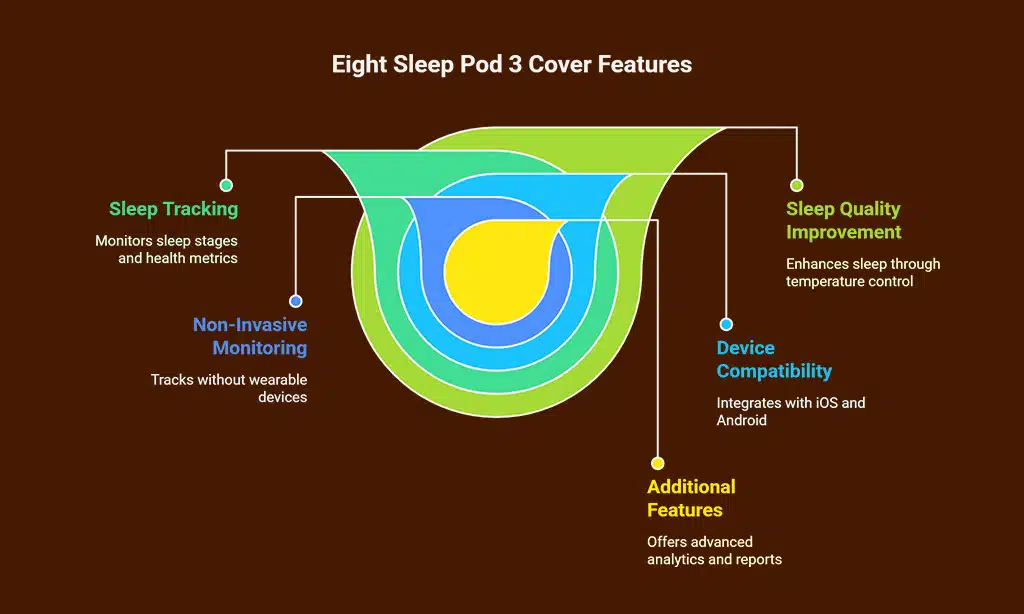
Slide this smart cover over your mattress, and it watches all your sleep stages from deep to REM. Curious about cool sheets and warm feet while you snooze? This gadget has a trick or two up its sleeve.
Features & Description (Eight Sleep Pod 3 Cover)
Eight Sleep Pod 3 Cover fits on top of your mattress and tracks sleep data for two people. It checks heart rate, HRV, respiratory rate, snoring detection, and sleep stages like REM sleep or deep sleep as you rest.
The smart sensors measure your skin temperature and adjust the bed’s heating or cooling to help improve your sleep quality through the night.
This cover costs $2,295. You get a 30-night trial period plus a standard warranty for two years or an enhanced plan up to five years. Subscription fees run between $17 and $25 each month for extra features like advanced health metrics and daily sleep score reports.
People use this device to watch their readiness score, boost their recovery score, track their circadian rhythm, and spot changes in habits that might disrupt healthy rest.
Pros & Cons (Eight Sleep Pod 3 Cover)
The Pod 3 Cover gives you smart sleep tracking without needing to wear a device. It also has tools that help control bed temperature, giving you more comfort at night.
- Controls bed temperature with a phone app. This means you can warm up or cool down the mattress on demand, which helps improve your sleep quality and track your sleep stages better.
- Tracks sleep metrics like heart rate variability (HRV), respiratory rate, REM sleep, deep sleep, and light sleep through sensors built right into the mattress cover.
- No need to wear a ring or watch. It is non-invasive and works for people who do not want tech on their bodies at night.
- Works with both iOS and Android devices for easy syncing of your health data and fits most mattresses.
- The built-in sensors pick up your heartbeat and breathing from under the sheets—no wires stuck to you.
- High price tag puts it above many other home-based trackers. You pay more than $2,000 for system plus possible subscription fees if you want detailed analytics or advanced health tracking features.
- Some users report the feel of their mattress changes after fitting this cover. The added layer may alter softness or add firmness in some spots.
- Needs regular updates through Wi-Fi which may disrupt use if your internet drops out during setup or overnight data uploads.
- Snoring detection is missing, unlike some wearable options that capture sound-based health data while you rest.
- Heavy and tricky to set up alone because it’s much more than a thin sheet—it uses tubes and hardware to regulate temperatures.
Elemind Sleep Headband
Ever tried a forehead gadget that guides your sleep with gentle sounds? Welcome to the Elemind Sleep Headband, where science meets comfort for better shut-eye.
Features & Description (Elemind Sleep Headband)
Elemind Sleep Headband tracks your sleep with sensors that touch your forehead. It measures brain activity, heart rate, and breathing. The headband checks for deep sleep and REM cycles in real time.
Data syncs to an app on your phone for easy viewing of sleep stages and quality.
You wear the headband like a soft band across your brow before bed. It feels light and stays put all night, even if you toss or turn. Some users find the fit comfortable compared to bigger wearables or wrist trackers.
Get instant feedback every morning about how long you slept, when you woke up, and how much restful sleep you got—all from one simple device on your head.
Pros & Cons (Elemind Sleep Headband)
This headband tracks sleep and helps improve rest. It uses smart tech to monitor sleep cycles and aid better quality.
- Tracks light, deep, and REM sleep using sensors on your forehead.
- Gives you a daily sleep score and other useful sleep data each morning.
- Feels light, so most people forget they are wearing it while sleeping.
- Offers insights about your sleep habits through its app.
- Monitors heart rate variability and resting heart rate overnight.
- Helps track changes in your circadian rhythm for better bedtime choices.
- Works without wires, making it easy to move at night.
- Measures brain activity for more accurate sleep stage tracking than some fitness trackers like Fitbit Inspire 3 or Apple Watch Series 10.
- Has a battery life that supports all-night use for several nights before charging is needed.
- Does not require any subscription fees; all health data is available in the app after purchase.
- Can give recommendations for improving deep sleep and recovery score.
- A higher price tag may make this device less appealing compared to wearable rings like the Oura Ring Gen 4 or Samsung Galaxy Ring.
- Some users may find it odd to wear something around their head during the night, especially if they toss and turn or get warm easily.
- No built-in speaker means there is no guided meditation support through the device itself.
This device aims for solid accuracy in tracking core sleep metrics such as duration, heart rate, and stages of sleep for anyone serious about measuring nighttime habits without using a wrist-worn fitness tracker or ring option from brands like Garmin or Whoop.
Withings Sleep Tracking Mat
Slide this mat under your mattress, and let it track your sleep stages without touching a thing. If you prefer not to wear gadgets at night, this quiet helper gathers heart rate data, snoring sounds, and more while you rest—easy as pie.
Features & Description (Withings Sleep Tracking Mat)
Slip the Withings Sleep Tracking Mat under your mattress, and it starts working like magic. It tracks snoring, heart rate, moves you make in your sleep, breathing rates, and gives a clear look at your sleep quality.
This smart mat checks for deep sleep, REM stages, light sleep periods—and even picks up on slight tossing or turning.
Easy to set up—no wrist strap needed. The app sends daily reports straight to your phone. At $130 with a 30-night trial and two-year warranty included, this device offers solid value without sneak-up costs or annoying subscriptions.
Parents love how quiet it is; partners do not notice any humming or lights at night. If you want health data about your nightly rest but hate wearing gadgets—or if traditional trackers drive you bananas—this mat fits the bill for both tech fans and old-school nap takers alike.
Pros & Cons (Withings Sleep Tracking Mat)
Withings Sleep Tracking Mat slips under your mattress and tracks sleep stages, snoring, and heart rate. It works without touching your body and gives helpful sleep data each morning.
- Tracks sleep cycles like light sleep, deep sleep, and rem sleep for a full picture of your rest.
- Gives a detailed sleep diary with daily trends that make it easy to spot unhealthy sleep habits.
- Monitors heart rate variability (HRV), resting heart rate, breathing patterns, and even snoring detection for better sleep insights.
- Setup is simple. Just plug it in near your bed since it needs a power outlet.
- Offers non-invasive tracking. No need to wear rings or watches overnight.
- Shows a clear sleep score and readiness score in the app to help you improve each night’s quality.
- Works with Apple Health and Google Fit so you can see more health data in one place.
- Tracks one person only. Movement from pets or partners can throw off the results sometimes.
- You can’t track activity during the day or use it as a fitness tracker–it just tracks nighttime metrics.
- Needs Wi-Fi for syncing, so if there’s an outage your health tracking could pause until reconnection.
FAQs About Sleep-Tracking Devices
Questions still swirl around about tracking sleep and what these devices really do. Keep reading for quick, clear answers—no medical degree needed, just a pinch of curiosity.
Which sleep tracker is the most accurate?
Experts point to the Whoop 5.0 Band for sharp accuracy in tracking sleep stages and heart rate. A study from Central Queensland University says the Whoop hits 99.7% heart rate accuracy and 99% HRV accuracy during sleep.
These numbers beat many other popular trackers, including big names like Fitbit Inspire 3 and Apple Watch.
Oura Ring Gen 4 also ranks high with detailed sleep data, solid readiness scores, and deep insights into REM sleep and deep sleep phases. Some users find Oura more comfortable than wristbands, thanks to its ring shape.
Both track core health metrics—think resting heart rate, blood oxygen levels, activity score—and help you spot trends or changes in your sleep quality fast.
What is the best non-wearable sleep tracker?
Withings Sleep Tracking Mat stands out as the best non-wearable sleep tracker. Slide it under your mattress, and you get lots of health data every morning. This mat tracks snoring, heart rate, respiratory rate, movements, and sleep quality with no gadgets on your body.
It works for most bed types and does not require wearing a device on your wrist or finger.
At $130, the Withings Sleep Tracking Mat costs less than many wearables but collects rich sleep analytics. Each night it gives clear reports about deep sleep time, light sleep stages, REM phases, heart rate variability (HRV), breathing patterns—even if you toss and turn like a pancake.
No batteries to swap out all the time—just plug it in once under your sheet and forget about it until you want to see your stats again. The app delivers simple charts showing trends in rest quality so even beginners can understand their recovery score or readiness score before breakfast hits the table.
Are sleep trackers worth it?
Sleep trackers like Oura Ring, Whoop 5.0, and Apple Watch Series 10 give you sleep data right from your wrist or finger. They track heart rate variability, deep sleep, REM sleep, and even snoring.
Some people see big changes in their habits with a daily sleep score or readiness score—like going to bed at the same time each night. Sleep tracking gadgets may mix up your data if your partner tosses around or if pets share your bed.
Not every tracker is perfect for everyone. Some cost more because of monthly subscription fees, while others work without extra costs. If you want extra health metrics like blood oxygen levels or recovery scores, check which device can do that before shopping online.
Most trackers improve how you look at sleep patterns but don’t replace talking to a doctor about true sleep disorders like apnea. Still curious? These tools often help people spot bad habits early—and sometimes all it takes is that small nudge toward better rest.
Do all sleep trackers require a subscription?
Many sleep trackers work right out of the box, with no monthly cost. Apple Watch Series 10 is great for iPhone users and tracks your sleep data without any subscription fees. Samsung Galaxy Ring also skips the need for extra payments, giving you regular updates on your sleep quality and health metrics.
Some trackers like Whoop 5.0 may charge a monthly fee to unlock deeper insights or full access to things like readiness scores and recovery tips. Always check before buying—some fitness tracking devices have hidden costs if you want advanced analytics or guided meditations about your sleep habits.
Not every device will ask for more money after purchase, so choose what fits your needs best!
Takeaways
Waking up groggy? Your sleep gadget could be the missing puzzle piece. Experts have tested the Oura Ring, Whoop Band, and even smart mattress covers like Eight Sleep Pod 3 to boost your rest game.
Picking the best sleep tracker depends on what matters most—comfort, price tag, tracking tools, or battery juice. Each option packs its own tricks for better shut-eye. The right device can turn sleepless nights into sweet dreams before you know it.
FAQs on Sleep-Tracking Devices Ranked by Experts
1. What features make a sleep tracker stand out from the rest?
A good sleep tracker checks your heart rate, tracks deep sleep and REM stages, and even notes snoring. Some like Apple Watch Series 8 or Samsung Galaxy Ring also track blood oxygen levels, skin temperature, and give you a readiness score.
2. How accurate are these devices for tracking sleep stages?
Most top trackers—think Oura Ring or Fitbit Inspire 3—use sensors to record light sleep, deep sleep, and REM cycles. While not perfect like lab tests in sleep medicine, they provide helpful insights on your nightly patterns.
3. Can these trackers help spot health problems like apnea?
Yes, some wearables offer snoring detection and watch for signs of issues such as low blood oxygen during the night. These clues can prompt you to talk with your doctor about possible disorders.
4. Do I need to pay extra fees after buying a fitness tracker?
Many popular options—like subscription-based models from Oura Ring 4—charge monthly fees for advanced analytics or guided meditations. Others let you use basic health metrics without paying more.
5. Which device is best if I want long battery life?
Battery life varies widely among trackers. The Oura Ring lasts several days between charges while most smartwatches—including Google Pixel Watch or Apple Watch—need daily charging if using all tracking features at once.