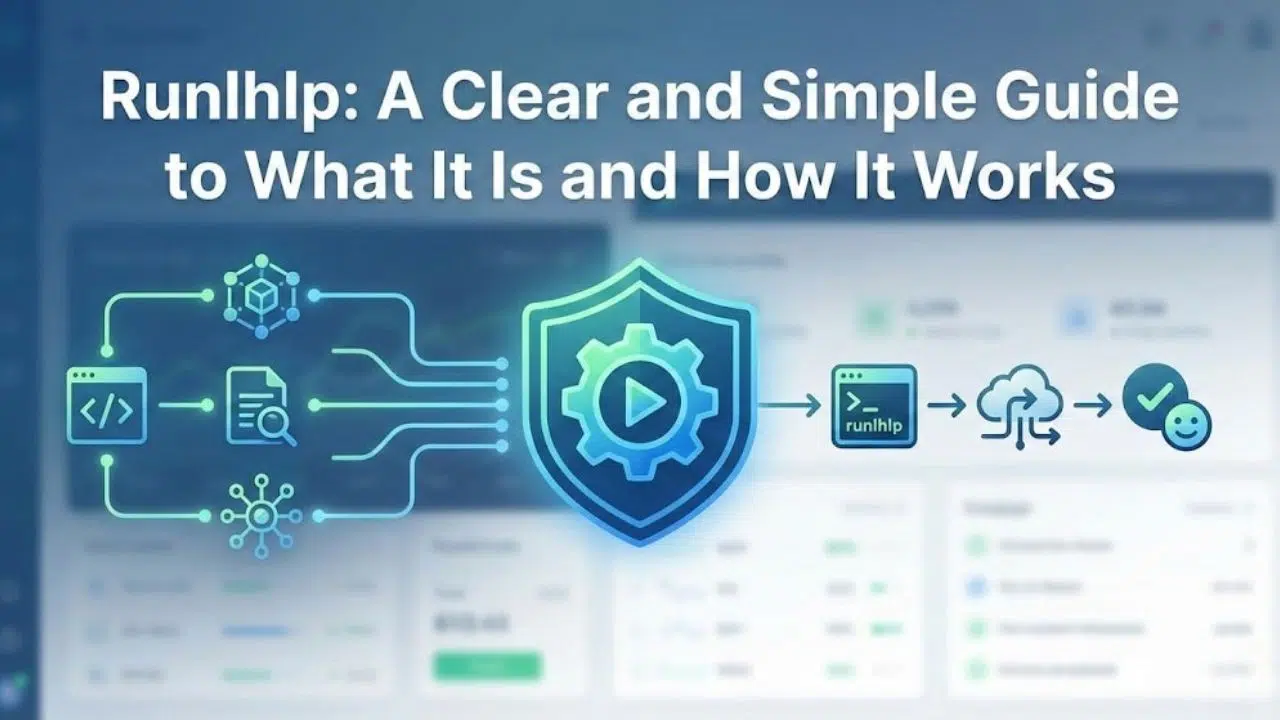
Strange name, right? That thing called runlhlp might catch your eye next time you peek under the hood of your machine. Spotting it during routine checks isn’t rare – some find it while chasing down glitches or scanning background jobs. Its odd label doesn’t help matters; sounds like code meant only for insiders. Questions pile up fast once it shows up: what even is this piece doing there? Could it belong to something trusted? What’s fueling its presence behind the scenes?
When you see runlhlp, it’s often just a tool that helps apps load guides or built-in assistance. This bit runs quietly behind the scenes, triggered by programs needing extra info displayed. Not something Microsoft builds into Windows directly, yet still shows up when some software decides to use it. Most times, it pops up only when opening help sections someone coded into their app. Rarely stands alone – instead tags along as a helper piece made for smoother access to user manuals or tips.
Runlhlp might sound strange at first glance, yet knowing its role helps ease concerns about odd-looking programs. Odd names do not always mean danger – sometimes they are just old tools doing quiet jobs behind the scenes. One moment it could seem suspicious, then on closer look turn out to be harmless. Think of it like spotting a tool in a toolbox you have never seen before but still belongs there. Its job runs without fuss, tied to specific tasks deep inside the machine’s routine work. When it shows up, most times nothing is wrong. Only if it acts differently than usual should anyone take note.
When it’s done, you’ll see clearly how runlhlp works and what it does. A full view comes together without confusion by that point.
What Is Runlhlp?
Something called Runlhlp isn’t really a complete application. It works more like a background assistant. Its title gives a hint about what it does Run– to execute or launch lhlp– likely short for “local help” or “launcher help”
Most times, when someone hits a Help key or taps a help icon, runlhlp steps in. This tool bridges the app and its guidance material. Instead of linking directly, programs rely on it to pull up manuals or assistance screens. From there, users reach the info they need.
Usually shows up when outside programs add their own tools. Not part of standard Windows setups. Third-party apps often bring it along. This file doesn’t come with the OS by default.
Why Runlhlp Exists
One reason software builders add tiny support tools is to tidy up their main code. Because of this, Runlhlp shows up – it handles background chores without slowing things down. A cleaner system runs smoother when tasks are split wisely. Some pieces work better apart than crammed together. Efficiency climbs when small jobs get their own space. That is why Runlhlp stays around – it does one thing, quietly
- To separate help functions from the main program
- To reduce load on the main application
- Only show help stuff if someone actually needs it
- Handling various support styles without risk
Sometimes, rather than adding help features straight into the app, creators choose runlhlp to open support tools separately. That keeps the core software quicker and simpler to refresh later.
How Runlhlp Works
Every time someone asks for assistance within software, what typically unfolds next goes like this: A signal reaches the primary system when assistance is asked for:
- Runlhlp is called as a helper process
- Runlhlp opens the correct help file or window
- The help content is displayed to the user
- Runlhlp closes after completing the task
Most people won’t see it at all. Runlhlp slips by quietly, only showing up if someone digs through system activity or checks errors closely.
Places you could find Runlhlp
Runlhlp might show up in various spots, such as these examples
- Task manager process lists
- Software error reports
- Logs that show errors or sudden stops appear here instead
- System monitoring tools
- Antivirus scan results
Every now and then, spotting runlhlp on screen isn’t a sign of trouble. Most times, what you’re seeing happens when an application reaches for its own guidance section.
Is Runlhlp Safe?
Much of the time, runlhlp causes no trouble if tied to a known program. Still, whether it’s risky hinges on where it came from and what it does – never only its label.
- Safe signs of runlhlp:
- Shows up solely if a familiar application starts
- Falls shut by itself when finished
Fewer demands on your machine’s power. That keeps things running without draining what you need Sits inside the folder where the
- software gets set up
- Things to be cautious about:
- Runlhlp running constantly without reason
- Unusual file locations
- High CPU or memory usage
- Security warnings linked to it
Begins with suspicion – rulnhlp isn’t part of the usual system lineup. Wise move? Trace back to the software behind its appearance.
Runlhlp and system performance
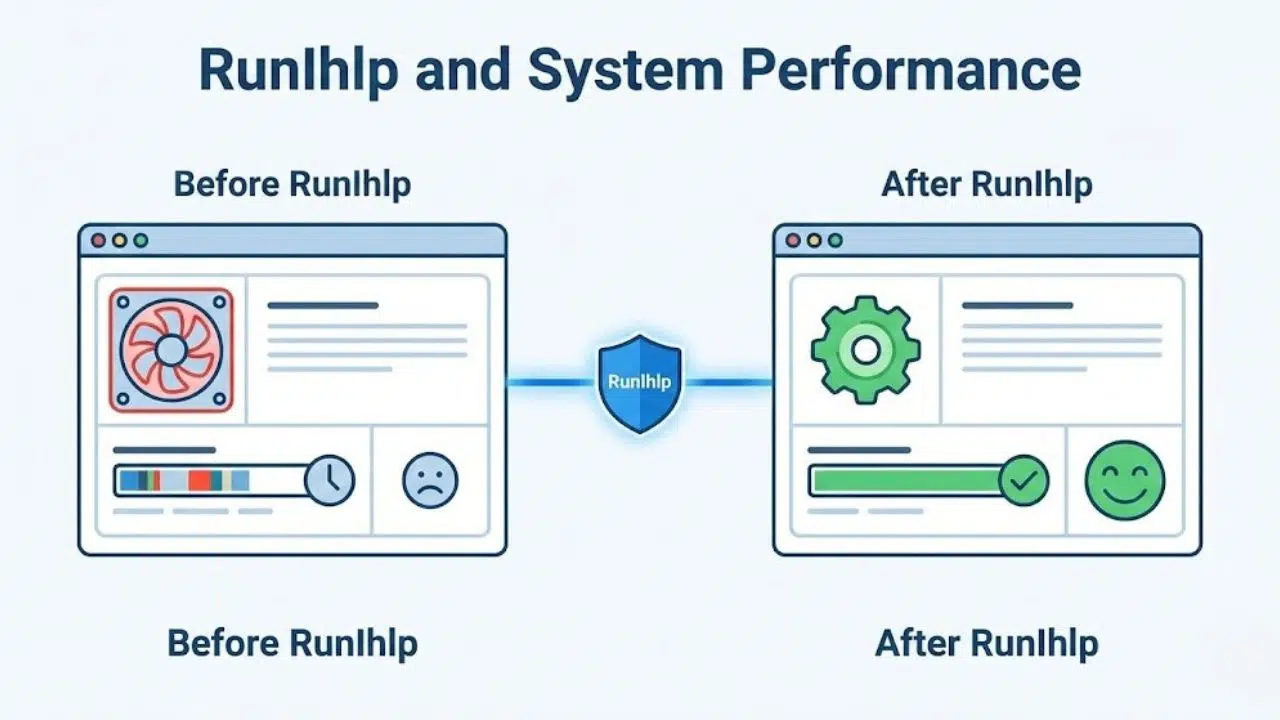
Fine weather keeps runlhlp quiet, barely touching how fast things go. Most times it just sits there without slowing anything down
Tiny when saved. Compact on disk. Fits easily in tight spaces. Light enough to move fast. Takes up almost nothing
- Short-lived
- Uses very little memory space
- If runlhlp keeps going nonstop or makes things sluggish, that could mean:
- A stuck help process
- A broken guide document
- A poorly designed software feature
Most times, hitting restart on the main app clears things up. Sometimes it just needs that fresh start to behave again.
Can Runlhlp Be Removed?
Removing runlhlp by itself isn’t wise. When separated from its main program, problems often appear – help functions might vanish or things stop working right.
If you want to remove runlhlp:
Get rid of any program running it. Remove anything tied to its function. Ditch apps linked with its operation. Delete tools built around it.
- Take out programs depending on it
- Turn off assistance tools within the software, when possible
- Update the software to a newer version
When the main app goes, runlhlp gets removed too – clean, without extra steps.
What People Get Wrong About Runlhlp
Some folks get confused by runlhlp just from how it sounds. Time to set straight what people often think.
Runlhlp is not a virus
Wrong. Rundllhlp doesn’t mean danger by default.
Runlhlp is not part of Windows
Not true. This one does not come built into the system.
Fake idea number three: Runlhlp needs to stay active all the time
Wrong. Most of the time it activates just if support is necessary.
Deleting runlhlp does not improve speed
Not true. Removing support files might cause programs to stop working.
Fear fades when clarity steps in. Things make more sense once you see them clearly. A calmer mind often comes from knowing what’s really going on. Confusion shrinks when details line up right.
Find Where Runlhlp Comes From
If you want to know where runlhlp comes from, follow these steps:
- Check what’s running on your computer by opening the task manager
- Look for runlhlp among active processes
- Look where the file sits on your device
Check the folder where the program sits. See its location first. Spot which directory holds it. Look at the path tied to that software
A quick test might show if runlhlp connects to programs you can trust.
Signs That Might Mean Runlhlp Is A Problem?
Even so, runlhlp tends to be safe – yet look closer when: Out of nowhere, it shows up – no need to add programs. Suddenly there, skipping any setup steps It runs repeatedly without user action Security software flags it. A strange pattern appears here instead When things go sideways, hitting up a complete system scan while peeking at what’s actually installed makes sense.
FAQs About Runlhlp
What Runlhlp Does?
Software tools often open guidance pages when needed. Help material appears through this function whenever users seek answers. A built-in feature triggers assistance details at the right moment. When something goes wrong, it brings up useful information automatically. Programs rely on it to show tips or fixes without delay.
Is runlhlp a System File?
Actually, runlhlp doesn’t count as one of the main system files. It’s more like an extra piece that shows up now and then but isn’t required for basic function.
Can runlhlp damage your computer?
Fear fades if the program acts right, coming from a source you rely on.
Why RunLHLP Starts Automatically?
A request rolls in – someone needs guidance. The system wakes up once software asks for support info. Documentation kicks off as an application reaches out. Help mode activates the moment a tool seeks answers. When code wants clarity, the process begins.
Delete runlhlp only if unnecessary?
Actually, the only way to get rid of it is by removing the program tied to it.
Final Thoughts
A tiny helper named Runlhlp quietly assists programs with their guides and manuals. Though it works behind the scenes, this tool doesn’t act on its own. Not part of the operating system, it shows up only when needed. Usually, it finishes quickly, then steps away without problems. While unseen by many, it simply does one job – then stops.
Spotting runlhlp becomes easier once you get how it works. Because it shows up during certain tasks, seeing it running does not always mean trouble. When its actions match expected patterns, there’s usually no need to react. Yet if timing or frequency seems off, taking a closer look makes sense. Its role ties closely to background operations, so familiarity removes guesswork. Once recognized, odd behavior stands out without doubt.