
Emergencies come without warning. Whether it’s a pandemic, a flood, or a large accident, hospitals must be ready. One major part of this readiness is having enough surgical supplies. These items help save lives during crisis situations. From masks and gloves to surgical kits, everything must be in place.
In this blog, we’ll talk about how hospitals can build strong supply chains. These chains keep vital materials moving, even during big emergencies. Let’s see how smart planning today can make a big difference tomorrow.
Why Supply Chains Matter in Emergencies?
In a crisis, every second counts. Doctors and nurses can only help patients if they have the right tools. That’s why a hospital’s supply chain needs to be strong, fast, and well-managed. Without proper stock of surgical supplies, hospitals may delay care or turn patients away. A weak system puts lives at risk. A strong one saves them.
What Makes a Supply Chain Resilient?
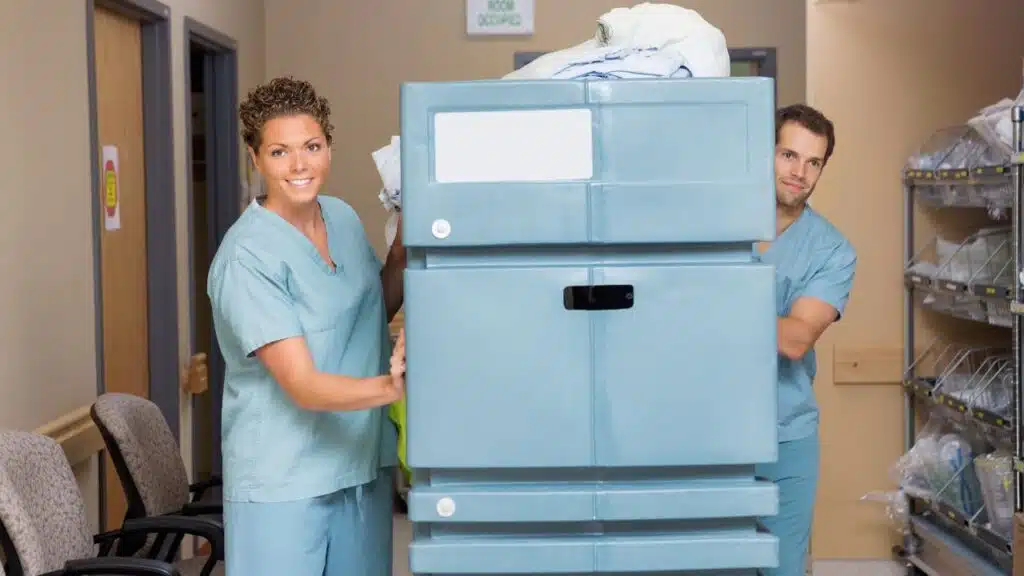
A resilient supply chain doesn’t break when things get tough. It stays strong, even during high pressure. It allows hospitals to keep working without panic or confusion.
Here’s how hospitals can build that kind of supply chain.
1. Keep Emergency Stock Ready
Every hospital should have an emergency supply room.
- Store high-use items like masks, gowns, and gloves.
- Include extra surgical supplies such as sutures and wound care kits.
- Restock regularly to avoid expired items.
This stock should be easy to find and only used when needed.
2. Build Strong Supplier Relationships
Good suppliers are key during a crisis. Hospitals must work with vendors they can trust.
- Choose suppliers with fast delivery and a strong track record.
- Sign long-term deals for emergency support.
- Keep more than one supplier for each item.
This way, if one supplier fails, another can step in.
3. Use Real-Time Tracking Tools
Modern tools help hospitals know what they have right now.
- Digital systems show livestock counts.
- Alerts tell staff when items are running low.
- Reports help plan better and reduce waste.
Tracking tools keep the flow smooth and prevent surprises.
4. Create a Crisis Response Plan
Every hospital needs a written plan for emergencies.
- List key contacts, supplier names, and delivery options.
- Plan how to move surgical supplies fast to the emergency room.
- Train staff to follow the steps during real events.
A clear plan reduces panic and saves time when it matters most.
5. Train Staff for Fast Response
Supplies don’t move on their own. Staff must be trained to act quickly.
- Teach them where emergency stock is kept.
- Practice drills to improve response time.
- Show how to use tracking systems and reorder tools.
Trained staff move faster and make fewer mistakes.
6. Store Supplies in Smart Locations
Keep supplies where they’re needed most.
- Place stock near surgery, ICU, and emergency areas.
- Avoid storing all items in one place.
- Use labeled shelves and clean storage rooms.
This cuts down movement time and keeps access simple.
7. Review and Test the System Often
Don’t wait for an emergency to find out the system is weak.
- Test your supply chain with drills.
- Check how fast stock moves from storage to rooms.
- Look for slow steps and fix them.
Regular reviews make the system better and safer.
8. Learn from Past Crises
Every hospital has faced some kind of emergency. Use those lessons to improve.
- What supplies ran out fast?
- What deliveries were delayed?
- What helped staff respond better?
Talk to the team and update the plan based on their input.
9. Keep Extra Supply Options Open
Sometimes usual suppliers can’t deliver during a crisis. Always have a backup.
- Use local vendors for urgent deliveries.
- Join hospital networks to share extra stock.
- Buy from nearby clinics if needed.
Extra options mean more safety and less waiting.
10. Focus on Fast Communication
Quick communication saves time.
- Use group chats or alerts for the supply team.
- Share daily updates during an emergency.
- Keep all departments informed about stock levels.
Fast messages help everyone work as one team.
Special Focus: Surgical Supplies
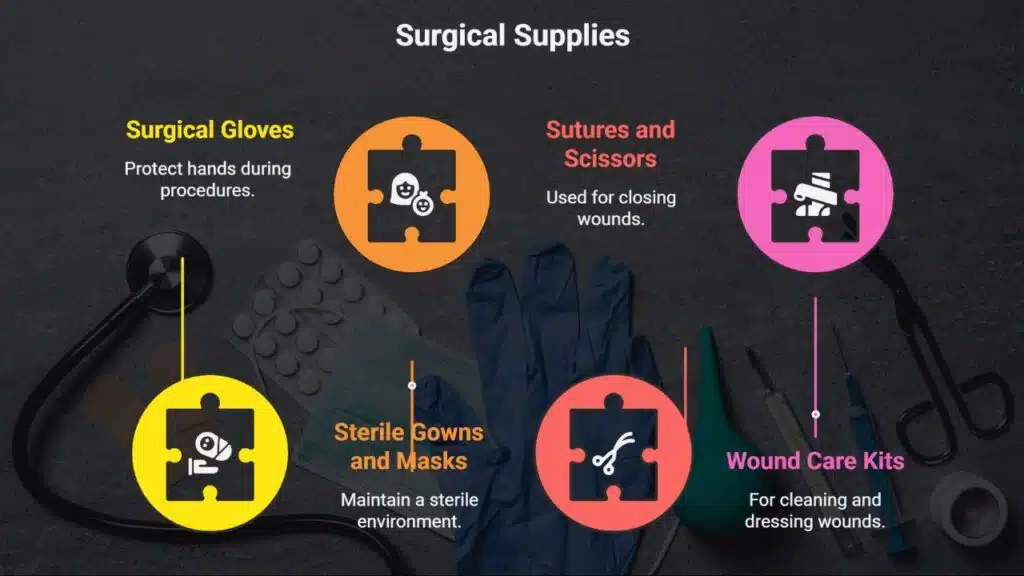
Surgical supplies are the backbone of emergency care. These include:
- Surgical gloves
- Sterile gowns and masks
- Sutures and scissors
- Wound care kits
Keeping these items ready ensures doctors can act fast and safely. Many hospitals increase their orders of surgical supplies during busy seasons or after alerts from health departments.
Having a system that restocks these items without delay is key to fast and quality care.
Role of Technology in Emergency Supply Chains
Technology is helping hospitals become faster and smarter.
- Barcode scanning for instant stock updates
- Mobile apps for ordering from any room
- Cloud systems to track supply across buildings
Hospitals using tech stay ahead, even in large-scale emergencies.
Final Thoughts
Emergencies don’t wait. Hospitals must be ready at all times. From storing extra stock to using smart systems, every step helps build a stronger response. When it comes to surgical supplies, the system must work perfectly. A missing item can delay life-saving care. But with strong planning, trusted vendors, trained staff, and modern tools, hospitals can stay prepared.
Now is the best time to improve your hospital’s supply chain. Don’t wait for a crisis to fix the system. Start today, plan smart, and stay ready for whatever comes next. Need help finding reliable suppliers or setting up emergency stock systems? Reach out to experts who understand hospital needs!