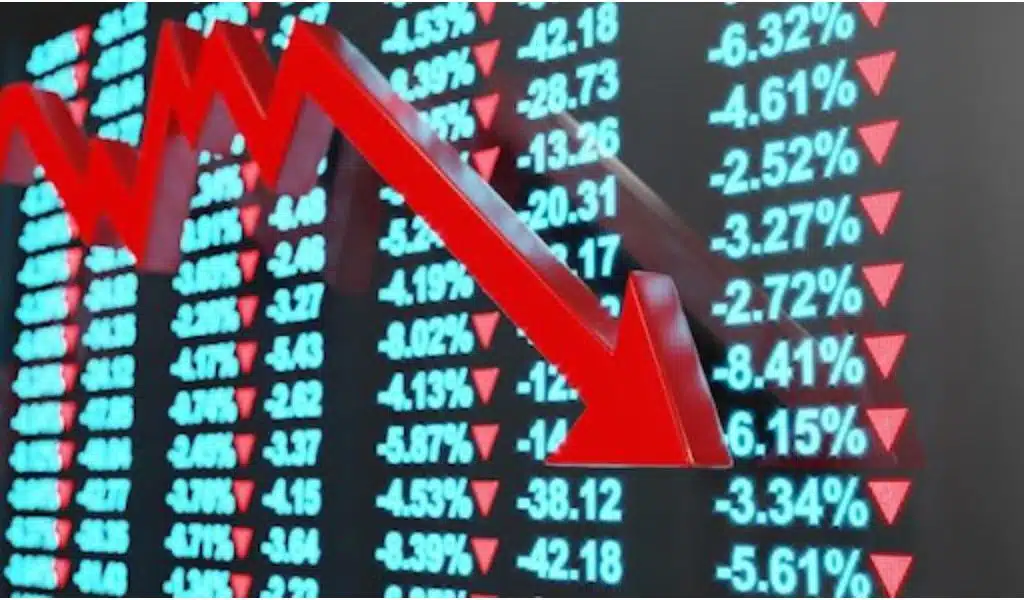
You don’t have to spend long reading the news to learn that a possible recession might be on the horizon. Every reputable financial platform is ringing the alarm that a recession could be in store for 2023. Are you ready?
What is a Recession?
The economy always has peaks and troughs. You can see this in real-time in the jagged line of stocks as they go up and down as people trade. Usually, these fluctuations are minor and relatively fleeting. However, a recession reflects a deep, prolonged dip in economic activity.
In other words, a recession slams the brakes on the economy. It slows down growth and limits the gross domestic product (GDP). This sets off a chain reaction that results in higher unemployment rates, reduced consumer spending, and diminished business activity.
While no one can predict recessions with unerring certainty, experienced economists can read market indicators that suggest an economic downturn is imminent. One of many warning signs is an inverted yield curve, which means rates on short-term loans have surged far above the rates on long-term financial products.
According to NPR, today’s inverted yield curve is screaming recession. It joins these other red flags that a recession is on its way within the year.
What Does a Recession Mean for You?
So far, we’ve talked about the economy in broad strokes. Let’s switch gears to focus on how a recession might affect you.
A recession has the biggest impact on job security. As the economy slows down, retail sales and production levels tank. Eventually, businesses have to close up shop due to lower demand, which could result in the risk of layoffs and limited employment opportunities for you.
With fewer people working, consumer spending tends to decrease. After all, you want to prioritize essential expenses and tighten your budget any time your ability to make a living is at risk. This can kick-start another wave of layoffs.
A Recession is Nothing Like Other Financial Emergencies
Usually, when financial disaster strikes, you can consider a personal loan or line of credit for help. Like when your automatic transmission gets stuck in second gear. You can apply for a loan to help get you money when you need it in emergencies, like covering your transmission repair when you don’t have the savings.
But how do these financial tools shape up in a recession?
Generally speaking, a personal loan or line of credit is a stopgap or safety net that’s tailored for specific circumstances. Most lending experts recommend a personal loan or line of credit when unexpected and minor expenses catch you off guard, and you can’t put it off or pay for it out of pocket.
A recession does not match this advice for the following reasons:
-
- It’s Not Unexpected: According to the National Association for Business Economics (NABE), a striking 58% of economists forecast a recession in 2023.
- It’s Not Minor: While recessions can vary in length, they can last for months at a time. The last one, which started in 2007, lasted 18 long months, with many people taking much longer to recover. Some people are still feeling the effects today, more than 15 years later.
You also have to think about how the Federal Bank might affect the lending industry during economically tough times. The central bank has already increased the prime rate of borrowing, and it’s normal to tighten lending criteria in a recession. This doesn’t necessarily guarantee you’ll face high costs or barriers when borrowing, but it could complicate things.
While borrowing money might be an option for an unexpected auto repair, it may not be the ideal safety net for a recession.
Tips to Prepare Your Budget for a Possible Recession
With the usual financial safety nets off the table, how can you live through another recession? Here are some things you can do to batten down the financial hatches.
1. Build an Emergency Fund
You can weather the storm of a recession much easier when you have a well-stocked emergency fund. Some experts say to save three to six months’ worth of living expenses, but you could sock away more. That way, you can live off this fund if you lose your job.
2. Reduce Debt and Minimize Expenses
You don’t want to have to worry about paying down debt when you’re earning less, so do what you can to pay off high-interest debt, such as credit cards, personal loans, and auto financing.
This is a big job that’s made easier when you use a budget. This spending plan helps identify areas where you can cut back without sacrificing your essential needs. Redirect those funds towards debt repayment or building your emergency fund.
3. Diversify Your Income Streams
Paying your bills with just one job puts your finances at risk. If the recession causes you to lose this job, you also lose your ability to make ends meet. By diversifying your sources of income, you may be less affected by the loss of one job.
With that in mind, it’s a good idea to spend some time enhancing your skills right now. Professional self-development could boost your employability.
4. Stay Informed and Seek Professional Advice
Stay updated on economic trends, news, and expert opinions. If you’re still confused, check out a non-profit credit counselling organization. You can partner with a financial advisor who provides personalized guidance based on your specific financial situation and goals.
Stay Calm & Prepare On
The alarming headlines warning of a recession can be scary, especially if you were hit hard by the last economic downturn. But you stand to have a better chance at weathering this one if you prepare for it early.
Follow these tips to reinforce your finances. If a recession happens, you’ll be in a better position. Even if it doesn’t happen, you’ll still benefit from these money management tips.