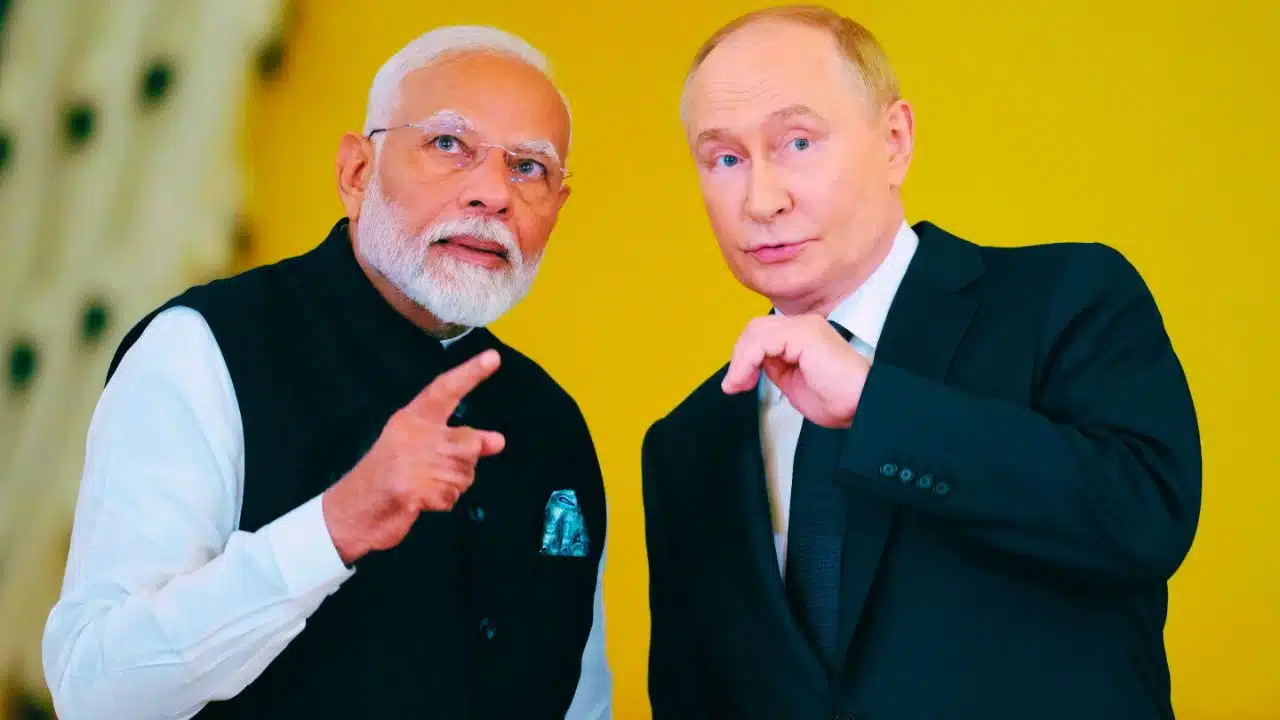
Putin’s trip to Delhi is about much more than ceremony: Moscow wants to lock in India as a long‑term buyer of its oil and weapons under sanctions, while New Delhi wants energy security, military technology and geopolitical space to keep balancing Russia, the West and China. The visit turns India into a stage where the costs of the Ukraine war, Western economic pressure and Asia’s shifting power dynamics all collide.
A visit loaded with signals
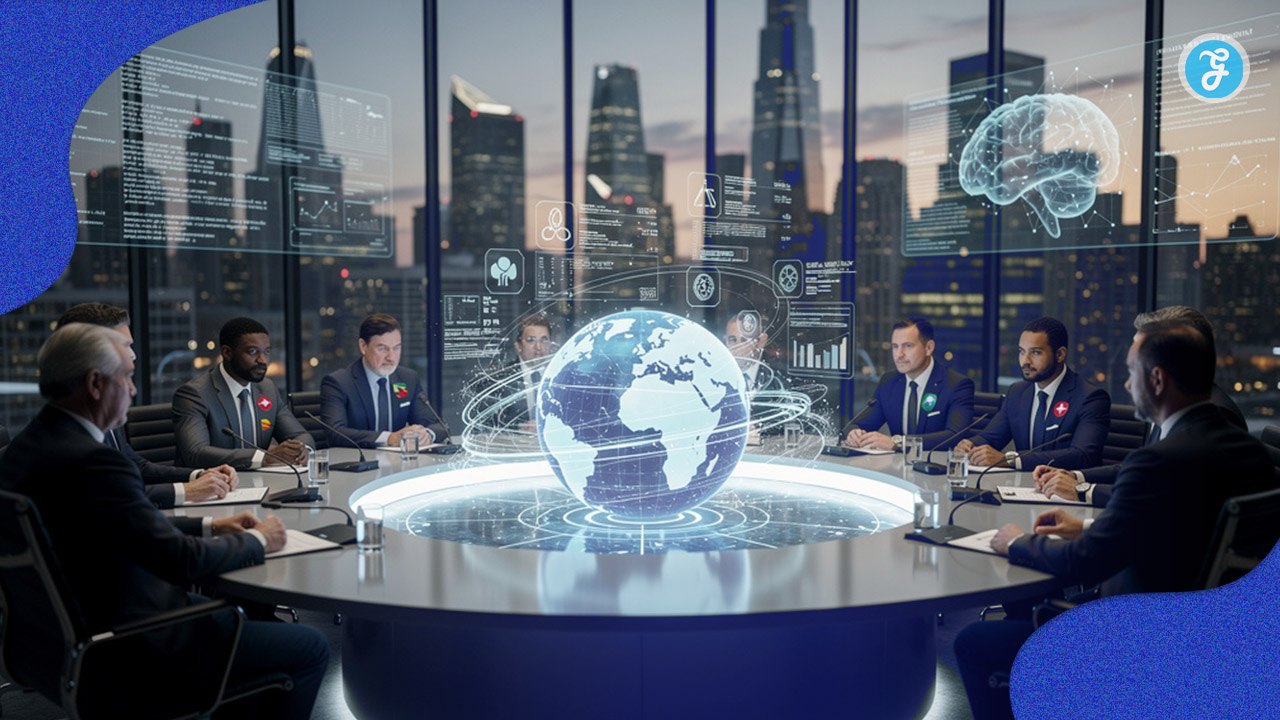
Putin’s in‑person summit with Narendra Modi – including a private dinner and a tightly choreographed schedule in the capital – is meant to show that Russia still has high‑profile partners despite Western efforts to isolate it over Ukraine. For Modi, receiving the Russian leader just as India courts U.S. investment and finalises trade arrangements with Western partners is a message that New Delhi will not let any camp dictate its foreign policy or economic choices.
The timing is particularly sensitive. The war in Ukraine has settled into a grinding stalemate, Western sanctions have tightened on Russian oil and banks, and Washington has begun tying new tariffs on Indian exports to concerns over Delhi’s role in keeping Russia’s economy afloat. Against that backdrop, any images of warmth between Modi and Putin – from defence talks to cultural events – will be read in Washington, Brussels and Beijing as signals about where India sees its long‑term strategic interests.
Oil: lifeline for both sides
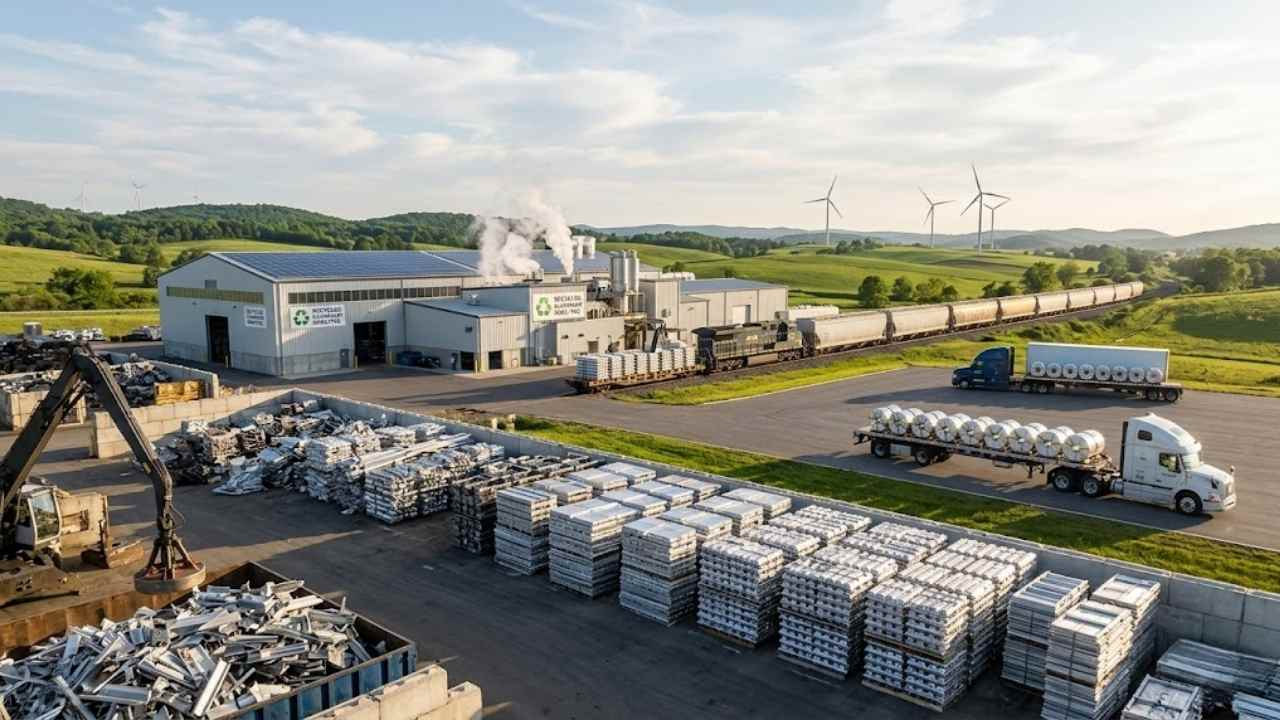
Russian crude has become a critical shock absorber for India’s economy since 2022, with Moscow shooting up from marginal supplier to one of India’s top sources of oil, at one point accounting for roughly a third of imports and shaving billions off Delhi’s annual import bill. Those easy gains are fading: discounts on Russian barrels have narrowed sharply, Western sanctions on shippers and traders have complicated logistics, and India’s purchases of Russian oil have already fallen by around a third as finding compliant financing and insurance becomes harder.
Behind closed doors, negotiators are expected to focus on making this trade more resilient and predictable.
Key issues include:
- Locking in medium‑ to long‑term crude contracts that guarantee volumes and price formulas attractive enough for India, while giving Russia confidence that demand from its biggest Asian customer will not evaporate under Western pressure.
- Expanding non‑dollar payment mechanisms – including rupee–ruble settlement and closer links between India’s RuPay and Russia’s Mir systems – to move more transactions out of reach of U.S. financial sanctions.
- Working around shipping and insurance hurdles created by the G7 price cap and new sanctions, for example by using a mix of Russian‑controlled tankers, alternative insurers and more complex routing, while trying not to flagrantly breach Western rules.
For India, the calculus is brutally pragmatic: cheap oil helps tame inflation and supports growth, but over‑reliance on Russia exposes Delhi to future sanctions shocks and complicates its ties with the United States and Europe. For Moscow, keeping Indian refiners on board is essential to replacing the European market it largely lost after the invasion and to maintaining hard‑currency earnings that fund both the war and domestic spending.
Arms, nukes and strategic tech
India still fields one of the world’s most Russian‑dependent militaries: from Sukhoi and MiG aircraft to submarines and tanks, much of its legacy arsenal is tied to Russian spares, ammunition and maintenance pipelines. Even as New Delhi has increased big‑ticket purchases from the U.S. and France, it needs Russia to keep this existing inventory combat‑ready while slowly substituting in more diverse suppliers and local production.
Putin’s visit is expected to give fresh momentum to several high‑sensitivity projects.
Among them:
- Air and missile defence: India is already inducting the S‑400 system under a multi‑billion‑dollar deal and is exploring follow‑on regiments and even interest in the still‑emerging S‑500, potentially with elements of local assembly to fit Modi’s “Make in India” push.
- Cruise missiles and joint development: the BrahMos missile, co‑developed by India and Russia, is a template both sides want to replicate in other domains such as naval systems and possibly advanced artillery or unmanned platforms.
- Nuclear energy: the Kudankulam nuclear plant in Tamil Nadu remains the flagship of Indo‑Russian civil nuclear cooperation, and discussions are expected on additional units, small modular reactor concepts and potential joint bids in third countries.
Each of these deals offers India access to high‑end capabilities that are often politically or commercially harder to obtain from Western suppliers, but they carry financial and strategic risk. Deepening defence and nuclear ties with a heavily sanctioned Russia could invite secondary sanctions or technology restrictions from the U.S. and Europe, precisely as India seeks more Western investment and co‑production in areas like jet engines, semiconductors and critical minerals.
India’s balancing act and what’s next
India’s long‑standing strategy is not to choose sides but to extract maximum benefit from all camps – it is a member of Western‑leaning arrangements like the Quad and simultaneously a pillar of BRICS and the Shanghai Cooperation Organisation alongside Russia and China. Putin’s Delhi visit forces New Delhi to perform that balancing act in public: it wants to reassure Moscow that it remains a priority partner without signalling to Washington that it is drifting into a hard anti‑Western bloc.
Several fault lines are in play. India worries about Russia’s growing dependence on China – including in defence and energy – and does not want to see Moscow slide fully into Beijing’s strategic embrace at a time when India and China are locked in a tense border standoff. The United States, under President Donald Trump, has become more transactional, mixing offers of deeper security ties with threats of tariffs and sanctions, and will watch the visit closely for signs that India is helping Russia significantly blunt Western economic pressure.
What actually emerges from the summit will be judged less by photo‑ops than by the fine print. Key things to monitor include any new long‑term oil or gas arrangements, concrete movement on rupee–ruble payments, announcements on S‑400/S‑500 or other defence co‑production, updated trade targets and – crucially – how carefully the joint statements handle the Ukraine war. If Modi manages to secure energy and technology gains while keeping the language on Ukraine vague and avoiding explicit challenges to Western sanctions, India will have shown it can still turn great‑power rivalry into leverage; if not, the visit could deepen suspicions in Washington and narrow Delhi’s diplomatic room for manoeuvre just as global economic and security competition intensifies.