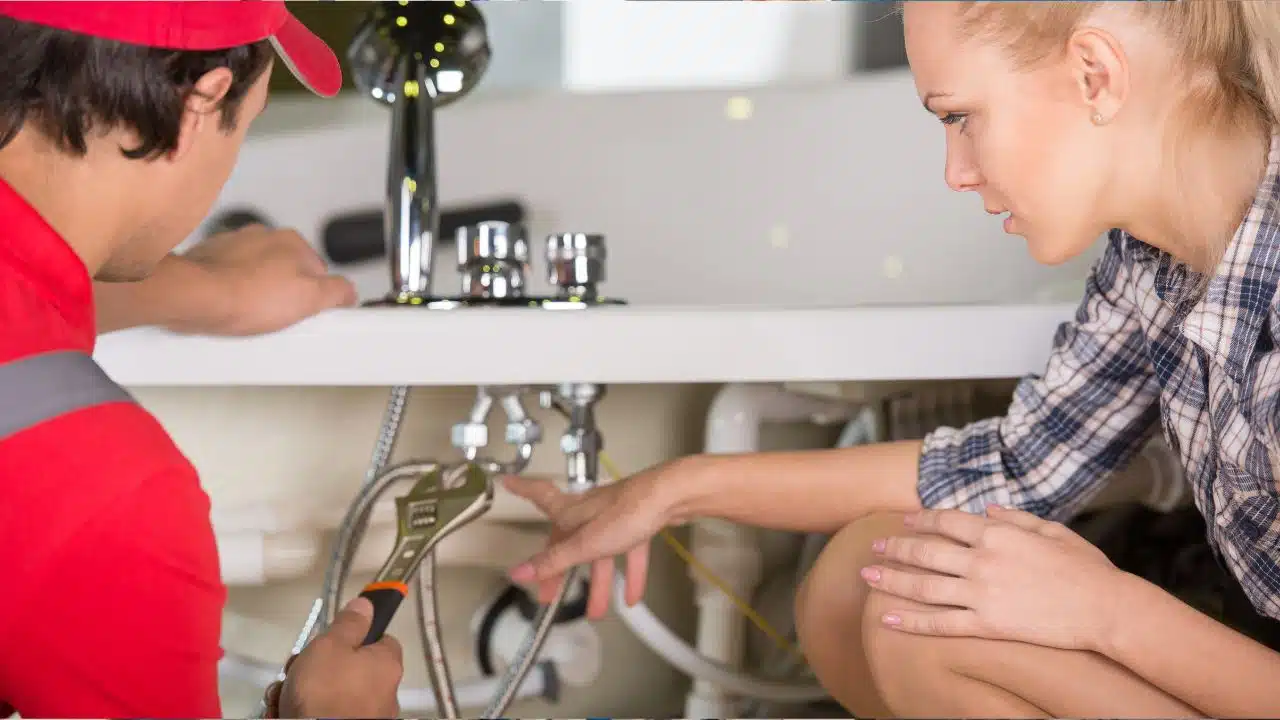
You might encounter a plumbing issue at the most inconvenient time. It could be late at night or just as you are rushing out the door. But not to worry.
Being aware of what to do during these first few minutes will prevent damage, and the process of repair will become much easier. This is a step-by-step procedure to deal with plumbing mayhem with a calm mind.
Calm down and evaluate the scene
Water leakage or a faulty toilet is enough to peak the stress levels of anyone. But the rule of the first part is easy: breathe. Panicking is not going to cause the water to stop flowing. But a clear head will make you take action fast.
Check around to see what is really going on. Is it a burst pipe? A sink leak? A clogged drain backup? Recognize the problem first. That makes it easier to do the right thing.
Shut off the water
The best way to prevent damage is to switch off the water. Each sink, toilet, and appliance has its own cut-off valve. It is typically close to it. Close it to halt the flow.
What if you cannot find the source? What if the leakage is severe? In such a case, go directly to the main water shut-off valve of your home. It is usually in the basement, the garage, or close to the water meter outside. This one step can spare you a flooded house. It will also prevent expensive maintenance.
Switch the electricity off when necessary
Is water approaching the outlets, lights, or appliances? Then prioritize safety. Water and electricity pose big hazards. So switch off the power in the affected area.
Contain the mess
When the water starts to be contained, take towels, buckets, or even old blankets to absorb and collect what you can.
- In case of a leakage in the ceiling, place a bucket below.
- In case of an overflowing toilet, mop as much as you can.
This will prevent long-term damage, such as mold.
Call a plumber
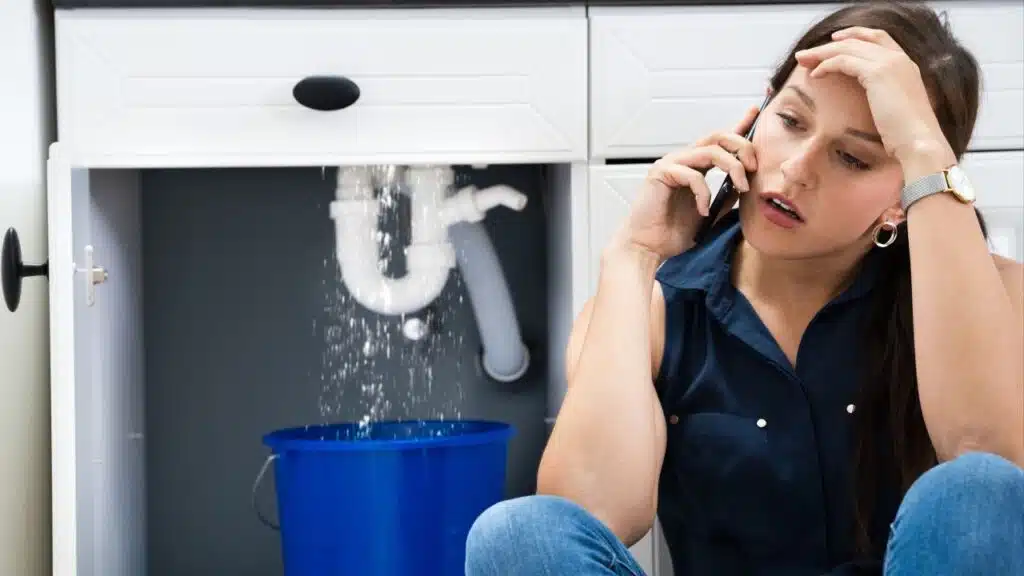
You can fix minor clogs and drips on your own. However, most plumbing emergencies are serious. They require the assistance of a professional. Many 24-hour emergency plumbers are always available outside business hours.
Act promptly when dealing with a major leak. Describe to the plumber what is going on. Also, note whether you have already turned off the water or electricity. The more vivid your description, the higher their readiness to assist you.
Document the damage
This may not be at the top of your mind, but when the harm is big, make a few photographs or videos. Then clean up all the mess before you get everything tidy. They may come in handy during insurance claims or when demonstrating to the plumber what exactly had gone wrong.
Know and learn to do it the next time
Finally, all emergencies are also learning processes. After everything is fixed, take some actions:
- Note the location of your primary shut-off valve
- Spend money on a basic emergency plumbing kit. Maybe a plunger, wrench, and plumber’s tape.
- Consider routine maintenance to spot trouble early.