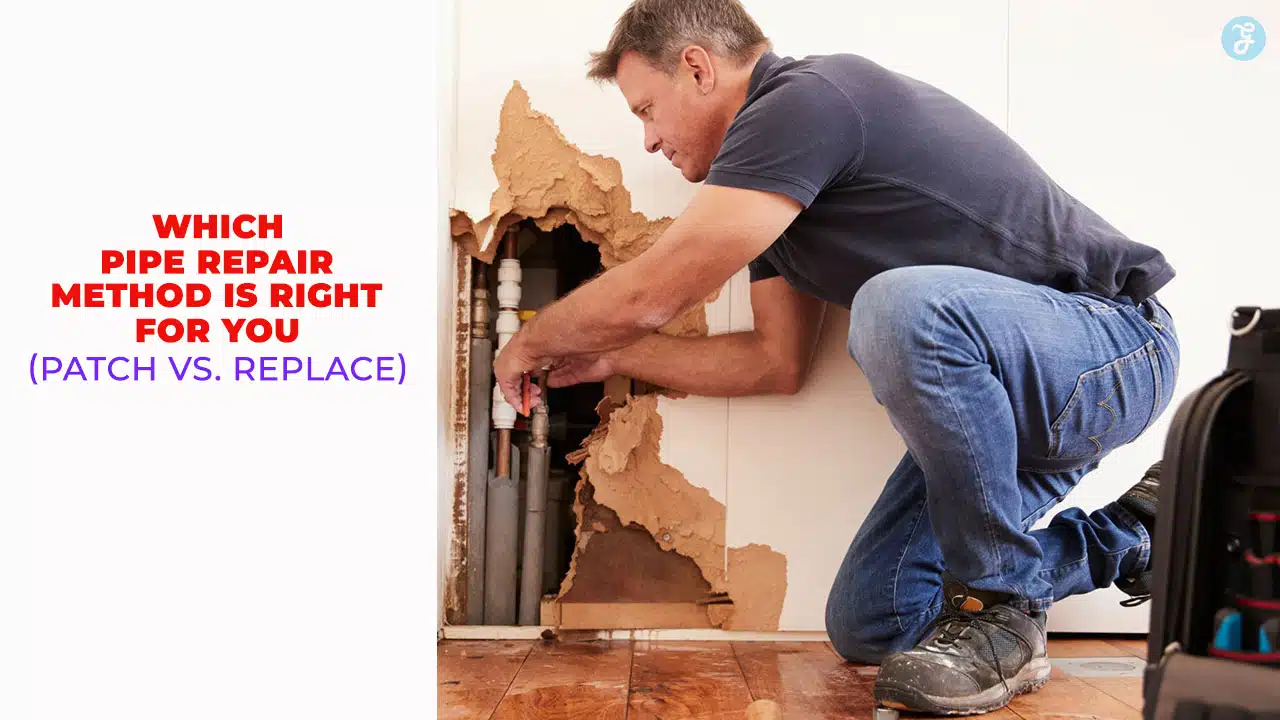
Hey there, have you noticed a pesky leak under your sink or maybe some weird, rusty water coming out of your faucet? It’s a real headache, right, when your plumbing system starts acting up, and you’re left wondering how to fix those underground pipes or corroded pipes without breaking the bank.
Let me share a quick fact: pipe repair often works best for small, localized issues, while a full pipe replacement can be a bigger investment but saves you stress down the road. In this blog, we’re gonna walk you through the ins and outs of choosing between a quick patch and a total swap for your plumbing systems.
We’ll cover when to go for pipe relining or trenchless pipe repair, and help you make a smart call for your home’s water supply system. Stick around, okay? Got a fix to find!
Key Takeaways
- Pipe repair works best for small leaks or tiny cracks in your plumbing system, saving you money upfront.
- Pipe replacement is ideal for old pipes like galvanized steel (20-50 years lifespan) or homes built before 1970.
- Repairs are faster, often done in hours, while replacement can take days or weeks, disrupting your routine.
- Trenchless pipe repair, like pipe relining, fixes underground pipes without digging, cutting mess and costs.
- Contact Blanco AC, Electrical & Plumbing for a pipe inspection to decide the best fix for your home.
When to Consider Pipe Repair
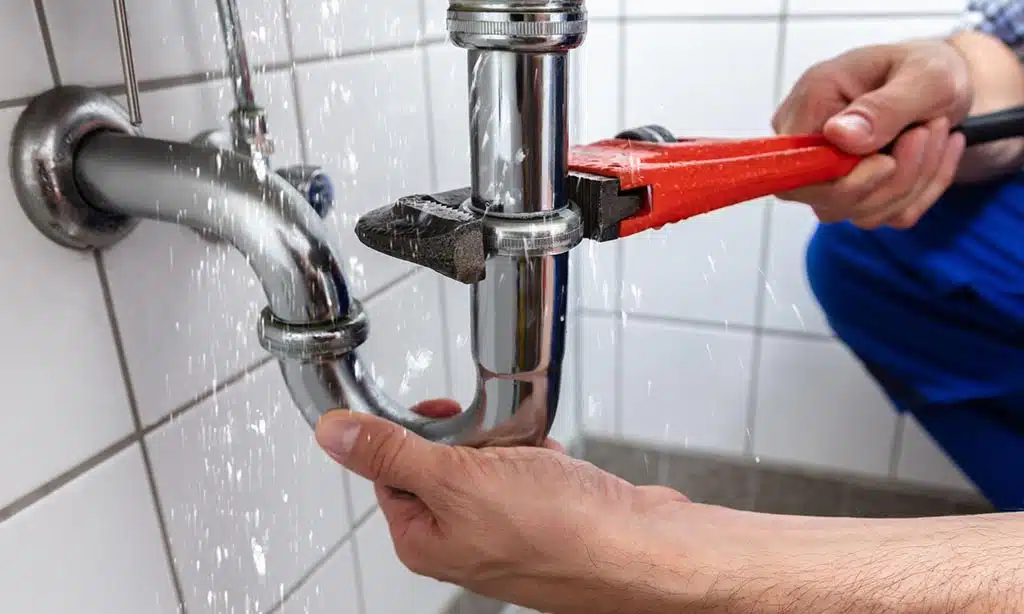
Let’s chat about fixing those pesky pipes in your home. If you spot small leaks or tiny cracks in your plumbing system, pipe repair might just save the day. It’s perfect for minor damage that hasn’t spread far, like isolated corrosion or rust spots on copper pipes or galvanized steel pipes.
Think of it as putting a Band-Aid on a small cut, quick and effective.
Got loose joints or fittings? Or maybe clogs and root intrusions are bugging your sewer pipe without wrecking the whole thing? Pipe repair handles these localized issues with ease.
It’s a solid choice for a temporary fix in residential plumbing, keeping your underground pipes or crawlspaces in check without a full overhaul. Stick with me, and we’ll figure out if this fits your needs!
Common Scenarios Favoring Pipe Repair
Hey there, got a pesky pipe problem? I’m here to chat about when pipe repair, not replacement, might just save the day.
- First up, small leaks or cracks are a classic case for pipe repair. You know, those tiny drips that sneak up in your residential plumbing system. They’re annoying, sure, but often a quick patch can stop the issue cold. No need to overhaul everything for a minor glitch like this.
- Next, isolated corrosion or rust spots scream for a targeted fix. If you spot some corroded pipes, especially in older setups like galvanized steel pipes, a focused repair can tackle just that area. Why rip out the whole line when the damage is limited to one section?
- Then, we’ve got loose joints or fittings causing trouble. These weak spots in your plumbing system can often leak or rattle, but tightening or sealing them up works wonders. A simple adjustment can keep your underground pipes humming without major digging.
- Finally, clogs or root intrusions without severe pipe damage are perfect for repair. Think of tree roots sneaking into your sewer pipe; a trenchless pipe repair can clear the mess without wrecking your yard. It’s like a bandage for your pipes, fixing localized issues fast and easy.
Advantages of Pipe Repair
Got a leaky pipe driving you up the wall? Let’s chat about why pipe repair might just save the day with some solid perks.
- Lower Upfront Cost: Pipe repair often costs less than a full pipe replacement. You’re not shelling out big bucks for new materials or heavy labor. This makes it a wallet-friendly choice, especially for small or localized issues in your plumbing system. Keep more cash in your pocket while still fixing the problem.
- Faster Service Times: Repairs get done quick, no kidding. Most pipe repair jobs wrap up in a few hours, not days. This means less waiting around for your residential plumbing to get back in action. A speedy fix gets your water flowing smoothly again before you know it.
- Less Invasive Approach: Pipe repair, especially with trenchless pipe repair methods, means minimal damage to walls or floors. No need to tear up your home like a construction zone. Your space stays intact, and you avoid the mess of digging trenches or ruining underground pipes. It’s like a stealth mission for your sewers.
- Preserves Existing Piping: If your current copper pipes or PEX pipes are mostly in good condition, repair keeps them in play. There’s no need to toss out what’s still working fine. This method focuses on fixing just the corroded pipes or damaged spots. Think of it as patching a trusty old jacket instead of buying a new one.
- Quick Fix for Emergencies: When a pipe bursts and you need a temporary fix, repair steps in fast. It tackles the issue without a full overhaul of your plumbing system. This buys you time to plan a bigger solution, like pipe relining or replacement, if needed. It’s your band-aid in a crisis.
Disadvantages of Pipe Repair
Hey there, let’s chat about the downsides of pipe repair. It’s not always the perfect fix, so listen up.
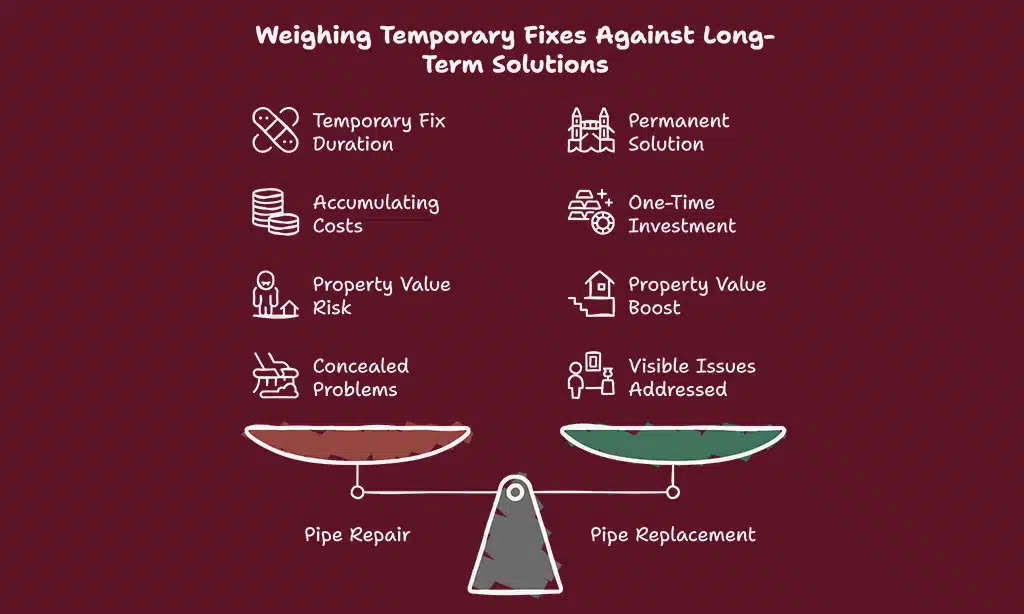
- First off, pipe repair often acts as just a temporary fix, especially for aging systems like old galvanized steel pipes. You might patch up a leak today, but those corroded pipes could spring another issue tomorrow. It’s like slapping a bandage on a deep cut; it won’t hold for long. This can leave you dealing with the same mess over and over in your residential plumbing setup.
- Next up, repairs can hide deeper troubles in your plumbing system. Think of it as sweeping dirt under the rug; you don’t see it, but it’s still there. A small patch on underground pipes might conceal major corrosion or cracks, leading to bigger headaches down the road. This sneaky problem might escape a basic pipe inspection, fooling you into thinking all is well.
- Also, repeated pipe repairs can pile up costs faster than you’d expect. Each little fix for localized issues might seem cheap at first, but over time, those bills add up. It’s like nickel-and-diming yourself into a big expense. Instead of one solid solution, you’re stuck paying for patch after patch on those pesky sewer pipe repairs.
- Another snag is that constant tinkering might mess with your property value. If buyers spot a history of quick fixes on polybutylene pipes or other shaky materials during a plumbing assessment, they might worry about hidden flaws. It’s like buying a car with a patched-up engine; trust takes a hit. This can make your home less appealing in the market.
- Lastly, opting for repair over pipe replacement might delay the inevitable. You’re just kicking the can down the road with a temporary fix for aging lead pipes or other outdated setups. Sooner or later, those worn-out lines will demand a full overhaul. Ignoring this during decision-making can lead to sudden, costly emergencies that catch you off guard.
When to Opt for Pipe Replacement
Facing constant plumbing woes can wear you down, folks. If your home has frequent leaks that demand emergency calls, it’s a sign to think about pipe replacement. Old pipes, like those made of galvanized steel, lead, or polybutylene, often found in homes built before 1970, just can’t keep up anymore.
These outdated materials break down, causing trouble. Switching them out for modern options, such as PEX pipes or copper pipes, can save you from endless headaches.
Low water pressure across your whole house is another red flag. It’s like trying to sip soda through a tiny straw, frustrating as heck. This issue often means your underground pipes or sewer pipe repair needs are beyond a quick fix.
Replacing corroded pipes offers a lasting solution, especially in older homes where problems pile up. A full plumbing assessment might show it’s time to ditch the temporary fix and invest in something solid for your residential plumbing.
Advantages of Pipe Replacement
Let’s talk about why swapping out old pipes can be a game-changer. Choosing pipe replacement over a quick fix offers some solid perks for your home’s plumbing system.
- Long-Lasting Fix: Going for pipe replacement gives you a permanent solution with long-term benefits. Unlike a temporary patch, this approach tackles the root of the problem. You won’t have to worry about the same issue popping up again next month. It’s like ripping off a Band-Aid and healing the wound for good.
- Better Water Flow: Replacing old, corroded pipes with modern options like PEX pipes or copper pipes boosts water quality and pressure. Say goodbye to rusty dribbles and hello to strong, clean streams. Your showers will feel like a spa day every time.
- Fewer Leaks Ahead: This method cuts down the risks of leaks and bursts in your residential plumbing. Old underground pipes or galvanized steel pipes often crack under pressure. A full swap keeps your home safe from surprise water damage. Think of it as dodging a bullet before it’s fired.
- Boosts Home Worth: Installing new pipes increases property value in a big way. Buyers love knowing they won’t face plumbing headaches down the road. It’s like giving your house a shiny gold star on the market. You’ll stand out from the crowd.
- Peace of Mind: Opting for pipe replacement brings long-term peace of mind to your daily life. No more stressing over sudden floods or costly sewer pipe repair calls. You can kick back, relax, and trust your home is secure. It’s a weight off your shoulders for years to come.
Disadvantages of Pipe Replacement
Pipe replacement can be a tough choice, folks. It often brings more hassle than you might expect.
- First off, the cost hits hard with pipe replacement, as the initial price tag is much higher compared to a simple pipe repair or patch. You’re shelling out big bucks upfront for materials like PEX pipes or copper pipes, not to mention labor fees that add up fast.
- Next up, this process gets messy since it’s invasive work requiring wall or floor cutting in your home. Imagine your cozy space turning into a construction zone, with dust and debris everywhere, as workers tear into walls to access underground pipes or sewer pipe repair spots.
- Then, there’s the time factor, since replacement takes longer installation time than a quick fix. You might be without a working plumbing system for days or even weeks, disrupting your daily routine while waiting for the job on those corroded pipes to wrap up.
- Also, think about the chaos it brings to your residential plumbing setup, as it’s not just a small tweak but a full overhaul. Your yard or floors might get dug up, especially with old galvanized steel pipes or lead pipes, leaving you with a headache to clean up after.
- Finally, the disruption isn’t just physical; it messes with your peace of mind too, as you deal with the noise and stress of a major plumbing assessment. Unlike trenchless pipe repair or pipe relining options like cured-in-place pipe, traditional replacement feels like a sledgehammer approach when a gentler touch might do.
Key Factors to Help You Decide
I’m glad to help you weigh your options on pipe repair versus replacement with some clear, no-nonsense pointers. Check out this table to guide your choice between a quick patch or a full swap of those troublesome pipes.
|
Factor |
Why It Matters |
Repair or Replace? |
|---|---|---|
| Age of Pipes | Older pipes, like galvanized steel lasting 20 to 50 years, often wear out. Copper holds up for 50 to 70 years, while PVC manages 25 to 40, and PEX hits 40 to 50. If yours are nearing the end, think twice about a simple fix. | Go for replacement if lifespan is almost up. |
| Extent of Damage | Got a small leak or crack? That’s a localized issue. But if corrosion or multiple breaks plague the system, you’re facing widespread trouble. | Pick repair for small, isolated problems; choose replacement for extensive damage. |
| Cost Over Time | Patching might seem cheap now, but repeated fixes add up fast. Plus, leaks waste water, hiking bills. A full swap could save cash in the long run. | Opt for replacement to dodge recurring repair costs. |
| Future Plans | Planning to stay in your home for decades? A lasting solution makes sense. If you’re moving soon, a quick patch might do the trick. | Choose replacement if staying long-term; stick with repair for short stays. |
| Material Condition | Some materials, like aging galvanized steel, crumble over time. Others, like sturdy copper, might just need a spot fix if the rest looks solid. | Decide on replacement for failing materials; repair if the structure holds strong. |
| Water Wastage | Dripping pipes don’t just annoy, they drain your wallet with wasted water. Fixing the root issue stops this sneaky loss for good. | Lean toward replacement to halt ongoing water loss. |
See how these factors play into your setup? Jot down where your pipes stand with age or damage, and let’s figure out the smartest move. Got a pipe made of ancient galvanized steel? Or just a tiny drip in a newer PVC line? That’s your clue.
Modern Technology in Pipe Repair and Replacement
Modern tech has changed the game for pipe repair and replacement, folks. Imagine fixing underground pipes without tearing up your yard. That’s what trenchless pipe repair offers.
It uses cool methods like pipe relining, where a resin-soaked tube, often made of polyester or fiberglass, slips into the damaged sewer pipe. This creates a strong “pipe within a pipe” to seal cracks and restore flow.
No big digs, no mess, just a smooth fix for your plumbing system.
Now, let’s chat about the perks. Trenchless options, like pipe bursting or cured-in-place pipe, cut down on excavation. They save your landscaping from chaos and keep costs lower for homeowners.
These innovations also mean less hassle for you, with quicker fixes for corroded pipes or localized issues. Whether it’s PEX pipes or old copper pipes, this approach gets the job done fast.
Plus, it’s a win for environmental sustainability, avoiding habitat destruction from heavy digging.
Takeaways
Hey there, deciding between a quick pipe patch or a full replacement isn’t a walk in the park, but you’ve got this! Think about the age of your plumbing system, the extent of those pesky leaks, and your budget, too.
Don’t sweat it if you’re stumped; a solid pipe inspection can clear up the fog. Whether you go for trenchless pipe repair or swap out old tubes for new ones, just pick what fits your home’s needs.
Drop us a line at Blanco AC, Electrical & Plumbing to schedule a chat, and we’ll sort it out together!
FAQs
1. What’s the big deal with pipe repair, and should I patch or replace?
Hey, pipe repair can be a real headache, but don’t sweat it. If you’ve got localized issues with your plumbing system, a quick patch might be a temporary fix for those pesky corroded pipes. But, if your underground pipes are falling apart, like old galvanized steel pipes, a full pipe replacement could save you from bigger messes down the road.
2. How do I know if trenchless pipe repair is my best bet?
Listen up, if you’re dealing with sewer pipe repair and hate the idea of digging up your yard, trenchless pipe repair might just be your golden ticket. It’s less invasive, often using methods like pipe bursting or cured-in-place pipe, also called CIPP. Plus, it works wonders for residential plumbing without wrecking local ecosystems.
3. What’s the scoop on pipe relining versus pipe replacement?
Well, pipe relining is like giving your old copper pipes or plastic pipe a new skin with materials like glass fibre or thermoplastic. It’s great for underground pipes that aren’t totally shot. On the flip side, pipe replacement is the heavy hitter when your lead pipes or polybutylene pipes are beyond saving after a thorough plumbing assessment.
4. Can a simple pipe inspection save me from a plumbing disaster?
You bet it can. A solid pipe inspection, often part of regular inspections, catches problems in pex pipes or other materials before they turn into a full-blown nightmare, guiding you toward the right fix.
5. Is pipe lining worth it for my old house with funky pipes?
If your home’s got aging galvanized steel pipes, pipe lining could be a smart move, like putting a Band-Aid on a scraped knee. It’s often cheaper than demolition for a full swap and uses sustainable practices by avoiding massive disposal headaches. Just get an evaluation to see if it fits your setup.
6. How do I pick between all these methods like cured-in-place-pipe or full replacement?
Hey, picking a method feels like choosing between pizza toppings, but start with a plumbing assessment for verification of your pipe’s condition. Chat with a pro about options like cured-in-place-pipe for minimal mess or full pipe replacement if your corroded pipes are toast. It’s all about matching the fix to your residential plumbing woes, so don’t rush the decision.