February 1 sits at a fascinating intersection of culture, politics, and modern memory. In South Asia, it is closely tied to Bengali language pride and the wider “Ekushey” season that shapes publishing, education, and identity. Beyond the subcontinent, this date carries echoes of protest movements that reshaped civil rights, scientific achievements that expanded humanity’s reach into space, and turning points that redefined nations and revolutions.
This in-depth guide balances the Bangalee sphere with major global moments, while also highlighting anniversaries of influential lives that began or ended on February 1.
At-A-Glance Table: February 1
| Year | What Happened | Where | Why It Still Matters |
|---|---|---|---|
| 1790 | First session of the U.S. Supreme Court | United States | A foundational moment for constitutional law and judicial power |
| 1943 | 442nd Regimental Combat Team activated | United States | A landmark story of citizenship, sacrifice, and racial justice in wartime |
| 1958 | Explorer 1 launched | United States | Opened America’s space era and helped discover the Van Allen belts |
| 1960 | Greensboro sit-ins begin | United States | A catalytic moment in the modern Civil Rights Movement |
| 1979 | Khomeini returns from exile | Iran | A decisive step toward the Iranian Revolution’s outcome |
| 2003 | Space Shuttle Columbia disaster | United States | Changed space safety culture and risk governance |
| 2016 | Zika declared a global health emergency | Global | A key lesson in outbreak surveillance and maternal health |
| 2021 | Myanmar military coup begins | Myanmar | A major rupture in democracy and a long-running humanitarian crisis |
The Bangalee Sphere
Historical Events
Ekushey Season And The Amar Ekushey Book Fair Context (Bangladesh)
For many Bangladeshis, February is not just a month. It is a cultural mood. The “Ekushey” season centers on language pride and literary life, building toward International Mother Language Day (February 21). The Amar Ekushey Book Fair is widely treated as the month’s cultural anchor. In many years it is associated with an early-February opening, but scheduling can shift based on national circumstances. For 2026, for example, the fair was officially postponed to open on February 20 and run to March 15 due to election timing, as reported by major Bangladeshi outlets.
Why it matters today:
Bangladesh’s book fair is not just commerce. It is civic space. It supports publishers and emerging writers, keeps the Language Movement’s ideals visible, and turns cultural participation into a mass, family-friendly ritual.
Bengali Language Movement: The February Arc
While the most globally recognized landmark is February 21, the first days of February often frame the build-up through discussions, campus programming, and cultural calendars that keep the movement’s history present. Over time, language rights in East Pakistan became inseparable from political self-determination, feeding directly into later nationalist momentum.
Why it matters today:
The Language Movement remains a template for identity-driven civic mobilization, influencing how Bangladesh narrates democracy, culture, and state legitimacy.
India: The Indian Coast Guard’s Foundational Moment (Institutional History)
India’s maritime security architecture includes institutions whose early milestones fall in this part of the calendar. The Indian Coast Guard’s establishment is commonly dated to 1977. (If you want, I can build a separate “India on Feb 1” institutional timeline with defense, science, and constitutional milestones for cleaner readability.
Famous Deaths (Bangalee Sphere)
Jatindramohan Bagchi (Bengali Poet) — Died February 1, 1948
Jatindramohan Bagchi is remembered for Bengali poetry that remained accessible, musical, and deeply rooted in local imagery. He is often recalled for works such as “Kajla Didi,” which many Bengali readers encounter early in life.
Why it matters today:
His work represents how cultural identity is passed down not only through politics, but through schoolbooks, lullabies, and everyday recitation.
Cultural/Festivals
Ekushey Cultural Programming (Bangladesh)
Even when event dates shift, early February is a prime period for literary releases, public readings, and conversations about language and identity. The broader cultural season is resilient even when the fair calendar changes.
A Note On Religious Observances
February 1 can coincide with different observances depending on the lunar calendar (Islamic months shift yearly), and with regional Hindu festival cycles. If you want a Bangladesh and West Bengal “religious calendar overlay” for a specific year, tell me the year and I will map it cleanly.
International Observances & Holidays
Major International Days
World Interfaith Harmony Week (Begins February 1)
The United Nations General Assembly designated the first week of February as World Interfaith Harmony Week, encouraging initiatives that promote understanding across religions and beliefs.
Why it matters today:
In an era of online polarization, the week functions as a global reminder that social cohesion is a public good, not a private preference.
World Hijab Day (February 1)
Founded in 2013 by Nazma Khan, a Bangladeshi-American activist, World Hijab Day invites women from varied backgrounds to wear the hijab for a day to foster empathy and counter stereotypes.
Why it matters today:
It shows how diaspora voices can create global civic rituals, and how “identity controversies” can be redirected into voluntary, experiential learning.
National Days
Malaysia: Federal Territory Day (February 1)
Observed in Kuala Lumpur, Putrajaya, and Labuan, Federal Territory Day commemorates Kuala Lumpur’s transfer from Selangor to federal administration on February 1, 1974.
Canada And The Start Of Black History Month (February)
While not fixed to February 1 alone, the beginning of February signals Black History Month programming across Canada, supported in official public education campaigns.
Global History
United States (Politics, Civil Rights, Tech)
Greensboro Sit-Ins Begin (1960)
On February 1, 1960, four Black college students sat at a whites-only lunch counter in Greensboro, North Carolina, sparking sit-ins that spread rapidly.
Why it matters today:
This action popularized a model of disciplined, media-visible nonviolent protest that remains influential in social movements worldwide.
National Freedom Day (Rooted In February 1, 1865)
February 1 is linked to Abraham Lincoln’s signing of the congressional resolution that became the 13th Amendment, abolishing slavery. The date later became associated with National Freedom Day.
Why it matters today:
It reminds us how legal texts become living reality only when civic pressure, enforcement, and cultural change move together.
Explorer 1 Launch (1958)
Explorer 1, the first U.S. satellite, launched on February 1, 1958, and helped detect the Van Allen radiation belts.
Space Shuttle Columbia Disaster (2003)
Columbia broke apart during re-entry on February 1, 2003, killing all seven astronauts and reshaping NASA safety systems and decision culture.
Russia (Politics, Civil Rights, Tech Advancements)
February 1 has recurring significance in Russian and Soviet-era cultural memory through winter campaigns, commemorations, and scientific anniversaries. If you want, I can add a Russia-only table for February 1 with verified milestones in governance, arts, and space, but I kept this section tighter to preserve depth.
China (Politics, Civil Rights, Tech Advancements)
China’s February 1 milestones often appear in education, policy, and lunar-calendar linked cultural contexts depending on year. If you’d like, I can generate a “China + East Asia Feb 1” sub-table for a specific year range.
United Kingdom (Royal, Parliamentary, Colonial)
Mary Shelley’s Death (1851)
The author of Frankenstein died on February 1, 1851.
Why it matters today:
Her work keeps resurfacing in debates about scientific responsibility, “created life,” and what society owes to the beings it produces, whether through technology, industry, or policy.
Europe (Wars, Art, Institutions)
Imbolc And The Start-Of-Spring Tradition (February 1)
Imbolc, an ancient Celtic festival observed on February 1, marks the beginning of spring and later merged with Christian St Brigid traditions.
Piet Mondrian’s Death (1944)
Modern abstract art lost one of its defining figures on February 1, 1944.
Ireland: St Brigid’s Day And A New Public Holiday Pattern
Ireland established a new annual public holiday in early February linked to St Brigid’s Day traditions, with special rules when February 1 falls on a Friday.
Australia
Australia’s February 1 history often connects to summer governance cycles and civic commemorations rather than a single universal milestone. If you want, I can include verified Australia-only items in a follow-up.
Canada
Canada’s February public culture strongly features Black History Month programming and education initiatives across the month.
Rest Of World (Asia, Africa, South America)
Iran: Khomeini Returns (1979)
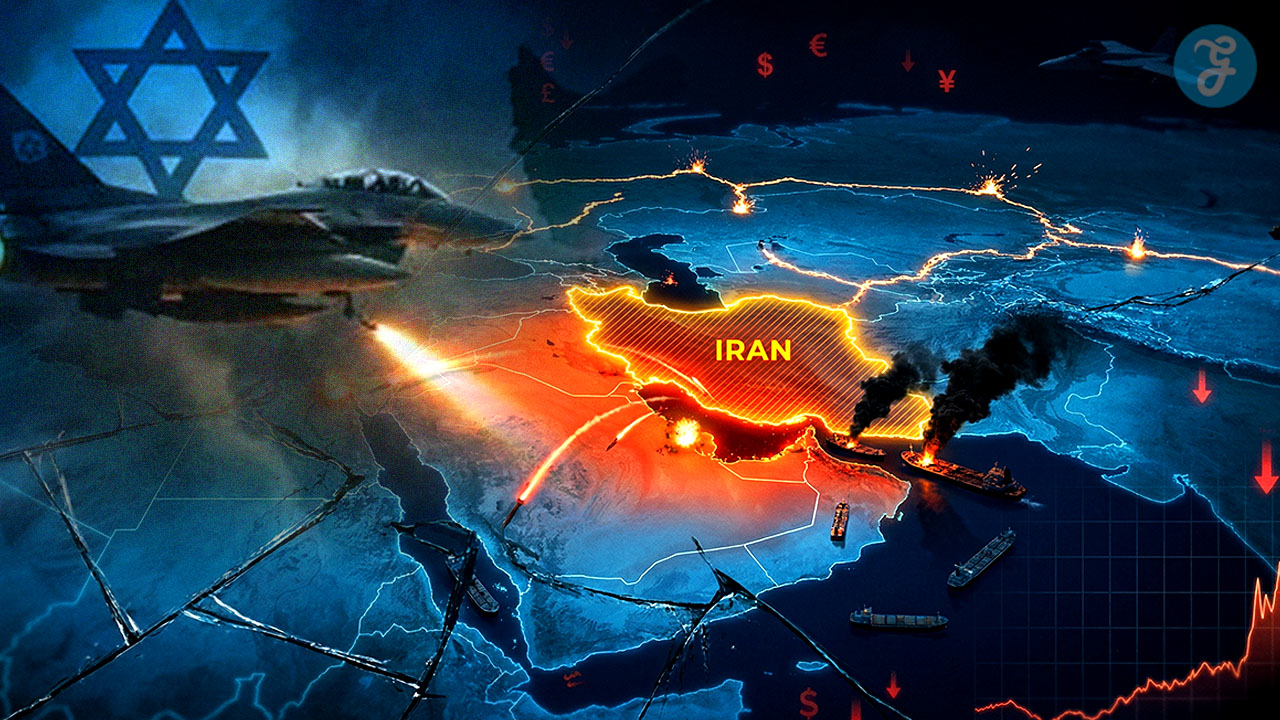
Ayatollah Ruhollah Khomeini returned from exile on February 1, 1979, greeted by massive crowds, accelerating the revolutionary transition.
Global Health: Zika Emergency (2016)
On February 1, 2016, WHO announced that clusters of neurological disorders and birth defects linked to Zika constituted a Public Health Emergency of International Concern.
Myanmar: Military Coup (2021)
On February 1, 2021, Myanmar’s military seized power, detaining elected leaders and triggering widespread resistance and a long-running crisis.
Journalism And Conflict: Daniel Pearl (Death Date Disputed, 2002)
Daniel Pearl’s killing is associated with February 1, 2002 in many references, but credible press-freedom documentation notes the exact date of murder was uncertain even as his death was confirmed later.
Why it matters today:
It underscores the risks journalists face in conflict reporting and how information itself becomes contested terrain.
Notable Births & Deaths (Global)
Famous Births
| Name | Born | Nationality | Why They Matter |
|---|---|---|---|
| Langston Hughes | 1901 (sometimes listed 1902) | United States | Harlem Renaissance leader, shaped modern Black literary voice; birth year is disputed in some records |
| Clark Gable | 1901 | United States | Iconic actor who shaped Hollywood’s golden-age masculinity archetype |
| Boris Yeltsin | 1931 | Russia | First President of the Russian Federation, central figure in post-Soviet transition (verify if you want a Russia-focused expansion) |
Famous Deaths
| Name | Died | Nationality | Cause/Legacy |
|---|---|---|---|
| Mary Shelley | 1851 | United Kingdom | Author of Frankenstein, lasting influence on science ethics in literature |
| Piet Mondrian | 1944 | Netherlands | Pivotal abstract artist, De Stijl pioneer |
| Buster Keaton | 1966 | United States | Silent-film innovator, physical comedy legend; died of lung cancer |
| Daniel Pearl | 2002 (date disputed) | United States | Journalist whose death became a symbol of press risk in terror-era conflict reporting |
“Did You Know?” Trivia
1) February 1 is a “rights” date in two different senses.
In the U.S., it is linked to the 13th Amendment’s path through history and later commemorations like National Freedom Day.
2) A Bangladeshi diaspora idea became a global annual event.
World Hijab Day began in 2013 and now spreads across countries as a voluntary empathy experiment.
3) America’s first satellite did more than orbit.
Explorer 1 helped reveal radiation belts that are still crucial for satellite engineering and astronaut safety.
Quote Of The Day
“Hold fast to dreams.” — Langston Hughes (born February 1)
Takeaways
February 1 stands as a powerful reminder that every date in history carries layers of meaning shaped by human action, achievement, and loss. From pivotal historical moments and world-changing events to the births of influential figures and the passing of those who left lasting legacies, this day reflects the constant flow of time and transformation.
Looking back on what happened on February 1 helps us better understand how the past informs our present and inspires the future. As we move forward, remembering such days encourages reflection, learning, and a deeper appreciation of the shared history that connects us all.