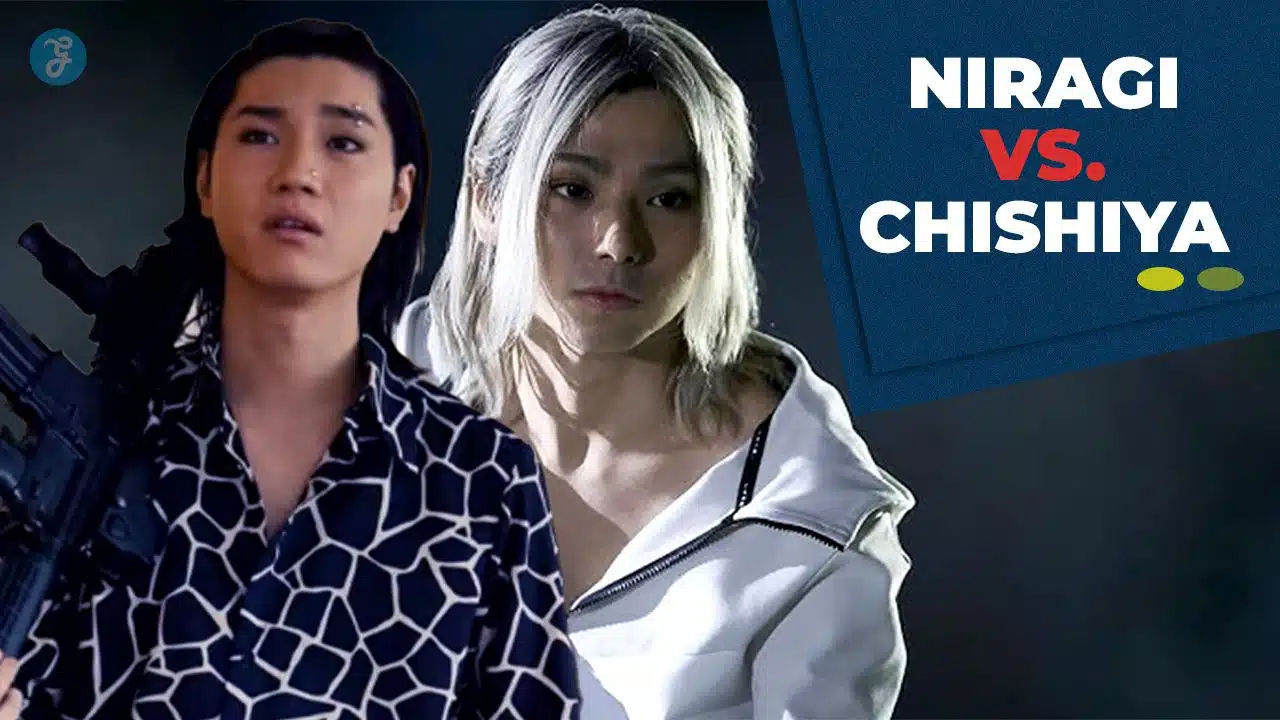
Have you ever noticed how the loudest person in the room is often the first to panic when things go wrong? I see this dynamic constantly, whether I’m managing a crisis or watching the brutal survival games in Alice in Borderland. The clash, Niragi vs Chishiya, isn’t just a TV drama; it’s a masterclass in the battle between raw, explosive chaos and cold, calculating logic.
You might be drawn to Niragi’s fiery intensity or Chishiya’s cool detachment, but there is a clear winner when survival is on the line. I’m going to walk you through exactly why a cool head beats a hot temper every single time, using some engineering principles I’ve picked up along the way.
So, grab your favourite drink and let’s break down this rivalry. I’ll show you the hidden details that make Chishiya’s victory inevitable.
Analyzing the Distinct Characteristics of Chaos and Logic
Chaos acts in the heat of the moment, while logic watches, waits, and strikes with precision. To understand who wins, you have to look at the engine driving each character.
Niragi’s Reckless Behavior and Quick Decisions
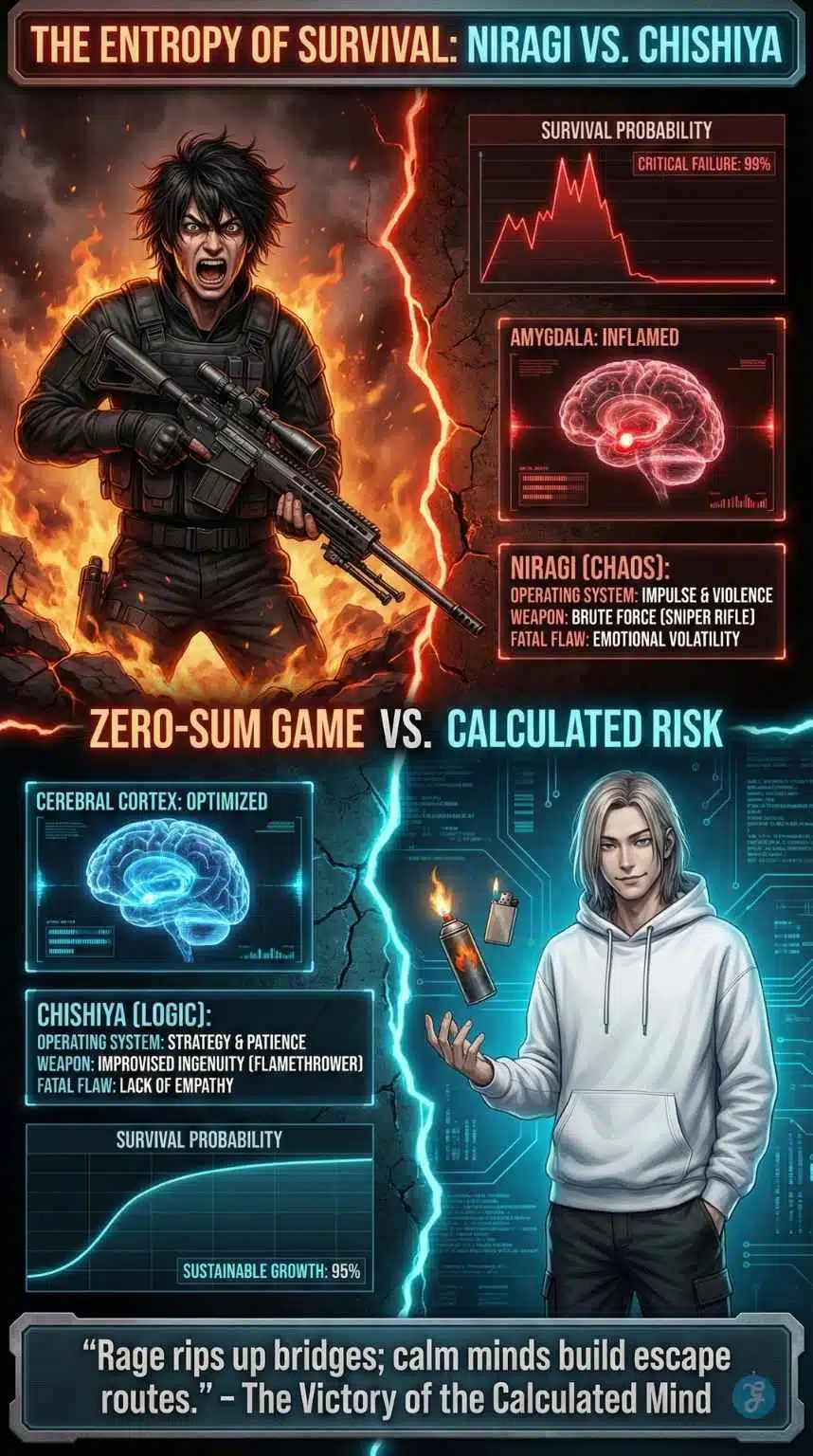
Niragi, played with terrifying intensity by Dori Sakurada, is the definition of a “brute force” attack. He doesn’t plan; he reacts.
His behavior is rooted in a classic “victim-turned-bully” psychology. Flashbacks reveal he was severely bullied in high school, and he compensates for that past powerlessness by exerting absolute, violent control over everyone else in the Borderland.
He operates on pure impulse. During the Witch Hunt, he didn’t look for clues; he simply started shooting. In my engineering days, I saw this often: developers who would just “patch” a bug without finding the root cause, only to crash the whole system later. Niragi’s strategy is high-energy but unsustainable.
“Anger is one letter short of danger.”
Chishiya’s Strategic Thinking and Patience
On the other side, we have Chishiya, portrayed by Nijiro Murakami. His name is a nod to the “Cheshire Cat” from Alice in Wonderland, and it fits perfectly, he observes from the sidelines with a knowing grin.
Before the Borderland, Chishiya was a medical student (likely a surgical intern). This background is crucial. It trained him to remain clinically detached and view people as biological puzzles rather than friends or enemies.
He treats every game like a surgery: assess the vitals, identify the pathology, and cut where necessary. While others are screaming, he is collecting data. I always tell my team at Editorialge that data beats opinion, and Chishiya is the living proof of that rule.
| Feature | Niragi (Chaos) | Chishiya (Logic) |
| Core Motivation | Fear of being weak | Boredom & Curiosity |
| Weapon of Choice | Sniper Rifle (Distance/Power) | Improvised Tools (Ingenuity) |
| Fatal Flaw | Emotional Volatility | Lack of Empathy |
Exploring Key Battles Between Niragi and Chishiya
Fire meets ice every time these two square off. Their battles aren’t just physical fights; they are collisions of two completely different operating systems.
Recapping the Witch Hunt Game
The Witch Hunt (Ten of Hearts) was the ultimate stress test. The objective was simple: find the “Witch” who killed Momoka. The method? That was up to the players.
Niragi chose the path of mass destruction. He treated the Hotel Seaside lobby like a shooting gallery, assuming that if he killed everyone, he’d eventually hit the witch. It’s a strategy, sure, but it’s an inefficient one that burns through resources, in this case, human lives, at a terrifying rate.
Chishiya, meanwhile, never fired a shot until it mattered. He analyzed the crime scene, understood the physics of the game, and let Niragi distract the crowd while he worked on a solution. He used Niragi’s chaos as a smokescreen for his own investigation.
Rage rips up bridges fast; calm minds build escape routes before fires even spark.
Analyzing the Ten of Hearts Game
The tension peaked when they finally faced each other directly. This wasn’t just about the game anymore; it was personal.
Chishiya realized he couldn’t outgun Niragi, so he outsmarted him. He used his knowledge of chemistry to improvise a flamethrower using a spray can and a lighter. This is the “MacGyver” moment that separates an engineer from a soldier.
Niragi had a military-grade sniper rifle, but he lost because he was too angry to aim properly or anticipate a trap. Chishiya’s improvised weapon worked because he delivered it with surgical timing. It proved that a simple tool used with intelligence beats a powerful weapon used with rage.
Zero-Sum Game: Why Niragi Can’t Comprehend Cooperation
Niragi views the world as a strict Zero-Sum Game. In Game Theory, this means that for one person to win, another must lose. There is no pie-growing; there is only pie-stealing.
This mindset limits him. During stressful moments, he cannot conceive of an alliance that isn’t based on fear. He isolates himself, making him vulnerable to a coordinated counter-attack.
I’ve seen this in business dealings often. The “sharks” who try to take everything off the table usually end up with nothing because no one wants to work with them. Chishiya, however, understands that sometimes you can use others (like Arisu and Usagi) to advance your own position without necessarily destroying them immediately.
The Volatility Factor: How Anger Blinds Tactical Vision
Niragi’s rage acts like a blind spot on a racehorse. He sees only the target in front of him, missing the cliff edge he’s running toward.
There is real science behind this failure. According to a 2024 report by Crown Counseling, uncontrolled anger can increase the risk of stroke and heart attack by 50%, but more importantly, it shuts down the prefrontal cortex—the part of the brain responsible for planning.
When Niragi gets angry, he literally becomes stupider. He loses “Tactical Vision,” the ability to see the whole board. Chishiya exploits this by staying calm, essentially waiting for Niragi to make a mistake.
Surgical Precision: Chishiya’s Ability to Dissect Human Nature
Chishiya reads people like open books. His medical training taught him to look for symptoms.
- The Shake: He notices a trembling hand.
- The Glance: He sees who looks at whom for validation.
- The Tone: He hears the fear behind the bravado.
His calm cuts through panic like a scalpel. I used to watch these games thinking the loudest person had the power, but Chishiya proved me wrong. He diagnoses the room, identifies the weak link, and presses on it until it breaks.
The Role of Chaos and Logic in Their Ongoing Conflict
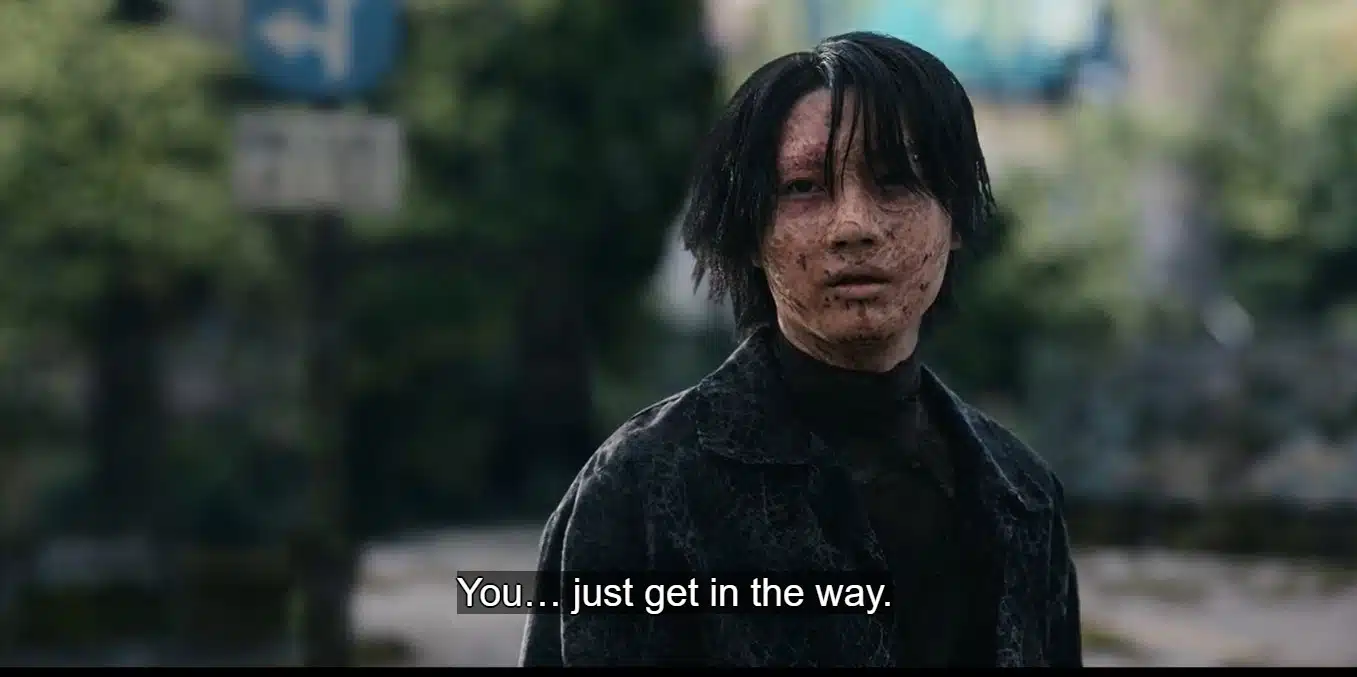
The conflict between them isn’t just about survival; it’s about proving whose worldview is correct. Does power come from fear or from understanding?
The Flamethrower Checkmate: Improvised Strategy vs. Brute Force
That moment with the flamethrower was a checkmate move. Niragi thought he was the hunter, stalking prey from the rooftop.
He didn’t realize he was being hunted. Chishiya didn’t try to match Niragi’s firepower. Instead, he changed the rules of the engagement. By getting close and using fire, something Niragi, with his rifle, wasn’t prepared for at close range, he flipped the board.
It reminds me of asymmetrical warfare. You don’t fight a tank with another tank if you can just disable its tracks. Chishiya disabled Niragi’s advantage (distance) and introduced a new variable (fire) that Niragi couldn’t handle.
The Power of Indifference: Why Provocation Didn’t Work on Chishiya
Chishiya employs what psychologists call the “Gray Rock Method.” When dealing with a narcissist or aggressor, you become as uninteresting and unresponsive as a gray rock.
Niragi thrives on reaction. He wants you to scream, beg, or fight back in anger. Chishiya gives him nothing. He looks at Niragi with total indifference, sometimes even boredom.
In my own team projects, I’ve seen how refusing to react takes the wind right out of a bully’s sails. It drives Niragi insane because it denies him the one thing he craves: validation of his power.
Analyzing the Enemy: Chishiya’s Mental Autopsy of Niragi
Chishiya doesn’t hate Niragi; he dissects him. He views Niragi’s behavior as a pathology, a disease pattern to be studied.
He spots the patterns, anger first, questions later, and uses them to predict Niragi’s next move. In the show, during their standoff, Chishiya even mocks him after getting shot, asking,
“Did you mean to miss a vital organ?”
That line is pure genius. It reasserts control even when he is physically wounded. It tells Niragi, “Your violence doesn’t impress me, and your aim is sloppy.” It’s a psychological victory that hurts Niragi more than the bullet hurt Chishiya.
How Logic Overcomes Chaos in the End
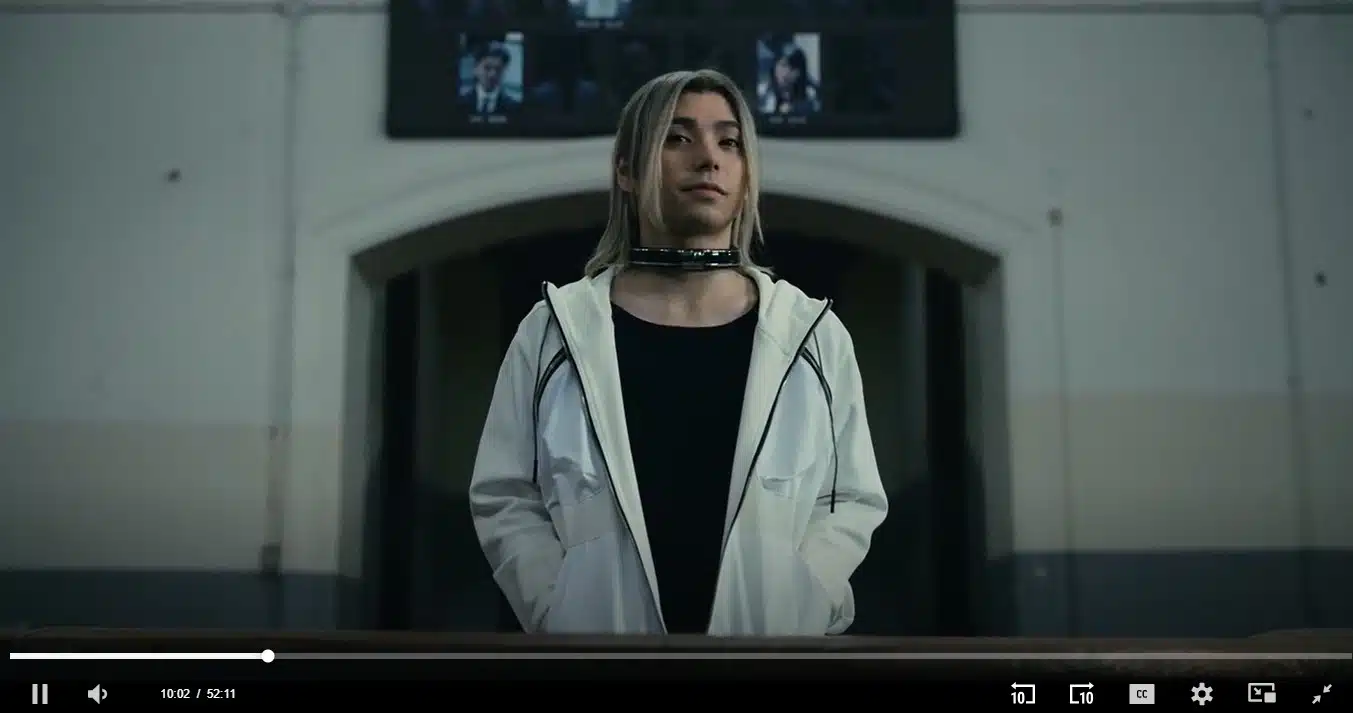
Logic wins because it is sustainable. Chaos burns itself out, usually taking the host with it.
The Entropy of Rage: Why Chaos is Unsustainable
In physics, entropy is the measure of disorder. High entropy systems are unstable. Niragi is a high-entropy system.
His rage requires constant fuel, new enemies, new conflicts. Eventually, he runs out of fuel or creates an enemy he can’t defeat. According to 2024 data from Gallup, nearly 23% of adults report feeling significant anger daily, a statistic that correlates with poor long-term decision-making.
Chishiya operates on low entropy. He conserves energy. He only moves when he has a high probability of success. In the “King of Diamonds” game (the Keynesian Beauty Contest), Chishiya proves this by finding the Nash Equilibrium, a state where no player can benefit by changing strategies, and then breaking it to force a win.
The Mirror of Nihilism: Fundamental Similarities
Despite their differences, they are two sides of the same coin. Both have stared into the abyss and decided that life has no inherent meaning.
They both reject the “friendship is magic” trope that Arisu clings to. They both believe people are selfish. The difference is in their response to that void.
- Niragi fills the void with noise and violence to feel alive.
- Chishiya fills the void with puzzles and observation to pass the time.
This shared nihilism is why they understand each other better than anyone else. They are the only two who know exactly what the other is capable of.
Evolution vs. Stagnation: Chishiya’s Growth Arc
The final nail in the coffin for Niragi is his inability to change. He starts as a bully and ends as a bully. He is static.
Chishiya, however, evolves. Through games like the King of Diamonds, he begins to confront his own lack of empathy. He starts to wonder if there is value in connection, or at least in the “illogical” actions of others.
Evolution allows for adaptation. Stagnation leads to extinction. By being willing to update his mental model based on new data (like Arisu’s selflessness), Chishiya gains a survival advantage that Niragi’s rigid anger can never provide.
Final Thought: Why the Smartest Man in the Room is the Last Standing
At the end of the day, logic cuts through chaos like a sharp knife through butter. Niragi represents the part of us that wants to lash out when we’re hurt. Chishiya represents the part that takes a deep breath and figures out a solution. While rage might feel powerful in the moment, it’s the careful planning and cool head that walk away when the dust settles.
So, the next time you’re facing a crisis, ask yourself: do you want to be the fire that burns out, or the surgeon who saves the patient?