
Spread a soft sheepskin rug on the cold floor and toss velvet pillows on a reclaimed wood bench for a warm touch—read on to learn more.
Soft textiles wrap seating areas in warmth, they tame exposed brick and metal accents in industrial chic homes. A cozy nook forms with a deep orange velour throw on a reclaimed wood bench next to an Edison bulb lamp.
A plush rug grounds a chair, it defines the spot with smart furniture arrangements. These fabrics soften raw materials, they add rich browns and reds for a snug feel.
Fuzzy pillows perch on a raw wood sofa beside exposed pipes, they welcome you to sit. Vintage lighting casts glows over a shag carpet, it invites slow mornings. A cluster of throws near a chandelier picks up natural light, it brightens the space.
Each piece in practical design gives industrial chic home decor a softer edge.
How Can Softer Lighting Warm Up Industrial Spaces?
Edison bulbs in metal cage pendants glow with a soft, golden hue that tames the cool edges of exposed brick and metal accents. Factory-style chandeliers hang above a reclaimed wood table, scattering light across rough beams.
Wall sconces with tinted lampshades and floor lamps fill dark corners, turning raw materials into a cozy nook.
A dimmer switch lets you shift mood from bright to warm with one turn. Natural light streams under high ceilings, while warm bulbs keep spaces inviting after dusk. This blend of industrial chic and vintage lighting makes a space feel both bold and welcoming.
What Natural Elements Like Wood and Plants Enhance Industrial Decor?
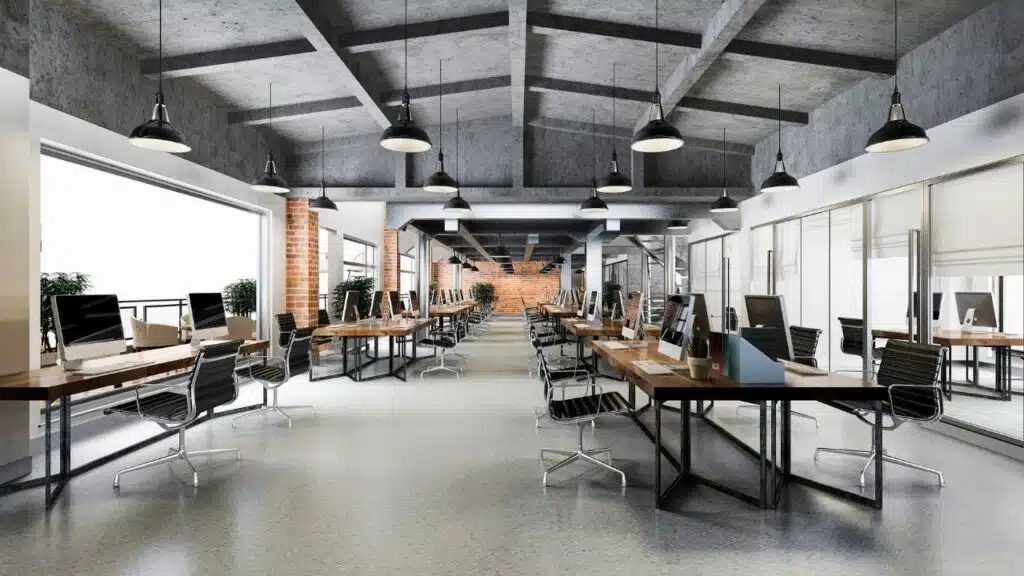
Reclaimed wood adds warmth to exposed brick walls. Raw wood tables break up metal accents on shelves. Designers use wooden crates as simple plant stands. Metal pots hold succulents, snake plants, or pothos under vintage lighting like Edison bulbs in corners.
Stone planters or concrete pots anchor areas with exposed pipes. They bring raw materials into industrial chic interior design with a nod to practical design. Indoor greenery brightens minimalism in home décor.
Natural light glints off wood furniture and leafy green accents.
How Do Pops of Color Break Up Neutral Industrial Tones?
Industrial chic often uses gray walls and metal accents that feel stark. A spice-red sofa beside reclaimed wood crates feels like a campfire on a starless night. Throw in a rust-orange pillow and a beige rug for balance.
Those bursts of hue slice through monotony in seconds.
Open a hue guide, pick deep brown or burnt orange, then grab a paint roller and a swatch card. Drop a bright yellow frame on exposed brick or exposed pipes. Slip an emerald green chair near a window for natural light, then add vintage lighting with Edison bulbs.
This simple trick turns cold concrete floors into a lively stage.
Why Choose Curved and Soft-Edged Furniture in Industrial Design?
Soft-edged seats soften the stark vibe of exposed pipes and steel casement windows. Curved tables blend with reclaimed wood tops, raw wood legs, and exposed brick walls. They balance cold metal and hard lines of industrial chic.
Rounded seats can serve as multi-functional furniture, offering extra storage and seating in open layouts. They fit open plans without clutter and highlight practical design. Curves catch natural light, glow under vintage lighting or Edison bulbs, and wrap around exposed pipes like a warm hug among rough surfaces.
How Does Layering Textures Add Depth and Warmth?
Soft rugs made of wool and cotton warm up bare floors. Chunky linen throws add a cozy feel alongside raw wood tables.
Exposed brick and exposed pipes can look cold; thick textiles break their harsh lines. Reclaimed wood shelves gain more depth when you top them with a woven basket.
Natural light will highlight each layer, making rooms feel bright and snug.
How Can Artwork and Decor Personalize an Industrial Space?
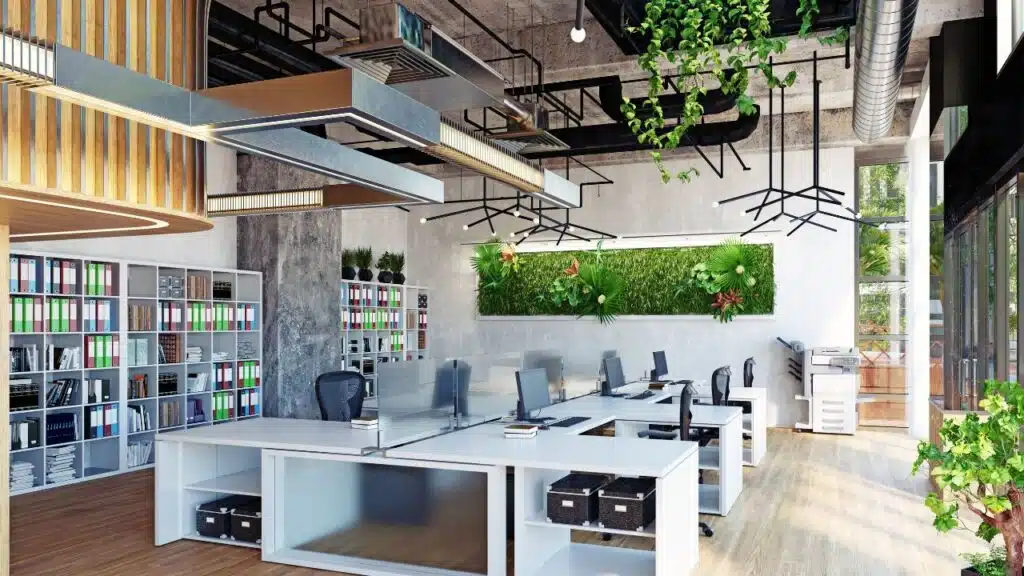
Hang oversized artwork, in style of abstract paintings, on exposed brick walls. Let it set a focal point for your industrial chic room. Pair it with vintage metal signs for a dash of retro charm.
Add a repurposed factory cart or storage locker for a vintage twist. Light the scene with edison bulbs or vintage lighting to make art glow.
Pick open shelving or picture rails to show off small sculptures. Place wire baskets and raw wood crates near exposed pipes for storage. Blend reclaimed wood frames and metal signage to tie in reclaimed materials.
Watch balance and scale guide each display with concepts like contrast. Use practical design tools, such as measuring tape and level, to hang pieces straight.
Takeaways
Steel beams feel less harsh with a soft throw. Warm bulbs light up exposed brick, old pipes, and steel surfaces. A curvy couch soothes metal edges.
Timber accents and green plants bring nature inside. Colorful art and rugs break up grey areas. Layered pillows, rugs, and blankets add depth. Euroline frames let in light, they keep a sleek style. Each nook now tells your story, it feels like a warm hug.
FAQs
1. What is industrial chic?
Industrial chic shows off exposed brick, raw wood, and exposed pipes. It feels like living in a converted factory. It mixes rough edges with clean lines, for a bold, stylish look.
2. How can I soften exposed brick?
You can paint it a light shade, like white or pale gray. Hang sheer curtains in front, to add a soft layer. I once saw a loft shelf packed with ferns, it felt like a hidden garden under the city sky.
3. Are reclaimed materials a good fit for a practical design?
Yes, reclaimed materials work well in a practical design. Old oak beams become sturdy shelves. Vintage metal signs turn walls into art. You save money, cut waste, and get long-lasting style.
4. How can I hide exposed pipes without losing industrial chic?
Paint pipes to match your wall color, they almost vanish. Wrap them in jute rope for a textured twist. Or frame them with a simple wooden box, and you keep the raw charm while giving them a break from the spotlight.