
Car troubles are an inevitable part of vehicle ownership, affecting millions of American drivers every year. Understanding which components are most likely to fail can help you stay prepared and potentially avoid costly roadside emergencies. By recognizing common failure points and knowing how to respond, drivers can maintain their vehicle’s reliability and ensure their safety on the road.
The Numbers Behind Vehicle Breakdowns
Vehicle breakdowns represent a significant challenge for American drivers, with comprehensive statistics revealing the scope of automotive reliability issues. There are 69 million vehicle breakdowns every year in the United States, highlighting just how common these car accident cases have become across the country.
The growing number of vehicles on American roads compounds this challenge. The number of registered vehicles in the United States increased by 3.5% between 2018 and 2022, meaning more cars are potentially susceptible to mechanical failures. This growth trend suggests that breakdown incidents will likely continue rising unless drivers become more proactive about vehicle maintenance.
Adding to the problem is driver awareness of warning signs. Over 50% of drivers misinterpret dashboard warning lights, often ignoring critical alerts that could prevent major breakdowns. This lack of understanding frequently transforms minor issues into expensive repairs or dangerous roadside situations that could have been avoided with proper attention to vehicle warning systems.
The Seven Most Vulnerable Components from a Car
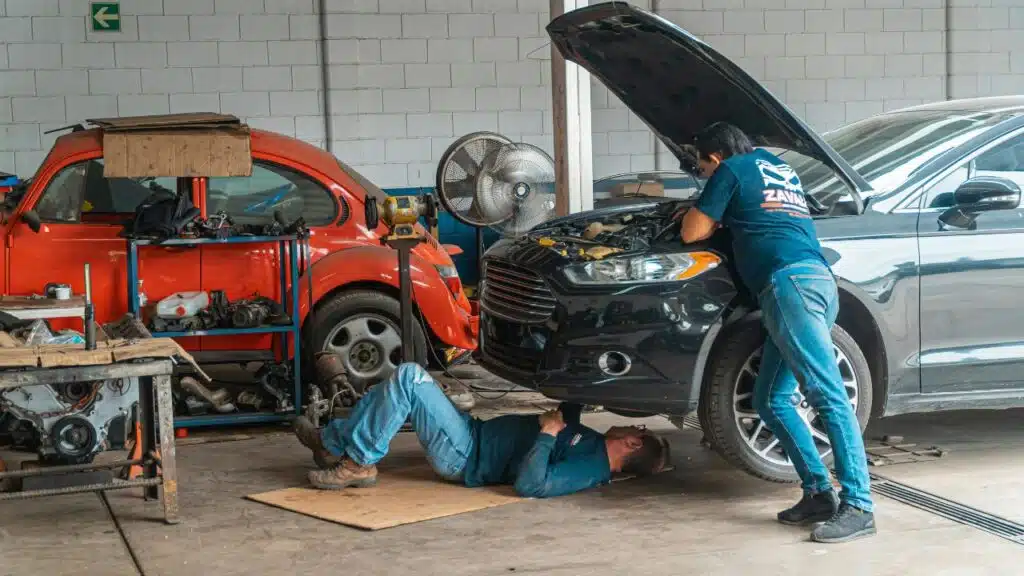
- Battery issues – Car batteries are the leading cause of vehicle breakdowns, especially during extreme temperatures. Cold winters and hot summers can significantly shorten battery life, which typically ranges from three to five years. Frequent short trips and electrical strain also contribute to early failure.
- Tire problems – Worn tread, improper inflation, punctures, and blowouts can develop over time and lead to hazardous roadside emergencies. Regular inspection and tire maintenance are key to prevention.
- Brake system failures – Faulty brake components, such as worn pads, damaged rotors, or contaminated brake fluid, can severely impair stopping power. These issues are not only dangerous but also often appear in car accident cases, underscoring their importance for both safety and potential legal liability.
- Engine cooling failures – Malfunctions in radiators, water pumps, or cooling hoses can cause engines to overheat, often leading to expensive repairs. Coolant leaks and clogged components are the most common offenders.
- Transmission malfunctions – Issues like worn clutches, fluid leaks, or electronic control failure can prevent a vehicle from shifting properly, or moving at all. Both manual and automatic transmissions are susceptible.
- Electrical system defects – Modern vehicles rely on complex electrical systems. Failures in alternators, starters, or wiring can cause anything from minor inconveniences to complete shutdowns.
- Fuel system faults – Faulty pumps, clogged filters, or dirty injectors can choke performance or lead to total breakdowns. Contaminated fuel is a common, preventable cause.
Prevention and Response Strategies for Car Accidents
Following manufacturer maintenance schedules helps identify potential problems before they become major failures. Regular inspections of batteries, tires, brakes, and fluid levels can catch issues early when repairs are less expensive. When warning lights appear, seek professional diagnosis immediately rather than ignoring these critical signals. Keep emergency supplies in your vehicle, including jumper cables, basic tools, and roadside assistance contact information.
Understanding common vehicle failure points and maintaining awareness of warning signs empowers drivers to take control of their automotive reliability. While some breakdowns are unavoidable, proper vehicle care and prompt attention to potential problems significantly reduce the likelihood of unexpected roadside emergencies and car accidents.