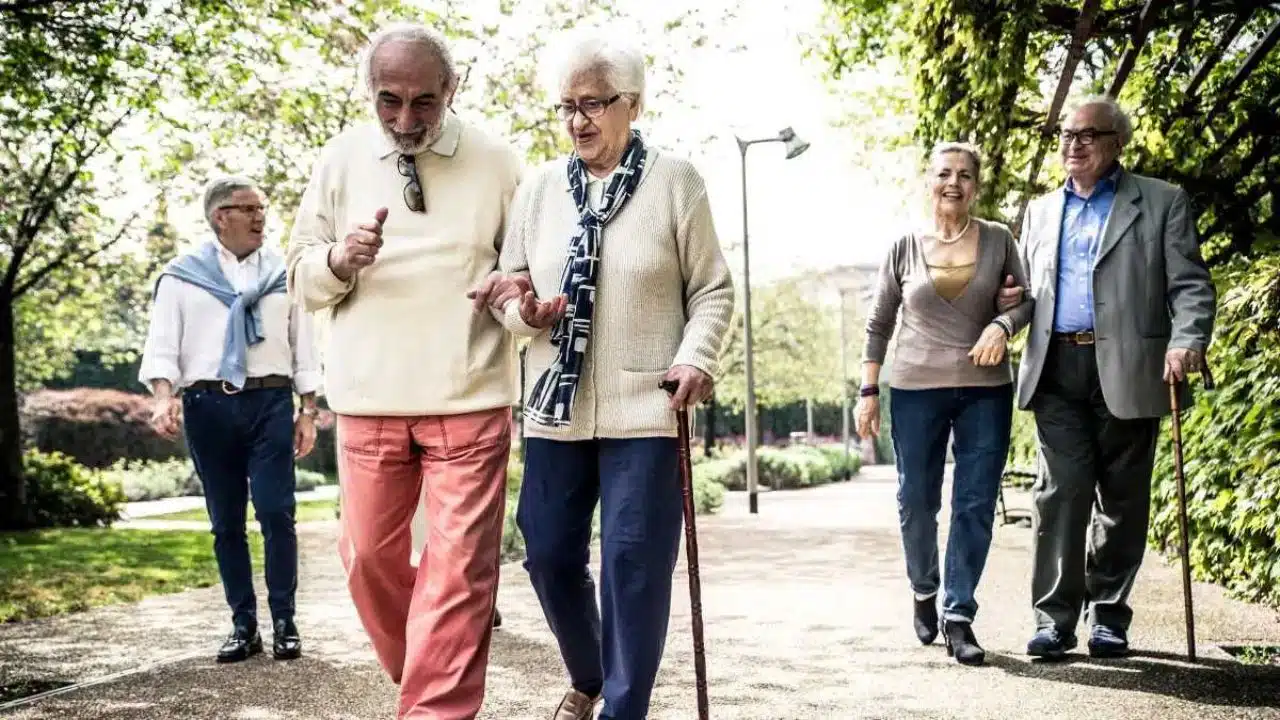
As our loved ones grow older, maintaining independence becomes one of the most important aspects of their quality of life. Simple tasks that were once easy can become challenging, and this often leads to frustration or a loss of confidence. Thankfully, modern mobility aids are designed to bridge that gap and support safety, independence, and dignity.
For example, a mobility aids specialist in Ireland called Medpoint has served 1000s of elderly people who needed support with day-to-day lives, providing families with the tools and guidance they need to ensure loved ones stay mobile and engaged with life.
With the help of Medpoint’s experts, we’ll explore how mobility aids can make a real difference in the lives of elderly family members, why independence matters so much in later years, and how families can choose the right solutions for their loved ones.
The Importance of Independence in Later Life
Independence is more than just being able to move around, it is deeply tied to dignity, confidence, and mental health. Many seniors feel a sense of pride in being able to manage their daily routines without relying heavily on others. Losing that autonomy can sometimes lead to frustration, withdrawal, or even depression.
By introducing mobility aids at the right time, families can help elderly relatives maintain their sense of self-reliance. Whether it’s being able to go for a short walk, attend social activities, or simply make a cup of tea without assistance, every small act of independence has a huge emotional impact.
Maintaining independence also reduces isolation. Seniors who can leave their homes, visit friends, or attend local events often enjoy better mental and emotional wellbeing than those who feel confined indoors.
Types of Mobility Aids That Support Independence

Mobility aids come in many forms, each tailored to a specific need. Choosing the right one can transform daily life for an elderly loved one.
Wheelchairs and Powerchairs
For those with limited mobility, manual and powered wheelchairs are essential for maintaining independence. They allow seniors to move around the home, visit local shops, or spend time outdoors without constant assistance. Powerchairs, in particular, give
individuals with more complex mobility needs the freedom to travel greater distances with ease.
Walking Aids
Walking sticks, crutches, and rollators are some of the most common aids for elderly people. They provide balance and stability, reducing the risk of falls, which is a major concern as people age. Rollators often include built-in seats, meaning seniors can rest when needed, making outings less daunting and more enjoyable.
Bathroom and Household Aids
Daily activities such as bathing or cooking can become more difficult with age. Bathroom supports like grab rails, shower chairs, and raised toilet seats can make personal care both safer and easier. Meanwhile, household aids such as reachers, kettle tippers, and non-slip mats help elderly individuals manage day-to-day tasks without risk.
Home Adaptations
Simple adaptations like ramps, stairlifts, and adjustable beds can significantly enhance safety and comfort. By reducing barriers in the home, these aids allow seniors to remain in familiar surroundings for longer, delaying or even preventing the need for residential care.
By tailoring these aids to individual needs, families can create an environment where elderly relatives feel empowered rather than restricted.
How Mobility Aids Benefit Families
Mobility aids don’t just benefit seniors—they also provide reassurance to their families. Knowing that a loved one can move around safely reduces anxiety for caregivers and family members. It allows families to focus on quality time together rather than constant worry about potential falls or injuries.
For caregivers, mobility aids can also ease physical strain. Assisting an elderly person with movement can be physically demanding. Tools like wheelchairs, hoists, or transfer aids can reduce the risk of injury for both the caregiver and the senior.
Ultimately, mobility aids can transform family dynamics. Instead of being defined by dependency, relationships can return to shared moments, outings, and conversations—strengthening the bond between loved ones.
Overcoming the Stigma Around Mobility Aids
Some seniors resist using mobility aids, fearing that it signals a decline in their health or independence. In reality, these tools should be seen as enablers rather than limitations.
By reframing mobility aids as solutions that promote freedom rather than take it away, families can help loved ones embrace the support they offer. For example, rather than being “confined” to a wheelchair, a senior may gain access to places and activities that would otherwise have been off-limits.
Encouraging positive conversations about mobility aids—and highlighting the dignity they preserve—can go a long way in overcoming hesitation or resistance.
Tips for Choosing the Right Mobility Aid
Selecting the right mobility aid requires careful consideration. Here are a few tips to guide families:
- Consult healthcare professionals: Physiotherapists, occupational therapists, or GPs can recommend the most suitable aids for an individual’s needs.
- Consider lifestyle and home environment: A senior who enjoys outdoor walks might benefit from a rollator, while someone in a multi-story home may need a stairlift.
- Balance comfort with safety: It’s important that aids not only provide support but also feel comfortable and easy to use.
- Trial products, if possible: Many suppliers allow families to test mobility aids, which can help in making the right choice.
- Think long-term: Needs may change over time, so choosing adaptable or adjustable solutions can save future expense.
Making an informed decision ensures that mobility aids truly enhance independence rather than becoming underused or inconvenient.
Takeaways
Mobility aids play a vital role in helping elderly loved ones maintain their independence, dignity, and confidence. From wheelchairs and walking aids to home adaptations and bathroom supports, these tools empower seniors to continue living fulfilling lives while providing families with peace of mind.
Rather than being seen as a sign of decline, mobility aids should be embraced as a pathway to freedom—allowing elderly individuals to stay active, connected, and engaged with the world around them.
With thoughtful choices and the right support, families can ensure that their loved ones enjoy not just longer lives, but better ones—lives defined by independence, safety, and dignity.