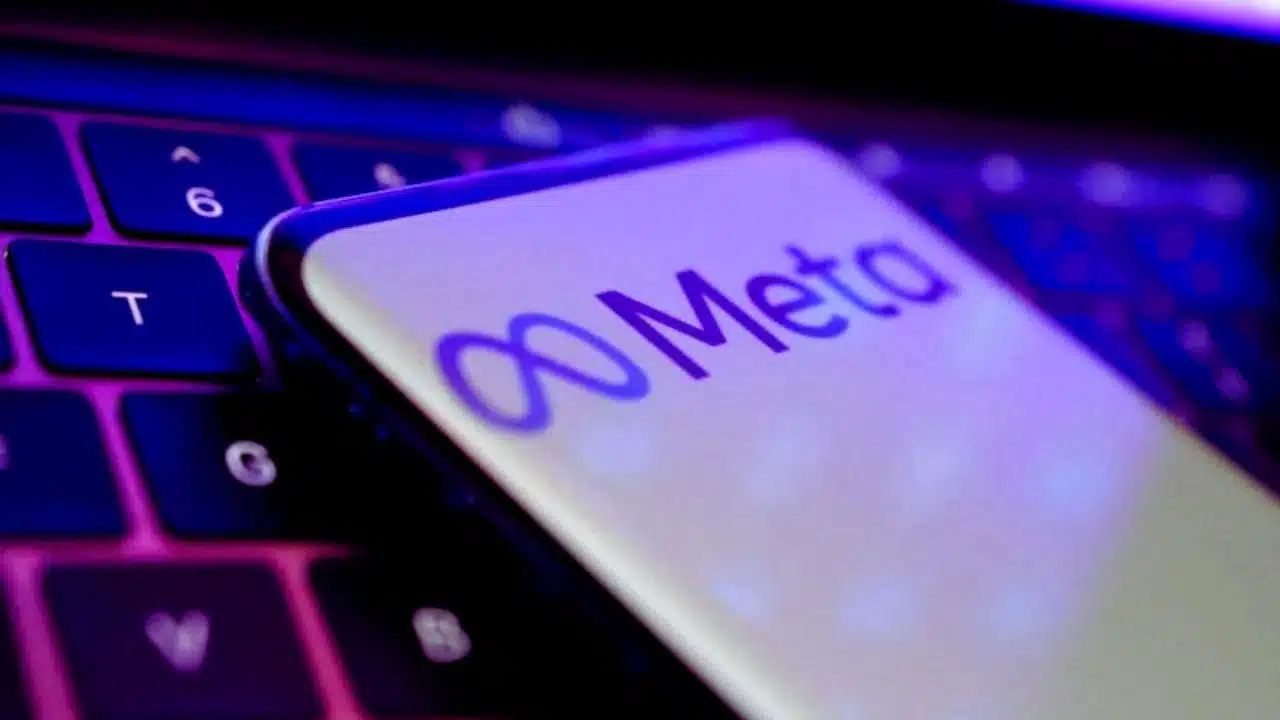
In a landmark decision that reshapes the future of Big Tech regulation, a U.S. federal judge ruled on Tuesday, November 18, 2025, that Meta Platforms Inc. does not hold an illegal monopoly over social networking. The ruling by Judge James Boasberg dismisses the Federal Trade Commission’s (FTC) long-running antitrust lawsuit, effectively ending the government’s bid to force the company to sell off Instagram and WhatsApp.
Quick Take: Key Facts & Impacts
-
The Verdict: Judge James Boasberg ruled that the FTC failed to prove Meta holds a monopoly in the current “personal social networking” market.
-
The Reason: The rapid rise of TikTok and YouTube was cited as evidence of “fierce competition,” dismantling the argument that Meta dominates an isolated market.
-
No Breakup: Meta will not be forced to divest Instagram (acquired 2012) or WhatsApp (acquired 2014).
-
FTC Setback: This is a significant blow to U.S. regulators following their recent victory against Google; the FTC called the ruling “deeply disappointing.”
-
Market Reality: The judge noted consumer behavior has shifted from connecting with friends to consuming algorithmic video content, blurring the lines between social apps and entertainment.
The Ruling: A Landscape Transformed
In his 80-page opinion released Tuesday, Judge Boasberg of the U.S. District Court for the District of Columbia dismantled the core premise of the FTC’s case. The agency had argued that Meta maintained an illegal monopoly by buying up rivals to neutralize threats. However, the judge concluded that the “personal social networking” market—a definition excluding video platforms like TikTok and YouTube—no longer reflects reality.
The court found that Meta now fights for user attention in a broader, highly competitive arena. The ruling specifically highlighted that younger users increasingly turn to short-form video apps for both entertainment and communication, eroding Meta’s historical dominance.
The TikTok Factor: By the Numbers
A central pillar of Meta’s defense—and the judge’s decision—was the undeniable surge of TikTok. While the FTC tried to define the market narrowly (connecting friends and family), the data shows users treat these platforms as direct substitutes.
Data: The Battle for Attention (2025 Estimates)
| Metric | Facebook (Meta) | TikTok (ByteDance) | YouTube (Google) |
| Monthly Active Users (Global) | ~3.07 Billion | ~1.99 Billion | ~2.58 Billion |
| Avg. Daily Time Spent (US) | ~35 Minutes | ~53-58 Minutes | ~48 Minutes |
| Primary Use Case | Social connections, News | Entertainment, Discovery | Long-form Video, Shorts |
The disparity in time spent was critical. While Facebook retains a higher total user count, the intensity of engagement on TikTok suggests it is a formidable market challenger, not a fringe player. Judge Boasberg noted that “TikTok holds center stage as Meta’s fiercest rival,” directly undercutting the claim that Meta has no serious competition.
Official Responses: Relief and Defiance
The reaction was immediate, highlighting the high stakes of this five-year legal battle.
Meta Platforms Inc. Meta’s executives breathed a visible sigh of relief. In a statement, Meta Chief Legal Officer Jennifer Newstead framed the win as a victory for innovation.
Federal Trade Commission (FTC) The FTC, led by Chair Lina Khan, faced a sharp rebuke. The agency had refiled this suit in 2021 after an initial dismissal, hoping to set a precedent for breaking up tech conglomerates.
Analysis: A Tale of Two Tech Giants
This ruling creates a striking contrast in the current regulatory environment. Just months ago, a different federal judge ruled that Google maintained an illegal monopoly in online search, a significant win for the Department of Justice.
-
Why Google Lost: In US v. Google, the court found Google used exclusive contracts (like paying Apple billions to be the default search engine) to lock out competitors. The market (search) was clearly defined, and barriers to entry were impossibly high.
-
Why Meta Won: In FTC v. Meta, the “product” (social networking) is fluid. User preferences shift rapidly—from text statuses to photos (Instagram) to ephemeral stories (Snapchat) to short video (TikTok). The judge ruled that you cannot have a monopoly on “connecting people” when users can easily switch to a dozen other apps that offer similar features.
Expert View
“This ruling is a reality check for regulators,” says Sarah Jenkins, a senior antitrust analyst at TechPolicy Watch. “It suggests that in dynamic markets where a new app like TikTok can explode from zero to a billion users in a few years, proving ‘durable monopoly power’ is incredibly difficult. The courts are saying: ‘Show us the harm to the consumer, not just that the company is big.'” (Paraphrased from industry analyst commentary)
Impact on Users and the Industry
For the average user, the immediate impact is status quo.
-
No Split: Instagram and WhatsApp will remain integrated with Facebook. Cross-app messaging and data sharing between the platforms will likely deepen.
-
More Features: Expect Meta to continue aggressively copying features from rivals (like Reels mimicking TikTok) without fear of immediate antitrust reprisal.
-
M&A Activity: The decision may embolden other tech giants to pursue acquisitions, signaling that “big is not automatically bad” if the market remains dynamic.
Conclusion: A New Precedent?
Judge Boasberg’s ruling serves as a reminder that antitrust law is not designed to punish success, but to protect competition. By acknowledging the “sea change” brought by TikTok, the court has set a high bar for future cases: regulators must prove that a tech giant is not just dominant today, but immune to the competitive currents of tomorrow.
For now, Meta remains whole, but the “techlash” is far from over. The FTC may appeal, and other investigations into Meta’s data privacy and child safety practices continue globally.