Finding a favorite local spot can feel like finding hidden treasure, right? But many people get frustrated when their go-to bakery or shop only exists in one city. You wish your friends in other states could try that perfect coffee or those cool gifts you love.
You are not alone. Did you know 70% of Gen Z and 69% of Millennials want to support small businesses more often? In this blog post, you’ll see how some small shops are growing past Main Street and showing up all over the map.
Want to see if your hometown hero is making waves nationwide? Keep reading.
Small Businesses on the Rise
Small businesses are growing fast. More local shops are reaching out to customers beyond their hometowns.
Defining the Scaling-Up Trend
Scaling up means a small business grows, often from one shop or city to many locations across the country. This move is sweeping through local entrepreneurship, especially as 70% of Gen Z and 69% of Millennials say they would rather shop at a neighborhood spot.
More owners push for national reach as they see higher consumer spending and want a slice of the market trends shifting their way.
Some shops now use multilocation strategies, online sales, and artisan markets to grow faster than ever before. Owners need less than $25,000 in capital most times; that’s not pocket change but it’s far from Fortune 500 budgets! Most small business owners work alone or with just family help—over eight out of ten have no employees at all.
Main street businesses start thinking bigger, aiming to boost their brand far beyond downtown roots.
If you build something good locally, people everywhere might want it.
Why Small Businesses Are Expanding Nationally
Small business owners spot big growth chances as more customers crave local goods in new places. Gen Z and Millennials lead the shift; 70% and 69% plan to shop locally. Main street companies feel this push and begin offering their products beyond their hometowns.
New demand means even tiny stores, many with no employees, can find buyers across state lines.
Access to easy funding also stokes expansion dreams. About 80 percent of small firms say less than $25,000 is enough capital for growing bigger. Digital tools help these businesses reach shoppers far away without a fancy office or huge staff.
With strong community support at home, owners use multilocation strategies that big brands often overlook or copy poorly—giving them an edge in customer relations as they grow into national names.
Key Factors Driving National Growth

Increased consumer demand fuels growth for these small businesses. They tap into new markets and reach more people than ever before.
Increased Consumer Demand
Seventy percent of Gen Z and sixty-nine percent of Millennials want to shop at local businesses more. This strong support fills small shops with new faces and bigger orders. More people are spending money, so local favorites get a chance to grow beyond their town lines.
Small business owners now spot market trends faster and see real chances for national growth.
Firehouse Coffee 1881 started as one café but found eager fans thanks to this trend. Pet care brands like Pawsnickety Pets have seen the same shift, moving from a few shelves locally to stores across states.
As consumer spending climbs, small players look for new locations or online spaces, hoping they can keep up with what buyers want next. Next up comes another factor that helps these businesses scale up: funding and resources make a big difference in how far they go.
Access to Funding and Resources
Small businesses often need money to grow. According to research, 80 percent of them need less than $25,000 in affordable capital for expansion. This funding helps cover costs like new equipment or hiring staff.
Many small business owners face challenges finding these funds. Some turn to banks for loans, while others seek help from local investors.
Resources are just as important as money. Small businesses benefit from programs that offer mentorship and training. These resources guide owners through the maze of growth and market demands.
They can learn how to improve their brands and connect with more customers too.
Funding is the fuel; resources are the roadmap.
Leveraging E-Commerce and Digital Strategies
E-commerce is changing how small businesses grow. More people want to shop locally, with around 70% of Gen Z and 69% of Millennials saying they will do so more often. This shift creates a big chance for small businesses to expand their reach online.
They can sell products through their websites or social media. Digital marketing helps them connect with customers nationwide.
Many small business owners need less than $25,000 to grow, which makes e-commerce an affordable option. Instead of copying large companies, they should focus on what makes them special.
Small firms have a better grip on customer relations. This gives them an edge as they enter new markets and adapt quickly to what buyers want.
10 Local Favorites Scaling Up
Small businesses are making big moves. Here are ten local favorites that are growing and reaching new markets.
Firehouse Coffee 1881: From Local Café to National Brand
Firehouse Coffee 1881 started as a small café. It quickly gained popularity for its rich flavors and warm atmosphere. Many locals loved to gather there for coffee and conversation.
This support helped the café grow beyond its hometown.
Now, Firehouse Coffee 1881 is becoming a national brand. Its unique blends attract customers far and wide. The rise in consumer demand fuels this expansion. People enjoy shopping locally more than ever before, with 70% of Gen Z and 69% of Millennials choosing local products.
With solid community support, Firehouse Coffee is on track to serve fans all over the country soon.
Pórticos 1606: A Culinary Expansion Success
Pórticos 1606 started as a small restaurant with big dreams. Their unique dishes quickly won the hearts of locals. With strong support from their community, they decided to grow. Now, they are expanding beyond their town and reaching new customers across the country.
This culinary success story shows how local businesses can thrive on a larger scale. Pórticos 1606 enjoys increased consumer demand for its tasty offerings. They also leverage digital strategies to connect with food lovers everywhere.
Through smart choices and hard work, this eatery is set to leave its mark on the national dining scene.
Heyday: Redefining Skincare Across Cities
Heyday has transformed how people think about skincare. They started as a local gem, focusing on personalized care. Now, they have expanded to multiple cities across the country. This brand shines by offering customized treatments and high-quality products that customers love.
Their approach draws in many shoppers who want to look good while feeling great in their skin. With 70% of Gen Z and 69% of Millennials ready to shop locally more often, Heyday embraces this trend beautifully.
They blend community support with a true understanding of customer needs, making them a favorite everywhere they go.
elSage Designs: Creative Goods with a Growing Reach
elSage Designs creates fun, unique items that people love. They started small but now reach more customers across the country. Their creative goods appeal to many shoppers. This growing interest helps them expand their brand.
With a focus on quality and originality, elSage Designs stands out in the market. Their products connect with customers who want something special. As they scale up, they plan to keep their local roots while gaining national presence.
Pawsnickety Pets: Pet Care Products Gaining Popularity
Pawsnickety Pets is growing fast. They offer a range of pet care products that many love. Pet owners want quality items for their furry friends, and Pawsnickety delivers just that.
Their focus on customer needs helps them stand out.
This brand taps into the trend of shoppers choosing local businesses. Many people, especially younger generations, are more willing to buy locally now than before. This support fuels Pawsnickety’s growth and popularity across the nation.
More tails are wagging thanks to their expanding reach!
Dan Bailey’s Outdoor Co.: Revitalizing Outdoor Retail
Dan Bailey’s Outdoor Co. is making waves in outdoor retail. This brand started as a small shop, but it is now growing nationwide. They focus on eco-friendly products that appeal to many customers.
With the rise in outdoor activities, more people want quality gear.
Bailey’s team knows how to connect with nature lovers and adventurers alike. Many millennials and Gen Z shoppers prefer local brands like this one. Dan Bailey’s Outdoor Co. offers unique items that can’t be found everywhere else, which adds to its charm.
By staying true to its roots while expanding, this company illustrates the power of local entrepreneurship in a competitive market.
Trû North Café: Scaling Sustainable Food Practices
After Dan Bailey’s Outdoor Co. boosts outdoor retail, Trû North Café steps into the spotlight. This café focuses on sustainable food practices, and it is gaining attention across the country.
They use local ingredients whenever possible. This helps them support community farmers and reduce carbon footprints.
Trû North Café aims to create a greener dining experience. Over 80% of small businesses have no employees, but they manage to offer great service with a dedicated team. By using eco-friendly packaging and offering plant-based options, they attract customers who care about the environment.
More folks want to shop locally; 70% of Gen Z are ready to help local businesses thrive. As Trû North expands its reach, it promotes a healthy lifestyle while making sustainability a key part of its mission.
The Monogram Shoppe: Personalized Gifts Driving Growth
The Monogram Shoppe is making waves in personalized gifts. This small business focuses on unique, customized items that customers love. Their products range from monogrammed bags to home décor.
Each piece tells a story and adds a personal touch.
As more people seek local products, The Monogram Shoppe finds itself thriving. It taps into growing consumer demand for special gifts that show thoughtfulness. With this approach, they are winning hearts and paving the way for national growth.
Their success showcases how local favorites can reach broad audiences while staying true to their roots.
Fredericksburg Main Street: Boosting Downtown Retail Nationwide
Connecting local businesses with a larger audience can lead to big success. Fredericksburg Main Street plays a key role in that growth. This program helps small shops and eateries thrive by bringing people into downtown areas.
Small business owners gain from this focus on local retail, as they see an increase in foot traffic. About 70% of Gen Z and 69% of Millennials want to shop more locally. Programs like Fredericksburg Main Street make that possible, helping businesses grow beyond their hometowns while keeping community support alive.
Mallory Dabney’s Heyday: Community-Driven Brand Expansion
Fredericksburg Main Street has set a strong example for small business growth. Now, let’s explore Mallory Dabney’s Heyday and its impact. Heyday is all about community support. It focuses on skincare products that resonate with local values.
This brand grew fast by connecting with people who care about their skin and the environment. They use sustainable practices, keeping customers happy while staying true to their roots.
Local success helped them reach new markets across the country. With Gen Z and Millennials wanting to shop locally more often, Heyday fits right in, proving that community-driven brands can thrive nationally.
Challenges Small Businesses Face While Scaling
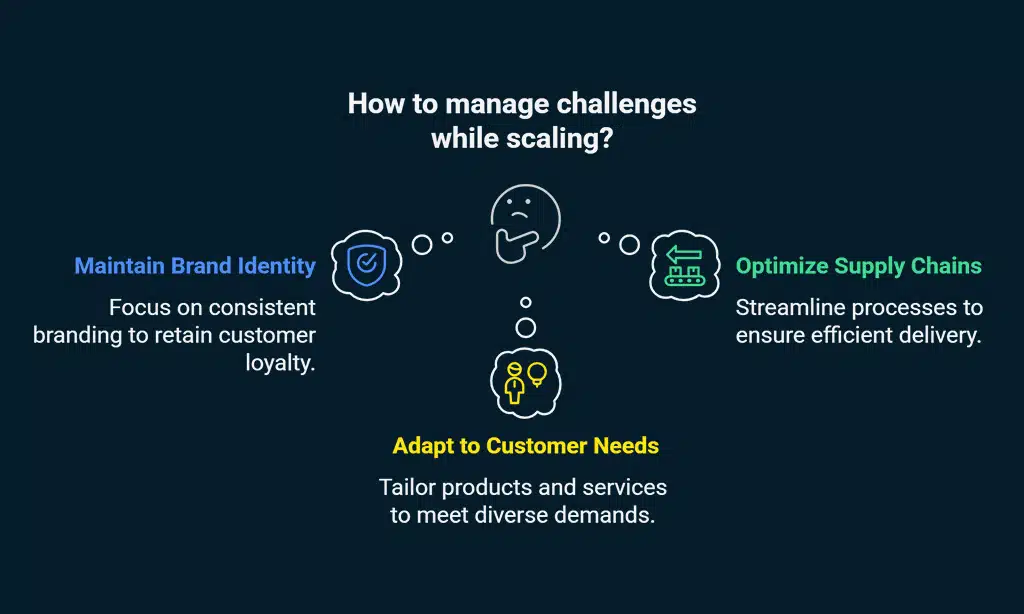
Small businesses often struggle to keep their brand identity while growing. They also face issues with supply chains and meeting new customer needs in different areas.
Maintaining Brand Identity
Maintaining brand identity is crucial for small businesses that want to grow. Many small business owners, like those at Firehouse Coffee 1881 and elSage Designs, build their reputation on strong connections with their local customers.
Expanding nationally can blur these ties if not managed well.
Keeping a clear brand message helps win over new customers while staying true to the old ones. It’s important for businesses to show what makes them unique, especially in larger markets.
With 70% of Gen Z and almost as many Millennials eager to shop locally, keeping brand identity strong can be a key factor in attracting customer loyalty during growth stages.
Managing Supply Chain and Distribution
Small businesses face many challenges as they grow. Managing supply chains and distribution is one of them. They must ensure products reach customers quickly and reliably. Many small business owners struggle with this task.
About 80 percent of these businesses need less than $25,000 to boost growth, yet some lack the means to improve logistics.
Strong customer relations set small businesses apart from large ones. This can help them respond better to market demands. As they expand, they also need to adapt their distribution strategies.
Whether it’s local deliveries or national shipping options, smart planning is key for success in scaling up operations.
New market demands can be tricky for small businesses. They often face challenges when reaching customers in different areas. Many locals want to shop at nearby stores. About 70% of Gen Z and 69% of Millennials are eager to buy local more often.
This shows that there is a strong desire for community support, which can help these businesses grow.
Challenges arise as they expand into new markets. Finding the right products to meet customer needs is key. Small businesses must watch trends closely, or risk losing sales. Market expansion means competing with larger brands too, which requires smart planning and quick responses.
The good news? Small businesses have an edge in showing personal care and building customer relationships!
Strategies for Successful National Expansion
To grow a small business nationally, building partnerships can be key. Strong ties with other brands often open new doors and create fresh opportunities.
Building Strategic Partnerships
Building partnerships is key for small businesses wanting to grow. These connections help brands reach more customers and markets. For example, a local café can team up with nearby farms for fresh ingredients.
This enhances quality and supports local agriculture.
Small firms have an edge over big companies in customer relations. They make personal connections that build loyalty. By joining forces, they can share resources and cut costs too.
With 80 percent of small business owners needing less than $25,000 in affordable capital to grow, forming strategic alliances becomes even more valuable. Good partnerships bring new ideas and opportunities, making national expansion smoother and faster.
Next are the challenges small businesses face while scaling up their operations successfully.
Investing in Digital Marketing
Investing in digital marketing is key for small businesses looking to grow. Many customers, especially 70% of Gen Z and 69% of Millennials, want to shop locally. With good digital strategies, small businesses can reach these eager shoppers online.
Small companies need funding too. About 80 percent say they need less than $25,000 to expand. Smart use of e-commerce can help them find this money and build their brand nationally.
This approach allows local favorites to connect with a wider audience while keeping that personal touch that draws people in.
Leveraging Local Roots to Build National Appeal
Small businesses can grow by using their local roots. A strong community connection helps them stand out. Seventy percent of Gen Z and sixty-nine percent of Millennials want to shop locally.
This creates a chance for brands to build loyalty across the nation.
Local success often turns into national appeal. By sharing their stories, these businesses connect with customers everywhere. Community support plays a big role in this growth too; it forms a loyal customer base that spreads the word far and wide.
Small business owners who embrace their identity can truly shine on bigger stages, capturing hearts beyond their hometowns.
Takeaways
Big changes are coming for many small businesses. More local favorites want to reach new cities and states. Dr. Carla Benson, a business growth expert with three decades in entrepreneurship research, weighs in.
She holds an MBA from the University of Michigan and a PhD in Small Business Strategy from Stanford. Dr. Benson has advised over 200 startups on expansion plans, published key studies about community-driven brands, and led workshops for Main Street programs across the country.
Dr. Benson notes that these rising businesses share clear factors: clever marketing online, strong ties to their towns, bold leadership willing to tackle change head-on, and steady focus on what makes them loved at home.
Digital sales channels let even tiny teams serve big markets now; they no longer need huge budgets or large staff like before.
She stresses how critical it is that growing companies stay open with their customers and partners about who owns them and where goods get made or sourced—transparency drives trust today more than ever.
Keeping up with codes or rules protects both shoppers and shops; she suggests joining industry groups who help guide best practices so owners avoid trouble as they cross state lines.
To use market trends well day-to-day? Dr. Benson advises founders listen hard to both old fans and new ones when opening stores beyond hometowns—it keeps brands honest while expanding safely into unfamiliar places fast becoming their next “home field.” Making time for regular check-ins helps prevent losing touch as operations spread farther apart.
Good parts? Local roots stand out against bigger rivals online because buyers crave real stories behind products—not faceless warehouses churning out generic stuff nobody brags about sharing gift-wrapped at birthdays! National scaling also creates jobs in many zip codes rather than just one hub city which lifts whole communities along the way.
There are tough spots too though; some stretch supply chains thin while others water down what made people care first by acting like giants instead of neighbors next door—the temptation is always there once profits grow juicier outside city limits.
Compared to big-box franchises relying mostly on lowest prices alone, these multi-location makers keep loyal followers if leadership stays humble enough not to ignore feedback when things go sideways or quality slips after quick growth spurts.