The Japanese boxing community is reeling after a devastating double tragedy that unfolded during a single night of fights at Tokyo’s Korakuen Hall earlier this month.
Two promising fighters, Shigetoshi Kotari and Hiromasa Urakawa, both just 28 years old, suffered fatal brain injuries in separate matches held on the same card. Despite immediate medical intervention, both men died within days of their bouts, raising serious concerns over fighter safety and prompting swift changes to national boxing regulations.
Shigetoshi Kotari’s Collapse After a 12-Round Title Bout
On August 2, 2025, Shigetoshi Kotari stepped into the ring for one of the most important fights of his career, facing Yamato Hata, the reigning Oriental and Pacific Boxing Federation (OPBF) junior lightweight champion. The bout went the full 12 rounds, ending in a draw after a grueling contest.
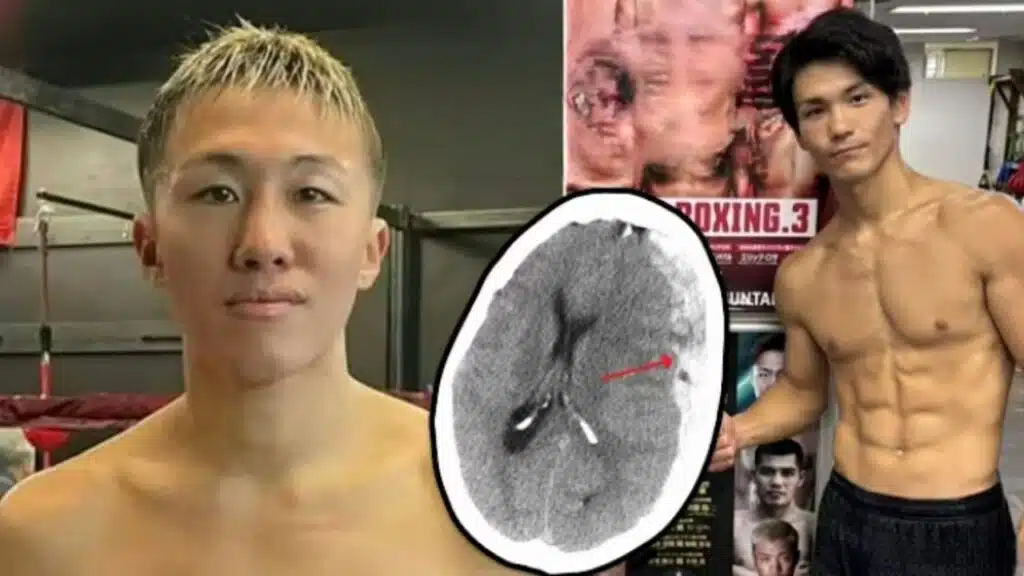
However, the fight’s intensity proved fatal. Moments after the final bell, Kotari collapsed in his corner. Ringside doctors immediately rushed to his aid, diagnosing him with a subdural hematoma — a severe brain bleed where blood collects between the skull and the brain, often caused by repeated blows to the head.
He was rushed to a Tokyo hospital, where surgeons performed an emergency operation to remove the blood clot and relieve pressure on his brain.
Despite six days of intensive care and efforts from medical staff, Kotari passed away on August 8. He left behind a professional record of 8 wins, 2 draws, and 2 losses and a reputation as a skilled, determined fighter with an unwavering spirit. The World Boxing Organization (WBO) publicly mourned his loss, describing him as “a warrior in the ring and a fighter in spirit” while extending condolences to his family and team.
Hiromasa Urakawa’s Fatal Knockout Just Hours Later
On the same night, Hiromasa Urakawa faced Yoji Daito in a separate bout on the event card. Urakawa’s match ended in a knockout loss after he took a series of heavy punches to the head. Like Kotari, he was diagnosed with a subdural hematoma and underwent a craniotomy, a procedure in which part of the skull is removed to relieve swelling and pressure on the brain.
Doctors fought to save him, but Urakawa’s condition rapidly deteriorated. He died on August 9, just one day after Kotari’s passing. The WBO issued another heartfelt statement, calling his death “heartbreaking” and noting the tragic coincidence of losing two fighters from the same event within such a short span.
Japan Boxing Commission Responds with Immediate Safety Changes
The Japan Boxing Commission (JBC) moved quickly in the aftermath of the tragedies. Within days, officials announced that all OPBF and WBO Asia Pacific title fights would be shortened from 12 rounds to 10 rounds.
This decision aims to reduce the risk of severe head trauma by limiting prolonged exposure to repeated blows in later rounds, which is when fighters are most fatigued and vulnerable.
In addition, the JBC launched a formal investigation into both deaths, focusing on factors such as:
- The medical checks conducted before the bouts
- Ringside emergency response times and equipment
- Fighters’ weight-cutting practices before the fight
- Potential underlying health conditions
A meeting is scheduled for September 2025, where further safety measures will be discussed. These could include stricter pre-fight neurological testing, enhanced medical supervision during fights, and changes to weight management rules to reduce dehydration-related vulnerabilities.
A Growing Pattern of Boxing-Related Deaths
The twin losses of Kotari and Urakawa are not isolated incidents. Japan has faced a series of boxing tragedies in recent years:
- May 2025 – Ginjiro Shigeoka, a rising star, suffered a similar brain injury during a WBA title fight and remains hospitalized.
- December 2024 – Kazuki Anaguchi, aged just 23, died four days after a bout due to a brain injury.
- 2018 – Ryuya Yamanaka, a WBO minimumweight champion, was forced to retire after doctors detected a subdural hematoma during a routine check-up.
Internationally, the issue is also alarming. In February 2025, Irish boxer John Cooney died one week after being hospitalized for an intracranial hemorrhage following a Celtic super-featherweight title fight in Belfast. The 28-year-old’s death, like those in Tokyo, renewed calls for urgent safety reforms in professional boxing worldwide.
Understanding Subdural Hematoma in Boxing
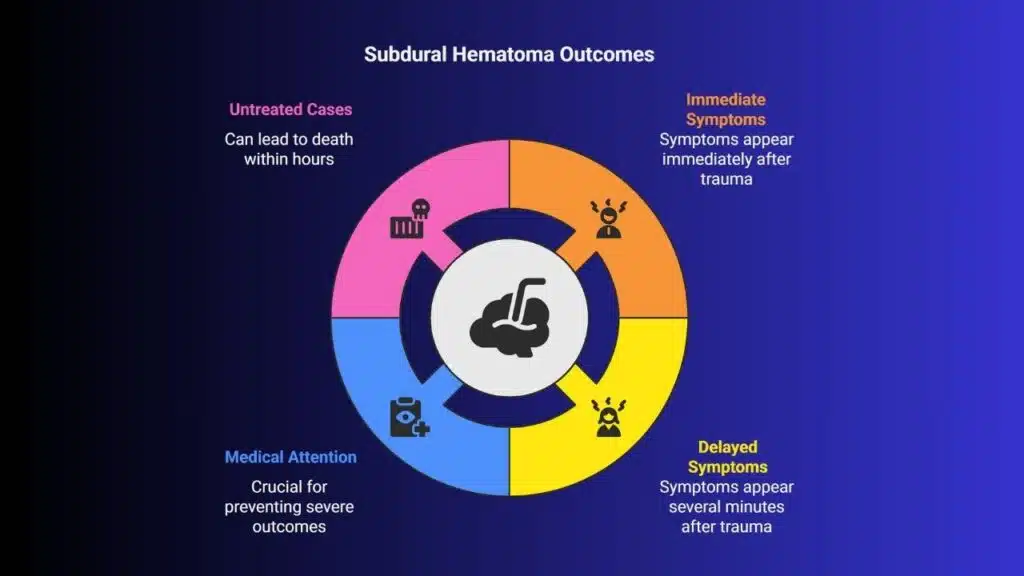
A subdural hematoma occurs when veins between the brain and its outer covering (the dura mater) are torn, causing bleeding and swelling. In boxing, the condition is often caused by repeated high-impact blows to the head, which can occur even with protective headgear during training.
Symptoms can appear immediately or several minutes after trauma and include:
- Loss of consciousness
- Severe headache
- Nausea or vomiting
- Weakness or numbness on one side of the body
- Confusion or slurred speech
Immediate medical attention is crucial, as untreated cases can lead to death within hours.
The Debate Over Safety vs Tradition in Boxing
While the reduction from 12 to 10 rounds is a significant step, some in the boxing community argue that more needs to be done. Proposed measures include:
- Mandatory head CT scans for all fighters before title bouts
- Longer medical suspensions after knockouts
- Stricter limits on extreme weight cutting before fights
- Increased ringside medical presence with neurosurgeons available for high-profile events
Others, however, worry that too many restrictions could dilute the sport’s competitive tradition. The debate reflects a broader challenge in combat sports — preserving the excitement of the competition while prioritizing fighter safety.
A Community in Mourning
For now, the Japanese boxing world is focused on honoring the memories of Shigetoshi Kotari and Hiromasa Urakawa. Memorial services are being planned, and tributes have poured in from fighters, trainers, and fans across the globe. At Korakuen Hall, flowers and photographs have been placed near the entrance in remembrance of the two athletes who gave everything to the sport they loved.
Their deaths serve as a sobering reminder that, while boxing is a sport of discipline and skill, it remains one of the most dangerous athletic pursuits. The hope is that their passing will lead to meaningful reforms that protect future fighters from similar tragedies.
The Information is Collected from CBS News and CNN.