

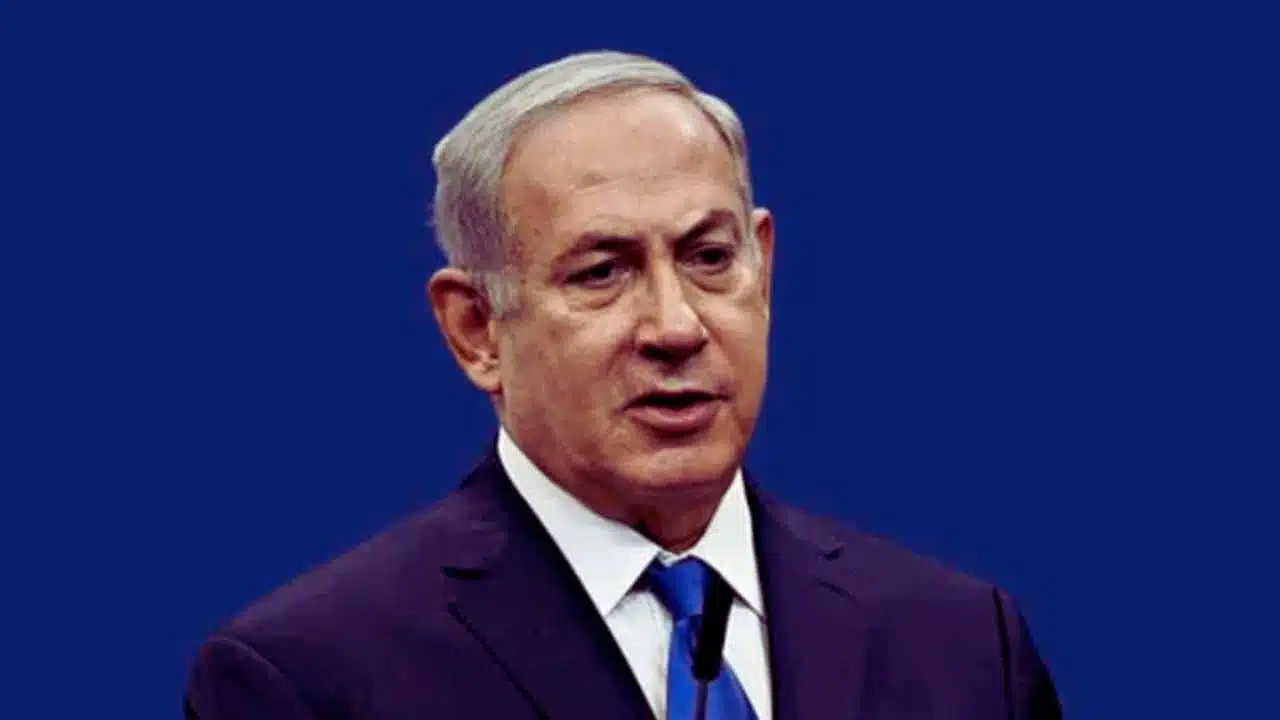
In a pivotal move nearly two years into the ongoing conflict with Hamas, Israel’s security cabinet has approved a plan by Prime Minister Benjamin Netanyahu to seize military control of Gaza City. The plan, discussed during an hours-long cabinet session that extended late into the night, lays out preparations for a large-scale ground operation aimed at bringing the city under Israel Defense Forces (IDF) control. The operation is intended to remove Hamas from power in Gaza City and establish conditions for a new governing arrangement that does not threaten Israel.
The government stated that humanitarian aid will be maintained for civilians outside combat zones during the operation. Aid distribution would be coordinated to avoid disruption to essential supplies reaching the population.
Opposition Within Israel’s Leadership and Public
While the cabinet vote produced a strong majority in favor of the plan, it came against a backdrop of dissent from multiple directions. Senior IDF commanders, including Chief of Staff Lt. Gen. Eyal Zamir, have warned that a full takeover of Gaza City could trap Israeli forces in prolonged urban combat, exacerbate humanitarian conditions, and significantly endanger the remaining hostages held by Hamas.
Israel’s political opposition, led by Yair Lapid, has accused Netanyahu’s government of pursuing policies that prolong the war, increase risks to captives, and drain public resources. Many in the opposition believe the cabinet is catering to far-right coalition members such as Finance Minister Bezalel Smotrich and National Security Minister Itamar Ben Gvir, both of whom have advocated re-establishing Israeli settlements in Gaza and extending Israeli control over the West Bank.
Hostage Families Mobilize Against the Plan
Families of the roughly 50 hostages still held in Gaza have emerged as some of the most vocal opponents of the operation. They argue that escalating military activity will reduce the chances of securing the hostages’ safe return and may result in their deaths. On Thursday, relatives organized several demonstrations across Israel, including a maritime protest near Gaza’s coastline.
In Jerusalem, protesters gathered outside the prime minister’s office during the cabinet session. Some family members chained their ankles and wrists to symbolize their loved ones’ captivity. In Tel Aviv, another large rally called for a halt to the war in exchange for a comprehensive hostage release deal. Smaller protests also took place in cities and towns across the country, including a symbolic pause in rebuilding work at Kibbutz Nir Oz, a community that suffered devastating losses during the October 7, 2023 Hamas attacks.
Outline of the Proposed Operation
An Israeli official familiar with the plan revealed that the operation would unfold in multiple phases over a period of up to five months. The first phase would require the evacuation of approximately one million Palestinians from Gaza City and surrounding areas to designated zones in southern Gaza. The IDF would establish large-scale housing compounds for displaced civilians.
To address the anticipated humanitarian strain, Israel and the United States would expand the number of aid distribution sites run by the Gaza Humanitarian Foundation from the current four to sixteen. These centers would provide food, water, and medical assistance under international oversight.
The plan’s military objectives include encircling the remaining Hamas strongholds in Gaza City, conducting targeted ground raids to dismantle its leadership and infrastructure, and securing control of key urban districts. Israeli forces currently control an estimated 75% of Gaza following nearly two years of war, but Gaza City remains one of the last areas outside direct Israeli administration.
Uncertain Future Governance
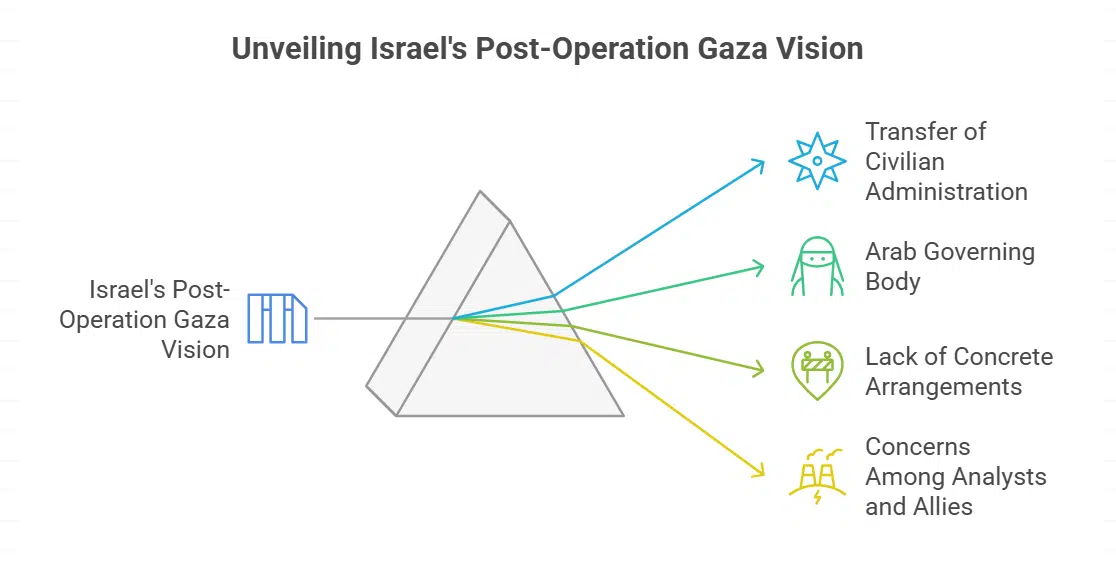
Netanyahu has stated that Israel does not intend to remain as the governing authority in Gaza indefinitely. His vision is to transfer civilian administration to an Arab governing body that neither supports Hamas nor poses a threat to Israel. However, no concrete arrangements or partners have been publicly confirmed. This lack of clarity has raised concerns among analysts and allies, as the absence of a detailed post-operation plan could create a power vacuum and prolong instability.
International Context and Reaction
The decision has been met with sharp reactions internationally. U.S. President Donald Trump indicated earlier this week that the course of action in Gaza is primarily Israel’s decision, signaling no immediate opposition from Washington. However, some U.S. officials and European allies have privately warned that a full reoccupation of Gaza would make Israel legally responsible for the welfare of its population under international law.
Humanitarian agencies and the United Nations have cautioned that renewed large-scale displacement in Gaza could trigger catastrophic conditions, including famine, disease outbreaks, and a collapse of remaining infrastructure. Aid groups also stress that expanding the conflict without a political framework for resolution will deepen civilian suffering and prolong instability in the region.
Collapse of Negotiations with Hamas
The last round of indirect talks between Israel and Hamas broke down two weeks ago. Delegations from Israel and the United States withdrew from mediation efforts in Qatar, with American negotiators accusing Hamas of obstructing progress. Hamas maintains that it is willing to resume negotiations only if sufficient humanitarian aid is allowed into Gaza beforehand.
Hamas has denounced the new Israeli operation plan as evidence that Netanyahu is abandoning efforts to retrieve the hostages and is instead prioritizing his own political agenda. The group also accused the Israeli government of seeking to permanently alter Gaza’s status through military occupation.
Far-Right Push for Settlement Expansion
While the primary stated goal of the operation is military, some far-right Israeli ministers have openly linked it to renewed settlement activity in Gaza. Finance Minister Smotrich, during a visit to a re-established settlement in the northern West Bank, reaffirmed his belief that Israel should eventually return to all areas from which it has withdrawn in the past. Such comments have heightened Palestinian fears that the current military campaign could lead to permanent territorial changes.
Public Opinion Trends
Polling in Israel consistently shows that most citizens would support ending the war if it meant the immediate return of all hostages. However, divisions remain over how to achieve that outcome. Supporters of the Gaza City takeover believe it will increase pressure on Hamas to negotiate, while critics argue it will harden resistance and jeopardize Israeli lives.
Potential Pause in Operations
An Israeli official noted that the operation could be paused if Hamas agrees to return to negotiations under terms acceptable to Israel. This conditional pause is intended to provide leverage in future talks, though its effectiveness will depend on developments on the ground and the willingness of both sides to compromise.
Next Steps
The approved plan is expected to proceed to operational preparation in the coming days. Military build-up around Gaza City is likely to intensify, and international observers will be monitoring closely for signs of evacuation orders, expanded humanitarian corridors, and large-scale troop movements.
The coming months will determine whether the plan leads to Hamas’s removal from Gaza City, the return of hostages, and a transition to a new governing structure—or whether it triggers a prolonged urban conflict with escalating humanitarian consequences.






























