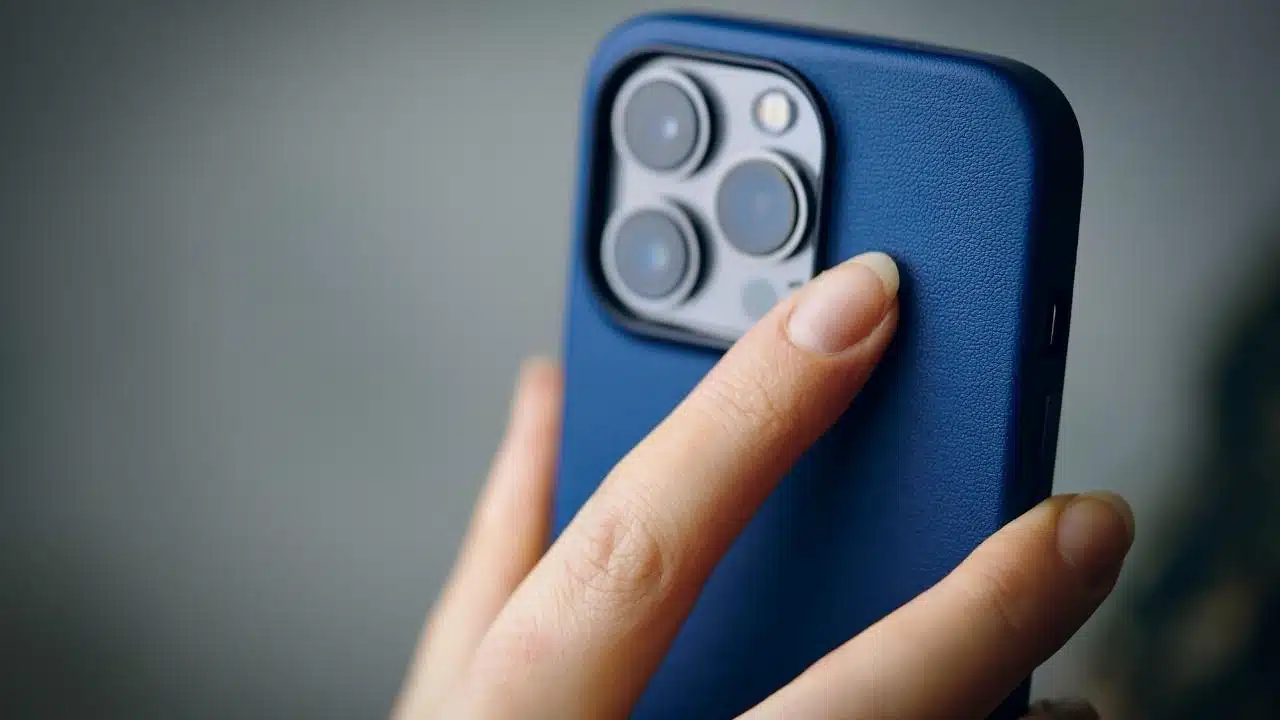
Apple may delay the standard iPhone 18 to spring 2027 while keeping iPhone 18 Pro models on track for fall 2026, as reports point to a split release plan tied to a growing lineup.
What The Reported Delay Looks Like?
The core claim is straightforward Apple’s next major iPhone generation may not arrive as a single, all-at-once launch.
In recent reporting, Apple is described as preparing a two-stage iPhone cycle starting in 2026. The premium iPhones—typically the Pro line—would still appear in the fall (likely September 2026). But the standard iPhone 18 could shift to a spring 2027 release window.
This would be a meaningful change because Apple’s modern iPhone strategy has been built around a highly predictable fall rhythm. The iPhone is still Apple’s biggest product line by revenue, and the fall launch is one of the company’s most important annual moments for marketing, retail, carriers, and suppliers.
Even so, Apple has shown before that it can launch iPhones outside the fall. A well-known example is the iPhone 4S, which Apple announced in October 2011. Apple later introduced spring launches for more value-focused models, such as the original iPhone SE in March 2016, and another iPhone SE generation in April 2020. Those weren’t “mainline” generation shifts, but they show Apple is comfortable using multiple launch windows when it serves the product plan.
Here is the simplest way to understand the rumored schedule shift:
| Time Window | What Apple Usually Does | What The New Plan Suggests |
| Fall (Sept–Oct) | Launches the full flagship lineup together | Launches premium models first (Pro line, and possibly a new form factor) |
| Spring (Mar–May) | Occasionally launches value models or refreshes | Launches the standard iPhone 18 and a lower-cost variant |
If the base iPhone truly moves to spring, the iPhone 17 would likely remain Apple’s newest “standard” iPhone for an unusually long stretch. That matters because the base model is often the volume driver in many markets, even when Pro models generate outsized revenue per device.
Why Apple Might Split The iPhone Calendar?
Apple has not confirmed anything, so the “why” remains informed interpretation rather than official explanation. But several practical drivers make a split cycle plausible, especially if Apple expands the lineup again.
1) The lineup is getting harder to launch all at once.
More models mean more manufacturing ramps, more storage and color combinations, and more logistics for global distribution. A split schedule can reduce the operational peak where everything must be ready simultaneously.
2) A new iPhone form factor would raise complexity.
Reports suggest Apple is still moving toward a foldable iPhone. Foldables are materially different products: new display supply chains, hinge engineering, durability testing, and a higher probability of early production constraints. If Apple introduces a foldable in the same season as multiple Pro models, it may prefer to keep the fall portfolio premium-focused and avoid also ramping the high-volume standard model at the same time.
3) Apple could be trying to create two “headline moments” every year.
A fall event is already a global spotlight. A spring iPhone launch would create a second major attention cycle, which could help Apple stay dominant in conversation and consumer intent across the entire year, not only during the holiday quarter.
4) The plan could smooth revenue seasonality without changing demand overall.
Apple’s iPhone sales have long shown a strong seasonal pattern. A spring flagship-style launch could shift some upgrades into the first half of the year and reduce how dependent the iPhone business feels on a single annual surge. That doesn’t guarantee higher annual unit sales, but it could change quarterly distribution in a way Apple prefers.
5) It creates a clearer price-and-positioning ladder.
If Pro phones launch first, Apple can lead with the highest-end narrative—performance, cameras, materials, and “best iPhone” positioning. Then, months later, it can reframe the story around mainstream value: the newest base model, pricing options, and trade-in deals. That can be easier to message than launching everything at once and asking consumers to compare six models in one weekend.
How A Split Launch Could Reshape The Lineup?
If Apple adopts a split cycle, it doesn’t only change “when” devices arrive. It can also change what each launch is meant to accomplish.
In the reported framing, the fall 2026 lineup would likely focus on higher-end devices. The spring 2027 lineup would likely focus on mainstream and lower-cost options. That creates two different iPhone “seasons,” each with a distinct customer target.
A likely structure looks like this:
| Group | Likely Timing | Primary Audience | Practical Goal |
| Premium iPhones | Fall 2026 | Early adopters, creators, power users, business users | Drive high-margin demand early and define the year’s “best iPhone” |
| Standard + value iPhones | Spring 2027 | Mainstream buyers, upgraders, families, cost-sensitive markets | Expand volume, refresh the base lineup, and support carrier promotions |
A split cycle would also influence how older models stay in the lineup. Apple typically keeps some prior-year iPhones at lower price points. With a delayed base model, Apple could lean more heavily on last year’s standard iPhone as the mainstream “new-ish” option for longer than usual, while Pro models remain the halo products.
What It Could Mean For Buyers?
A split launch changes decision-making for consumers in practical ways:
- If you want “newest base iPhone,” you may wait longer. People who normally buy the newest standard model in September might face a several-month delay.
- Pro models could pull more buyers forward. Some shoppers may decide to buy a Pro in fall rather than wait for the base model in spring.
- Older models could become more attractive. If the iPhone 17 stays “current” longer, it could see deeper promotions and a longer shelf life at retailers and carriers.
Potential Impact On Pricing And Promotions
Apple rarely relies on direct price cuts for its newest devices, but carriers and retailers often use promotions to drive upgrades. A spring base-model launch could become a new major promotional season, much like how spring phone launches work for some Android brands.
It also could affect trade-in dynamics:
- A longer iPhone 17 cycle may increase trade-in incentives to keep demand steady.
- A spring iPhone 18 could arrive with aggressive carrier bundles to create a second upgrade wave.
Where A Foldable iPhone Fits?
Foldables are still “report-based” and unconfirmed. Still, the repeated theme across multiple reports is that a foldable could appear around the same era as the shift to a split calendar.
The foldable matters here because it changes the iPhone lineup’s center of gravity. If Apple introduces a very expensive, low-volume, high-margin model, it may prefer to launch it alongside the Pro lineup—where the audience is already primed for premium positioning.
If Apple does that, the company’s iPhone story could become more segmented:
- Fall: “best iPhones” + “new category iPhone”
- Spring: “best value iPhones” + “new base model”
This segmentation is easier for consumers to understand than one launch where every iPhone competes for attention on the same day.
Business And Market Context Behind The Timing
Two big realities shape any iPhone schedule strategy Apple’s revenue dependence on iPhone, and the broader smartphone market environment.
Apple’s iPhone Business Still Sets The Pace
Apple’s own financial reporting shows how central iPhone remains. In Apple’s fiscal year ended September 27, 2025, iPhone net sales were $209.586 billion, making it the company’s largest category by a wide margin. Services was the second-largest at $109.158 billion, reflecting Apple’s continued push into subscriptions, advertising, cloud services, and the App Store.
Those numbers matter because timing decisions are not just marketing choices. They shape how Apple allocates inventory, how quickly it moves customers onto new hardware, and how it supports services growth through its installed base.
The Smartphone Market Is Mature, And Growth Is Modest
The global smartphone market has matured. Growth tends to be incremental rather than explosive, and companies fight for share through product differentiation, financing, and ecosystem advantages.
Industry forecasts have pointed to modest global shipment growth in 2025. In that environment, premium brands often emphasize higher-end devices—because margin and ecosystem value matter as much as volume.
A split iPhone launch can fit that reality:
- Premium devices can anchor the fall and capture high-margin demand.
- Mainstream devices can refresh the base in spring and keep upgrade momentum going.
Supply Chain And Component Timing Also Matter
iPhones are a global manufacturing and sourcing effort across many components—processors, displays, camera modules, memory, and more. Launching fewer models in a single window can reduce simultaneous pressure on the supply chain.
A split cycle can also help Apple manage risk:
- If a premium device is constrained early, Apple can prioritize the Pro mix in fall.
- If a base device requires a different production ramp, spring becomes the safer window.
This is not about a single part shortage. It is about system-level complexity—especially if Apple expands the portfolio further with a foldable device.
Competitive Pressure Is Not Only About Features
Apple competes on hardware features, but also on ecosystem lock-in, software support, resale value, and carrier relationships. A release calendar that creates two major marketing peaks per year could be a strategic advantage: it gives Apple a way to stay in the center of attention more consistently.
A spring base-model launch would also land in a period when competitors often push new devices. If Apple adds a spring iPhone moment, it can compete for mindshare outside the traditional fall showdown.
What To Watch Next?
If Apple truly delays the standard iPhone 18 to spring 2027, it would represent one of the biggest changes to iPhone launch structure in many years. It would also reflect a broader shift: the iPhone lineup is no longer just “standard and Pro.” It may be evolving into a portfolio that includes additional tiers and possibly new form factors.
For consumers, the biggest change is timing. The “when should I upgrade?” question may become more personal and less automatic. Some buyers will wait for the base model. Others may move to Pro sooner. And many may lean into older models if promotions improve.
For Apple, the bigger story is strategic control. A split cycle can reduce operational stress, create two marketing peaks, and support a lineup that is expanding beyond the traditional shape.
What to watch next:
- Signals that Apple is treating spring as a flagship window, not just a value-model window.
- How Apple positions its fall 2026 iPhone story, especially if it centers on premium devices and a potential new category.
Supplier and production chatter becoming consistent, not just isolated rumors, since schedule changes require long lead times.