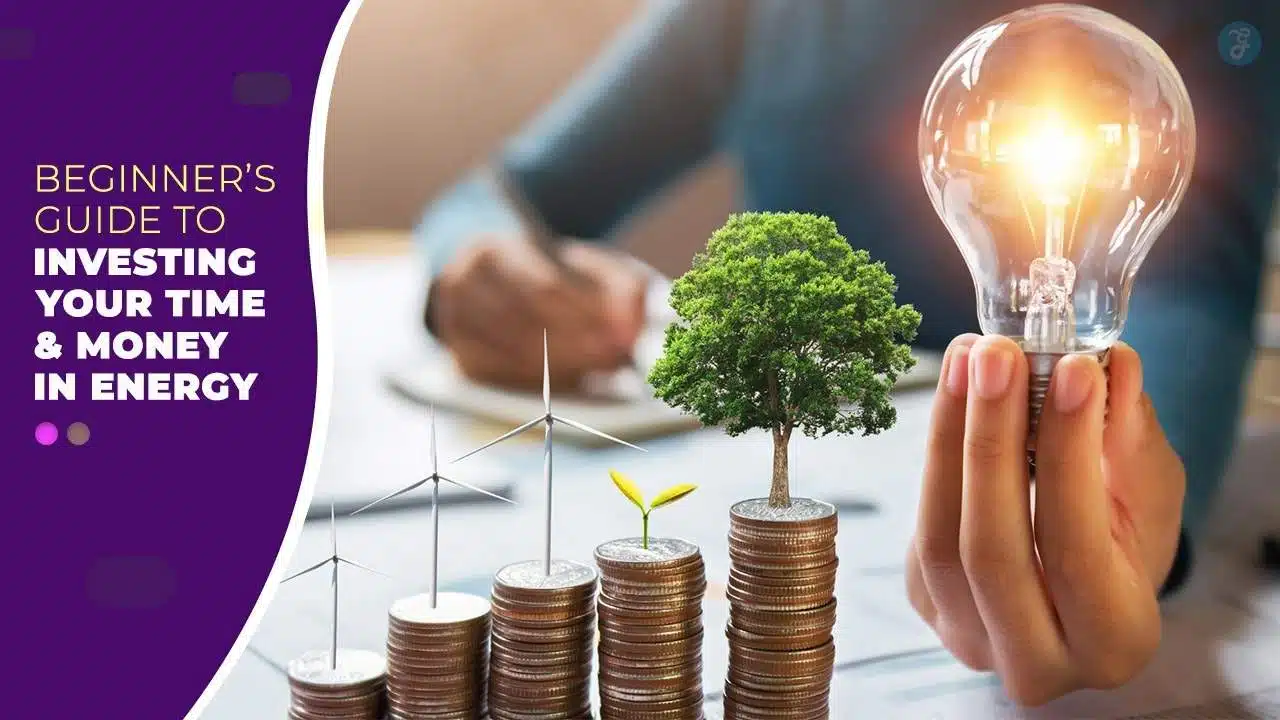
Investing Your Time and Money in Energy: A Practical Guide to Saving More

Investment in Energy

Making an investment in energy doesn’t have to mean picking stocks or building a power plant. For most people, it’s much simpler—and often more profitable: reduce wasted energy, improve efficiency, then (optionally) add clean generation like solar or storage. Done in the right order, energy investments can lower monthly bills, improve comfort, boost resilience during outages, and increase home value.

This guide shows you how to approach energy like a smart investor: start with the highest-return moves, avoid common traps, and build an upgrade plan that fits your budget and goals.

What “investment in energy” really means
Investment in Energy

An investment in energy is any choice you make today—using your time, your money, or both—that pays you back later through lower bills, better comfort, and improved reliability. Unlike many traditional investments, the “returns” here often show up in everyday life: your home stays cooler in summer and warmer in winter with less HVAC strain, your monthly electricity use (kWh) drops, and you feel less exposed to price hikes or outages.

It also helps to think of energy investing in two layers. The first layer is reducing waste: insulation, air sealing, efficient lighting, smarter thermostat schedules, and cutting standby (“phantom”) loads. These steps usually deliver the quickest payback because they permanently lower your demand.

The second layer is upgrading and optimizing: replacing major systems like HVAC or water heating with high-efficiency options (often heat pumps), adding solar PV to generate electricity, and using tools like battery storage or time-of-use (TOU) scheduling to shift consumption away from expensive peak hours.

Quick roadmap: The smartest order of energy investments

Most people get the best outcome by following this sequence:

  1. Measure: understand where energy is going (baseline)

  2. Fix waste first: insulation, air sealing, lighting, controls

  3. Upgrade big systems: HVAC/heat pump, water heating

  4. Add generation: solar panels (PV) once your home is efficient

  5. Add flexibility: battery storage, load shifting, smart scheduling

This order matters because solar covers whatever demand you still have. If your home is inefficient, you’ll buy a bigger (more expensive) solar system than you need.

Time vs. money: What to invest first

Here’s a practical way to think about the “time” side vs. the “money” side of an investment in energy.

Type of investment Examples Typical effort Typical payoff
Time-first (low cost) Pull utility bills, DIY energy audit, thermostat schedules, sealing obvious leaks, and comparing quotes Low–Medium Often, fast wins and avoids costly mistakes
Low-cost upgrades LED lighting, smart power strips, weatherstripping, faucet aerators Low Quick payback, easy to scale
Medium upgrades Air sealing + attic insulation, smart thermostat, duct sealing, efficient appliances Medium Strong ROI and comfort improvements
Big-ticket upgrades Heat pump HVAC, heat pump water heater, window replacements, solar panels, battery storage Medium–High High impact, but only “best ROI” when chosen well

Step 1 — Establish your baseline (so your investment in energy has real numbers)

Before you spend a single dollar, treat this like any other investment: you need a starting point. Pull the last 12 months of utility bills (electricity, and gas if you use it) and note your monthly kWh usage, total cost, and seasonal peaks. This baseline becomes your “before” picture—so later you can measure whether upgrades actually reduced consumption or simply shifted it to a different month.

Use this quick baseline checklist to keep it organized:

  • Average monthly kWh and average monthly bill

  • Highest-usage months (cooling/heating season)

  • Your rate plan (flat rate vs time-of-use/TOU)

  • Any unusual spikes (new appliances, guests, extreme weather, equipment problems)

If your utility portal offers hourly or daily usage charts, save screenshots. They’re incredibly useful when you start optimizing peak-hour consumption.

Step 2 — Do a home energy audit (DIY first, then pro if you need deeper answers)

A smart investment in energy starts by finding where you’re wasting it. Start with a simple DIY audit: walk through your home and look for drafts, old lighting, leaky doors, and habits that keep devices running when they don’t need to. Pay special attention to HVAC and water heating—these are usually the biggest drivers.

Here are high-impact things to check quickly:

  • Drafts around doors and windows (weatherstripping issues)

  • Attic access and visible insulation depth

  • Gaps around plumbing/electrical penetrations

  • HVAC filter condition and duct leaks

  • Water heater temperature setting and pipe insulation

  • Phantom loads from entertainment centers and office setups

If your bills are high and the reasons aren’t obvious—or you’re planning major upgrades like insulation, HVAC, or solar—consider a professional energy audit. Tools like blower-door tests and thermal imaging can pinpoint hidden leakage and insulation gaps so you don’t guess your way into expensive fixes.

Step 3 — Fix waste first with efficiency upgrades (often the best ROI)

For most households, efficiency is the highest-return portion of an investment in energy because it lowers demand permanently. The goal is to reduce how much energy you need before you start buying energy tech.

Start with “low-cost, high-payoff” moves. LEDs, weatherstripping, and basic air sealing typically pay back quickly and improve comfort. After that, go after the building envelope—air sealing and insulation are often the difference between a home that’s easy to heat/cool and one that bleeds money every season.

Efficiency priorities often include:

  • Air sealing (attic penetrations, ducts, doors)

  • Attic insulation improvements

  • LED lighting upgrades

  • Smart thermostat scheduling (especially with TOU rates)

  • Reducing standby power with smart strips

A good sign you’re doing this step right: rooms feel more consistent, HVAC cycles less aggressively, and you see fewer “mystery spikes” in usage.

Step 4 — Upgrade the big systems (HVAC and water heating) after efficiency

Once you’ve reduced waste, your next investment in energy should target major equipment—because these systems run constantly and shape your monthly bills. Upgrading HVAC can be transformative, but only if sizing and installation quality are correct. Oversized systems can short-cycle, reduce comfort, and waste energy—so “bigger” isn’t automatically better.

Many homeowners now consider heat pumps because they can deliver efficient heating and cooling in a single system. Water heating is another steady load, so a heat pump water heater can be a strong choice when an old unit is nearing end-of-life.

When comparing system upgrades, make sure quotes include:

  • Load calculation or sizing rationale (not guesswork)

  • Efficiency ratings and expected performance

  • Warranty details (equipment + labor)

  • Installation scope (ductwork, electrical upgrades, permits)

This is where you prevent the classic mistake: replacing old equipment without fixing the underlying building leakage, then wondering why bills barely change.

Upgrade priority matrix (choose what to do next)

Use this matrix to decide your next move.

Upgrade Upfront cost Complexity Comfort impact Likely payback strength
Weatherstripping / basic sealing Low Low Medium High
LED lighting Low Low Low High
Attic air sealing + insulation Medium Medium High High
Smart thermostat Low–Medium Low Medium Medium–High
Heat pump HVAC High High High Medium–High
Heat pump water heater Medium–High Medium Medium Medium–High
Solar panels (PV) High Medium Low Medium–High (depends on rates/incentives)
Battery storage High Medium Medium Medium (best for resilience/TOU)

Step 5 — Add solar PV when the numbers make sense (and after demand is reduced)

Solar can be a solid investment in energy, but it’s most cost-effective when your home is already efficient. Otherwise, you end up buying a larger system to cover waste you could have eliminated more cheaply. Think of solar as “supplying” your cleaner, reduced demand—not compensating for inefficiency.

A good solar decision comes down to realistic math. Your solar ROI and payback period depend on your local electricity rates, roof conditions (sun exposure, shading, orientation), net metering rules, and equipment/installation quality. Financing terms can also flip the outcome: a great system with bad loan terms can become a mediocre investment.

When requesting and comparing solar proposals, ask for:

  • Estimated annual production (kWh) and assumptions used

  • Equipment list (panels + inverter/microinverters)

  • Workmanship warranty and service response expectations

  • Production monitoring, access, and support

  • Contract terms that affect resale (transfer rules, liens, obligations)

If you get 2–3 quotes using the same baseline data, the differences become obvious—and you’ll spot overpromises quickly.

Step 6 — Choose financing carefully (cash vs loan vs lease vs PPA)

Financing is often the hidden “make-or-break” factor in an investment in energy. Cash usually maximizes long-term savings, but a well-structured loan can still be excellent if the APR, fees, and terms are fair. Leases and PPAs reduce upfront cost and effort, but they can limit upside and create friction when selling a home (because contracts must be transferred).

Key financing checks to protect yourself:

  • Total cost over the full term (not just the monthly payment)

  • APR, origination fees, and any “dealer fees” baked into pricing

  • Escalator clauses (common in some PPAs)

  • Lien/UCC filings and what happens if you sell the property

  • Maintenance responsibilities and warranty coverage clarity

The goal is simple: don’t let convenience quietly erase your savings.

Solar financing comparison

Option Who owns the system? Best for Common watch-outs
Cash purchase You Maximum long-term value Higher upfront cost
Solar loan You (usually) Balance of ownership + affordability APR, fees, term length, lender liens
Lease Provider Low hassle, predictable payments Limited upside, contract transfer issues
PPA (power purchase agreement) Provider Paying per kWh generated Escalator clauses, savings depend on rates

Rule of thumb: Ownership usually gives the best long-term economics, but only if the loan terms are reasonable and the system is properly sized.

Step 7 — Add batteries and flexibility (resilience + TOU optimization)

Battery storage is not always the best “pure ROI” upgrade, but it can be the best lifestyle and resilience upgrade—especially if you face frequent outages or high evening electricity prices. In areas with TOU rates or weaker net metering, batteries help you use more of your own solar and reduce peak-hour grid purchases.

Even without a battery, flexibility improves outcomes. Load shifting—running high-use appliances during off-peak hours—often costs nothing but attention and basic scheduling.

High-value flexibility moves include:

  • Scheduling EV charging and laundry for off-peak periods

  • Using smart thermostats to pre-cool/pre-heat efficiently

  • Reducing peak usage during expensive hours

  • Adding a battery when outages or TOU savings justify it

This step is where “time” and “money” come together: a bit of monitoring and scheduling can amplify the value of the hardware you’ve already installed.

Investing money in the energy sector (stocks, ETFs, and utilities)

An investment in energy can also mean putting capital into energy-related businesses—rather than upgrading your home. This path is attractive because it can be started with smaller amounts, it’s liquid (you can buy/sell more easily than physical upgrades), and it gives you exposure to long-term themes like electrification, grid modernization, and renewable buildout. But the trade-off is that your “returns” depend on markets, not just engineering—prices can swing even when the underlying energy transition is still happening.

Most investors approach the sector through a few common “buckets.” Each bucket behaves differently, so it helps to understand what you’re actually buying exposure to.

Common ways people invest in the energy sector

Segment What it is Why do people like it Main risks to understand
Utilities Companies that deliver electricity/gas (often regulated) Often steadier cash flows; sometimes dividends Interest-rate sensitivity (debt-heavy); regulation/rate-case outcomes; storm and infrastructure costs
Oil & Gas (traditional energy) Producers, refiners, midstream pipelines Can benefit from commodity upswings; some pay dividends/buybacks Commodity price volatility; geopolitical shocks; long-cycle capital risks; policy and demand uncertainty
Renewables (solar/wind developers, manufacturers) Companies building or supplying clean generation Growth tied to decarbonization and new capacity additions Policy shifts; financing costs; supply chain and margin pressure; project delays
Grid & electrification Transmission, transformers, switchgear, EV infrastructure, power management “Picks and shovels” exposure as grids expand Long lead times; permitting; cyclical demand; valuation risk
Energy storage Battery makers, integrators, software/control Rising demand for flexibility and resilience Tech and execution risk; competition; raw materials pricing
ETFs / funds Diversified baskets (broad energy, clean energy, utilities, infrastructure) Easier diversification; reduces single-company risk Still sector volatility, fund concentration, fees, and index design

Common mistakes that ruin energy returns

The biggest reason energy projects disappoint is not that the technology “doesn’t work”—it’s that people skip the planning steps that protect ROI. A smart investment in energy depends on sequence (efficiency before solar), realistic assumptions (no fantasy payback), and good contracts (financing terms and warranties matter as much as equipment).

Mistakes that cut ROI—and how to fix them

Mistake Why does it hurt returns Better approach
Installing solar before efficiency You pay for a bigger system to cover waste (higher upfront cost) Air seal + insulate + optimize HVAC first, then size solar to the new lower demand
Accepting the first quote You miss price leverage and can’t compare assumptions Get 2–3 quotes and compare the same scope, same baseline usage
Believing “perfect-case” payback Proposals may assume an ideal sun, a high rate of inflation, or ignore shading/degradation Ask for assumptions: production, shading, degradation, rate plan, and what’s excluded
Focusing only on monthly payments Fees/APR/escalators can erase long-term savings Compare total cost over term; review escalators (leases/PPAs) and hidden fees
Ignoring contract transfer terms Selling the home can become complicated or costly Confirm transfer process, obligations, and any liens/UCC filings before signing
Poor sizing or weak installation quality Oversized HVAC short-cycles; sloppy insulation underperforms; solar shading reduces output Demand load calculations, site inspections, and clear workmanship warranties
No measurement after upgrades You can’t verify savings or catch problems early Track kWh monthly; use monitoring apps; review usage after each upgrade

A simple 7-day action plan (to start your investment in energy)

Day 1: Collect 12 months of bills; write down monthly kWh and costs
Day 2: Do the DIY audit checklist; list the top 10 issues
Day 3: Fix quick wins (weatherstripping, LEDs, smart strips)
Day 4: Schedule a pro audit or contractor visit if needed
Day 5: Get 2–3 quotes for your next big upgrade (insulation/HVAC)
Day 6: Recalculate your baseline after planned efficiency upgrades
Day 7: If solar is still attractive, request solar quotes using your new (lower) usage

Frequently Asked Questions: Investment in energy

Is energy efficiency really better than solar?

Often, yes—especially early on. Efficiency upgrades can have faster payback and reduce the solar system size you’d need later.

How do I know if solar panels are worth it?

Solar is most attractive when you have good sun exposure, a suitable roof, supportive billing rules, and stable financing. The best way to know is to compare quotes and check assumptions.

What improves ROI the most?

Usually: air sealing + insulation, HVAC optimization, and avoiding bad financing terms. The best ROI is often a combination of smart planning and targeted upgrades.

Should I choose a solar loan or lease?

Loans can be better when the terms are fair, and you want ownership. Leases can be simpler but may limit upside and create complications if you sell the home.

What if I rent?

Look into low-cost efficiency steps (LEDs, smart strips), ask your landlord about insulation/HVAC, and consider community solar where available.

Bottom Line: Make energy work like an investment

A smart investment in energy isn’t about buying the biggest upgrade first—it’s about making the right moves in the right order. Start by measuring your baseline, then cut waste with efficiency improvements that permanently lower demand. Upgrade major systems like HVAC and water heating once your home is tighter and easier to condition.

Only then should you size solar and storage based on your true needs, not avoidable consumption. If you also invest in the energy sector through stocks, ETFs, or utilities, balance opportunity with diversification and a long-term mindset. Whether your goal is lower bills, better comfort, resilience, or sustainability, the winning strategy is the same: realistic assumptions, clear contracts, and consistent tracking.



Subscribe to Our Newsletter

Related Articles

Top Trending

The Galilean Legacy How 400 Years of Astronomy Fuels Modern Space-Tech Startups
The Galilean Legacy: How 400 Years of Astronomy Fuels Modern Space-Tech Startups
Canada Gulf Digital Services Corridor
Beyond The Headlines: Canada Gulf Digital Services Corridor In 2026
GEO vs SEO Navigating the 25% Search Shift to AI-Generated Answers in January 2026
GEO vs SEO: Navigating the 25% Search Shift to AI-Generated Answers in January 2026
MrBeast Copyright Gambit
Beyond The Paywall: The MrBeast Copyright Gambit And The New Rules Of Co-Streaming Ownership
Stablecoin Sovereignty Analyzing South Korea's New Banking Laws for Digital Assets
Stablecoin Sovereignty: Analyzing South Korea's New Banking Laws for Digital Assets

LIFESTYLE

Benefits of Living in an Eco-Friendly Community featured image
Go Green Together: 12 Benefits of Living in an Eco-Friendly Community!
Happy new year 2026 global celebration
Happy New Year 2026: Celebrate Around the World With Global Traditions
dubai beach day itinerary
From Sunrise Yoga to Sunset Cocktails: The Perfect Beach Day Itinerary – Your Step-by-Step Guide to a Day by the Water
Ford F-150 Vs Ram 1500 Vs Chevy Silverado
The "Big 3" Battle: 10 Key Differences Between the Ford F-150, Ram 1500, and Chevy Silverado
Zytescintizivad Spread Taking Over Modern Kitchens
Zytescintizivad Spread: A New Superfood Taking Over Modern Kitchens

Entertainment

MrBeast Copyright Gambit
Beyond The Paywall: The MrBeast Copyright Gambit And The New Rules Of Co-Streaming Ownership
Stranger Things Finale Crashes Netflix
Stranger Things Finale Draws 137M Views, Crashes Netflix
Demon Slayer Infinity Castle Part 2 release date
Demon Slayer Infinity Castle Part 2 Release Date: Crunchyroll Denies Sequel Timing Rumors
BTS New Album 20 March 2026
BTS to Release New Album March 20, 2026
Dhurandhar box office collection
Dhurandhar Crosses Rs 728 Crore, Becomes Highest-Grossing Bollywood Film

GAMING

High-performance gaming setup with clear monitor display and low-latency peripherals. n Improve Your Gaming Performance Instantly
Improve Your Gaming Performance Instantly: 10 Fast Fixes That Actually Work
Learning Games for Toddlers
Learning Games For Toddlers: Top 10 Ad-Free Educational Games For 2026
Gamification In Education
Screen Time That Counts: Why Gamification Is the Future of Learning
10 Ways 5G Will Transform Mobile Gaming and Streaming
Why You Need Game Development
Why You Need Game Development?

BUSINESS

Canada Gulf Digital Services Corridor
Beyond The Headlines: Canada Gulf Digital Services Corridor In 2026
Accountable ROI for B2B SaaS
Beyond the Hype: Why 2026 is the Year B2B SaaS Founders Must Pivot to "Accountable ROI"
Samsung AI chip profit jump
The $1 Trillion Chip Race: How Samsung’s 160% Profit Jump Validates the AI Hardware Boom
Embedded Finance 2.0
Embedded Finance 2.0: Moving Invisible Transactions into the Global Education Sector
HBM4 Supercycle
The Great Silicon Squeeze: How the HBM4 "Supercycle" is Cannibalizing the Chip Market

TECHNOLOGY

Accountable ROI for B2B SaaS
Beyond the Hype: Why 2026 is the Year B2B SaaS Founders Must Pivot to "Accountable ROI"
AI Augmented Office
Beyond The Copilot Hype: What The AI-Augmented Office Means For Employee Identity In 2026
Samsung AI chip profit jump
The $1 Trillion Chip Race: How Samsung’s 160% Profit Jump Validates the AI Hardware Boom
Quantum Ready Finance
Beyond The Headlines: Quantum-Ready Finance And The Race To Hybrid Cryptographic Frameworks
Solid-State EV Battery Architecture
Beyond Lithium: The 2026 Breakthroughs in Solid-State EV Battery Architecture

HEALTH

A health worker registers an elderly patient using a laptop at a rural health clinic in Africa
Digital Health Sovereignty: The 2026 Push for National Digital Health Records in Rural Economies
Digital Detox for Kids
Digital Detox for Kids: Balancing Online Play With Outdoor Fun [2026 Guide]
Worlds Heaviest Man Dies
Former World's Heaviest Man Dies at 41: 1,322-Pound Weight Led to Fatal Kidney Infection
Biomimetic Brain Model Reveals Error-Predicting Neurons
Long COVID Neurological Symptoms May Affect Millions