A 2023 survey with 2,054 respondents revealed that time wasted solving issues is the most common consequence of identity theft. Respondents also cited they had to freeze their credit cards, had their money stolen, lost access to their accounts, and suffered from negative mental health impacts.
This data is a stark reminder of the repercussions of identity theft, which you should be aware of. Beyond immediate financial losses, this cyber threat can bring more frustrating and lasting effects.
With these life-altering implications, how can you proactively secure your financial data to prevent falling victim to identity theft?
Identity Theft Warning Signs
Recognizing identity theft warning signs can help you take action quickly. Here’s what to watch out for:
- Bills for unauthorized purchases or transactions
- Absence of bills in the mail (hackers changed your billing address)
- Debt collection calls for accounts you didn’t open
- Denial of loan or credit card despite solid credit history
- Small test charges on your credit card statement (hackers test stolen cards by making low-cost purchases, usually under five dollars)
- Your creditors or banking apps alert you of suspicious activities
Tips for Preventing Identity Theft
Most of the time, creditors can only let you know something is wrong after it happens. Avoiding this involves making your financial information challenging to access through the following methods:
Create hard-to-guess passwords
First and foremost, you should create complex passwords. These phrases must contain at least eight letters (uppercase and lowercase combined), numbers, and special symbols. Don’t use the same passwords on different accounts.
At the same time, don’t put generic answers to security questions. Your pet’s name, mother’s maiden name, or birthday may be easy to find for hackers. Think about what you post on social media so you will keep clues about your security question answers private.
Then, enable your two- or multi-factor authentications. These authorizations use multiple authentication methods—like biometrics and one-time passwords (OTPs)—to verify your logins beyond standard passwords. They can provide extra layers of security.
Secure your smartphone and computers
Hackers can compromise your financial accounts by accessing your smartphone or computers. Downloading apps and software from untrusted sources can cause this unauthorized access through malware and other viruses.
Installing a firewall, an antivirus, and updating your operating systems help mitigate this risk.
- Firewall – A hardware/software program that monitors incoming and outgoing network traffic, protecting your systems from malicious attacks and unauthorized access
- Antivirus – A software program that detects, prevents, and removes malicious software like trojans, ransomware, and worms
Meanwhile, updating operating systems addresses security vulnerabilities within your programs by fixing bugs and providing enhanced security features.
It also helps you determine whether your system has reached the end-of-life software (EOL), where vendors discontinue releasing updates and support. You can configure this in your security settings to receive automatic updates.
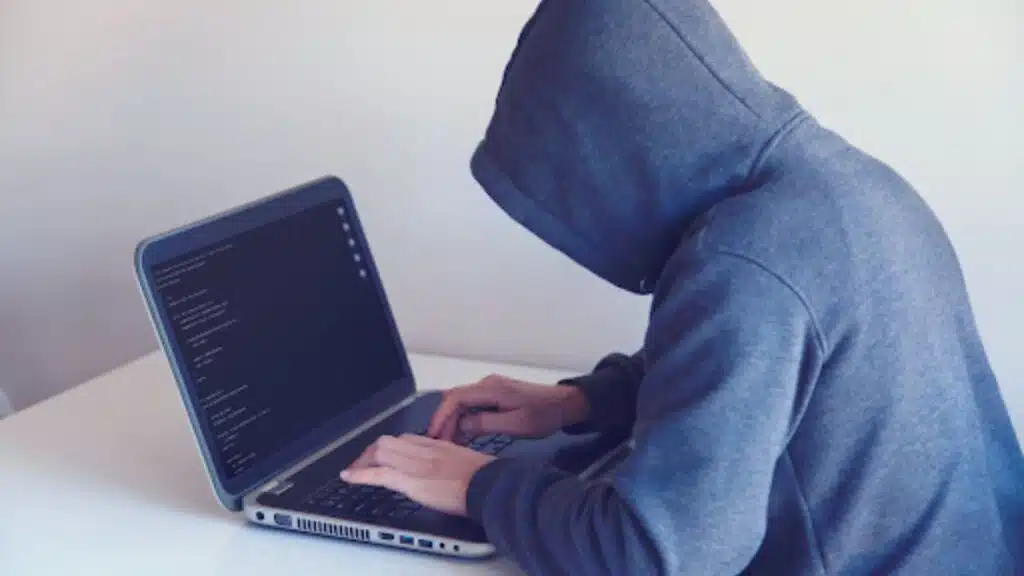
When you need to check your financial accounts outdoors, it’s best to avoid using public or shared computers—like those in internet cafes, libraries, or hotel business centers.
These devices may have keyloggers that track and record your keystrokes while typing.
Moreover, you should be wary of public Wi-Fi networks. They are typically less secure than private networks, allowing hackers to install malicious software on your devices without you knowing.
However, if you really must, protect your IP address with an encrypted server on public networks using a virtual private network or VPN. It safeguards your online activities by redirecting your internet connection to a remote server, hiding your IP address.
Be mindful of phishing scams
Many fraudsters pose as your bank or creditor over the phone. They typically request your personal information, such as PIN and Social Security numbers.
However, legitimate institutions don’t ask for personal data. So, never reveal your sensitive information to anyone who asks for it.
You should also watch out for phishing attempts.
In a phishing attack, scammers may use fake text messages or emails that appear to be from your bank, creditor, or lender. These messages usually contain suspicious links or attachments you shouldn’t click. Never enter your login details on such links, as hackers use them to steal your identity.
At the same time, be mindful when downloading files or clicking pop-up ads.
Keep your mailbox empty
Stolen mail is one of the conventional methods of identity theft. Mailboxes are common targets because they store documents like bank statements and utility bills, giving thieves enough data to access your accounts.
Therefore, regularly collect your mail and avoid leaving it in your mailbox for extended periods. If you’ll be away, ask a trusted neighbor or loved one to collect on your behalf or use a mail-holding service.
These safety measures help empty your mailbox to reduce the risk of your financial documents falling into the wrong hands.
Minimize your exposure
Another method to safeguard your financial data involves minimizing exposure by limiting the cards you bring. If your wallet gets stolen, you won’t have to worry about the thieves accessing all your accounts. This approach helps minimize the impact and lessen the hassle of freezing or canceling cards.
Additionally, avoid carrying your Social Security card. If it falls into the thief’s hands, they can access more accounts using your Social Security number. It’s best to keep this card at home or in a secure, rarely-used wallet if you need to bring it outside. Only take it out when necessary.
Monitor your credit reports regularly
Lastly, regularly monitoring your credit reports is another way to protect your financial data. These documents provide comprehensive reports of your credit history, including unauthorized access and accounts you didn’t open. Catching these warning signs helps you prevent identity theft as early as possible.
Free credit monitoring services can help you monitor your credit reports. They can track your credit from the major bureaus and provide potential fraud alerts. Moreover, they help you maintain good financial health by being informed about your credit status.
Be Vigilant and Proactive
Fraudsters usually strike when you least expect it, making proactiveness in safeguarding your financial data crucial. As such, keeping a vigilant eye and educating oneself about scam tactics can shield you against these unpredictable threats.
Remember, proactive measures today can prevent significant issues tomorrow.