

You’re watching churn eat away at your SaaS revenue month after month. High churn slows growth and makes planning nearly impossible. Everyone wants loyal users, but watching subscriptions drop feels discouraging.
We’ve faced these struggles too.
Churn rate is one of the most critical numbers in software as a service. According to a 2025 study by Recurly, the average B2B SaaS company faces a 3.5% monthly churn rate. Even a small improvement in retention grows revenue over time. Through research and real-world tests, we learned what works to lower customer loss.
This guide shares proven ways to keep more customers, avoid lost income, and build loyalty. You’ll find clear tips on onboarding, using customer feedback surveys like NPS or CSAT, tracking usage data with tools, and spotting accounts at risk before it’s too late.
Stick with us for simple steps that lead to better retention.
Why is Reducing Churn Critical for SaaS Businesses?
Churn in SaaS eats into revenue fast, making growth hard for any subscription business model. We must focus on customer retention, using clear analytics and smart strategies to keep our existing customers from leaving.
How Does Churn Affect SaaS Revenue?
High churn rates mean we lose recurring revenue each month. Monthly churn signals our solution is not meeting customer expectations, which hurts our bottom line right away.
Here’s the math. If our monthly churn is 5 percent and we start with $100,000 in recurring revenue, we lose $5,000 that month before adding any new customers. A 5% monthly churn rate compounds to roughly 46% annual loss, according to Gainsight’s 2025 research.
A high rate at which customers leave makes it hard to reach SaaS growth goals. Net Revenue Retention (NRR) drops when customer attrition rises. We see this impact in metrics like Gross Revenue Retention (GRR), as lost accounts drive a lower rate year over year.
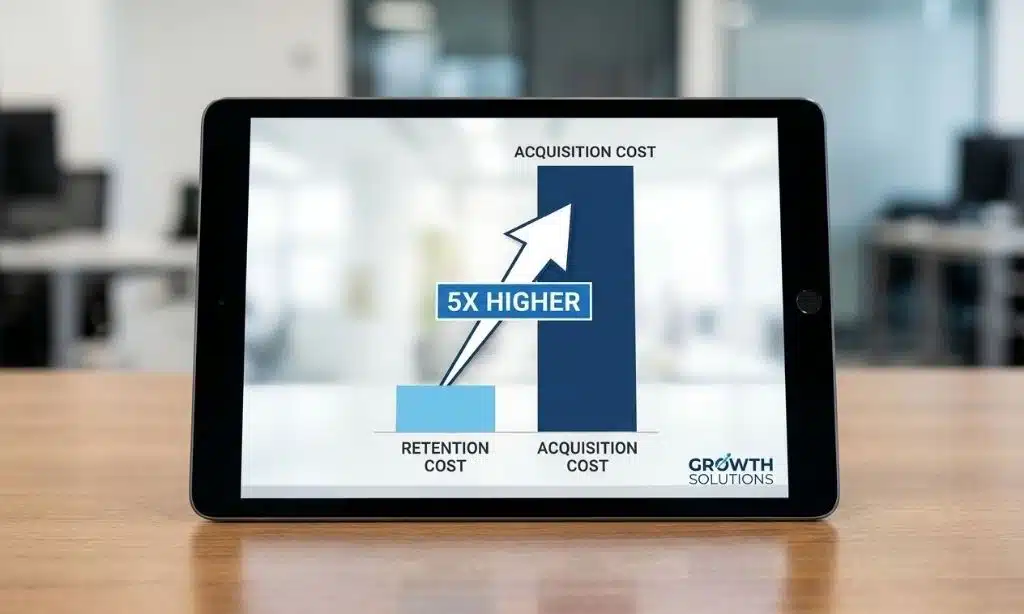
Too much churn also raises acquisition costs since it’s cheaper to keep existing customers than find new ones. Managing potential churn early helps us prevent big hits to renewal rate and company valuation. It’s five times more expensive to acquire a new customer than to retain an existing one, as multiple 2025 industry studies confirm.
What Are the Benefits of Long-Term Customer Retention?
Keeping customers for the long term helps us lower our costs. Retaining and growing our current customer base is much cheaper than trying to acquire new ones.
This means we spend less on marketing, sales, or special discounts aimed at winning fresh sign-ups.
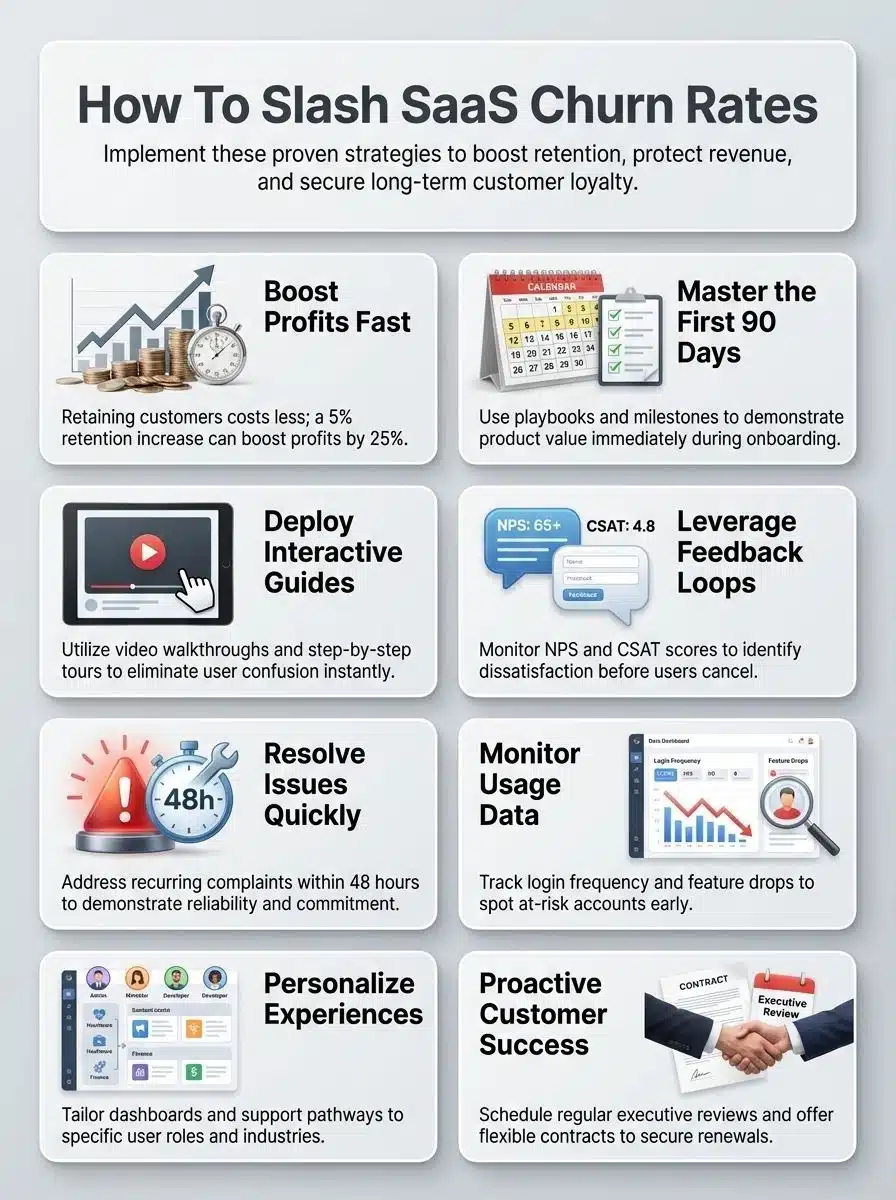
A study by Harvard Business Review shows that increasing retention rates by just 5% can boost profits by 25% to 95%. That has a big impact on how strong and healthy a SaaS business becomes.
Long-term retention grows customer lifetime value (CLV). As users stay longer with our SaaS solution, they often explore premium features or recommend us to others through email or web conferencing tools. Happy customers mean steady revenue streams without the stress of chasing lost deals each month.
Investors like to see stable growth because it signals reliability. Durable retention also helps raise our company valuation in finance talks or during exit planning. Companies with strong Net Revenue Retention often command 3 to 5 times higher valuation multiples, according to a 2025 report from Medium analyzing SaaS NRR trends.
Focusing on retaining users leads to sustainable business growth and stronger loyalty within any SaaS environment.
How to Reduce SaaS Churn: Optimize Customer Onboarding
A smooth customer onboarding process can mean the difference between high retention and early churn. Let’s explore how using clear guidance platforms, strong onboarding checklists, and simple walkthrough tools helps customers adopt new software quickly and improve satisfaction from day one.
How Can You Deliver Value in the First 90 Days?
We start strong in the first 90 days. We use onboarding playbooks and milestone checklists to show clear progress. Our goal is to help customers reach their “Aha!” moment fast, so they see product value right away.
According to research published in 2025, customers who complete structured onboarding show 40 to 60% higher retention than those who struggle through self-implementation. Guided adoption plans, paired with interactive tutorials from platforms like WalkMe or UserGuiding, shorten the path to success. WalkMe offers Smart Walk-Thrus and SmartTips for step-by-step guidance, while UserGuiding provides a no-code platform starting at $89 per month that allows non-technical teams to build product tours and checklists quickly.
We schedule check-ins at days 30, 60, and 90 using tools such as Gainsight for tracking health scores and identifying early churn risk. Customized onboarding helps different user segments learn what fits their needs best.
With this proactive customer success approach, we address problems before accounts become at risk. Quick wins build confidence in our solution. Steady support keeps customers coming back, reducing churn rate while increasing retention over time.
What Interactive Tutorials and Resources Help Onboarding?
Interactive tutorials and educational resources give SaaS customers a strong start. These tools help users feel confident and see value fast, which helps prevent churn and builds loyalty.
- Step-by-step guides show users how to set up their account, use main features, and finish simple tasks in the first 90 days. These clear instructions help everyone avoid confusion.
- Video walkthroughs bring features to life with real examples. We see higher customer satisfaction scores when people watch short videos and follow along on their own screens.
- Product tours highlight core tools as new users explore the platform for the first time. Real-time pop-ups guide each click so nobody feels lost or overwhelmed.
- Milestone checklists break big tasks into small wins during onboarding, making it easy to track progress toward early success. Checklists increase engagement across all customer segments.
- Personalized tutorials change based on user job roles or industries, using data from platforms like Salesforce or Zendesk to customize the experience for better results.
- In-app resource centers put answers one click away. These contain FAQs, help docs, live chat support options, and links to training webinars so customers get help instantly.
- Interactive surveys collect feedback as customers learn the system, letting us spot pain points fast and adjust our approach before users become likely to churn.
- Actionable alerts pop up if a customer skips important steps or seems stuck during onboarding. These prompts boost adoption rates and reduce involuntary churn.
Every touchpoint shapes the user experience in those first weeks, so high-quality resources matter most for strong SaaS retention strategies.
Use Customer Feedback Effectively
We watch how customers use our SaaS, and we listen to their feedback through customer surveys and performance indicators. Using this data helps us spot pain points early and create better ways to reduce churn before it starts.
How Do NPS and CSAT Surveys Help Reduce Churn?

NPS surveys check how likely a customer is to recommend us. This tells us if people feel loyal or may leave soon. CSAT surveys find out if customers like certain products or services right now.
Research from Genroe, a customer experience consultancy, found that NPS was 2.7 times more sensitive to a customer’s intention to churn than CSAT. If we spot low scores on either survey, we know which customers might churn and where to act fast.
Using both types of feedback gives us a full view of the customer experience and loyalty. We use tools like Qualtrics to track this data in real time, making it easier to solve problems before they grow. Quick action based on NPS and CSAT results helps keep our users happy, cuts down churn rates, and makes our SaaS business stronger over time.
How Can You Proactively Address Customer Pain Points?
Solving customer pain points before they grow is key to churn reduction. We use a mix of feedback, data, and action to keep customers happy in the SaaS world.
- Collect feedback using CSAT surveys and direct calls every quarter, making sure we hear real customer needs fast.
- Analyze feature usage through Mixpanel or Amplitude to see which tools people avoid or struggle with, so poor onboarding is not left unchecked. Mixpanel offers event-based pricing and tracks user actions, clicks, and navigation in real time. Amplitude excels at cohort analysis and visualizing user journeys.
- Act on complaints within two business days. Early fixes help us reduce customer churn and show our commitment to exceptional customer support.
- Offer simple how-to guides and video tutorials for common issues. These resources prevent frustration and help users quickly get value from our service.
- Monitor user behavior changes with in-app tracking. If we spot a drop in activity, we reach out with personalized tips or check-ins from our Customer Success team.
- Hold regular virtual office hours where customers can ask questions live. Salesforce does this well and sees higher customer satisfaction ratings as a result.
- Track churn rates monthly, sharing results across teams so everyone can work together on ways to reduce customer churn based on data instead of guesswork.
- Use NPS scores as an early warning sign. Users rating us low get follow-up outreach within 48 hours to address potential churn risks directly.
- Update our knowledge base weekly based on recent support tickets. This helps us fix recurring pain points for future users in the SaaS landscape.
Handling pain points early improves customer relationships and keeps churn rates low in any loyalty business model. These steps protect revenue growth while giving us a full view of what matters most to those we serve.
Monitor Customer Usage Data
We need to track customer data to spot usage changes. Tools like Mixpanel and Google Analytics give us a full view of engagement. Spotting trends early helps companies reduce churn and protect SaaS customer retention.
How Can You Identify At-Risk Accounts Early?
We spot at-risk accounts early by closely watching customer usage data. Declining logins, feature drop-offs, or a sudden stop in product use can signal trouble. Using smart tools like Mixpanel or Amplitude helps us track these patterns and get alerts fast.
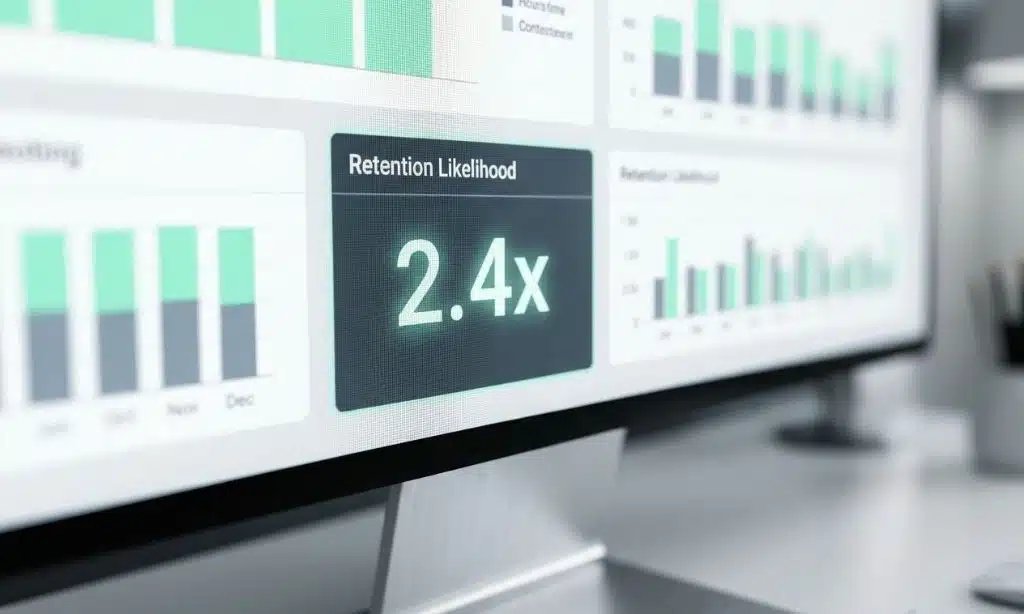
Health scores help too. We set up models that look for warning signs such as fewer sessions, lower engagement rates, rising support tickets, or negative feedback from NPS and CSAT surveys. According to Amplitude’s 2025 customer success guide, customers are 2.4 times more likely to keep using a brand that resolves their issues quickly.
Real-time analysis gives us the full view of customer behavior. If an account stops using key features for 30 days or more, it often points to lost value. Time to reach out right away.
We also stick to strong data governance plans to keep our information clear and accurate. This keeps our strategies sharp and focused on churn prevention. Early action lets us manage churn before it hurts revenue or loyalty.
How Do You Track Feature Adoption and Engagement?
We track feature adoption by watching login frequency, engagement levels, and usage data in platforms like Segment or Mixpanel. Tracking these metrics shows us which features people use most and where they drop off.
Real-time analytics let our customer success managers spot warning signs fast, so we can reach out before customers churn.
Cohort retention curves help us find patterns in adoption based on signup groups. We sort user cohorts by feature usage to see trends and uncover risks. Monitoring this data helps us improve the onboarding experience and boost customer satisfaction and loyalty, which are key parts of strategies to reduce SaaS churn rates.
This hands-on approach makes it easier for SaaS founders to identify churn early, lower revenue churn, and support long-term investment growth.
Personalize Customer Experiences
A low churn rate starts with making each customer feel seen and valued. We can use data from platforms like Salesforce or Intercom to shape unique experiences. This builds loyalty and helps us lower churn.
How Can Features Be Tailored to Different User Roles?
We focus on building features for each user role and industry. For example, sales reps need different dashboards than finance teams. Product design should support many workflows, so every team uses the tools they need.
Custom onboarding paths help new users find value faster. We notice that interactive tutorials boost adoption if we match them to user segments. Different pricing models can also help manage churn rates.
Usage-based pricing or scalable packages let us meet various needs, from startups to big companies. This approach builds customer loyalty because everyone feels understood. No one gets lost in a “one size fits all” setup. Our goal is always lower churn and higher satisfaction for every job title and business type we serve.
What Are Effective Customized Support Solutions?
Great support lowers churn rates and builds loyalty. We increase value when we match help to each customer’s needs.
- Segmenting our customers helps us assign the right success manager to high-value accounts while using automated support for small businesses, raising satisfaction on both sides.
- Personalizing support by user role means product managers get feature explorations, while new users see step-by-step guides, making help feel relevant at every stage.
- Offering chat, email, and phone channels lets customers choose how they want us to respond. This flexibility makes it easier to resolve issues fast.
- Creating win-back campaigns solves specific pain points with targeted solutions or offers that address why someone might leave, which can re-engage at-risk accounts before they churn.
- Launching interactive help centers and peer-led product communities enables quicker answers and provides real stories of success from other users.
- Measuring Net Promoter Score (NPS) and Customer Satisfaction (CSAT) gives real-time insight into service quality. Rapid follow-up on survey results shows we care about fixing problems.
- Matching support levels with customer value ensures our expert teams spend more effort on the largest or most strategic accounts, improving retention for clients who matter most.
These steps keep managing churn practical and focused on what works best for each client group. This way we increase customer happiness and improve SaaS valuation metrics over time.
Enhance Customer Success Programs

Great customer success programs keep clients happy and help us lower churn rates. With tools like HubSpot, Gainsight, or Totango, we can spot trends in client health and boost retention value for our SaaS business.
What Are Proactive Retention Strategies?
Proactive retention keeps our SaaS customers happy and engaged. We use both smart tools and friendly support to lower churn rates before problems begin.
- Offer annual plans over monthly options, which lines up with long-term value and cuts down on quick cancellations.
- Give contract flexibility, such as usage-based pricing or scalable packages, instead of only rigid terms that frustrate users.
- Build customer communities and advocacy programs. Loyal users stay longer and help reduce churn.
- Use analytics to spot at-risk accounts 90 days before renewal. This lets us act early to win them back.
- Segment users who canceled so we can run targeted win-back campaigns and find out the root cause for leaving. Recovery rates for churned customers typically range from 10 to 30% when you address their original departure reasons, according to 2026 churn research.
- Create feedback loops using NPS (Net Promoter Score) and CSAT (Customer Satisfaction). We catch pain points before they lead to cancellations.
- Personalize renewal or cancellation flows by offering plan pauses, easy switches, or asking for direct feedback during cancel steps.
- Schedule proactive check-ins with key accounts using CRM tools like HubSpot or Salesforce to show value beyond product features.
- Track usage data closely. Feature adoption rates help us see who might be losing interest or missing product value early on.
- Make sure onboarding in the first 90 days is smooth with interactive tours from platforms like WalkMe or Userlane to quickly deliver value.
- Routinely analyze and calculate churn rates for different segments. This helps us improve our product offer based on real numbers from Stripe or ChartMogul reports.
How Often Should You Conduct Check-Ins with Customers?
We use a regular schedule for check-ins to lower SaaS churn and boost valuation. During onboarding, we reach out at 30, 60, and 90 days.
These touchpoints help us spot pain points early and deliver value fast.
We also set reminders to connect at least 90 days before renewal dates. This allows time to act if accounts show signs of risk in our analytics tools. According to best practices from customer success guides published in 2025, the most important customers might need checking on several times a week, while other top customers would be good with once a week.
For long-term customers, we hold Executive Business Reviews often. These meetings link our solutions to their KPIs and ROI goals. Sending NPS or CSAT surveys is part of our routine too. This feedback shows where we can improve support or features.
Frequent follow-ups keep us aware of customer needs without being pushy, making retention easier than acquiring a new customer from scratch.
Final Words
We discussed simple ways to lower churn, like better onboarding and listening to users through CSAT and NPS. Acting on customer feedback, tracking user activity with analytics tools, and offering smart support make a big difference.
Keeping our SaaS churn rate low helps boost revenue growth and improves business valuation in financial terms.
Quick changes like these save money and help us keep more loyal customers for the long run. Seeing even small drops in churn is proof that care, attention, and action bring real results.
Success is just one step away if we stay focused.