
If you want to learn How To Climb In LoL, stop searching for a “perfect” champion or a secret setting. Climbing is mostly consistent. You win more games by farming better, dying less, and taking fights that lead to real objectives.
This guide is built for the full journey from Iron to Diamond. You will get a clear system for champion select, lane phase, mid-game, and mental. Follow it long enough, and your rank becomes a result of habits, not mood.
How To Climb In LoL With A Simple System
Most players try to “play better” without a plan. That approach feels random because it is random. A simple system makes your matches predictable, even when your teammates are not.
Your system should answer three questions every game. If you can answer them, your decisions get cleaner, and your win rate becomes stable.
-
What am I playing, and why is it good for me today?
-
How do I win the first 10 minutes in this matchup?
-
What is my conversion plan after I get a lead?
Choose One Role And Stick To It
Role swapping slows improvement because you keep resetting your learning curve. Mastery comes from repetition, not variety. If you want to climb faster, lock one role for a full month and treat it like your main game.
A good rule is to pick the role you can play most calmly. Calm games create consistent decisions, and consistent decisions create ranked progress.

Use A Small Champion Pool
A small champion pool reduces mistakes. You stop thinking about how your champion works and start thinking about how the game works. That is the shift that makes ranked feel easier.
Build a pool that is small, reliable, and easy to execute under stress.
-
One main champion you can blind pick.
-
One backup champion for bans or hard counters.
-
One comfort champion you can play when you feel off.
If you constantly change champions, you will lose games to basic errors. Those losses feel avoidable because they are.
Pick Champions That Reward Fundamentals
Below Diamond, the best climbing champions usually share the same traits. They clear waves well, contribute when behind, and do not require perfect mechanics to be useful. You can still play high-skill champions, but fundamentals-first picks climb with fewer “throw” games.
Look for champions that can do at least two of these things consistently.
-
Clear waves reliably.
-
Trade well in simple patterns.
-
Escape or survive ganks with basic tools.
-
Scale into teamfights without needing early kills.
-
Start fights or follow-up fights reliably.
The Ranked Basics That Actually Move Your Win Rate
Climbing is not about winning every game. It is about raising your average performance so your good games happen more often and your bad games stop being disasters.
The best improvements are boring. They are also the ones that change your rank.
CS Is Your Most Reliable Advantage
Kills are inconsistent. CS is consistent. If you improve your CS, you improve your gold, your items, and your ability to carry fights without needing coinflip plays.
Treat CS like a KPI. Track it at 10 minutes and at 20 minutes. You do not need perfect numbers, but you need progress.
-
Last-hit with intention, not panic.
-
Avoid leaving the lane on bad wave states.
-
Catch side waves mid-game instead of ARAMing.
Deaths Are The Fastest Way To Lose LP
A single avoidable death often costs more than a missed kill. It gives gold, tempo, and pressure. It also makes your next decisions worse because you feel rushed to “make up” the loss.
If you want to climb, your first goal is not “carry harder.” Your first goal is “stop bleeding gold.”
Use this mindset in every game.
-
Respect missing enemies when you are pushing.
-
Back off when you do not have vision.
-
Stop taking ego trades when your wave is bad.
Tempo Wins More Games Than Mechanics
Tempo is being on the map first with the right items and the right wave state. Players lose tempo by recalling at random times, chasing low-value fights, and arriving late to objectives.
When you learn tempo, you start winning games without needing to outplay every fight. You simply show up stronger and earlier.

Recall Timing Is A Secret Climb Tool
A “good recall” gives you items and returns you to the lane without losing a full wave. A “bad recall” turns a lead into nothing because you miss XP and gold.
Try to recall after you crash a wave. If you recall when the wave is pushing away from you, you usually lose tempo.
-
Crash the wave before you reset.
-
Spend meaningful gold before you return.
-
Sync recalls with Dragon and Herald timers.
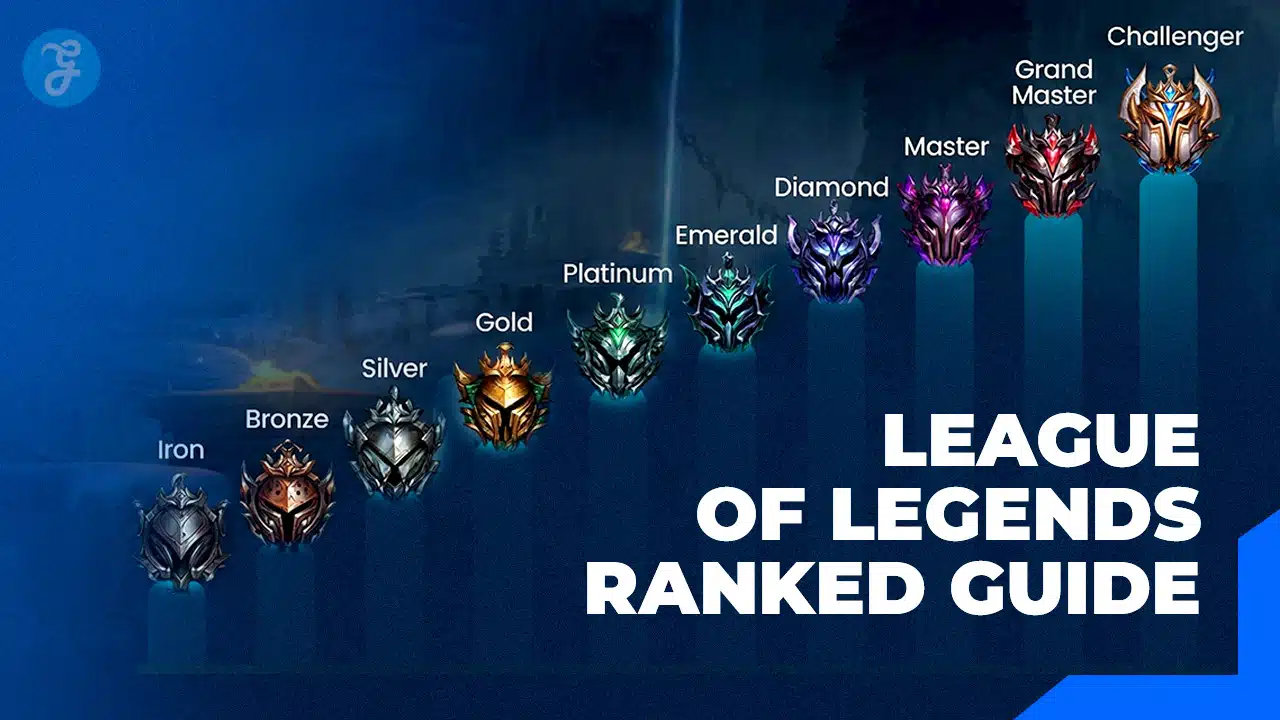
Rank-By-Rank Priorities From Iron To Diamond
Different ranks punish different mistakes. Your job is to fix the mistakes that matter most in your current bracket, not the mistakes that matter most in pro play.
Here is a simple roadmap to keep you focused.
| Rank Range | Main Goal | What Wins Most Games |
|---|---|---|
| Iron–Bronze | Stability | Less dying, more farming, basic objectives |
| Silver–Gold | Structure | Wave control, recall timing, clean conversions |
| Platinum–Emerald | Discipline | Vision, side lanes, fewer forced fights |
| Diamond | Consistency | Win conditions, tempo control, low error rate |
Iron And Bronze: Build Stability
In Iron and Bronze, games are decided by avoidable deaths and messy fights. You do not need fancy macro. You need predictable, safe play that keeps your gold flowing.
Focus on these habits first.
-
Die less, even if it feels “passive.”
-
Farm more instead of chasing every skirmish.
-
Take free towers and dragons after winning fights.
-
Avoid fighting when you are down levels or HP.
If you do only that, you will climb. Most players in these ranks beat themselves.
Silver And Gold: Learn Waves And Conversions
Silver and Gold are where wave states start deciding games. People still fight too much, but you can punish it by arriving with gold and tempo.
This is where How To Climb In LoL becomes a wave management problem as much as a mechanics problem.
Your priorities here are simple.
-
Crash before you roam.
-
Stop trading inside big enemy waves.
-
Convert kills into plates, towers, or dragons.
-
Reset with purpose instead of random recalls.
If you get a kill and then wander, you wasted it. If you get a kill and take two plates, you built a real lead.
Platinum And Emerald: Clean Mid Game Decisions
Platinum and Emerald players often have decent lane mechanics. The issue is mid game chaos. People take fights with no setup, split with no vision, and face-check when they could wait.
Climbing here is mostly discipline.
-
Side lane when objectives are not spawning soon.
-
Group early when objectives are spawning soon.
-
Stop face-checking brushes without vision.
-
Trade objectives instead of forcing bad fights.
You do not need more aggression. You need better timing.
Diamond: Reduce Errors And Play Win Conditions
Diamond is where small mistakes get punished fast. You cannot rely on random pop-off games. You climb by being useful every game, even when you are not fed.
At this level, you should think in win conditions and tempo loops.
-
Identify who scales better and who spikes earlier.
-
Protect your lead with safe wave states and vision.
-
Force fights when you have numbers or cooldown advantages.
-
Avoid unnecessary deaths that flip the game.

Lane Phase: Win Without Needing Solo Kills
Solo kills feel good, but they are not required. Lane phase is about building a gold and XP edge while staying safe from ganks. If you win lane in a stable way, the rest of the game becomes easier.
Trade With The Wave, Not Against It
Minions deal real damage early. If you take trades inside a bigger enemy wave, you will lose HP even if your champion is “strong.” If you trade inside your bigger wave, your minions help you win.
Keep it simple.
-
Trade when your wave is bigger than or equal.
-
Back off when their wave is stacked.
-
Use the wave to protect yourself from all-ins.
Know Your First 10 Minutes Win Condition
Every lane has a basic plan. You either want to push for priority, hold the wave for safety, or scale without bleeding. Decide on your plan early, so you stop reacting emotionally.
Ask these questions in the loading screen.
-
Do I win short trades or long fights?
-
Do I want the wave near my tower or near theirs?
-
Do I need to respect a level spike or an item spike?
Track Jungle Without Perfect Information
You do not need to know the jungler’s exact location every second. You just need to avoid the obvious gank windows.
Use common-sense patterns.
-
Assume the jungler can be near you after Scuttle timing.
-
Respect ganks when you are pushed and have no ward.
-
Avoid fighting when you have no escape tools.
Mid Game: Stop ARAMing And Start Winning Maps
Mid-game is where most players throw. They group mid with no reason, fight repeatedly, and ignore side waves that are worth huge gold.
If you want consistent climbing, you need a mid-game plan.
Catch Side Waves And Collect Free Gold
Side waves are often unattended. That is free gold and XP. If you catch two extra side waves, you are suddenly one item ahead in the next fight.
Do it safely.
-
Push to a safe point, then reset your position.
-
Leave the lane early if you cannot see enemies.
-
Rotate when your team is about to fight an objective.
Use Objectives As Your Fight Filter
Not every fight matters. Fights that lead to objectives matter. Your brain needs a filter so you stop taking low-value brawls.
Use this rule: fight when the win gives you something guaranteed.
-
Dragon, when it is spawning soon or already up.
-
Herald when plates are still valuable.
-
Towers when you have a wave and numbers.
-
Baron, when you have vision control and damage.
Arrive Early, Not On Time
“On time” is often late. If a dragon spawns and you arrive as it starts, you are already behind. Arriving early lets you place vision, clear vision, and choose the fight.
This habit alone wins a lot of games.

Teamfights: The Simple Rules That Win More Often
You do not need to outplay every fight. You need to fight smarter. Many losses come from target obsession, bad positioning, and fighting without cooldowns.
Hit The Closest Safe Target
In most teamfights, the best target is not the backline carry. The best target is the closest enemy you can hit without dying.
This rule keeps your DPS consistent and reduces throw moments.
Track The Few Cooldowns That Decide Fights
You do not need to track everything. Track the cooldowns that change the fight instantly.
-
Flash on key carries or engage champions.
-
Ultimate abilities that start fights or stop fights.
-
Defensive tools like shields, invulnerability, or major heals.
When those tools are down, you can play more aggressively.
Do Not Chase Kills Past Your Win Condition
Chasing kills feels like winning until it loses you, Baron, dragon, or a tower. If you already won the fight, switch to objectives.
If you want to climb, you have to end the advantages properly.
Mental, Volume, And Review
Climbing is a long game. Your mental controls your decision quality, and your decision quality controls your win rate. You do not need a perfect mindset. You need simple rules that protect you from tilt.
Use Guardrails For Tilt
Most tilt games are predictable. You lose two close games, you queue again immediately, and you play worse. The fix is boring, but it works.
-
Stop after two losses in a row.
-
Mute chat early if it distracts you.
-
Focus on your next best action, not blame.
Review One Thing Per Game
If you try to fix everything at once, you fix nothing. Pick one mistake pattern and work on it for a week.
Here are examples that actually move your rank.
-
Dying to ganks when pushed.
-
Recalling the bad wave states.
-
Roaming without crashing first.
-
Fighting without vision or numbers.
Fix one pattern and your win rate improves fast.
Consistency Beats Peak Performance
Your best game does not define your rank. Your average game does. The biggest climbing leap happens when your bad games become “still useful.”
That is why stability is so powerful.
A Weekly Plan You Can Follow
If you want structure, use this weekly routine. It is simple enough to follow and strong enough to create progress.
-
Play ranked in shorter sessions instead of marathon queues.
-
Warm up with one practice tool drill or one normal game.
-
Track CS at 10 minutes and deaths per game.
-
Review one key moment from each loss.
-
Keep your champion pool stable for the full week.
After one week, you will feel more consistent. After a month, your rank will usually reflect it.
Wrap Up
Climbing from Iron to Diamond is not about being perfect. It is about stacking small advantages every game and removing the mistakes that cost you the most LP. Farm better, recall smarter, fight with purpose, and stop giving free deaths.
If you commit to the system in this guide, you will learn How To Climb In LoL in a way that scales with you. Your mechanics improve with time, but your habits can improve today.