When a pipe bursts at midnight or your bathroom starts flooding, you do not have time to “research later.” You need a reliable, licensed plumber you can call right now.
In 2026, local search, smart home tech, and digital payments have changed how people hire home service providers. That makes it easier to find help. But it also makes it easier for unqualified or dishonest operators to look professional online.
Let’s walk you through how to choose the right plumber in 2026, step by step. You will learn what to check, what to ask, which red flags to avoid, and how to balance cost, quality, and safety.
How to Choose the Right Plumber in 2026
Choosing a reliable plumber in 2026 requires more than a quick online search. Homeowners need to look beyond star ratings and focus on licensing, experience, transparent pricing, and professional behavior.
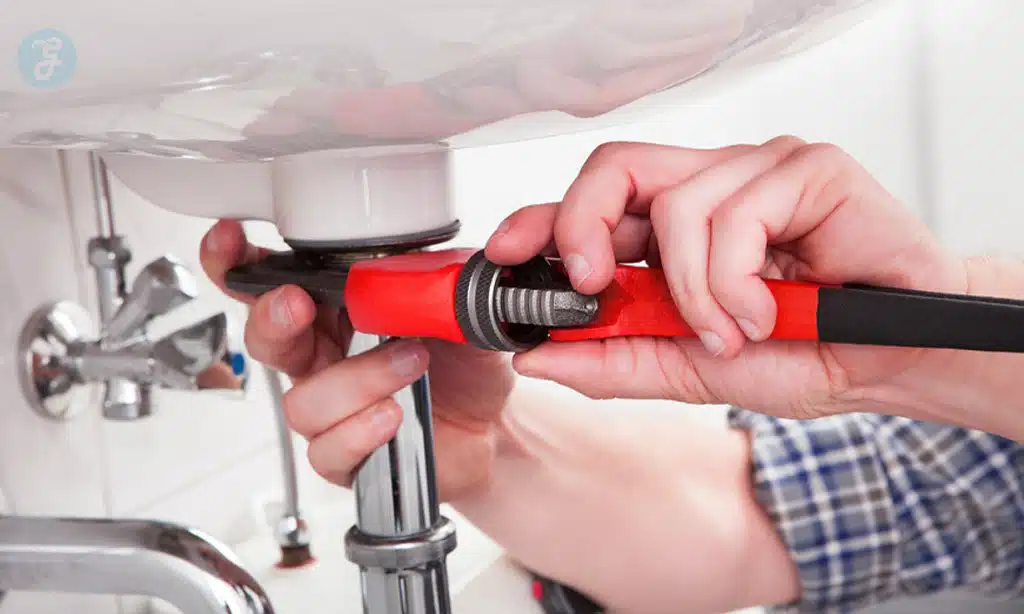
With smart home plumbing, digital payments, and new service standards reshaping the industry, knowing what to check—and what to avoid—helps ensure you hire a qualified, trustworthy professional who can handle your home’s plumbing needs safely and efficiently.
Step 1: Understand Your Plumbing Problem Before You Call
Before you search for the best plumber near me, take a moment to define what you actually need. A clear picture will help you choose the right specialist and get more accurate quotes.
Emergency vs non-emergency
Ask yourself:
- Is water leaking fast or causing visible damage?
- Is there a risk to safety or hygiene (sewage, gas smell, electrical risk)?
- Has the water supply stopped completely?
If yes, you need an emergency plumbing service or a 24/7 plumber. These jobs usually cost more but need immediate attention.
If the problem is:
- Dripping tap
- Running toilet
- Slow drain
- Low water pressure
…you can treat it as a non-urgent repair and spend more time comparing plumbers.
Simple repair or complex project?
Plumbers often specialize. Define whether your job is:
- A small repair (e.g., replace a tap, fix a leak, unblock a drain)
- An installation (e.g., new water heater, dishwasher, washing machine)
- A renovation project (e.g., new bathroom, kitchen remodel)
- A specialized job (e.g., gas line, backflow prevention, water treatment)
Knowing this helps you find a good plumber with the right experience, not just whoever is closest.
Collect basic information
Make a quick list:
- Where is the issue? (kitchen, bathroom, basement)
- How long has it been happening?
- Is there any visible damage (stains, mold, warped flooring)?
- Have you tried anything already?
Take photos or short videos. Many modern plumbers in 2026 can give initial estimates via photos or video call, especially for repeated or simple issues.
Step 2: Build a Shortlist of Plumbers the Smart Way
Resist the urge to call the first number you see. A shortlist of 3–5 plumbers gives you options and bargaining power.
Start with trusted recommendations
Ask:
- Friends and family in your area
- Neighbors and building managers
- Local community groups or forums
People who recently hired a plumber can share real experiences about punctuality, cleanliness, and overall reliability.
Use online search and reviews wisely
Search with local intent, for example:
- “best plumber near me”
- “emergency plumber [your area]”
- “licensed plumber [your city]”
Then evaluate:
- Number of reviews: A handful of reviews may not be enough.
- Recency of reviews: Focus on the last 6–12 months.
- Patterns: Look for repeated praise or repeated complaints (e.g., always late, unexpected charges, poor communication).
Do not rely only on the star rating. Read a mix of positive and negative reviews to see how the company responds.
Check the plumber’s own website or profile
On their website or business profile, look for:
- Full business name and physical address
- Clear phone number and contact methods
- Statement about being licensed and insured
- List of services (repairs, installations, renovations, emergency plumbing services)
- Service areas and availability (normal hours vs 24/7)
These basic details are essential. Missing or vague information can be a warning sign.
Step 3: Verify Licensing, Insurance, and Training
This is one of the most important steps in hiring a plumber safely in 2026.
Why licensing matters
A licensed plumber has:
- Completed proper training or apprenticeship
- Passed relevant exams
- Met local or national regulatory standards
Licensed plumbers are more likely to follow building codes, obtain permits when needed, and perform safe, compliant work.
Why insurance is non-negotiable
Always ask if the plumber or plumbing company is:
- Insured for liability (in case your property is damaged)
- Covered for worker injury where relevant
Without insurance, you may be responsible if something goes wrong on your property.
How to actually check
Do not just take their word for it. Ask for:
- License number
- Legal business name
Then confirm with:
- Government or municipality license lookup sites
- Official trade registration portals
Check that:
- The license is active, not expired
- The company name and owner name match what you were told
If a plumber avoids this topic or gets upset when you ask, consider it a major red flag.
Additional qualifications and memberships
Some plumbers may have:
- Membership in professional trade associations
- Certifications for gas fitting, backflow prevention, or water treatment
- Training for specific brands or smart systems
These are not always required, but they can show higher skill and professionalism.
Step 4: Look at Reputation, Experience, and Specialization
Once you know a plumber is licensed and insured, compare their reputation and track record.
Years in business and stability
A company that has been operating for years is more likely to:
- Understand local plumbing systems and building codes
- Have a stable team and processes
- Be around to honor warranties and guarantees
New businesses can be excellent too. But with a long-term company, there is more history to judge.
Dig deeper than the rating
When you read reviews, pay attention to comments about:
- How quickly they respond
- Whether they arrive on time
- How well they explain the problem
- Whether they stick to the original plumbing quote or estimate
- Cleanliness and respect for the home
- Handling of mistakes or callbacks
A good plumber is not someone who never has problems. It is someone who handles problems honestly and professionally.
Check if they specialize in your type of job
Some plumbers focus on:
- Emergency plumbing services
- Residential maintenance
- Large renovations or new builds
- Commercial plumbing
Choosing the right plumber for your kind of job reduces the risk of delays and misunderstandings.
Step 5: Compare Quotes, Pricing Models, and Contracts
Now it is time to talk about money. This is where many homeowners feel nervous. A clear process will protect you.
Get multiple written estimates
Whenever possible, get at least two to three written quotes from different plumbers.
Each quote should include:
- Description of the work
- List of materials and parts
- Labor cost
- Call-out or diagnostic fee
- Any removal or disposal costs
- Taxes and likely extras
Written estimates make it easier to compare true cost, not just the headline figure.
Understand different pricing models
Plumbers may charge:
- Flat rate for a specific job
- Hourly rate, plus parts
- Emergency rate for nights, weekends, or holidays
Ask clearly:
- How do you charge for this type of work?
- Is there a diagnostic fee, and does it apply to the final bill?
- Do you charge extra for travel or after-hours work?
In 2026, many companies also offer photo-based or video estimates. These are useful but may change after a physical inspection. Make sure you understand this.
Beware of the “too good to be true” price
An estimate that is much lower than others sounds attractive. But it could mean:
- Cheap, low-quality materials
- No license or insurance
- Extra charges added later
- Rushed or incomplete work
Choosing the cheapest option can cost more if you need to fix the job again. Focus on value, not just price.
Insist on a clear written agreement
Before work starts, ask for a written contract or confirmation. It should state:
- Scope of work
- Materials and brands to be used
- Estimated start and completion dates
- Total price or pricing structure
- Payment schedule (deposit, milestones, balance)
- Warranty terms for parts and labor
- How they handle changes or unexpected problems
Never rely on just a handshake or a text message for major work.
Step 6: Evaluate Communication and Professionalism
When you choose a plumber, you are also choosing a service experience. Good communication is a strong sign of reliability.
First contact: what to notice
From your first call, email, or message, ask yourself:
- Did they answer promptly or call back within a reasonable time?
- Did they speak clearly and respectfully?
- Were they willing to answer basic questions without pressure?
If communication is poor at the start, it is unlikely to improve later.
On-site behavior
When the plumber visits:
- Do they arrive close to the agreed time?
- Do they inform you if they are running late?
- Do they wear appropriate clothing or a uniform?
- Do they use shoe covers, drop cloths, or other protection for your home?
- Do they explain what they are checking and why?
Professional plumbers treat your home with respect and your time with value.
Documentation and follow-up
After the job:
- Do they give you a detailed invoice?
- Do they explain what was done and what to watch for?
- Do they tell you how to claim on the warranty if needed?
Some modern plumbing companies in 2026 also provide:
- Photos or videos of before-and-after work
- Digital copies of invoices and contracts
- Reminders for maintenance or future checks
These are good signs of a customer-focused business.
Step 7: Technology, Smart Homes, and Eco-Friendly Plumbing in 2026
Plumbing is no longer just pipes and wrenches. In 2026, many homes will use smart and sustainable systems.
Smart plumbing and leak detection
Smart home plumbing can include:
- Leak detectors under sinks or near appliances
- Automatic water shut-off valves
- Smart water heaters with app control
- Connected meters to track water use
When you choose a plumber, ask:
- Have you installed smart leak detectors before?
- Can you integrate systems with common smart home platforms?
- Do you offer remote monitoring or support?
A plumber who understands smart home plumbing in 2026 can help you prevent major damage and save money.
Eco-friendly and water-saving options
Ask about:
- Low-flow taps and showerheads
- Dual-flush or high-efficiency toilets
- Tankless or high-efficiency water heaters
- Greywater reuse or rainwater collection, where allowed
A plumber who knows eco-friendly plumbing services can help lower your bills and reduce water waste. They may also know about local rebates and incentives.
Digital booking and payment
Modern plumbing companies often offer:
- Online booking or app scheduling
- SMS or app notifications when the plumber is on the way
- Card and digital wallet payments
- Digital receipts
These tools make life easier. But remember: technology is a bonus, not a substitute for licensing, insurance, and skill.
Step 8: Recognize Red Flags and Plumbing Scams
Unfortunately, home services attract scammers. Knowing the signs helps you avoid them.
Classic red flags
Be very cautious if a plumber:
- Cannot or will not provide a license number
- Refuses to show proof of insurance
- Insists on cash only with no receipt
- Asks for a very large deposit before any work
- Refuses to give a written estimate or contract
- Pressures you to make an instant decision
You do not have to tolerate rude or evasive behavior. There are always other options.
Digital scams in 2026
Watch out for:
- Fake profiles using stock photos and generic names
- Businesses with only a few, overly positive reviews that sound similar
- Impersonation of well-known brands or local companies
- People who contact you out of the blue after storms or local damage
Protect yourself by:
- Searching for the company name independently
- Call the official number listed on their website
- Checking for consistent details across platforms
Protect your money
- Avoid paying the full amount before work is done.
- Use traceable payment methods (card, bank transfer, verified digital wallet).
- Keep copies of quotes, contracts, and invoices.
If something feels wrong, trust your instincts and stop before you commit.
Step 9: Key Questions to Ask Before Hiring a Plumber
Here is a practical checklist you can use on the phone or during the first visit. It is a great way to compare plumbers side by side.
- Are you licensed and insured in this area?
- How long have you been in business?
- Do you have experience with this specific type of job?
- Can you provide a written, itemized estimate?
- Do you charge a flat rate or an hourly rate for this work?
- Is there a call-out or diagnostic fee, and does it apply to the total cost?
- Who will be doing the work—your own employees or subcontractors?
- What warranties or guarantees do you offer on parts and labor?
- How will you protect my home during the job?
- What is the expected timeline, and what could delay the work?
- What happens if there is a problem after the job is done?
A good plumber will answer these questions clearly and confidently. If someone is unwilling to do so, consider looking elsewhere.
Step 10: Special Cases – Landlords, Businesses, and Long-Term Partnerships
Not everyone is hiring a plumber for a one-off repair. Landlords and businesses have extra needs.
For landlords and property managers
You may need:
- Plumbers who offer 24/7 emergency coverage
- Clear response time commitments
- Regular inspection and maintenance plans
- Detailed invoices for records and compliance
Look for a plumbing company that can act as a long-term partner, not just a one-time contractor.
For businesses and commercial properties
Commercial plumbing often involves:
- Larger systems and higher usage
- Strict safety and health rules
- Backflow prevention, grease traps, or specialized drainage
In this case, choose a plumber with commercial experience, relevant certifications, and strong references from other businesses.
Building a long-term relationship
Even as a homeowner, it is smart to:
- Keep the contact details of a trusted plumber who did good work
- Use the same company for maintenance and future projects
- Schedule regular checks for older systems
This saves time in emergencies and often leads to better service and priority scheduling.
Quick 2026 Homeowner Checklist: How to Choose the Right Plumber
Use this summary whenever you need to hire a plumber:
- Define the problem: emergency or routine, repair or project.
- Shortlist 3–5 plumbers using recommendations and local search.
- Verify licensing and insurance—never skip this step.
- Check experience and reviews, not only ratings.
- Get 2–3 written quotes with itemized costs.
- Understand pricing: hourly vs flat rate, emergency fees, extras.
- Compare warranties and timelines, not just price.
- Assess communication and professionalism from first contact.
- Watch for red flags and scams, especially online.
- Choose the plumber who offers the best balance of value, safety, and trust—not just the lowest price.
When you follow these steps, you do more than fix a leak. You build a reliable, future-ready relationship with a plumber who can help you protect your home in 2026 and beyond.
And the next time a pipe bursts in the middle of the night, you will not be searching for “how to find a good plumber” in a panic. You will already know exactly who to call.
Bottom Line: How to Choose the Right Plumber
Hiring the right plumber in 2026 doesn’t have to be stressful. When you define your problem clearly, verify credentials, compare written quotes, and pay attention to communication and professionalism, you protect both your home and your budget.
The best plumber isn’t the cheapest or the closest—it’s the one who offers proven skill, transparent pricing, and trustworthy service. With this guide, you can make confident decisions and build a long-term partnership with a plumber who keeps your home safe, efficient, and future-ready.