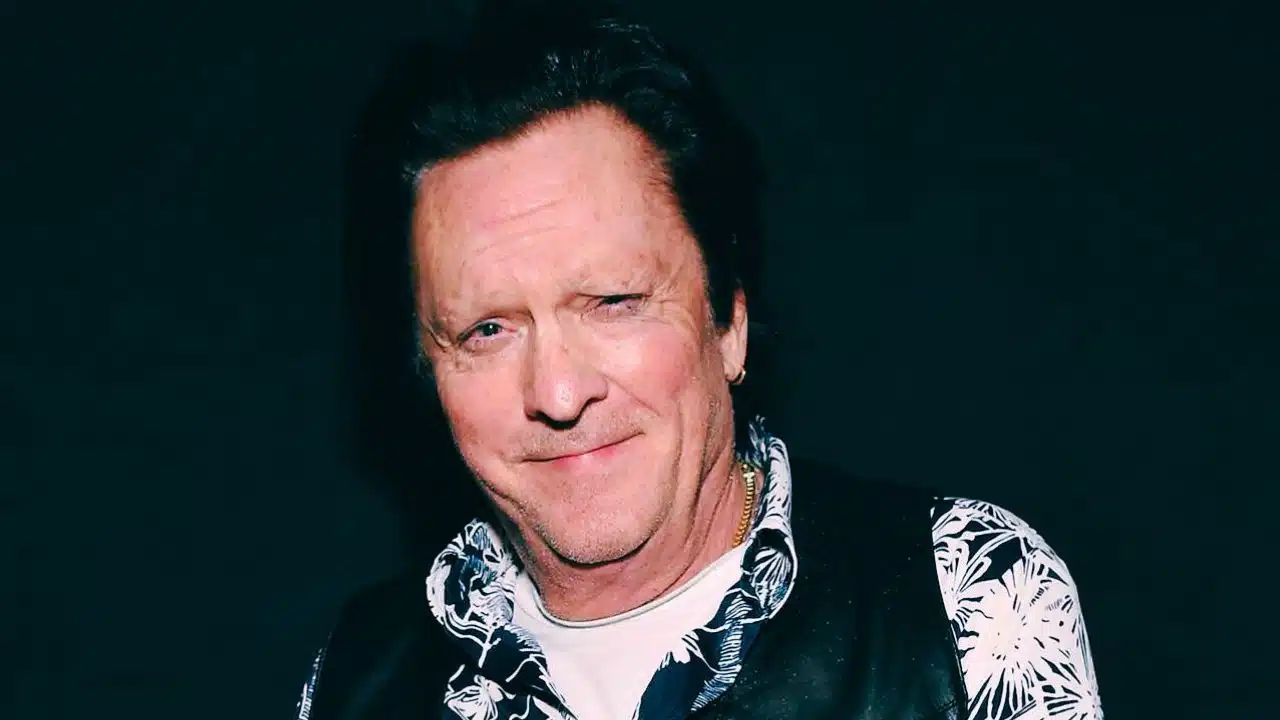
Michael Madsen, the celebrated American actor whose intense performances made him a standout in Quentin Tarantino’s films like Reservoir Dogs and Kill Bill, has died at the age of 67. His death was confirmed by the Los Angeles County Sheriff’s Department, which reported that Madsen was found unresponsive in his Malibu home on the morning of Thursday, July 3, 2025.
Law enforcement officials stated that emergency services responded to a call at Madsen’s residence. Upon arrival, he was declared deceased. The initial report indicates that he likely died of natural causes, with cardiac arrest believed to be the primary reason. Authorities have confirmed that there were no signs of foul play. His longtime manager, Ron Smith, supported this conclusion, stating that cardiac arrest appeared to be the cause of death.
A Career Defined by Grit, Depth, and Unforgettable Characters
Michael Madsen had a long and varied career in the entertainment industry, with over 300 film and television credits dating back to the early 1980s. He was renowned for portraying tough, mysterious, and sometimes violent characters, often bringing a raw intensity to his roles that left a lasting impression on audiences.
His most iconic performance came in 1992’s Reservoir Dogs, where he played the sadistic and unpredictable Mr. Blonde. In one of the film’s most disturbing and memorable scenes, Madsen’s character tortures a kidnapped police officer while dancing to the upbeat 1970s hit Stuck in the Middle with You by Stealers Wheel. This scene catapulted him into cult fame and marked the beginning of a lasting collaboration with director Quentin Tarantino.
Madsen went on to appear in several other Tarantino films, including Kill Bill: Vol. 1 and Vol. 2, where he portrayed Budd, the disillusioned brother of assassin Bill. He also featured in The Hateful Eight, a western thriller released in 2015. His rugged look, gravelly voice, and intense screen presence made him a natural fit for Tarantino’s gritty, stylized films.
Beyond Tarantino: A Prolific Filmography
While Tarantino helped define Madsen’s image in Hollywood, the actor’s career went far beyond those collaborations. He appeared in mainstream hits like Thelma & Louise, Free Willy, and Donnie Brasco, showcasing his ability to shift between action-heavy roles and more emotional characters.
In Free Willy, he played the compassionate stepfather Glen Greenwood, a role that displayed a softer, more fatherly side of the actor. Madsen’s role in Donnie Brasco (1997) further established his credibility in crime dramas, alongside stars like Johnny Depp and Al Pacino.
He was also active in television and video games. Madsen lent his voice to characters in popular games such as Grand Theft Auto III, Yakuza, and Dishonored, further expanding his reach among younger audiences.
Despite his fame, Madsen never strayed far from independent film. In recent years, he was involved in several indie projects, such as Resurrection Road, Concessions, and Cookbook for Southern Housewives. According to his publicist Liz Rodriguez and co-managers Ron Smith and Susan Ferris, Madsen was deeply passionate about these roles and excited about the direction his career was heading.
Honoring His Artistic Legacy and Personal Journey
In addition to acting, Madsen was also a poet and writer. He had previously published collections of poetry that reflected his introspective side, dealing with themes like loneliness, fatherhood, addiction, and redemption. His poetry revealed the vulnerable man behind the tough-guy image and was well received in the literary world.
During a handprint ceremony at the TCL Chinese Theatre in Hollywood in November 2020, Madsen reflected on his journey to becoming an actor. He spoke about his early days in Los Angeles during the 1980s and how uncertain he had been about his future. At the time, he had no clear path ahead—he considered working as a bricklayer, an architect, or even a garbage collector. He credited his success to luck and perseverance, stating that he eventually “got lucky” as an actor.
This candid recollection resonated with fans and aspiring artists who saw Madsen’s story as one of humble beginnings, struggle, and eventual success. Despite his tough on-screen persona, those who knew him personally described him as deeply thoughtful, loyal, and committed to his family and his craft.
Personal Life and Family
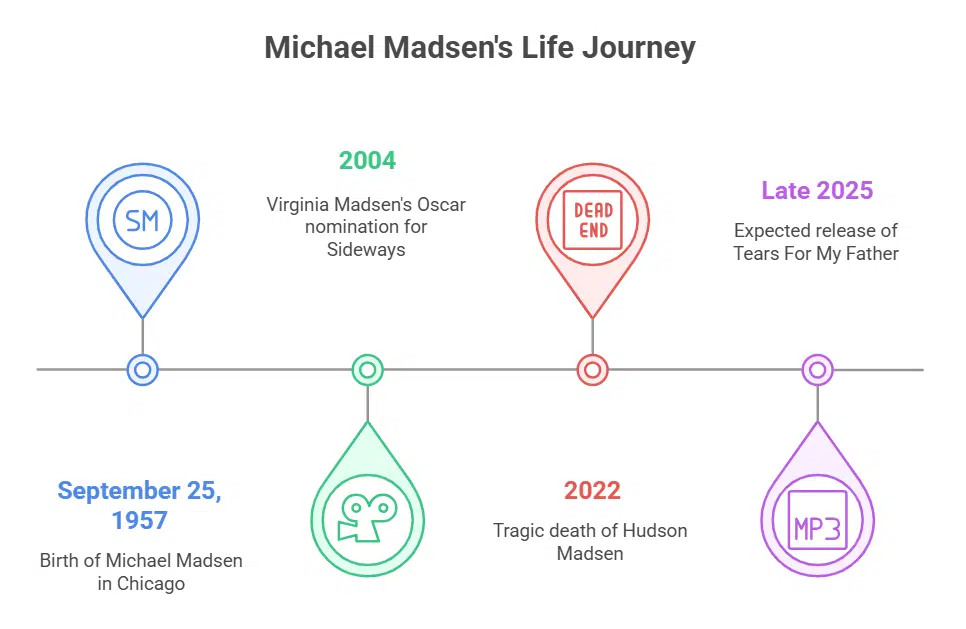
Michael Madsen was born in Chicago, Illinois, on September 25, 1957. He was the older brother of actress Virginia Madsen, known for her Oscar-nominated role in Sideways (2004). He came from a working-class background—his mother was a filmmaker and poet, and his father was a firefighter.
Madsen had six children, including Hudson Madsen, who tragically died in 2022. He was married multiple times and faced personal challenges throughout his life, including struggles with substance abuse. However, those close to him often remarked on his efforts to improve and his deep love for his children.
He remained active in the industry until his passing and was involved in various projects, including a new poetry book titled Tears For My Father: Outlaw Thoughts and Poems, which was expected to be released in late 2025.
Tributes and the Industry’s Reaction
Following the news of his death, tributes poured in from fans, colleagues, and film critics. Many highlighted Madsen’s impact on independent cinema and his ability to bring complexity and humanity to morally ambiguous characters.
Jason James Richter, his Free Willy co-star, described Madsen as someone who had a profound influence on him during his early acting years. Filmmakers, writers, and fans across the world mourned the loss of a man they viewed not just as a movie villain, but as a nuanced artist with a voice that mattered.
Tarantino has not yet released an official statement, but industry insiders acknowledge that Madsen was one of the director’s most loyal collaborators and a cornerstone of his cinematic style.
Final Reflection: A True Hollywood Outlaw
Michael Madsen will be remembered not only for his unforgettable performances but for his authenticity. He never tried to conform to Hollywood norms and instead carved out a unique space that blended menace with soul. Whether playing the villain, the antihero, or the grizzled father figure, he brought a rare energy to every role.
In an industry that often favors polish over grit, Madsen stood out as a symbol of raw, unapologetic talent. His passing leaves a noticeable gap in the world of film, especially among those who admired cinema’s edgier, more rebellious side.
As the curtain falls on his remarkable career, one thing is certain: Michael Madsen may have considered himself lucky to be an actor, but audiences were even luckier to witness his work.