
You spend hours playing games, but you’re still not winning as much as you want. Your friends seem to get better results with less effort. You feel stuck in the same skill level while others climb the ranks faster.
Many top gamers share common habits that set them apart from average players. These habits help them stay focused, learn faster, and bounce back from losses. They know how to manage their time, control their anger, and keep improving their skills.
This guide shows you seven key habits that successful gamers use every day. You’ll learn simple ways to set better goals, practice smarter, and stay balanced while gaming. These tips work for all types of games, from online casino games to competitive esports.
Ready to level up your game?
Key Takeaways
- Successful gamers set specific written goals, research game backgrounds thoroughly, and share objectives with teammates for accountability.
- Consistent daily practice sessions with performance tracking and regular gameplay recording reviews separate good players from great ones.
- Smart time management includes 45-60 minute focused sessions, energy level tracking, and prioritizing high-impact gaming activities over lengthy unfocused play.
- Emotional control techniques like deep breathing, counting to three before decisions, and maintaining good sportsmanship prevent performance-damaging outbursts.
- Top gamers stay curious through continuous research, adapt strategies quickly when plans fail, and maintain responsible play that prioritizes group enjoyment.
How do you set clear and achievable gaming goals?
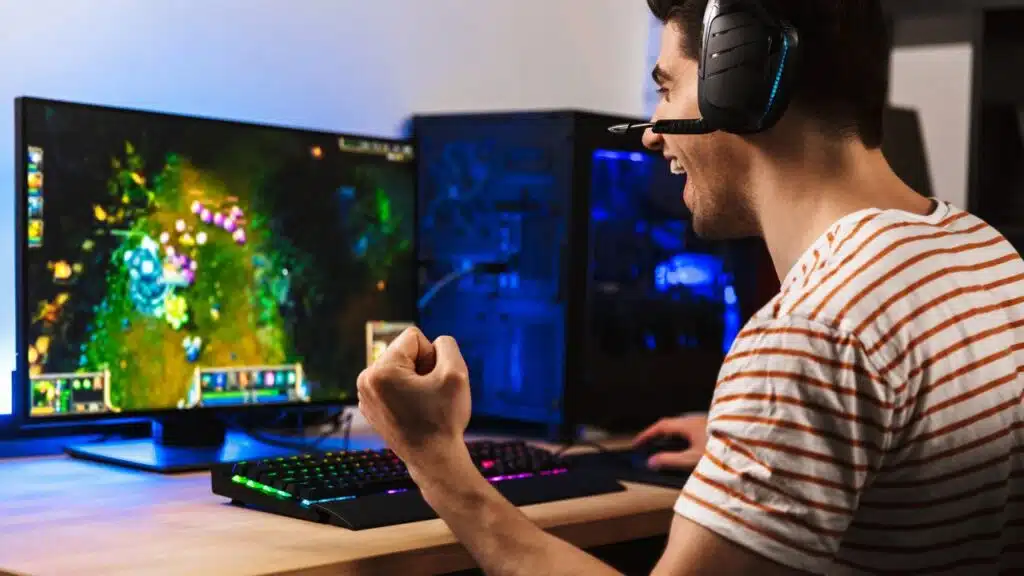
Setting clear gaming goals separates successful players from those who just grind without direction. Smart gamers start with the end in mind and create a plan for their gaming progress.
- Write down your 10-year gaming vision on paper, including which companies you want to work for and what projects excite you most.
- Set specific player experience outcomes before starting any new game using a simple bulleted list format.
- Read your game briefing and handbook thoroughly multiple times, starting the day before you play and again on game morning.
- Research character backgrounds through Wikipedia, movies, or TV shows to build context for better decision-making during gameplay.
- Create experience goals that guide your gaming sessions, keeping you focused on what matters most.
- Share your gaming objectives with friends or teammates before starting competitive play to get feedback and stay accountable.
- Balance long-term career goals with daily gaming targets to maintain both future vision and immediate progress.
- Prepare multiple times before important gaming sessions to increase your readiness and confidence levels significantly.
- Use your goals as a guide for choosing which games deserve your time and energy investment.
What are the best ways to practice gaming consistently?
Consistent practice separates good gamers from great ones. Building solid practice habits takes dedication, but the payoff is worth every hour you invest.
- Schedule daily practice sessions at the same time each day. Your brain loves routines, and grinding becomes easier when it’s automatic.
- Set specific skill targets for each practice session. Focus on one weakness at a time instead of trying to fix everything at once.
- Track your performance data after every session. Write down what worked, what didn’t, and what you need to improve tomorrow.
- Practice the day before important matches and again on game morning. This double preparation keeps your reflexes sharp and your mind focused.
- Mix different types of practice throughout the week. Combine aim training, strategy review, and full matches to stay well-rounded.
- Get enough sleep between practice sessions. Your brain needs rest to process new skills and form muscle memory.
- Evaluate your gameplay recordings weekly. Watching your mistakes helps you spot patterns you miss during live play.
- Update your practice routine every month. Gaming environments change fast, so your skills need to stay current with new trends.
- Practice with players better than you regularly. Playing against stronger opponents forces you to level up faster than solo grinding.
How can gamers manage their time and energy effectively?
Smart gamers know that managing time and energy separates winners from losers. The habits of highly effective people apply perfectly to gaming success.
- Focus on critical tasks that align with your main gaming goals instead of getting distracted by side quests or minor achievements.
- Assess if your proposed action is optimal before making moves, or look for more creative alternatives that maximize value from each decision.
- Use your cards and resources promptly rather than hoarding them, as ending games with unused items hurts your performance significantly.
- Set specific time blocks for different gaming activities like practice sessions, competitive matches, and skill development to avoid burnout.
- Take regular breaks every 45-60 minutes to maintain peak mental performance and prevent fatigue from affecting your gameplay decisions.
- Prioritize high-impact gaming sessions over lengthy, unfocused play periods that drain energy without meaningful progress toward your objectives.
- Track your energy levels throughout different times of day to schedule important matches when you’re naturally at your sharpest.
- Use aggressive strategies with item cards during fights, like players do in “City of Shadows 2,” to build strong reputations quickly.
What techniques help control emotions during gameplay?
Emotional control separates good players from great ones. Smart players develop techniques to stay calm under pressure. Take deep breaths during intense moments. Count to three before making big decisions.
The NATO team in “Not Over By Christmas” faced early setbacks but stayed composed. They adjusted their strategies without panic or frustration. This emotional discipline helped them recover from difficult situations.
Avoid negative behaviors that hurt your team and your performance. Don’t seek attention through dramatic outbursts. Never exclude teammates from important discussions. Stop interrupting others during planning sessions.
Lying about your character’s abilities breaks trust with everyone. Arguing with game moderators wastes valuable time. Keep conflicts inside the game world, not in real life. Practice good sportsmanship to build a positive gaming environment.
Stay calm and look for new options if your first plan fails. Cheating or breaking game rules often comes from poor emotional control, so focus on fair play instead.
How can gamers stay curious and keep learning new skills?
Successful gamers never stop asking questions about their games. They research character backgrounds and game history before playing. This homework sparks new ideas and opens doors to creative strategies.
Smart players dig into historical sources and fictional materials to find fresh approaches. They study past events that shaped their game world. This research helps them make better choices during play.
Creative thinking separates good gamers from great ones. Players should always ask if a more creative option exists for their next move. Take the “City of Shadows” example, where one player started as a gang leader who avoided crime.
Later, they changed tactics and embraced illegal activities for bigger rewards. This shift required courage and curiosity. Game masters appreciate players who think outside the box.
Characters become more interesting when players explore unconventional paths. Learning never stops for top gamers.
How do successful gamers adapt to new strategies and trends?

Top gamers know that flexibility wins games. Plans change fast in competitive gaming, and rigid thinking leads to losses. Take the NATO team in “Not Over By Christmas” as a perfect example.
They faced early setbacks but quickly adjusted their approach. Smart players stay calm and seek new options instead of sticking to failed strategies.
Adaptation means more than just changing tactics mid-game. Great gamers actively seek new alliances and creative solutions. One player arranged 30 marriages as Queen Mother of France by reaching out to potential allies.
This proactive approach opens doors that passive players miss. Flexibility helps gamers respond to new trends and evolving situations with confidence.
What does playing responsibly and maintaining balance involve?
Playing responsibly means putting group fun first, not just your own wins. Smart gamers know that cooperation beats competition every time. They avoid bad habits like hogging attention, cutting out teammates, or bringing game fights into real life.
Good players create spaces where everyone feels welcome and valued.
Balance comes from staying flexible while keeping your moral compass straight. Top players volunteer as Control to learn game mechanics and help others have a blast. This role teaches you how other players think and act, making you better at future games.
Responsible gaming means no cheating or breaking the spirit of fair play, because keeping things balanced makes the whole experience better for everyone.
Takeaways
These seven habits can transform any gamer from average to amazing. Success comes from practice, smart planning, and staying balanced. Great gamers know that winning isn’t everything, learning from each game matters most.
Start with one habit today, then add more as you grow. Your gaming journey will become more fun and rewarding when you build these skills into your daily routine.
FAQs
1. What makes a gamer truly successful in competitive play?
Successful gamers master their craft through daily practice, smart strategy planning, and learning from every loss. They treat setbacks like stepping stones, not roadblocks.
2. How do top gamers stay sharp during long gaming sessions?
They take regular breaks, stay hydrated, and keep their minds fresh. Smart players know that a tired brain makes costly mistakes.
3. What separates casual players from gaming champions?
Champions study their gameplay footage, analyze opponent patterns, and constantly adapt their tactics. They never stop learning, even after big wins.
4. Do successful gamers really need to follow strict routines?
Yes, the best players stick to consistent sleep schedules, practice times, and healthy habits. Routine builds the foundation for peak performance when it counts most.