
You worry that hackers will steal your data. You keep security tools but still feel at risk. Companies face new cyber threats every day. Evasive malware and zero-day attacks hit without warning.
Here you will find Groundbreaking Cybersecurity Innovations From Israel. In 2024, Israeli firms raised $3.8 billion in cyber security funding. This post lists 12 game changing tools.
You will learn how AI-driven cybersecurity solutions hunt threats. You will see how quantum-resistant encryption protects data. You will learn how Morphisec stops evasive malware. We will cover risk management and cyber hygiene tips.
Read on.
Key Takeaways
- In 2024, Israeli firms raised $3.8 billion in cybersecurity funding to back 12 groundbreaking tools.
- Armis Security and Cyberdomo use AI to hunt threats and cut false positives by 70% in finance and critical infrastructure.
- Morphisec’s Moving Target Defense scrambles app memory to block zero-day malware. The start-up raised $8.5 million and a $7 million Series A led by JVP, GE Ventures, Deutsche Telekom, Portage Advisors, and OurCrowd.
- Israel funds quantum-resistant encryption like CRYSTALS-Kyber and NTRU through the Israel Innovation Authority. Regulators now add these tools to governance, risk management, and compliance plans after Isaac Herzog’s 2023 Be’er Sheva summit call.
- Unit 8200, the Israel National Cyber Directorate, and global cyber emergency centers share real-time alerts. They boost cyber resilience and set new governance, risk management, and compliance standards.
AI-Driven Cybersecurity Solutions
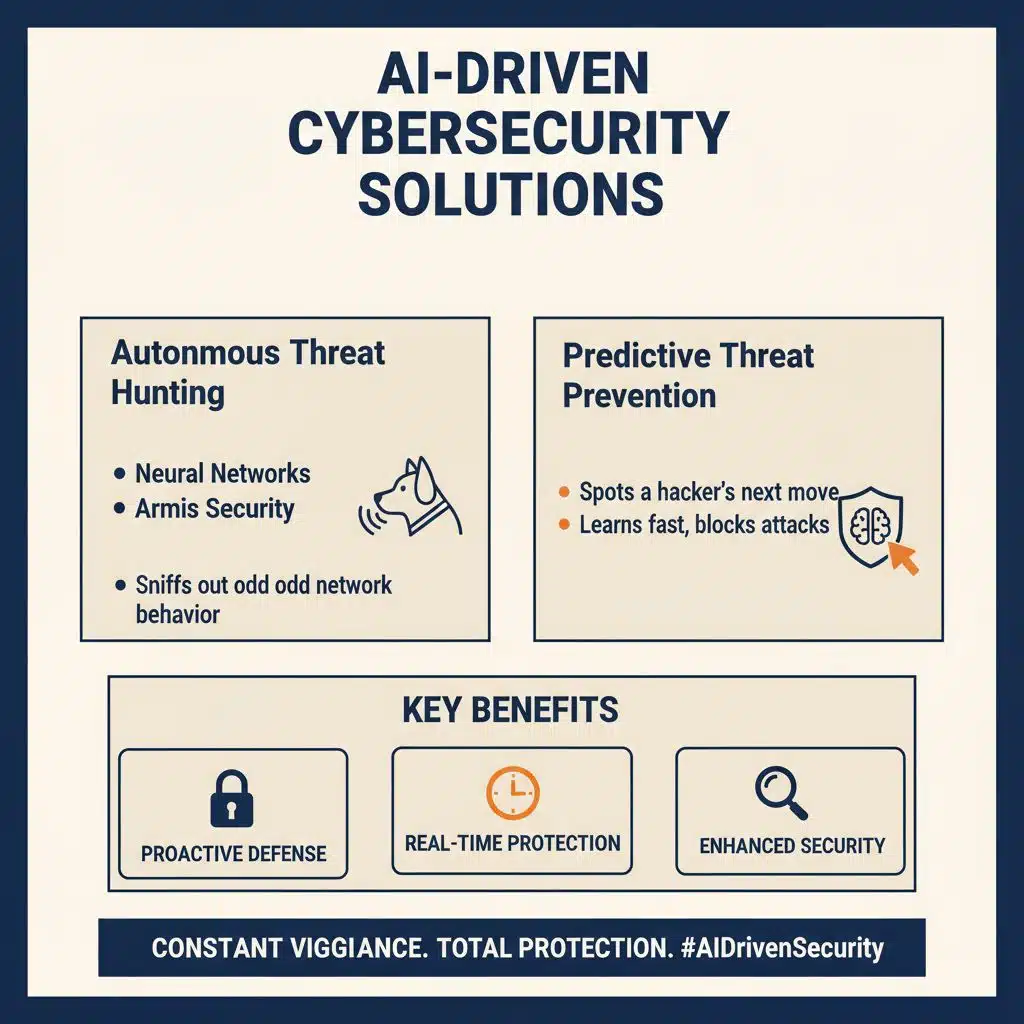
Neural Networks run Autonomous Threat Hunting in Armis Security, sniffing out odd network behavior like a bloodhound on the scent. Predictive Threat Prevention spots a hacker’s next move, learning fast, and blocking attacks before they strike.
How Does Autonomous Threat Hunting Work?
Cyberdomo runs an autonomous investigation engine that mimics elite analysts. This new cybersecurity innovation tracks endpoints, cloud workloads, and networks. The system learns patterns from real-time threat intelligence and behavior data.
It spots zero-day exploits or advanced ransomware stealthily. It also runs kill chains to stop cyber threats fast.
Early adopters in finance and critical infrastructure report a 70% cut in false positives. Organizations trade reactive chaos for self-driven protection systems. The tool slots into existing security consoles, network gateways, and defense agents with no big changes.
This design boosts cyber resilience and cyber hygiene across digital economies.
What Is Predictive Threat Prevention with Machine Learning?
Adaptive AI platform Cyberdomo trains on real-time threat intelligence and behavioral data to catch both known and unknown cyber threats. Machine learning models learn normal patterns for users, devices, and applications, then flag odd behavior in seconds.
They speed up threat detection and slash false positives, boosting cyber resilience and sharpening cyber hygiene. Early users report faster response times and far fewer false alarms.
Software spots zero-day exploits and sophisticated ransomware that rules-based tools often miss. It autonomously investigates and mitigates threats in real time, reducing the need for human intervention.
This hands-off approach lets security teams focus on governance, risk management, and compliance. Such proactive threat detection supports national defense, smart cities, and modern cybersecurity trends.
What Are Quantum-Resistant Encryption Technologies?
Quantum-resistant encryption uses math designed to stop hackers armed with quantum computers. Lattice-based cryptography and hash-based signatures serve as new shields against future cyber warfare.
Israel moves fast, funding post-quantum research through the Israel Innovation Authority and venture capital programs. The Israel National Cyber Directorate trains teams in quantum key distribution and offensive cyber operations.
These tools help guard against deep fake attacks and other advanced cyber threats.
Regulators push firms to add quantum-resistant encryption to their governance risk management and compliance plans. Cyber resilience grows stronger when companies adopt CRYSTALS-Kyber or NTRU keys.
Isaac Herzog spoke about the need for advanced encryption at a Be’er Sheva summit in 2023. Researchers work with Open Quantum Safe libraries to test each protocol under real-world attacks.
Advanced Threat Detection Tools
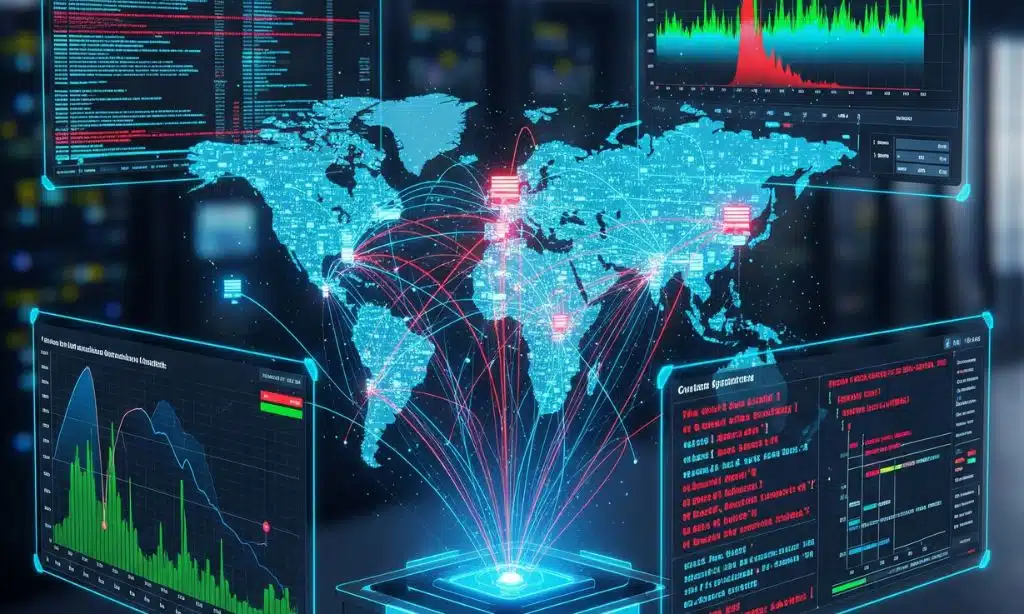
An endpoint detection and response solution scrambles system memory to block new malware attacks. A security information and event management engine scans logs in real time, so it sniffs out silent intruders.
What Makes Morphisec’s Endpoint Security Innovative?
This defense scrambles app runtime spaces with a polymorphic engine, leaving no trace for attackers to find. Patented Moving Target Defense Technology blocks zero-day attacks, APTs, ransomware, file-based and file-less malware.
It stops web exploits and thwarts cyber threats. Real-time investigation tools let teams hunt anomalies on the fly. The method marks a leap in cybersecurity innovation.
Ronen Yehoshua set up the firm in 2014 at a national cyber directorate (INCD) hub and a venture lab in the Negev city. The Israel Innovation Authority’s Incubator Incentive Program funded early research.
Investors raised $8.5 million, including a $7 million Series A led by Jerusalem Venture Partners, GE Ventures, Deutsche Telekom, Portage Advisors LLC, and OurCrowd. Teams gain cyber resilience against cybercriminals and meet governance, risk management, and compliance standards.
How Does Cyberdomo’s Threat Detection Work?
Cyberdomo marks a leap in cybersecurity innovation. It taps adaptive AI trained on real-time threat intelligence and behavioral analysis. It spots cyber threats fast, from known viruses to zero-day exploits.
It hunts ransomware moves and odd network events. The system probes incidents on endpoints, cloud workloads, and network fabric like expert analysts do, yet it moves at machine speed.
It kicks off mitigation steps without human delay.
Teams plug Cyberdomo into SIEM, firewalls, and endpoint protection tools in minutes. Early users in finance and critical infrastructure report a 70 percent drop in false positives.
They see faster reaction to cyber attacks and build stronger cyber resilience. The platform aids governance, risk management, and compliance. It shifts security from reactive to intelligent, self-driven operations.
Takeaways
Israel’s cyber scene boasts top tools, from AI-powered threat hunting to quantum-resistant encryption. Experts push governance, risk management, and compliance to new heights with smart dashboards.
Top companies fuel the cyber talent pipeline with training zones and boot camps. National units, like Unit 8200, guide cyber resilience across threats. Teams share alerts via cyber emergency centers in a global alliance.
Armis Security scans networks for hidden devices and weak spots. Morphisec’s Moving Target Defense scrambles apps, stopping zero day threats early. This list shows how strong funding, sharp research, and bold startups drive progress.
Next steps will refine risk management and boost trust in digital life.
FAQs on Groundbreaking Cybersecurity Innovations From Israel
1. What is a top cybersecurity innovation from Israel, and how does it help fight cyber threats?
One top cybersecurity innovation is quantum-resistant encryption, it locks data tight, even when quantum computers arrive. It helps firms stay a step ahead of new cyber threats, it builds cyber resilience.
2. How do Israeli solutions help with governance, risk management, and compliance?
The national cyber directorate (INCD) rolls out tools that track rules, flag gaps, and speed audits. These tools shrink blind spots, cut risk, and keep teams on track for governance, risk management, and compliance.
3. How does Israel grow its cyber talent pipeline and support startups with cybersecurity funding?
The israel innovation authority teams with schools, labs, and firms to give grants, run boot camps, and open labs. This creates a strong cyber talent pipeline, it fuels fresh ideas and boosts cybersecurity funding.
4. What makes armis security stand out, and how does Be’er Sheva play a role?
Armis security scans every device, it spots hidden gadgets, it stops silent attacks. In Be’er Sheva, teams test new tech on real networks, they learn fast from live fire labs to defend against cyber threats.
5. How do mergers and acquisitions shape cybersecurity trends in Israel?
Big firms buy hot startups, they snap up the latest tools fast. It spreads new methods, it drives key cybersecurity trends like stronger cyber hygiene, flexible defense, and swifter response.