Today’s society deals with serious environmental challenges. On the other hand, green technology offers ways to make the future safer and cleaner. Innovations in renewable energy sources, recycling, and environmentally friendly materials are changing our lifestyles and workplaces. These innovations could help mitigate pollution and climate change; in this article, we will explore how green tech can assist in saving the Earth.
Renewable Energy Advancements
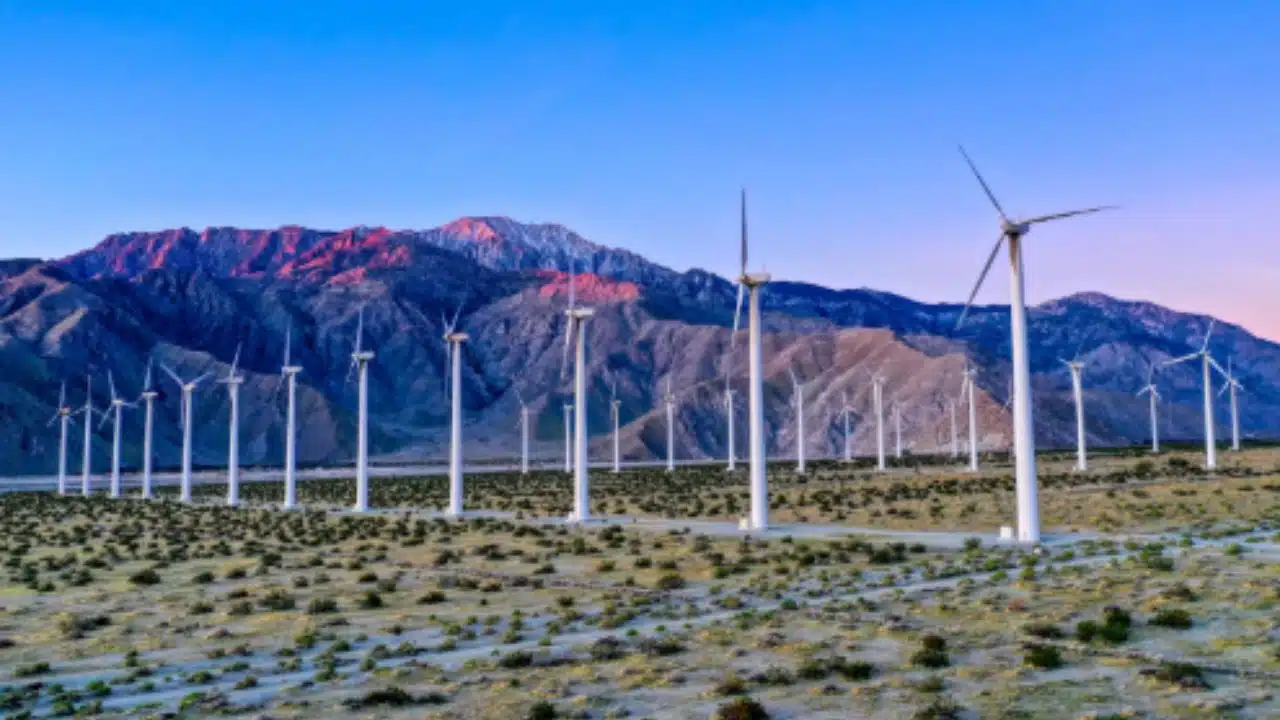
In Morocco, large mirrors heat up and move with the sun. They even stay warm after dark. In the ocean, massive windmills provide cities with clean energy. Like online casino games real money, green energy is developing rapidly. The price of solar panels was significantly higher in the past, but now it is affordable.
Power-saving strategies must also be implemented. Energy stored in big batteries is released during peak energy consumption times. This is more than just a concept; it’s a fully functional operation today.
Carbon Capture in Industrial Use
Large factories are big culprits of pollution and emit a lot of dirty air. Even though we cannot shut down these factories, we can at least clean the air. These new green technologies help achieve this goal. Here is how:
- With direct air capture, giant devices hide bad air underground.
- Carbon mineralization turns bad air into rocks.
- With factory filters, machines that clean the air before releasing it outside go through extensive filtering.
They are not tests; this technology is already operational in Iceland, Texas, and China. While technology is new, we currently need it.
Smart Systems for a Greener Future
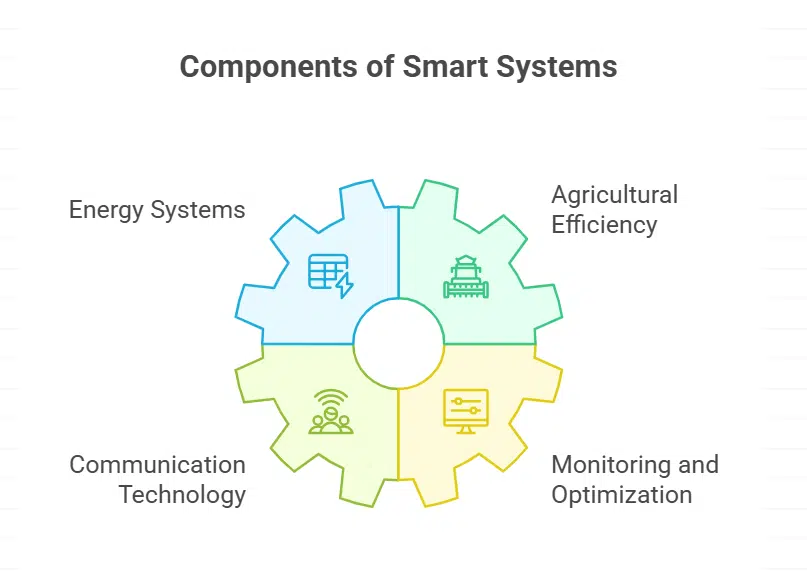
This is not about flying cars. Smart energy systems are changing how we use power. Software helps tractors move more efficiently, surpassing human capability. Melbet uses tech to talk to fans fast. Smart tech does the same for energy and farming. It uses code and sensors to waste less and help more. These systems monitor and make changes like fixing, shutting down, and optimizing functions to improve performance.
AI-Powered Energy Management
In cities like Oslo and Tokyo, control rooms look like stock markets. There are many screens and live numbers. AI shows what to do next. It moves power from solar roofs or batteries to places that require it. Fast and clean.
AI does not only react. It knows what’s coming. In homes and factories, smart meters feed data to AI. It learns when power is low-priced or wasted. As the overseer, AI cues up the right actions, streamlining power distribution.
Smart Agriculture and Water Use
Drones are already hovering above fields in Spain, scanning for plants’ water needs. Robots already exist that can automatically activate moisture sensors buried in soil. No manual checking saves time, and no water is wasted. Even rain is harvested more efficiently.
Preserving moisture is not optional; it is imperative. Droughts are worsening. AI now assists in determining farmers’ precise needs. These smart devices monitor temperature, stress levels, and hydration. This results in healthier livestock, reduced waste, and efficient resource consumption. It’s nature and technology working in harmony, and it helps.
Biodegradable Alternatives to Plastics
People invent new types of materials in the laboratories of Munich or kitchens in Nairobi. They use algae to create drinkable soda rings, transform liquid starch into functional spoons, and even press mushroom roots into forks. These items work and take mere months to decompose, not centuries fully. The smile nature gives when holding a spoon that transforms into soil.
Even more astounding is that some of these new materials outperform old ones. Some cups hold liquid and don’t cause leakages, and some bags stretch without ripping apart. Switching to new materials is more innovative and beneficial than “just good.” People want better choices, and the government is banning plastic. Big corporations are beginning to listen. Change may be slow, but progress is indeed constant.
A Technology-Driven Path Toward Environmental Survival
Take a warm glance outside the window or simply breathe the air in the city, and you’ll feel the problem at hand. Scientists aren’t needed. The hope, however, is promising. Smart ideas and advanced tech paired together work wonders. Winds are seen, and breaths of fresh air are felt. The starting motivation is strong. It’s a work in progress that earns trust and a belief in a plan. We have a long way to go. But intelligent people across the globe put in diligent effort. The latest innovations, eco-friendly technology, and organic resources provide genuine optimism. Gradually, we can achieve a safer and cleaner planet, accessible to all.