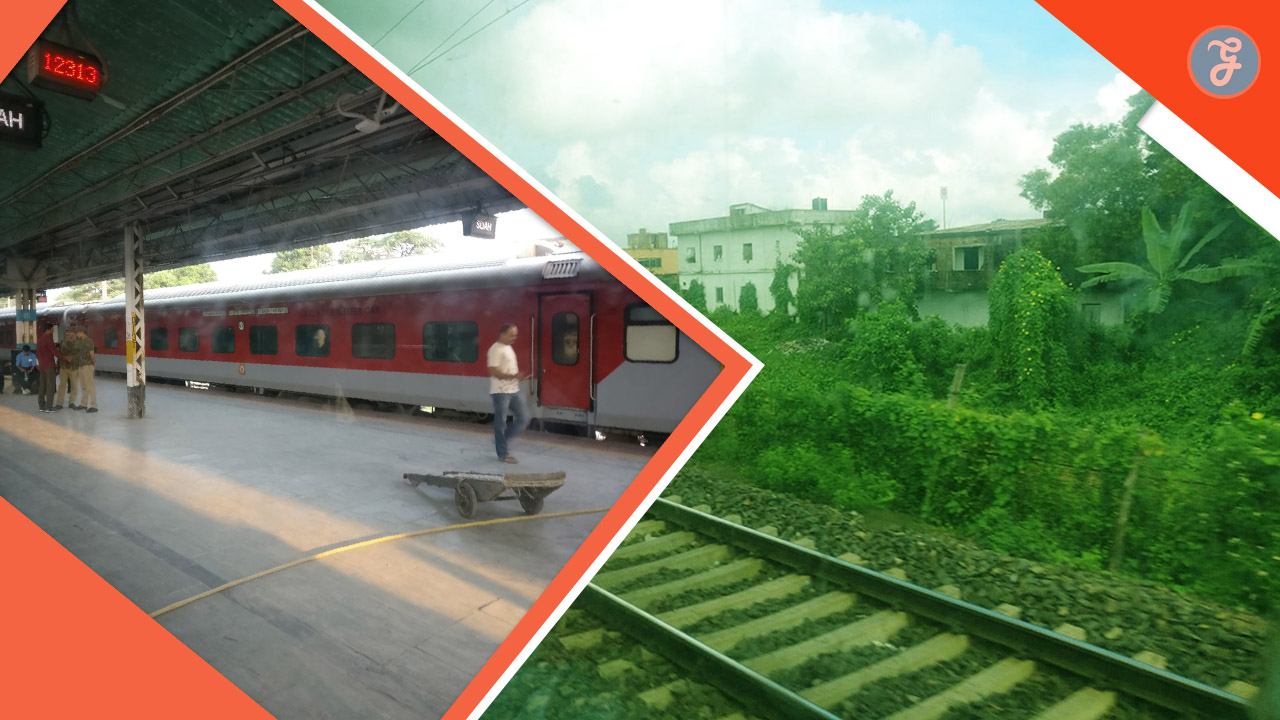
Stepping onto an Indian Railways platform is not merely an act of boarding a train; it’s a full-body plunge into a sensory world that makes the quiet, sterile norms of global transit feel hollow. In the glass-and-steel silence of a London Tube or a disciplined Tokyo Shinkansen terminal, commuters are islands, tucked away behind noise-canceling headphones and a cultural code of invisibility. But in India, the station is the front door to a “moving village.”
I saw this recently through a Marwari woman I met on board. She was a powerhouse who had taken over her late husband’s business, her sons now holding down high-profile jobs across the country. Yet, she wasn’t traveling alone. She carried her family deity, Gopal, in a small box she had personally perforated so the god wouldn’t “suffocate” on the journey. In that crowded carriage, God traveled without a reservation, and soon enough, every passenger nearby was part of the ritual, sharing in the divine company.
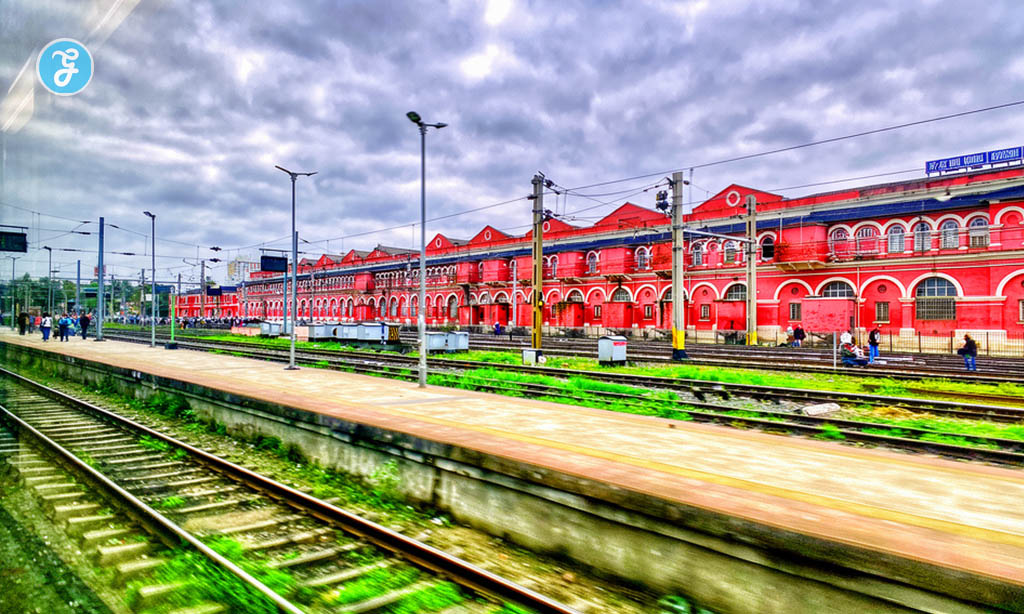
As the West grapples with a “loneliness epidemic,” where efficiency has replaced human connection, the Indian Railways offers a masterclass in radical coexistence. In the 2025-2026 fiscal year alone, this network moved 7.41 billion people, nearly the equivalent of the entire human race. It forces a question for our fragmented world: How can a system this massive, this loud, and this vast still be the most intimate and soulful way to move across the earth?
Everyday Coexistence in Seventy-Two Square Feet
The sociology of an Indian Railways carriage is a direct challenge to the modern obsession with personal space. While Western transit systems are designed to minimize contact, the Indian sleeper car is built to facilitate it. Here, the rigid walls of social class and privacy melt away. Passengers do not just sit near each other. They live together for days at a time. This environment creates a forced but functional intimacy that acts as a blueprint for how polarized societies might actually talk to one another again.
Privacy Yields to Hospitality
In the United States or Europe, “privacy” is the ultimate commodity. On a long-distance Indian train, that concept is replaced by a culture of open hospitality. When you sit on a lower berth, you are essentially sitting in someone’s living room. There are no cubicles or dividers. This lack of physical boundaries forces a psychological shift. Strangers quickly become temporary family members. They look after each other’s luggage during washroom breaks and keep an eye on each other’s children. It is a rare space where the “stranger danger” of the 21st century is overruled by a collective sense of security.
The World’s Largest Unorganized Potluck
The most famous ritual of Indian Railway culture is the sharing of home-cooked food. While the railways provide reliable meals at extra costs, most travelers still carry their own tiffin boxes. It is almost impossible to open a container of parathas or pickles without offering some to the person sitting across from you. In this setting, refusing a taste is often seen as a mild slight. This spontaneous exchange of bread and stories creates a unique bond. According to sociological studies on communal dining, sharing a meal is the fastest way to humanize “the other.” On these tracks, the compartment becomes a dining room where regional identities are tasted and appreciated rather than feared.
A Masterclass in Tolerance
The physical constraints of a train coach are tight. You have dozens of people representing different faiths, castes, and at least a few of India’s 22 official languages packed into a small area. Yet, the system works. Data from the Ministry of Railways suggests that despite the massive volume of travelers, incidents of communal friction on trains are remarkably low. People learn to navigate religious prayers, diverse dietary habits, and various languages with a quiet, practiced tolerance. They negotiate for space to sleep or charge a phone through a series of nods and polite requests.
Lessons for a Polarized World
This is not just about travel; it is about civil discourse. In a world where digital echo chambers keep us apart, the Indian Railways forces us back together. It proves that humans can coexist peacefully in high-density environments if they share a common goal and a bit of grace. The global lesson is clear. Harmony does not require everyone to be the same. It only requires a shared journey and the willingness to pass the salt. This “moving village” is a living example of how to build community when the world outside feels increasingly divided.
A Silent Surge: How India Built a Green Rail Powerhouse
While global leaders debate the future of high-speed rail, India has quietly pulled off an engineering miracle. The country has built a massive electric backbone that powers its economy without the heavy smog of diesel. This transition is not just about moving people faster. It is a lesson in how a developing nation can lead the world in sustainable infrastructure through sheer scale and speed.
A Quiet Revolution in Electrification
As of January 31, 2026, Indian Railways achieved a stunning milestone by electrifying 99.4 percent of its broad gauge network.
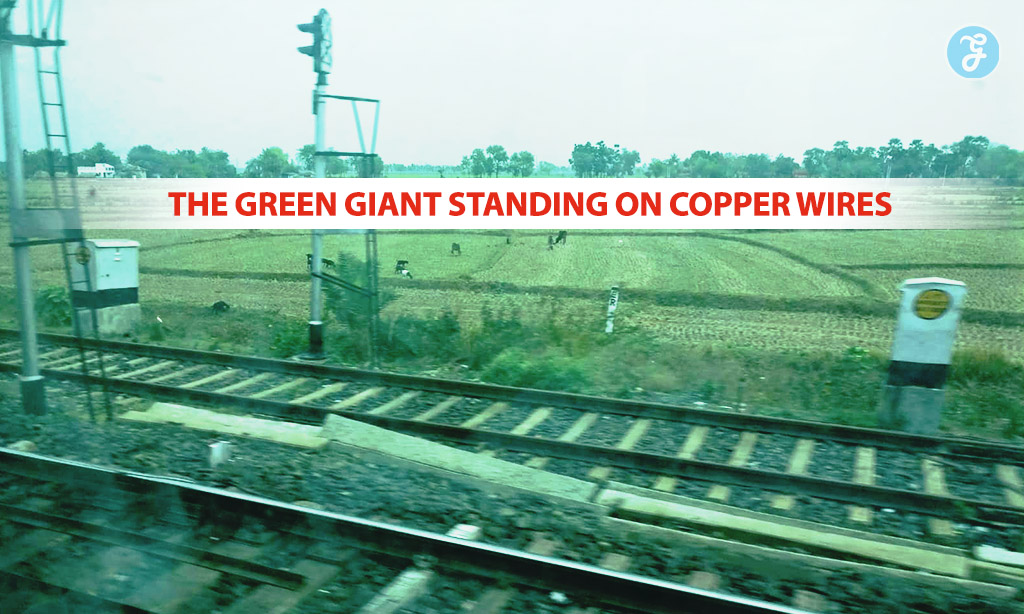
This covers 69,744 route kilometers of track. For context, that is enough wire to circle the Earth more than one and a half times. Most developed nations still rely heavily on fossil fuels to move their heavy trains. India chose a different path. By swapping diesel engines for electric ones, the network has sharply cut its carbon footprint while keeping ticket prices affordable for the masses.
The World’s Largest Electric Artery
This accomplishment makes India the operator of the world’s largest electrified rail system. The sheer logistics are staggering. Every day, thousands of trains glide across the subcontinent powered by a domestic grid. This shift reduces the national dependence on imported oil. It also turns the railway into a massive laboratory for green energy. The goal is to reach Net Zero carbon emissions by 2030. Many experts once thought this target was impossible for a system of this size, but the current data shows they are well on their way.
Taking the Heavy Lift Off the Roads
Sustainability is also about how we move our goods. In the 2025-2026 fiscal year, the network moved a record 1,670 million tonnes of freight. This is a massive win for the environment. One freight train can replace hundreds of heavy trucks on the highway. This massive shift in logistics has prevented millions of tonnes of CO2 from entering the atmosphere. It keeps the air cleaner and the roads safer. By moving coal, cement, and food across the country via electric rail, the nation is proving that industrial growth can be green.
Sustainability with a Soul
The global takeaway here is that green transit does not need to be a clinical or elitist project. It can be culturally vibrant and economically necessary at the same time. Many Western environmental projects feel like expensive luxuries. In India, the electric train is a lifeline. It proves that the most effective climate solutions are the ones that serve the most people. When sustainability is woven into the daily life of a nation, it becomes unstoppable. This is the blueprint for a future where high technology serves high humanity.
The High-Tech Leap With a Human Heart: From Chai to Vande Bharat
India is currently pulling off a rare feat in the world of transport. It is modernizing its massive rail network without stripping away the grit and soul that make it famous. This is not just a cosmetic upgrade to old tracks. It is a fundamental shift in how a nation of over a billion people chooses to move into the future.
The Rise of the Silver Bullet
The most visible face of this change is the Vande Bharat Express. As of late 2025, there are already 164 of these sleek, semi-high-speed services slicing through the countryside.
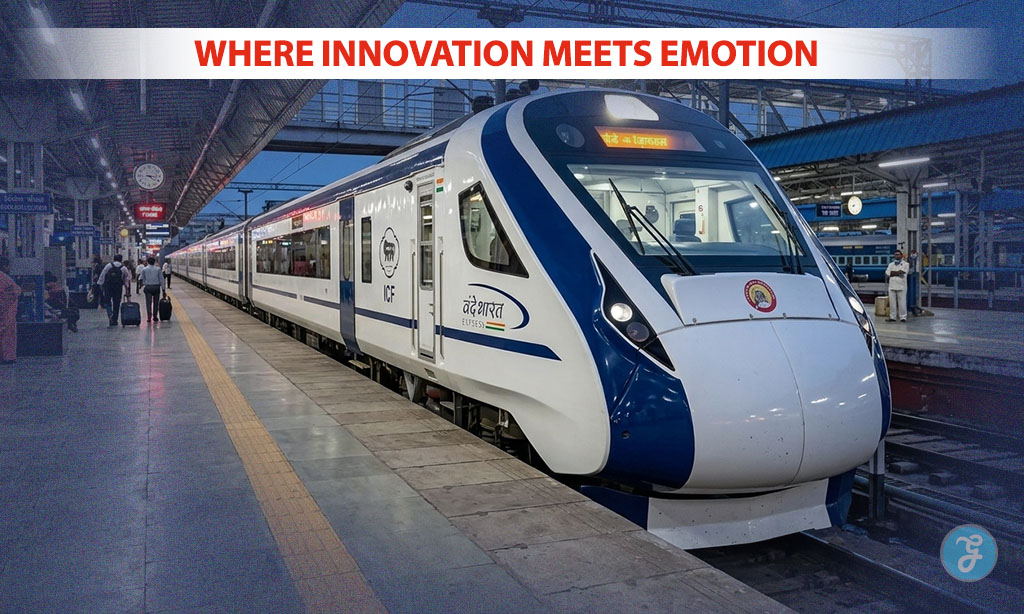
These are not your grandfather’s trains. They feature automatic doors, GPS-based passenger information, and regenerative braking systems that save energy. In January 2026, the first Vande Bharat Sleeper trains finally hit the tracks. This marks a new era for long-distance travel. It brings world-class comfort to the common man at a fraction of the cost of a flight.
Upgrading the Gateway to the City
The modernization extends far beyond the trains themselves. Under the Amrit Bharat Station Scheme, the government is transforming over 1,300 railway stations. These are becoming vibrant “City Centers” rather than just transit points. The goal is to blend high-tech facilities with the local heritage of each region. Imagine a station with the digital efficiency of an airport but the stone carvings and art of a thousand-year-old temple. This massive project ensures that the gateway to every town reflects its unique history while offering 21st-century amenities.
Keeping the Chai Wala in the Loop
The real magic is that this high-tech push has not silenced the “chai wala.” Even as 160-kilometer-per-hour trains become the new norm, the sensory experience of the station remains intact. The aroma of local spices and the calls of street vendors still fill the air. India is proving that you can have touchscreens and high-speed Wi-Fi without erasing the human labor that keeps the country running. It is a refusal to let technology turn people into mere data points. The soul of the journey is still preserved in the shared stories and the warmth of a paper cup of tea.
A Lesson in Cultural Continuity
The global lesson here is profound. Many nations believe that progress requires a complete break from the past. They tear down the old to make way for the new and sterile. India is taking a different path. By weaving the Vande Bharat into the existing fabric of its railway culture, it shows the world how to embrace the future without losing its identity. You can have the speed of a bullet train and the intimacy of a village square at the same time. It is a blueprint for a modernization that values both efficiency and humanity.
The Quiet Watch Before Every Journey
Before the first whistle sounds or the doors of a Vande Bharat close, something important happens quietly on the platform. Security teams move through the coaches with trained sniffer dogs, checking seats, corners, and every small space with careful attention. It is not a show. It is routine, done every day with focus and discipline.
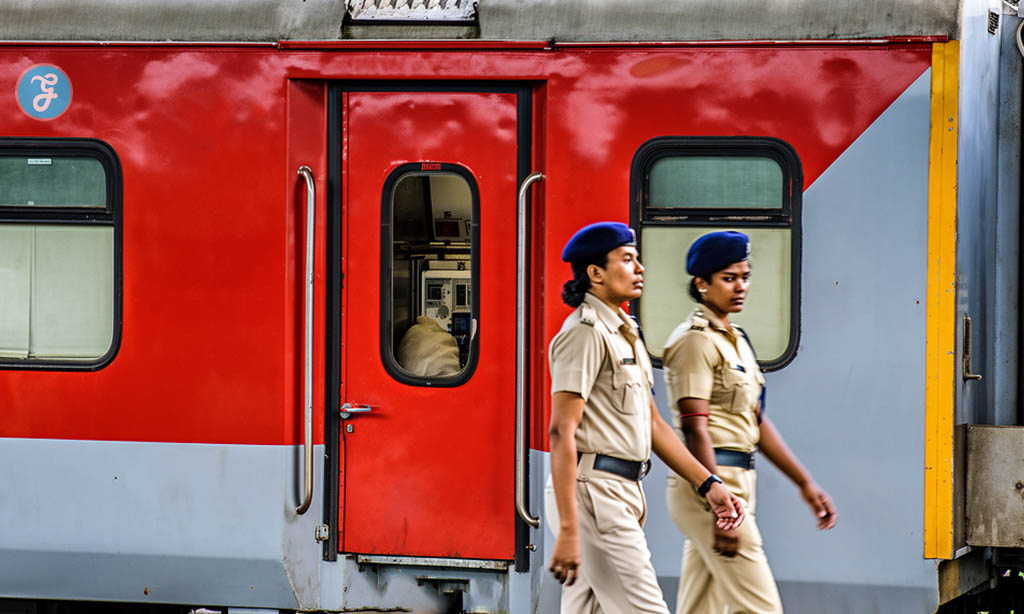
For passengers boarding a Rajdhani Express, this presence brings a quiet sense of safety. Most people may not notice every detail, but the reassurance is felt. These dogs and their handlers work closely, reading signals, trusting each other, and staying alert so that others can travel without worry.
Behind the comfort of clean coaches and digital screens, there is this constant layer of watchfulness. It is steady, patient, and deeply human. It reminds us that every smooth journey is supported by people and animals who stay attentive long before the train begins to move.
Silver Tracks of the Indian Railways: The Economic Heartbeat of a Rising Power
The silver tracks of the Indian Railways do more than carry people from one city to another. They act as the central nervous system for a nation chasing a five-trillion-dollar dream. This network is a massive economic engine that accounts for roughly 1.5 percent of the national GDP. It is a rare example of a public service that doubles as a primary driver of private wealth and regional stability.
A Corridor of Millions of Lives
The true power of the railway is found in its “micro-economies.” For every passenger on a train, there are dozens of people on the platform whose livelihoods depend on that arrival. Think of the tea vendors, the porters in their iconic red shirts, and the local artisans who sell their crafts to travelers. This “rail economy” extends as far as the tracks go. It provides a steady income for millions of families in rural areas who might otherwise be cut off from the national market. It is a massive, decentralized mall that never closes.
Bridging the Gap Between Two Indias
The railway is the ultimate unifier of a divided economy. It creates a physical bridge between the glass towers of tech hubs like Bangalore or Hyderabad and the deep agricultural heartlands of the north. This connectivity allows labor to move where it is needed most. It also ensures that a farmer’s produce can reach a city table while it is still fresh. By lowering the cost of travel and transport, the network makes the entire country a single, giant marketplace. This integration is what makes a massive, diverse economy actually function as one unit.
Growth That Leaves No One Behind
The global takeaway here is about the nature of public investment. Many modern infrastructure projects are designed for the elite. They serve those who can afford expensive flights or private cars. The Indian Railways takes a different approach. It shows that public infrastructure can be a tool for inclusive growth. By keeping fares low and accessibility high, the state ensures that even the most vulnerable citizens have a stake in the national progress. It is proof that a country can build wealth without leaving its poorest citizens behind.
A Lesson for Global Infrastructure
As nations around the world look to rebuild their own crumbling systems, India offers a compelling case study. The goal of a transit network should not just be speed or profit. It should be the creation of a broad economic platform where everyone has a chance to participate. This model of “inclusive mobility” is what turns a simple train ride into a national movement. It shows that when you invest in the movement of the masses, you are really investing in the future of the entire country. This is the real secret behind India’s economic resilience.
The Future Rides on Old Rails
The story of the Indian Railways is not a nostalgic look at a bygone era. It is a preview of a sustainable and communal future that the rest of the world is still trying to define.
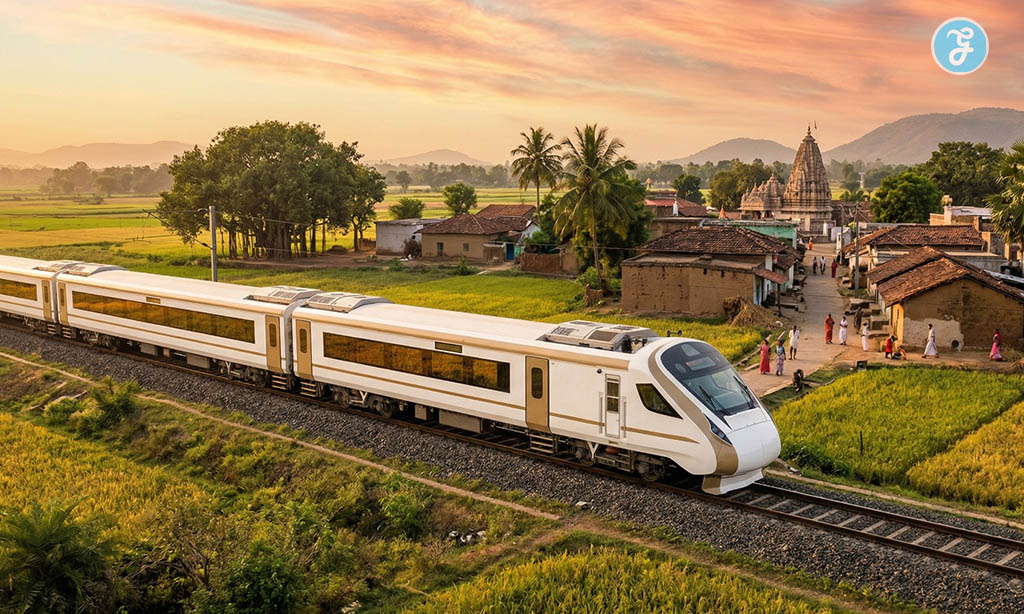
While other nations struggle to build expensive, isolated high-speed lines, India has built a massive network that stays connected to its people. This system proves that mass transit can be both a technological marvel and a deeply human experience. It is a living reminder that the most efficient way to move a billion people is to ensure they are moving together.
A Scene of Two Worlds
Imagine a sleek white Vande Bharat train streaking across the landscape at 160 kilometers per hour. It passes through an ancient village where life has followed the same rhythm for centuries. Inside the air-conditioned carriage, the scene remains remarkably familiar. Passengers are still leaning over their seats to share a piece of fruit or a story about their hometown. The technology has changed, but the spirit of the “moving village” is untouched. This contrast shows that progress does not have to come at the cost of our shared humanity.
Lessons from the Tracks
The global obsession with speed often overlooks the value of the journey itself. We have become a world of travelers who want to disappear at point A and reappear at point B without ever speaking to a neighbor. The Indian Railways offers a different path. It teaches us that a train is more than a vehicle. It is a shared space where we learn the art of tolerance and the grace of hospitality. In a century that will be defined by how we handle climate change and social division, these tracks provide a masterclass in how to live well in a crowded world.
The True Destination
If we look closely at the success of this network, the message for the 21st century is clear. Real innovation is not just about faster engines or smarter sensors. It is about building infrastructure that brings people closer rather than pushing them into private corners. The Indian Railways reminds every global traveler that the destination is only part of the story. The true value lies in the people we meet and the meals we share along the way. In the end, the most important thing we can learn from India’s rails is how to be better neighbors on a small, fast-moving planet.