

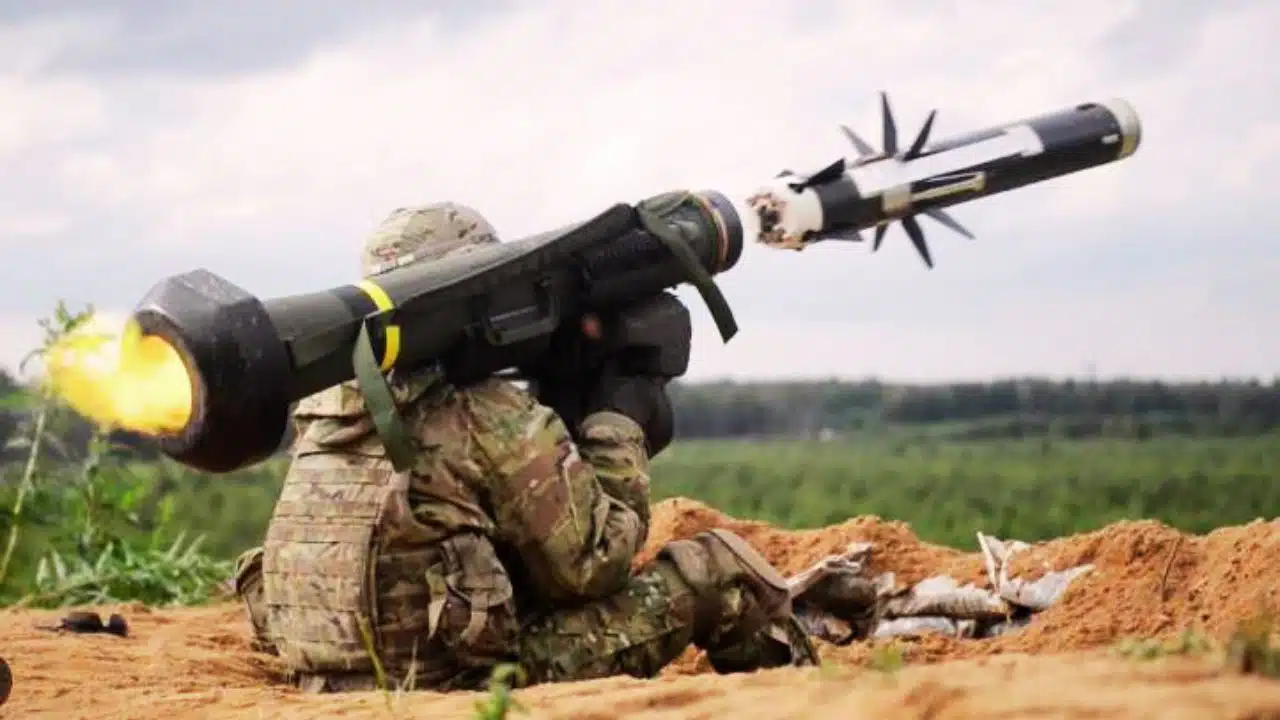
The global defense industry achieved unprecedented revenues in 2024, with the world’s top 100 arms manufacturers collectively generating $679 billion in sales—the highest figure ever recorded by researchers. This landmark total represents a 5.9 percent increase from the previous year and reflects surging demand driven primarily by the ongoing conflicts in Ukraine and Gaza, according to data released by the Stockholm International Peace Research Institute (SIPRI). The dramatic revenue growth underscores how geopolitical tensions and modern warfare are reshaping the global defense landscape, with manufacturers struggling to meet orders despite production challenges.
European Demand Drives Historic Surge
European arms manufacturers experienced the most significant regional growth, with 23 of the continent’s 26 companies ranked in the top 100 seeing their revenues climb substantially. Collective revenues from European defense firms jumped 13 percent to reach $151 billion in 2024, fueled predominantly by demand linked to the war in Ukraine and heightened threat perceptions from Russia among European nations. According to SIPRI researcher Jade Guiberteau Ricard, “the primary driver is Europe,” though she noted that all regions experienced growth except for Asia and Oceania.
The Czech Republic’s Czechoslovak Group emerged as a standout performer, with revenues spiking by an extraordinary 193 percent—the sharpest increase among all top 100 manufacturers—reaching $3.6 billion. This dramatic growth stemmed from the company’s involvement in the Czech Ammunition Initiative, which provides critical artillery shells for Ukraine’s defense efforts. The heightened European demand reflects not only immediate military support for Ukraine but also long-term strategic shifts, as many European countries now seek to expand and modernize their own armed forces, which SIPRI analysts say “will present a new source of demand”.
American Defense Giants Maintain Dominance
The United States continues to dominate the global arms market, with 39 of the top 100 manufacturers based in America, including the three largest defense contractors worldwide: Lockheed Martin, RTX (formerly Raytheon Technologies), and Northrop Grumman. US arms companies collectively generated $334 billion in revenue during 2024, representing nearly half of the global total despite a more modest 3.8 percent increase compared to other regions. This slower growth rate in the United States contrasts sharply with the double-digit expansion seen in Europe, though American firms maintain their overwhelming market leadership.
The sustained revenue growth among US defense contractors comes even as major programs face reported delays and budget challenges, most notably the F-35 fighter jet program. According to SIPRI, production difficulties remain a persistent challenge across the industry, yet domestic demand and orders from allied nations continue fueling revenue expansion for American manufacturers. The United States has supplied over $75 billion in military support to Ukraine since the conflict began in 2022, including tanks, artillery systems, anti-tank weapons, drones, and missile defense platforms.
Middle Eastern Arms Sales Defy International Criticism
Israeli defense companies recorded a 16 percent revenue increase in 2024, with the three Israeli firms in the top 100 ranking generating combined revenues of $16.2 billion. This growth occurred despite international criticism and a growing backlash over Israel’s military actions in Gaza, indicating sustained global interest in Israeli weapons technology. SIPRI researcher Zubaida Karim noted that “the growing backlash over Israel’s actions in Gaza seems to have had little impact on interest in Israeli weapons”.
The Israeli Defense Ministry separately reported that annual arms exports reached nearly $14.8 billion in 2024, marking the fourth consecutive year of record-breaking sales and representing double the export value from five years earlier. Air defense systems, missiles, and rockets comprised the largest category of Israeli exports at 48 percent, up significantly from 36 percent in 2023. Europe emerged as the largest purchaser of Israeli defense products, accounting for 54 percent of total exports in 2024—up from 35 percent the previous year—with ministry officials attributing increased European demand to Russia’s ongoing invasion of Ukraine.
Russian Defense Industry Expands Despite Sanctions
Two Russian arms manufacturers ranked among the global top 100—Rostec and United Shipbuilding Corporation—saw combined revenues surge by 23 percent to $31.2 billion in 2024. This substantial growth occurred despite international sanctions that created significant component shortages, as domestic Russian demand more than compensated for declining export sales. The expansion highlights how the Kremlin has prioritized military production to sustain its war effort in Ukraine, even as economic isolation limits access to foreign technology and materials.
However, SIPRI’s report identified serious constraints facing Russia’s defense sector, particularly acute labor shortages. The Russian arms industry is struggling to recruit sufficient skilled workers “to support the projected rates of production needed to sustain Russia’s war aims,” according to the research. These workforce challenges could limit the industry’s ability to maintain current production levels over the long term, potentially affecting Russia’s military capabilities in the ongoing conflict.
Supply Chain Challenges Hamper Production
Despite record revenues and surging demand, arms manufacturers worldwide face significant production and delivery challenges stemming from disrupted supply chains and material shortages. Many European defense contractors are encountering particular difficulties in sourcing critical materials, with the availability of essential components expected to become increasingly problematic. Lorenzo Scarazzato, a researcher at SIPRI’s Military Expenditure and Arms Production Programme, stated that “last year, global arms revenues achieved the highest level ever documented by SIPRI as manufacturers took advantage of the strong demand”.
The supply chain disruptions have multiple causes, including geopolitical realignments and export restrictions. Airbus and France’s Safran previously sourced half of their titanium supplies from Russia before 2022 but have been forced to identify alternative suppliers following the Ukraine conflict. Additionally, Chinese export restrictions on critical minerals have compelled major European defense contractors—including France’s Thales and Germany’s Rheinmetall—to warn of higher costs as they restructure their supply chains to secure necessary materials. These challenges indicate that despite strong demand, the industry’s ability to fulfill orders and meet production targets remains constrained by materials availability and manufacturing capacity.
Asia-Oceania Region Shows Decline
The Asia and Oceania region proved to be the only geographic area where overall revenues among the 23 companies based there declined, with combined revenues dropping 1.2 percent to $130 billion. This decrease contrasts sharply with growth in all other global regions and reflects specific challenges within the Chinese arms industry that led to the regional downturn. The decline in Asia-Oceania demonstrates that the global arms sales boom is not universal, with regional variations reflecting different market dynamics and industry conditions.
Long-Term Revenue Trajectory
The $679 billion figure for 2024 represents the culmination of sustained growth in the global defense sector over the past decade. Between 2015 and 2024, revenues for the top 100 arms manufacturers increased by 26 percent, reflecting a fundamental shift in global security priorities and military spending patterns. This long-term upward trajectory suggests that the current surge is not merely a temporary spike but rather part of a sustained expansion of the defense industry driven by persistent geopolitical tensions and evolving threat perceptions.
The record-breaking revenues come as conflicts in Ukraine and Gaza continue with no immediate resolution in sight, suggesting that demand for weapons systems and military equipment will likely remain elevated in the near term. Many nations are not only procuring weapons to support active conflicts or replenish depleted stockpiles but are also undertaking broader military modernization programs that will generate sustained demand for years to come. The combination of immediate wartime needs and long-term modernization initiatives positions the global arms industry for continued growth despite ongoing production and supply chain challenges.
Market Concentration and Future Outlook
The concentration of arms production among a relatively small number of companies and countries highlights the strategic nature of defense manufacturing capabilities. With the United States, Europe, and a handful of other regions accounting for the vast majority of global production, the arms industry reflects broader geopolitical power structures and alliances. The ability to manufacture advanced weapons systems represents not just economic opportunity but also strategic autonomy and political influence in international affairs.
As global military budgets continue expanding in response to evolving security threats, the defense industry appears positioned for sustained growth despite the considerable challenges manufacturers face in scaling production. The wars in Ukraine and Gaza have demonstrated the importance of robust domestic defense industrial bases, prompting many nations to invest in expanding their own manufacturing capabilities rather than relying solely on imports. This trend toward greater defense industrial autonomy, combined with ongoing conflicts and military modernization programs, suggests that the record revenues achieved in 2024 may be surpassed in coming years as the global security environment remains volatile and nations prioritize military readiness.






























