Gaming has come a long way in telling stories that matter to everyone. Many players search for characters who reflect their own experiences and identities. LGBTQ+ representation in video games helps create worlds where all players can see themselves as heroes, villains, or everyday people living their lives.
The Last of Us Part II broke new ground by featuring Ellie in a committed relationship with Dina, showing how love drives the story forward. Games like Life is Strange, Stardew Valley, and Tell Me Why prove that diverse characters make stories richer and more meaningful.
These titles offer players the chance to explore relationships, identity, and acceptance through interactive storytelling. Ready to discover games that celebrate love in all its forms?
Key Takeaways
- The Last of Us Part II features Ellie’s lesbian relationship with Dina as a central plot point, breaking new ground in gaming representation.
- Tell Me Why introduces Tyler Ronan, one of the first transgender male protagonists in major gaming history, exploring authentic trans storytelling.
- Stardew Valley normalizes same-sex relationships by allowing players to marry any character regardless of gender without stigmatization or negative comments.
- Baldur’s Gate III offers complete pansexual romance options with all eight candidates and includes nonbinary character creation and polyamorous relationship possibilities.
- Life Is Strange: Double Exposure releases October 29, 2024, continuing the series’ exploration of LGBTQ+ themes with returning protagonist Max Caulfield.
How do The Last of Us Part I & II portray LGBTQ+ characters?
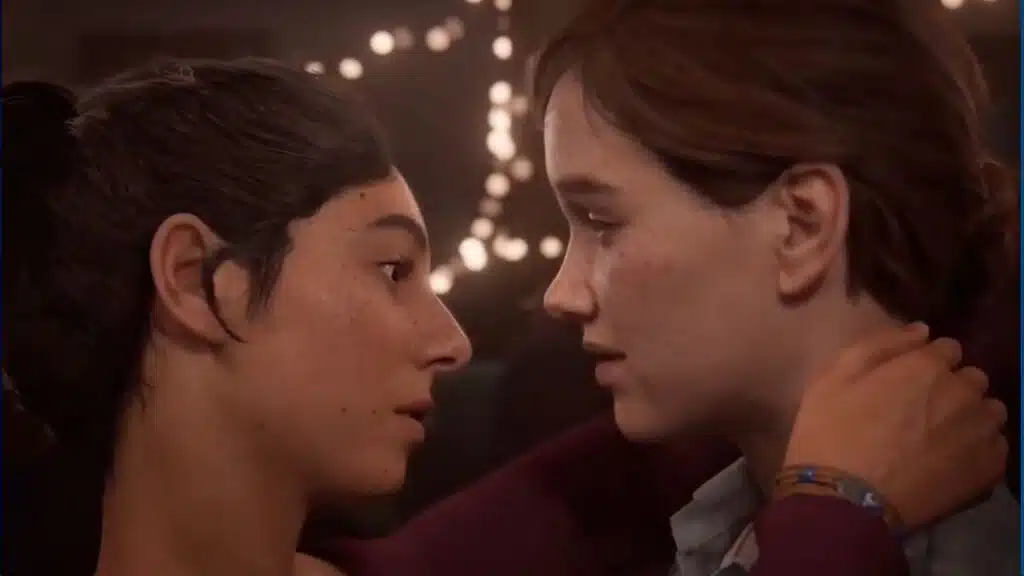
The Last of Us games break new ground in video games with their honest LGBTQ+ representation. Ellie, the main character, is a young lesbian whose story drives both games. Her relationship with Dina becomes a central plot point in Part II, showing real love and partnership during tough times.
The “Left Behind” DLC focuses on Ellie’s relationship with Riley, another girl, giving players a deeper look at her character. Part I also features Bill and Frank, a gay couple whose relationship adds heart to the post-apocalyptic world.
Part II introduces Lev, a trans boy who uses he/him pronouns and faces real challenges many trans people know. The games don’t make these characters’ identities the whole story. Instead, they show LGBTQ+ people as full, complex characters who happen to be queer.
Same-sex relationships feel natural and real, not forced or token. The Last of Us proves that strong LGBTQ+ representation can make games better, not just more diverse.
What LGBTQ+ themes are explored in the Life is Strange Series?
Life is Strange explores coming-of-age stories with deep LGBTQ+ themes throughout its choice-based narrative adventure. Max Caulfield and Chloe Price share a complex relationship that players can develop into something romantic through their choices.
Their bond explores themes of first love, identity, and acceptance in the small town of Arcadia Bay. Players see how LGBTQ+ youth handle family expectations, social pressures, and personal discovery.
Chloe’s rebellious nature stems partly from struggling with her identity after losing her father. Max returns to her hometown and reconnects with childhood friend Chloe, creating opportunities for intimate moments and meaningful conversations.
The series allows players to shape these relationships through dialogue choices and actions.
Life Is Strange: Before the Storm explores Chloe Price’s backstory and her relationship with Rachel Amber in more detail. This prequel examines themes of young love between two girls finding themselves in a conservative small town.
Rachel becomes Chloe’s anchor during a difficult period, showing how LGBTQ+ relationships can provide healing and hope. The upcoming Life Is Strange: Double Exposure, scheduled for release on October 29, 2024, continues exploring these themes with Max Caulfield returning as the protagonist.
Trophy hunting remains straightforward across the series, focusing on story choices rather than complex gameplay mechanics. Player-driven exploration of same-sex relationships creates authentic queer storytelling that resonates with LGBTQ+ players and allies alike.
How does Dream Daddy: A Dad Dating Simulator represent LGBTQ+ relationships?
Dream Daddy: A Dad Dating Simulator breaks new ground in LGBTQ+ representation by putting players in the shoes of a single dad looking for love. The game features diverse sexual orientations and identities among its dad characters, creating a rich tapestry of queer relationships.
Players can customize their character’s sexual orientation, which makes the experience feel personal and authentic. Same-sex relationships take center stage without any drama or conflict, showing these connections as normal parts of everyday life.
The dads you meet come from all walks of life, each bringing their own stories and perspectives to the table.
Polyamorous relationships get their moment to shine with certain characters, expanding what romantic possibilities look like in video games. Themes of fatherhood, community, and love hit home for LGBTQ+ players who rarely see themselves reflected in gaming.
The humor keeps things light while tackling serious topics about identity and belonging. This visual novel proves that queer storytelling can be both heartwarming and accessible to everyone.
Dream Daddy shows how far the gaming industry has come in normalizing same-sex relationships and creating inclusive spaces for all players.
What makes Tell Me Why significant for LGBTQ+ storytelling?
Tell Me Why breaks new ground in video games by featuring Tyler Ronan, one of the first trans male protagonists in gaming history. This three-chapter adventure follows twins Tyler and Alyson Ronan as they return to their hometown to face the aftermath of their mother’s death.
The game doesn’t just include trans representation as a side note. Tyler’s transgender identity sits at the heart of the story, woven into every aspect of the narrative. Players explore themes of family, memory, and gender identity through Tyler’s eyes.
The story also delves into Tyler’s sexuality and his diverse attractions, creating a rich, complex character that goes beyond simple stereotypes.
What sets this game apart is its authentic approach to queer storytelling. The developers worked closely with LGBTQ+ consultants to craft Tyler’s story with care and respect. Players witness Tyler’s struggles and triumphs as a trans man in a small town.
The game tackles difficult topics like family acceptance and personal identity without shying away from real challenges. Tell Me Why proves that video games can handle serious LGBTQ+ themes with depth and nuance.
The story resonates with trans players who rarely see themselves as main characters in major gaming titles.
How is LGBTQ+ inclusion shown in Stardew Valley?
Stardew Valley breaks new ground in farming simulation games by treating same-sex relationships as completely normal. Players can marry any bachelor or bachelorette, regardless of their character’s gender.
The game avoids stigmatizing LGBTQ+ identities and presents them as a natural part of life in Pelican Town. Alex, one of the marriage candidates, opens up about his struggles with masculinity and acceptance.
Sebastian, another potential partner, represents alternative lifestyles that many queer players connect with deeply.
Character customization in Stardew Valley supports non-binary and LGBTQ+ identities through flexible appearance options. The townspeople never question or comment negatively on same-sex marriages.
Players can adopt children with their same-sex spouse, creating complete family units. This inclusive approach has made the game celebrated for positive representation of LGBTQ+ relationships.
The farming community of Stardew Valley shows that love comes in all forms, making it a safe space for queer gamers to express themselves freely.
What LGBTQ+ options are available in Baldur’s Gate III?
Baldur’s Gate III breaks new ground in LGBTQ+ representation within tactical RPGs. This Dungeons & Dragons-based game offers a character creator with nonbinary options, letting players express their true identity from the start.
All eight romance candidates are pansexual, meaning players can pursue any relationship regardless of their character’s gender. The game goes even further by allowing polyamorous relationships, giving players freedom to explore multiple romantic connections.
Character design spans a broad spectrum of gender and sexuality representation. Players need 100+ hours and at least two playthroughs to earn the platinum trophy, with one run on the hardest difficulty.
The trophy guide rates difficulty at 7/10, but the inclusive storytelling makes every moment worthwhile. Romance options feel natural and authentic, never forced or tokenistic. The game treats queer relationships with the same depth and respect as any other storyline, creating genuine connections that resonate with LGBTQIA+ characters and allies alike.
How does Assassin’s Creed: Odyssey include LGBTQ+ representation?
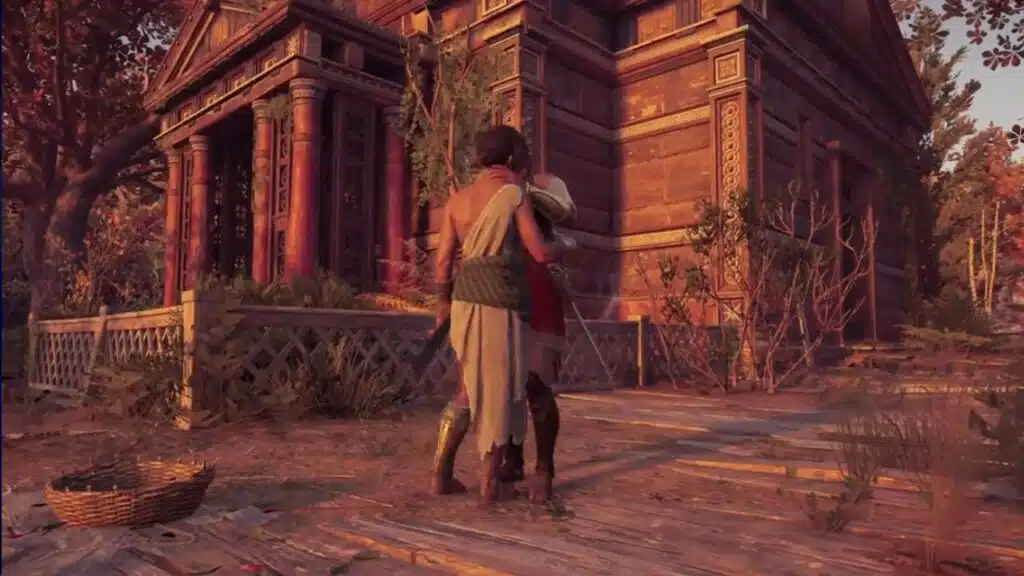
Assassin’s Creed: Odyssey breaks new ground by letting players explore polyamorous relationships with specific characters throughout their journey. Players can romance multiple partners at once, creating complex love stories that reflect real-world relationship diversity.
The game doesn’t limit romantic options based on gender, giving players true freedom to express themselves. This approach makes the ancient Greek setting feel more inclusive and welcoming to all players.
Character design and gameplay interactions emphasize inclusivity at every turn. The game’s positive impact on LGBTQ+ representation within gaming culture has been widely recognized by players and critics alike.
Odyssey joins a growing list of mainstream video games that feature significant queer representation, showing how the industry has evolved over the past decade. These bisexual characters and romantic relationships enrich the storytelling experience for players from all backgrounds, proving that diverse narratives make games stronger and more engaging.
What LGBTQ+ features can players find in The Sims 4?
The Sims 4 breaks new ground with its extensive LGBTQ+ representation. Players can create characters with customizable gender identities for transgender, non-binary, and gender-fluid characters.
The game lets you alter characters’ sexual orientations freely. Same-sex relationships work just like any other romantic connection in the game.
Family creation gets a major boost with support for various family structures, including same-sex parents and children. Weddings can occur between characters of any gender pairing.
The game uses gender-neutral pronouns for characters, which enhances inclusivity across all interactions. In-game narratives and interactions affirm and normalize LGBTQ+ identities without making them feel forced or awkward.
Players can build queer families, explore different romantic relationships, and see their characters live authentic lives that reflect real-world diversity.
How does Night in the Woods address LGBTQ+ issues?
Night in the Woods tackles LGBTQ+ representation through authentic character relationships and subtle storytelling. This platformer features Mae as the protagonist, a college dropout returning to her hometown of Possum Springs.
Gregg and Angus form a central gay couple in the narrative, showing their relationship with genuine care and depth. Players witness their struggles and joys as partners living in a small town.
Mae’s own orientation remains open to interpretation, with possible romantic undertones in her friendship with Bea creating space for queer themes to emerge naturally.
LGBTQ+ issues surface through everyday interactions rather than dramatic plot points. Gregg and Angus face real challenges that many same-sex couples experience, including questions about their future together.
Mae explores her identity while dealing with mental health struggles and family expectations. Players must complete both Gregg and Bea story paths to achieve platinum status, encouraging exploration of different relationship dynamics.
This indie game proves that queer representation works best when woven into authentic character development rather than forced into spotlight moments.
What LGBTQ+ elements are present in Undertale?
Undertale broke new ground in 2015 with its bold approach to LGBTQ+ representation. The protagonist, Frisk, uses they/them pronouns and represents gender nonconforming characters in gaming.
This indie game features same-sex relationships, trans characters, and nonbinary representation throughout its story. Alphys, the royal scientist, shows clear romantic interest in female characters.
Mad Mew Mew appears as a trans character who finds her true form. The game treats these queer themes with respect and care.
Deltarune, the sequel to this groundbreaking title, continues this tradition of inclusive storytelling. Players encounter diverse romantic relationships and gender expressions that feel natural within the game world.
The trophy set remains accessible for most players, with the main challenge being donations to the Dog Shrine. These games prove that indie titles can lead the way in meaningful LGBTQ+ representation.
The characters’ identities feel authentic rather than forced, creating genuine connections with players from all backgrounds.
Takeaways
These ten games prove that LGBTQ+ representation makes stories richer and more meaningful. Players from all walks of life can see themselves reflected in these characters, creating deeper connections with the games they love.
From Ellie’s romance in The Last of Us to the diverse relationships in Stardew Valley, these titles show how far gaming has come. What’s your favorite LGBTQ+ character or relationship in video games? Share your thoughts and help us discover more games that celebrate queer stories.
FAQs
1. Which games feature the best LGBTQ+ representation?
Life is Strange and The Last of Us lead the pack with authentic queer storytelling. These video games showcase same-sex relationships and lgbtq+ protagonists without making it feel forced. Dragon Age: The Veilguard also delivers strong queer representation through characters like Dorian Pavus and Iron Bull.
2. What makes Night in the Woods special for LGBTQ+ players?
This indie game features Gregg and Angus in a realistic gay relationship that feels natural. The visual novel style lets players explore queer themes through everyday conversations. Mae’s journey also touches on gender identity in subtle, meaningful ways.
3. Are there games with good trans representation?
Tell Me Why broke new ground with its trans protagonist Tyler. Celeste’s Madeline Thorson represents trans characters beautifully through metaphor and symbolism. Borderlands 3 includes several trans characters like FL4K who use they/them pronouns.
4. Which games show asexual representation?
The Outer Worlds features Parvati Holcomb, one of gaming’s best asexual characters. Her romantic storyline respects ace identity while still being engaging. Persona 3 also hints at asexual themes through certain character interactions.
5. Do any games include polyamorous relationships?
Stardew Valley lets players explore different romantic relationships without judgment. The Iron Bull in Dragon Age discusses polyamorous culture openly. Some indie games also feature characters in multiple romantic relationships that feel authentic.
6. What should I play during Pride Month?
Start with Life is Strange: Before the Storm for Max Caulfield and Chloe Price’s lesbian couple story. Try Dragon Age games for bisexual characters like Zevran and Isabela. Hollow Knight and Paper Mario: The Thousand-Year Door offer subtle but meaningful lgbtqia+ characters too.