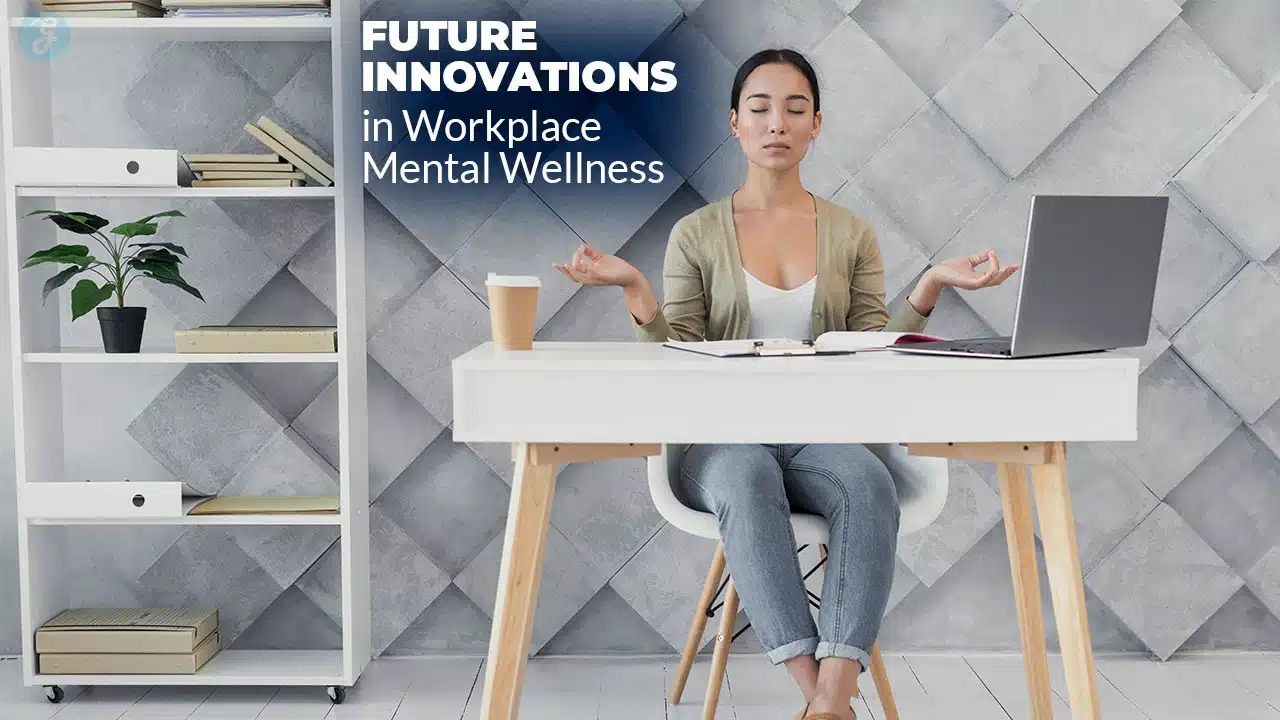
The modern workplace is undergoing a transformation. As organizations strive to stay competitive, they are recognizing that employee well-being is more than just a checkbox—it’s a critical factor in achieving sustainable growth and success. Mental wellness, in particular, is a cornerstone of employee satisfaction and productivity.
The question is: how can companies leverage emerging technologies and innovative practices to support mental wellness effectively? Enter the “future innovations in workplace mental wellness.”
This article explores five groundbreaking advancements that are set to redefine how organizations approach mental health.
The Changing Landscape of Workplace Mental Wellness
Mental wellness isn’t just a personal issue; it’s a business imperative. According to the World Health Organization (WHO), depression and anxiety cost the global economy an estimated $1 trillion annually in lost productivity.
Employees dealing with mental health challenges often experience burnout, decreased performance, and absenteeism. Addressing these issues can lead to improved morale, better team collaboration, and higher retention rates.
Current Limitations in Addressing Workplace Mental Health
While many companies have implemented Employee Assistance Programs (EAPs) and mental health initiatives, these often fall short. Traditional programs are reactive rather than proactive, focusing on addressing crises rather than preventing them.
Additionally, stigma around mental health persists, preventing employees from seeking help. These gaps highlight the need for “future innovations in workplace mental wellness” that are proactive, inclusive, and effective.
Exploring the 5 Future Innovations in Workplace Mental Wellness
As mental health continues to gain recognition as a vital component of workplace success, companies are turning to cutting-edge solutions to address the challenges employees face. These innovations are not just about keeping up with trends—they represent a profound shift in how organizations prioritize well-being.
By integrating technology and proactive strategies, these “future innovations in workplace mental wellness” are reshaping how businesses support their teams.
1. AI-Powered Mental Health Tools
Artificial intelligence is revolutionizing how organizations support mental wellness. AI-driven tools, such as chatbots and mental health apps, provide personalized, real-time support to employees. For instance, platforms like Woebot and Wysa use AI to offer cognitive behavioral therapy (CBT) exercises and mood tracking.
AI-powered mental health tools analyze patterns in user behavior to deliver tailored interventions. These tools are especially beneficial for large organizations where personalized support for every employee is impractical. By combining AI with machine learning algorithms, these tools can predict emotional states, recommend stress-relief exercises, and even alert management to potential risks in teams.
Practical Tips for Implementation:
- Start Small: Introduce AI tools through pilot programs and gather employee feedback.
- Integrate with Existing Systems: Ensure AI tools align with current HR platforms for seamless adoption.
- Provide Training: Offer training sessions to employees to maximize tool utilization.
Benefits of AI-Powered Tools:
- 24/7 Accessibility: Employees can access support anytime, anywhere.
- Personalized Insights: These tools analyze user data to offer tailored recommendations.
- Scalability: AI can support large workforces without significant cost increases.
Comparison Table: Top AI Mental Health Tools
| Tool | Features | Benefits |
| Woebot | CBT exercises, mood tracking | Instant feedback, proactive support |
| Wysa | Meditation, self-help exercises | Stress management, anxiety reduction |
| BetterUp | Coaching, resilience building | Leadership support, productivity boost |
2. Virtual Reality (VR) Therapy
Imagine employees using VR headsets to escape a high-stress work environment and immerse themselves in calming virtual landscapes. VR therapy is gaining traction as a tool for stress reduction and mental health support. For example, companies like Limbix are pioneering VR solutions for workplace therapy.
Virtual reality therapy creates immersive environments that mimic real-world scenarios or provide calming virtual experiences. These tools help employees confront stressors in a controlled environment, making it easier to process emotions. With advancements in VR technology, sessions are becoming more accessible and affordable for businesses.
How VR Therapy Works:
- Employees wear VR headsets to access guided relaxation sessions or immersive therapy environments.
- These experiences are designed to reduce stress, anxiety, and even symptoms of PTSD.
Real-Life Applications:
- A large tech company recently introduced VR therapy rooms where employees can take “mental health breaks.
- Healthcare organizations are using VR to train staff on managing stress during high-pressure situations.
Practical Tips for Adoption:
- Create Dedicated VR Spaces: Designate quiet rooms for VR sessions to ensure privacy.
- Offer Guided Experiences: Provide employees with expert-led VR programs to maximize effectiveness.
- Monitor Feedback: Regularly evaluate employee experiences and refine offerings.
Key Benefits of VR Therapy
| Benefit | Description |
| Stress Reduction | Immediate calming effects for employees. |
| Skill Development | Helps employees manage anxiety effectively. |
| Engagement | Increases participation in mental health programs. |
3. Predictive Analytics for Mental Health
Predictive analytics uses data to identify mental health risks before they become critical. By analyzing patterns in employee behavior, such as absenteeism or decreased productivity, organizations can intervene early.
Predictive analytics combines HR data with machine learning algorithms to highlight trends that may indicate mental health risks. By identifying these patterns early, employers can implement targeted interventions, such as adjusting workloads or offering professional support. This proactive approach ensures issues are addressed before they escalate.
Examples of Predictive Analytics in Action:
- HR platforms like SAP SuccessFactors use algorithms to flag employees who may be at risk of burnout.
- Predictive tools can recommend resources or adjustments to workload to prevent mental health crises.
Practical Applications Table
| Application | Example | Benefit |
| Burnout Prevention | Adjusting workload based on data trends | Reduces employee turnover |
| Stress Tracking | Identifying high-stress periods | Optimizes workflow management |
| Risk Flagging | Highlighting mental health concerns | Encourages timely interventions |
Tips for Employers:
- Utilize Comprehensive Data: Collect metrics on absenteeism, productivity, and employee engagement.
- Maintain Privacy: Ensure employee data is anonymized to build trust.
- Act on Insights: Use analytics findings to make meaningful workplace adjustments.
4. Personalized Mental Health Programs
One-size-fits-all approaches no longer work. Personalized mental health programs use data to create tailored wellness plans for each employee. For example:
- Some platforms offer employees the ability to choose wellness activities that align with their preferences, such as yoga, mindfulness, or fitness.
- Personalized assessments ensure that employees receive the right level of support based on their individual needs.
Personalized mental health programs focus on creating unique experiences for every employee. By leveraging employee surveys, biometric data, and AI tools, these programs can identify specific needs and design plans that foster long-term well-being. This approach ensures that employees feel valued and supported on an individual level.
Features and Benefits Table
| Feature | Benefit |
| Tailored Assessments | Meets individual wellness needs |
| Flexible Activities | Encourages higher participation rates |
| On-Demand Access | Removes barriers to mental health support |
Practical Tips:
- Conduct Regular Surveys: Gather feedback on employee needs and preferences.
- Offer Flexible Options: Allow employees to select wellness programs that suit their schedules.
- Communicate Availability: Ensure employees know about available resources.
5. Integrative Wellness Ecosystems
The future of workplace mental wellness lies in creating ecosystems that integrate physical, mental, and social health. These ecosystems combine various tools and programs into a unified platform, offering seamless support.
Integrative wellness ecosystems connect multiple aspects of health, from wearable technology that monitors physical activity to digital platforms facilitating peer support. These systems enable organizations to offer a holistic approach to employee wellness, ensuring no aspect of well-being is overlooked.
Future Trends:
- Increased use of wearable technology to monitor stress levels in real-time.
- Greater focus on fostering community and social connections among employees.
Integrative Ecosystems: Examples and Benefits
| Component | Example | Benefit |
| Wearable Technology | Fitbit stress tracking | Real-time well-being insights |
| Peer Support Networks | Virtual group therapy | Strengthens social connections |
| Unified Platforms | All-in-one wellness apps | Simplifies access to resources |
Actionable Steps:
- Invest in Integration: Use platforms that consolidate various wellness services.
- Promote Social Connections: Encourage team-building activities to foster a sense of community.
- Evaluate Effectiveness: Regularly assess the impact of the wellness ecosystem.
Benefits of Adopting These Innovations

1. Enhanced Employee Productivity and Satisfaction
Innovations like AI tools and VR therapy reduce stress and enhance focus, leading to higher productivity. Employees who feel supported are more likely to stay engaged and motivated.
2. Reduced Turnover and Healthcare Costs
Preventative measures, such as predictive analytics, reduce the risk of long-term mental health issues, ultimately lowering healthcare expenses and turnover rates.
3. Improved Organizational Reputation
Companies that prioritize “future innovations in workplace mental wellness” are viewed as progressive and caring, attracting top talent and earning customer trust.
How Organizations Can Prepare for the Future?
1. Steps to Incorporate Innovations
- Invest in Technology: Allocate budgets for tools like AI-powered platforms and VR therapy equipment.
- Build a Culture of Wellness: Promote open conversations about mental health and normalize seeking help.
- Train Management: Equip leaders with the skills to identify and address mental health concerns effectively.
- Even though allowing employee feedback was mentioned earlier, it can’t be stressed enough that there needs to be an open feedback culture as well, where the employees know that they’re welcomed to voice opinions and concerns, as well as give their suggestions on improving workflow and the culture/ workplace as a whole. But managers could even just go ahead and explore Cameron Conaway’s feedback services, as this can help make employees feel like they’re allowed to engage in feedback without any sort of consequences.
2. Challenges to Anticipate
- Budget Constraints: Initial costs of implementing innovations can be high.
- Privacy Concerns: Employees may worry about how their data is used.
- Adoption Rates: Encouraging employees to use new tools may require time and effort.
Wrap Up
The “future innovations in workplace mental wellness” are reshaping how organizations support their employees. From AI-driven tools to personalized wellness programs, these advancements promise a brighter, healthier future for the workforce.
By adopting these innovations, companies can foster environments where employees thrive—boosting morale, productivity, and overall success. It’s time to embrace the future of mental wellness in the workplace and lead the way in creating healthier, happier workplaces.